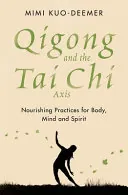
Tai ji quan zu shi Zhang Sanfeng nei dan yang sheng

 82
82

Tai ji quan zu shi Zhang Sanfeng nei dan yang sheng
Huaren Su's *Tai ji quan zu shi Zhang Sanfeng nei dan yang sheng* presents a commendable effort to delineate the Neidan aspects of the Zhang Sanfeng tradition. The clarity with which it separates the internal alchemy from the more commonly understood external forms of Tai Chi is a significant strength. However, the work occasionally struggles with providing sufficiently detailed practical instruction for the novice, sometimes assuming a level of prior esoteric knowledge that may not be universally present among its intended readers. The section discussing the transmutation of *jing* into *qi* offers a particularly insightful, though dense, explanation of a core Neidan principle. It avoids sensationalism, focusing instead on the methodical aspects of internal cultivation. The book serves best as a bridge between foundational Tai Chi knowledge and the deeper Neidan practices, rather than a complete self-teaching manual. It is a valuable, if specialized, addition to the literature on esoteric Taoism.
📝 Description
82
Published in 2012, Huaren Su's book examines Neidan practices attributed to Zhang Sanfeng.
Tai ji quan zu shi Zhang Sanfeng nei dan yang sheng by Huaren Su moves past the physical forms of Tai Chi Chuan to detail its roots in Neidan, or internal alchemy. The book explains this system as a method for cultivating vital energy and harmonizing intrinsic bodily forces, outlining specific techniques and the philosophical ideas behind this Taoist discipline. It is written for practitioners and scholars of Taoist internal arts who already understand Qigong or martial arts. The text will also interest those who study the alchemical and spiritual dimensions of Chinese metaphysics, looking beyond common views of Tai Chi as only for health or combat. Researchers of comparative spirituality and esoteric traditions may also find it valuable. The work addresses the legend of Zhang Sanfeng, a figure central to Taoist lore, often credited with merging internal martial arts with Neidan cultivation. While the historical accuracy of Zhang Sanfeng is debated, his legend symbolizes the union of physical discipline and spiritual growth. Su's book connects modern Neidan practices to this lineage, acknowledging the master's broad impact on Chinese culture, martial arts, medicine, and spiritual development.
This book situates itself within the Taoist tradition, specifically concerning the practice of Neidan, or internal alchemy. Neidan aims at spiritual refinement and longevity through the transformation of the body's fundamental energies: qi (vital force), jing (essence), and shen (spirit). The text engages with the legend of Zhang Sanfeng, a pivotal figure in Taoist history and martial arts, who is traditionally linked to the synthesis of physical training and internal alchemical practices. By examining the 'Three Treasures' and the circulation of energy within the body, the book connects these ancient concepts to contemporary practitioners seeking deeper spiritual development.
💡 Why Read This Book?
• Gain specific insights into the Neidan techniques attributed to Zhang Sanfeng, moving beyond the external forms of Tai Chi. • Understand the core Taoist concept of *yang sheng* (nurturing life) as applied through internal alchemy, as detailed in the text's discussions of energy cultivation. • Explore the practical application of *Yin/Yang* balance within the body, a central tenet of the internal practices described.
⭐ Reader Reviews
Honest opinions from readers who have explored this book.
❓ Frequently Asked Questions
What is Neidan and how does it relate to Zhang Sanfeng?
Neidan, or internal alchemy, is a Taoist practice focused on cultivating the body's vital energies (*qi*, *jing*, *shen*) for spiritual development and longevity. Zhang Sanfeng is a legendary figure to whom many Neidan and Tai Chi practices are attributed, making him a central figure in this tradition.
Is this book a practical guide to performing Tai Chi movements?
No, this book focuses on the *Neidan* (internal alchemy) aspects attributed to Zhang Sanfeng, which are distinct from the external martial or health-focused forms of Tai Chi. It explores the energetic and spiritual cultivation behind the movements.
What are the 'Three Treasures' mentioned in Taoist Neidan?
The Three Treasures (*San Bao*) in Taoist cultivation are typically *Jing* (essence), *Qi* (vital energy), and *Shen* (spirit). Neidan practices aim to refine and transform these fundamental aspects of human existence.
When was the first edition of 'Tai ji quan zu shi Zhang Sanfeng nei dan yang sheng' published?
The first edition of *Tai ji quan zu shi Zhang Sanfeng nei dan yang sheng* by Huaren Su was published in 2012.
Does the book discuss the historical accuracy of Zhang Sanfeng?
While acknowledging Zhang Sanfeng's legendary status, the book primarily focuses on the Neidan practices attributed to him rather than a critical historical analysis of his life. It engages with the tradition he represents.
What is 'yang sheng' in the context of this book?
'Yang sheng' translates to 'nurturing life' or 'nourishing vitality.' In this book, it refers to the Taoist methods, particularly Neidan, used to cultivate and maintain health, longevity, and spiritual well-being.
🔮 Key Themes & Symbolism
Neidan Cultivation
The book centers on Neidan, the internal alchemical practices aimed at refining the body's core energies (*Jing*, *Qi*, *Shen*). It details how these practices, attributed to Zhang Sanfeng, are designed to achieve spiritual transformation, longevity, and harmony. The text explores specific meditative techniques and energetic manipulations that practitioners undertake to foster this inner refinement, viewing the body as a vessel for profound spiritual work.
Zhang Sanfeng Lineage
The work anchors its exploration of Neidan within the tradition attributed to the legendary Taoist master Zhang Sanfeng. This lineage represents a synthesis of martial prowess, energetic cultivation, and spiritual aspiration. The book examines how Zhang Sanfeng's legacy informs specific Neidan methodologies, positioning him as a key, albeit often mythical, figure in the development of these esoteric arts.
Yang Sheng Philosophy
Central to the book is the Taoist concept of *Yang Sheng*, or nurturing life. This philosophy underpins the Neidan practices by emphasizing the cultivation and preservation of vital energy for health, longevity, and spiritual well-being. The text illustrates how internal alchemy serves as a profound method for *yang sheng*, aligning the practitioner with natural rhythms and fostering intrinsic vitality.
Integration of Spirit and Body
A key theme is the integration of the physical body (*xing*) with the spirit (*shen*) and mind (*yi*) through Neidan. The book posits that true cultivation involves harmonizing these aspects, moving beyond mere physical exercise to a holistic practice that transforms consciousness. This integration is presented as essential for achieving the higher states of awareness and vitality associated with advanced Taoist practice.
💬 Memorable Quotes
Direct passages from the work, attributed to the author.
“The transformation of *Jing* into *Qi* is the foundation of internal alchemy.”
— This statement highlights a critical alchemical process within Neidan, where the fundamental physical essence (*Jing*) is refined and converted into vital life force (*Qi*), a necessary step for further spiritual development and energy cultivation.
“Cultivating *Shen* leads to clarity and connection with the *Dao*.”
— This concept emphasizes the role of cultivating the spirit (*Shen*) within Neidan. It suggests that by refining one's spiritual awareness, practitioners can achieve mental clarity and a deeper connection to the fundamental principles of the universe.
“Internal alchemy is the art of nourishing life through energetic refinement.”
— This interpretation defines Neidan as a sophisticated practice focused on *yang sheng* (nurturing life). It underscores that the method involves refining the body's intrinsic energies rather than external means to promote health and longevity.
“The microcosmic orbit circulates *Qi* for balance.”
— This refers to a specific Neidan technique involving the circulation of vital energy along a defined pathway within the body. This practice is crucial for maintaining energetic equilibrium and supporting overall health and spiritual progress.
💡 Key Ideas
Editorial paraphrase of the work's core concepts — not direct quotes.
Zhang Sanfeng synthesized the martial with the mystical.
This paraphrase captures the essence of Zhang Sanfeng's legendary contribution: the unification of external martial arts techniques with internal energetic and spiritual cultivation practices, creating a holistic system.
🌙 Esoteric Significance
Tradition
This work firmly belongs to the Taoist esoteric tradition, specifically focusing on the *Neidan* (internal alchemy) lineage. It draws upon centuries of practice aimed at transforming the body's fundamental energies (*Jing*, *Qi*, *Shen*) into spiritual essence. While acknowledging the broader Taoist philosophical framework (*Dao*, *Yin/Yang*), its primary focus is on the practical, meditative, and alchemical methods attributed to Zhang Sanfeng, a key figure in this specific esoteric path.
Symbolism
Key symbols include the *Three Treasures* (*Jing*, *Qi*, *Shen*), representing the fundamental constituents of life that are cultivated and refined. The concept of the *Microcosmic Orbit* is another vital motif, detailing the energetic pathways within the body through which *Qi* is circulated for balance and transformation. These symbols are not merely representational but are integral to the practical application of Neidan techniques.
Modern Relevance
Contemporary practitioners of Qigong, Tai Chi, and internal martial arts seeking a deeper spiritual dimension often look to works like this. Thinkers and schools exploring comparative mysticism and the integration of mind-body-spirit practices find value in its detailed exploration of Neidan. It informs modern approaches to contemplative practices that aim for holistic well-being and personal transformation through energetic cultivation.
👥 Who Should Read This Book
• Advanced practitioners of Tai Chi Chuan or Qigong seeking to understand the underlying Neidan principles and spiritual goals of these arts. • Scholars of comparative religion and esoteric traditions interested in the specific alchemical practices attributed to Zhang Sanfeng within Taoism. • Individuals drawn to Taoist philosophy and contemplative practices who wish to explore the energetic cultivation methods for longevity and spiritual development.
📜 Historical Context
Published in 2012, Huaren Su's *Tai ji quan zu shi Zhang Sanfeng nei dan yang sheng* emerges in a contemporary landscape where Taoist practices are increasingly globalized and often simplified. The work engages with the long shadow cast by Zhang Sanfeng, a figure whose legend solidified in popular imagination and Taoist lore over centuries, particularly from the Ming Dynasty onwards. While historical accounts of Zhang Sanfeng are scarce, his attributed synthesis of martial arts and Neidan became a powerful symbol, influencing countless schools. This book positions itself against a backdrop where many Western practitioners are familiar with Tai Chi Chuan primarily as a gentle exercise form. It seeks to reintroduce the deeper, esoteric Neidan dimensions that were historically intertwined with these arts, differentiating itself from purely secular or health-oriented interpretations that gained prominence in the 20th century, notably following figures like Yang Chengfu who focused on the health aspects.
📔 Journal Prompts
The transformation of Jing into Qi: initial observations and potential personal applications.
Reflecting on the symbolic meaning of the Microcosmic Orbit in your energetic practice.
How does the concept of *Yang Sheng* as presented here differ from modern wellness trends?
The role of *Shen* cultivation in achieving spiritual clarity.
Identifying the synthesis of martial and mystical elements within the Zhang Sanfeng tradition.
🗂️ Glossary
Neidan
Internal alchemy; Taoist practices focused on cultivating the body's vital energies (*Jing*, *Qi*, *Shen*) for spiritual development, health, and longevity, as opposed to external alchemy using minerals and herbs.
Zhang Sanfeng
A legendary Taoist figure traditionally credited with synthesizing Tai Chi Chuan and internal alchemy (Neidan) practices. His historical existence and specific contributions are debated, but he remains a central icon.
Yang Sheng
Literally 'nurturing life' or 'nourishing vitality.' A core Taoist concept and practice focused on maintaining health, longevity, and well-being through various methods, including diet, exercise, meditation, and Neidan.
Jing
Essence; one of the Three Treasures (*San Bao*). It refers to the fundamental generative and physical essence of the body, often associated with sexual energy and physical vitality, which Neidan seeks to refine.
Qi
Vital energy or life force; one of the Three Treasures (*San Bao*). It is the animating energy that flows through all living things and the universe, cultivated and circulated in practices like Qigong and Neidan.
Shen
Spirit or consciousness; one of the Three Treasures (*San Bao*). It encompasses the mind, emotions, and spiritual awareness, which Neidan aims to clarify, stabilize, and elevate.
Microcosmic Orbit
A specific Neidan practice involving the circulation of *Qi* through a defined pathway within the body, typically up the spine and down the front, to harmonize and balance energetic functions.
🔮 Readers Also Liked
Browse all →








More by Huaren Su
All books →
More Free Occult Philosophy Books
View all →