Superheroes and superegos
 75
75

Superheroes and superegos
Packer's "Superheroes and Superegos" provides a fascinating lens through which to view the enduring appeal of comic book heroes. The strength lies in its direct application of psychoanalytic theory, particularly Freudian concepts, to characters many might dismiss as mere entertainment. The analysis of Superman's "father complex" and Batman's "shadow self" offers concrete examples of this approach. A limitation, however, is that the 2009 publication date means it predates some of the more nuanced character deconstructions seen in later cinematic universes, occasionally feeling a touch dated in its scope. The discussion of the "return of the repressed" through characters like the Joker is particularly effective. Ultimately, the book offers a compelling, if somewhat focused, psychological interpretation of the superhero pantheon.
📝 Description
75
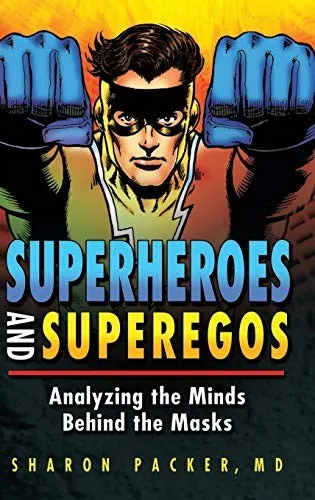
Sharon Packer's 2009 book, "Superheroes and Superegos," examines the psychology behind comic book heroes.
Published in 2009, Sharon Packer's "Superheroes and Superegos" analyzes the psychological foundations of popular superhero figures. The book does not stop at character descriptions; it investigates how these characters mirror and affect public worries and desires. This study is for individuals interested in the connections between psychology, mythology, and popular entertainment. It aims to illuminate the symbolic weight within comic book stories and their impact on the general consciousness.
Packer applies Freudian concepts like the Id, Ego, and Superego to superhero identities. She looks at how these characters manage internal struggles and external demands. The book also considers the hero's typical path and the difficult side of having power and duty. It emerged during a time when superhero films were popular and academic study of comic books was growing. The work builds on earlier psychoanalytic and mythological approaches to popular culture.
This book connects psychological theory to mythological archetypes found in modern popular culture, drawing parallels to Jungian concepts of the collective unconscious and the hero's quest. While not strictly esoteric in the occult sense, it applies frameworks often used in esoteric studies to understand recurring patterns in human consciousness as expressed through narrative. It uses psychoanalytic tools to decode the symbolic language of superhero stories, treating them as modern myths that reveal deeper psychological truths and societal concerns.
💡 Why Read This Book?
• Gain a Freudian perspective on iconic figures like Superman, understanding their internal conflicts through the lens of the Id, Ego, and Superego as detailed in the book's psychoanalytic framework. • Explore the archetypal hero's journey as presented in the context of post-World War II American culture, a specific historical moment highlighted by Packer. • Understand how superhero narratives function as modern myths, reflecting collective anxieties and desires, a concept central to the book's exploration of the "superego" in popular culture.
⭐ Reader Reviews
Honest opinions from readers who have explored this book.
❓ Frequently Asked Questions
What specific psychological theories does Sharon Packer apply in "Superheroes and Superegos"?
The book primarily applies Freudian psychoanalytic theory, examining concepts like the Id, Ego, and Superego. It also touches on Jungian archetypes to analyze the deeper symbolic meanings of superhero characters and their narratives.
When was "Superheroes and Superegos" first published and what was the cultural climate?
Published in 2009, the book emerged during a significant surge in the popularity of superhero films and a growing academic interest in comic book studies, allowing it to tap into a burgeoning field of analysis.
Does the book focus on a specific era of comic book history?
While it analyzes timeless archetypes, the book's examples and context are largely drawn from the Golden and Silver Ages of comics, with a particular focus on characters that rose to prominence in the mid-20th century.
What is the "superego" in the context of this book?
The "superego" refers to the internalized moral standards and ideals derived from parents and society. Packer uses this concept to explore how superheroes embody societal values and how their stories reflect moral struggles.
How does the book connect superheroes to mythology?
The book posits that superheroes function as modern mythological figures, fulfilling similar roles in exploring human nature, morality, and societal ideals, much like ancient gods and heroes.
Is "Superheroes and Superegos" suitable for casual readers or academics?
It bridges both. Casual readers will find accessible insights into beloved characters, while academics will appreciate its structured application of psychoanalytic and mythological theories to popular culture.
🔮 Key Themes & Symbolism
The Heroic Archetype and the Psyche
Packer examines how the classic heroic journey, a concept explored in mythology and psychology, is re-enacted and transformed through superhero narratives. She analyzes how characters like Superman and Batman embody distinct facets of the human psyche, from the primal urges of the Id to the internalized societal norms of the Superego. The work investigates the psychological pressures and moral quandaries faced by these figures, framing them as modern mythological beings grappling with universal human conflicts.
The Superego as Societal Mirror
The book posits that superheroes, in their adherence to justice and moral codes, often represent society's idealized Superego. Packer explores how these characters manifest collective anxieties about order, chaos, and justice. By dissecting the villains they confront, the work reveals societal fears and repressed desires. The 2009 publication context is relevant, as the rise of complex, anti-heroic figures challenged traditional notions of the Superego in storytelling.
Freudian Tropes in Comic Narratives
A central theme is the application of Freudian psychoanalytic concepts to superhero lore. Packer dissects character origins, motivations, and relationships through the lens of the Oedipus complex, the shadow self, and defense mechanisms. The work identifies how these psychoanalytic structures, first theorized in the early 20th century, are deeply embedded in the DNA of comic book storytelling, providing a framework for understanding character development and conflict.
Mythmaking in the Modern Age
Packer argues that superheroes serve a vital function as contemporary myths, fulfilling a need for transcendent figures and moral exemplars in a secularized world. The book connects the enduring appeal of these characters to primal human needs for narrative, meaning, and the exploration of power and responsibility. It positions comic books not merely as entertainment but as a significant cultural force for mythmaking.
💬 Memorable Quotes
Direct passages from the work, attributed to the author.
“The superhero persona often serves as a carefully constructed ego ideal.”
— This suggests that the heroic identity is not just about powers, but about projecting an aspirational self that embodies societal values and personal moral standards, acting as a psychological construct for the character and an ideal for the audience.
“Villains represent the return of the repressed, the societal id unleashed.”
— This interpretation highlights how antagonists in superhero stories often embody primal urges, societal taboos, and hidden anxieties that the heroic "superego" or societal norms attempt to contain and overcome.
“The origin story is crucial for understanding the character's psychic landscape.”
— This emphasizes that a superhero's foundational narrative—the traumatic event, the guiding influence, the moment of transformation—is key to deciphering their underlying psychological motivations and internal conflicts.
“The cape and mask function as a psychic armor, a shield for the vulnerable ego.”
— This interpretation suggests that the iconic costume elements are not just for disguise but serve a psychological purpose, protecting the hero's true self from the harsh realities and internal conflicts they face.
💡 Key Ideas
Editorial paraphrase of the work's core concepts — not direct quotes.
Superman's journey reflects a struggle with divine omnipotence and human fallibility.
This paraphrased concept points to the inherent tension in Superman's character: possessing god-like power yet bound by human morality and societal expectations, creating a unique psychological drama.
🌙 Esoteric Significance
Tradition
While not overtly esoteric, "Superheroes and Superegos" draws heavily from the psychoanalytic tradition, which itself has deeply influenced esoteric thought, particularly Jungian psychology's exploration of archetypes and the collective unconscious. Packer's work can be seen as applying these psychologically-oriented frameworks, which share common ground with esoteric attempts to understand universal human patterns and symbolic language, to modern mythic figures.
Symbolism
The book implicitly explores symbols like the "cape and mask" as representations of psychic armor or the projection of an idealized self (ego ideal). The "origin story" itself functions as a modern creation myth, detailing the emergence of the hero and their symbolic descent into a transformative ordeal before their rise to power.
Modern Relevance
Contemporary thinkers in media studies and psychology continue to apply psychoanalytic and mythological frameworks to analyze evolving superhero narratives. Packer's approach remains relevant for understanding how characters in the current era, often more morally ambiguous than those of the Golden Age, still grapple with the fundamental psychic conflicts she outlines.
👥 Who Should Read This Book
• Students of psychology and mythology seeking to understand the application of Freudian theory to popular culture figures. • Comic book enthusiasts interested in a deeper analytical perspective beyond plot and character, exploring the symbolic and psychological underpinnings of their favorite heroes. • Cultural critics and academics examining the role of archetypes and mythmaking in contemporary society and media.
📜 Historical Context
Sharon Packer's "Superheroes and Superegos," published in 2009, entered a cultural landscape where superhero narratives were experiencing unprecedented mainstream success, largely driven by the burgeoning Marvel Cinematic Universe and DC's continued presence. The book arrived as academic discourse on comic books was maturing, moving beyond niche studies to become a recognized field. Packer's work builds upon the psychoanalytic tradition, echoing earlier attempts to understand mythology and popular figures through the lens of Freud and Jung, figures who had already influenced literary criticism for decades. While not directly engaging with a specific contemporary rival text in its core analysis, its approach implicitly contrasted with more sociological or historical analyses of comics that were also prevalent. The book's reception was within academic and intellectually curious circles interested in pop culture psychology, rather than facing public controversy or censorship.
📔 Journal Prompts
The Superman archetype as an ego ideal: What societal values does this construct embody?
Analyze a personal "villain" through the lens of repressed desires or societal "id."
Reflect on the symbolic meaning of a superhero's "origin story" in your own life narrative.
How does the "cape and mask" function psychologically for both the wearer and observer?
Consider the modern "hero's journey" in relation to the societal "superego" presented in recent media.
🗂️ Glossary
Id
In Freudian psychology, the primitive, instinctual part of the mind that contains sexual and aggressive drives and hidden memories. It operates on the "pleasure principle."
Ego
The part of the mind that mediates between the demands of the Id, the Superego, and reality. It operates on the "reality principle."
Superego
The part of the mind that represents internalized ideals and morals derived from parents and society; the "conscience."
Archetype
A typical or recurring example of a person or thing; in Jungian psychology, a universally understood symbol or motif that recurs in the collective unconscious.
Ego Ideal
The part of the Superego that represents the standards and qualities that a person strives to achieve; an idealized version of oneself.
Repressed
In psychoanalytic terms, the exclusion or inhibition of ideas, feelings, or desires from conscious awareness, often because they are unacceptable or disturbing.
Mythological Framework
The underlying structure, themes, and symbolic patterns found in myths, used here to analyze how superhero stories function in a similar narrative and cultural capacity.
🔮 Readers Also Liked
Browse all →









More by Sharon Packer
All books →
More Free Occult Philosophy Books
View all →