Stuhl-Yoga zur Trauma-Erholung
 76
76

Stuhl-Yoga zur Trauma-Erholung
Elsbeth T Bosch’s Stuhl-Yoga zur Trauma-Erholung offers a much-needed alternative to more demanding trauma recovery modalities. The book’s central premise—that healing can be achieved through gentle, seated movement—is powerfully articulated. Bosch’s strength lies in her meticulous 28-day plan, which progresses logically, building a sense of safety and capability with each session. The emphasis on the parasympathetic nervous system and somatic regulation provides a solid, evidence-informed foundation. A minor limitation might be the book's reliance on the reader's self-discipline to adhere to the daily structure; external support could enhance its efficacy for some. The chapter detailing 'safe mobilization' techniques, particularly the sequences for releasing shoulder tension, is exceptionally well-explained and immediately applicable. Bosch’s approach avoids the clinical jargon that can alienate those suffering, instead opting for language of compassion and embodied wisdom. It stands as a valuable resource for anyone seeking a grounded, accessible path toward healing.
📝 Description
76
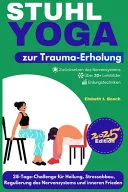
Elsbeth T Bosch's Stuhl-Yoga zur Trauma-Erholung, published in 2025, offers a 28-day program for healing trauma.
This book presents a gentle, structured approach to recovering from traumatic experiences. It outlines a 28-day program designed to calm the nervous system and ease physical symptoms like tension and breathlessness that often accompany trauma. The method focuses on a non-forcing path to healing, aiming to build inner peace and security through accessible movements. It is suited for individuals seeking a mild and supportive way to process past events, especially those who find traditional yoga or intensive therapies difficult. The book offers practical advice for anyone experiencing stress, anxiety, or physical discomfort due to past occurrences. Readers who prefer a slow, mindful progression toward emotional and physical health, emphasizing self-kindness, will find value here. The core principle is 'safe mobilization,' using gentle, seated movements to activate the parasympathetic nervous system and promote a sense of grounding and regulation. It also teaches 'nervous system attunement' through breathwork and deliberate postures to help re-establish a feeling of control.
While presented as a modern therapeutic tool, the book's methods connect to enduring principles of somatic healing. These approaches, which gained prominence in the late 20th and early 21st centuries, explore the body's role in processing psychological distress. Practices like trauma-informed yoga, influenced by figures such as Bessel van der Kolk, represent a contemporary evolution of therapeutic yoga. Bosch's work adapts these concepts, emphasizing a mind-body connection increasingly recognized in spiritual and psychological traditions. It aligns with a growing awareness of how adverse experiences impact physical and emotional well-being.
💡 Why Read This Book?
• You will learn specific, non-strenuous chair-based yoga sequences designed to directly calm your nervous system, a practical skill for managing trauma responses, as detailed in the 'safe mobilization' chapter. • You will feel empowered by a structured, 28-day progressive plan that builds resilience gradually, offering a tangible roadmap to recovery that avoids overwhelming intensity. • You will gain an understanding of how gentle movement, as outlined in the book's approach to 'nervous system attunement,' can help re-establish a sense of internal safety and control.
⭐ Reader Reviews
Honest opinions from readers who have explored this book.
❓ Frequently Asked Questions
Is Stuhl-Yoga zur Trauma-Erholung suitable for complete beginners to yoga?
Yes, the book is specifically designed for beginners and those who may find traditional yoga challenging. The chair-based exercises require no prior experience and focus on gentle, accessible movements for trauma recovery.
What is the primary goal of the 28-day program?
The 28-day program aims to gradually soothe the nervous system, reduce physical tension associated with trauma, and build a sense of internal safety and regulation through consistent, gentle practice.
Does the book require special equipment?
No, the book primarily uses a chair as its main prop. It emphasizes using readily available resources to make the practices accessible to everyone, anywhere.
How does chair yoga differ from traditional yoga for trauma?
Chair yoga, as presented in this book, offers a more grounded and less physically demanding alternative. It focuses on seated postures and gentle movements, making it safer and more accessible for individuals with trauma-related physical limitations or high anxiety.
When was Stuhl-Yoga zur Trauma-Erholung first published?
The book was first published on November 23, 2025, making it a recent contribution to the field of trauma recovery and somatic healing practices.
Can this book help with conditions like anxiety and stress?
Absolutely. The book's techniques for 'nervous system attunement' and 'safe mobilization' are directly aimed at reducing stress and anxiety by calming the sympathetic nervous system and promoting relaxation.
🔮 Key Themes & Symbolism
Gentle Somatic Regulation
This theme explores how specific, gentle movements performed while seated can directly influence the autonomic nervous system. The book details techniques for 'nervous system attunement,' aiming to shift the body from a state of high alert (sympathetic activation) to one of rest and digest (parasympathetic activation). It emphasizes that healing trauma doesn't require intense physical exertion but rather mindful, supportive engagement with the body's innate capacity for self-regulation.
Trauma-Informed Movement
The work applies principles of trauma-informed care to physical practice. Recognizing that traumatic experiences can disrupt one's sense of safety and control, the book prioritizes creating a secure environment for movement. The 'safe mobilization' concept ensures that all exercises are designed to be non-triggering, empowering individuals to reconnect with their bodies without fear or overwhelm, fostering a sense of embodied agency.
Progressive Healing Journey
A central theme is the structured, 28-day progression. This isn't a quick fix but a gradual unfolding of resilience. Each day builds upon the last, introducing subtle shifts in movement and awareness. This phased approach respects the delicate nature of trauma recovery, allowing individuals to integrate changes at their own pace and build a sustainable practice for long-term well-being.
Accessible Self-Care
The book champions the idea that effective self-care for trauma recovery should be readily available. By utilizing a chair as the primary tool, Bosch makes yoga accessible to individuals with physical limitations, chronic pain, or limited mobility. This theme underscores the belief that powerful healing tools can be simple, requiring no special equipment or strenuous effort, just mindful application.
💬 Memorable Quotes
Direct passages from the work, attributed to the author.
“Healing needs gentleness, not force.”
— This core principle highlights the book's philosophy: recovery from trauma is best achieved through compassion and patience, rather than pushing oneself beyond perceived limits. It advocates for a mindful, supportive approach to physical and emotional well-being.
“Discover quiet, grounding, and safe movements.”
— This phrase captures the intended outcome of the program. It suggests that through the guided chair yoga practices, individuals can cultivate a sense of inner stillness, stability, and security within their own bodies.
“Each sequence invites small changes that calm the nervous system.”
— This interpretation emphasizes the book's focus on subtle yet effective interventions. It suggests that even minor adjustments in posture and breath, consistently applied, can lead to significant improvements in emotional and physiological regulation.
“A calm path towards recovery.”
— This succinctly describes the book's promise: a gentle, non-confrontational method for processing traumatic experiences. It positions the chair yoga practice as a supportive guide rather than an arduous challenge.
💡 Key Ideas
Editorial paraphrase of the work's core concepts — not direct quotes.
Small changes that settle the body and mind.
This paraphrased concept underscores the efficacy of minor, consistent actions. It implies that the book's exercises, though simple, are designed to create profound shifts in both physical tension and mental distress.
🌙 Esoteric Significance
Tradition
While not explicitly tied to a single esoteric lineage, Stuhl-Yoga zur Trauma-Erholung draws heavily from the principles of embodied spirituality found in various contemplative traditions. Its emphasis on breathwork, mindful movement, and internal energetic awareness aligns with yogic philosophy and certain forms of Western contemplative practice that seek to unify mind, body, and spirit. The book facilitates an inner exploration, a journey toward self-discovery and healing that is central to many esoteric paths.
Symbolism
The primary symbolic motif is the 'chair' itself, representing a foundation of safety, stability, and accessibility. Unlike the traditional yoga mat which implies a certain physical capability and groundedness, the chair offers support, symbolizing a less demanding, more nurturing approach to the self. The '28-day journey' can be seen as a symbolic cycle, perhaps echoing lunar cycles or periods of significant personal transformation, guiding the practitioner through distinct phases of healing.
Modern Relevance
This work is highly relevant to contemporary somatic therapy, trauma-informed education, and accessible wellness movements. Therapists and educators increasingly seek practical tools to help clients regulate their nervous systems. Thinkers like Gabor Maté, who advocate for understanding the roots of suffering, would find resonance in Bosch's gentle approach. Its focus on simple, replicable techniques makes it valuable for online wellness platforms and community health initiatives aiming to democratize access to mental and emotional well-being resources.
👥 Who Should Read This Book
• Individuals recovering from trauma who find traditional physical therapies overwhelming or inaccessible due to physical limitations, will gain specific, gentle chair-based exercises for nervous system regulation. • Therapists and wellness practitioners seeking to expand their toolkit with trauma-informed, embodied practices will discover practical techniques for 'safe mobilization' and 'nervous system attunement'. • Anyone experiencing chronic stress, anxiety, or physical tension stemming from life experiences can learn a structured, 28-day program to cultivate inner calm and resilience.
📜 Historical Context
Published in 2025, Elsbeth T Bosch's Stuhl-Yoga zur Trauma-Erholung emerges in an era deeply invested in understanding and treating trauma's somatic impact. The late 20th and early 21st centuries saw a burgeoning field of mind-body therapies, moving beyond purely cognitive approaches. Pioneers like Bessel van der Kolk, whose work 'The Body Keeps the Score' (2014) became highly influential, underscored the physiological nature of trauma. Yoga, particularly trauma-informed yoga, gained prominence as a therapeutic modality, with practitioners like David Emerson developing specific protocols. Bosch’s contribution lies in adapting these principles into a highly accessible chair-based format, addressing limitations faced by those who find traditional mat-based yoga inaccessible due to physical constraints or severe dissociation. The work positions itself as a gentle evolution within somatic psychology, making established healing concepts available to a wider audience seeking embodied recovery.
📔 Journal Prompts
Reflect on the sensation of 'safe mobilization' during the seated side stretch.
Consider the concept of 'nervous system attunement' after completing Day 7's breathing exercise.
Document any shifts in physical tension noted during the '28-day progressive journey'.
Explore the feeling of groundedness achieved through the chair as a support.
Describe a moment where the practice fostered a sense of internal safety.
🗂️ Glossary
Stuhl-Yoga
Chair Yoga. A form of yoga adapted for individuals who cannot practice traditional yoga poses due to age, disability, or injury. It focuses on seated postures and gentle movements performed on or around a chair.
Trauma-Erholung
Trauma Recovery. The process of healing from traumatic experiences. This involves addressing the psychological, emotional, and physical effects of trauma to regain a sense of well-being and safety.
Nervensystem-Abstimmung
Nervous System Attunement. Techniques aimed at bringing the autonomic nervous system into balance, particularly shifting from a state of high alert (sympathetic dominance) to relaxation (parasympathetic dominance).
Sichere Mobilisierung
Safe Mobilization. Gentle, controlled movements designed to release physical tension and increase body awareness without triggering a trauma response. Focuses on creating a sense of safety within the body.
Erdende Bewegungen
Grounding Movements. Physical actions or practices that help an individual feel more present, stable, and connected to their physical body and the environment, often used to manage anxiety or dissociation.
28-Tage-Reise
28-Day Journey. The structured, sequential program outlined in the book, designed to guide the reader through incremental steps of healing and resilience-building over a period of four weeks.
Sanftmut
Gentleness/Tenderness. An approach characterized by kindness, patience, and compassion towards oneself, particularly important in the context of trauma recovery where self-criticism can be prevalent.