Stormbringers

 81
81

Stormbringers
Philippa Gregory’s 2013 novel, Stormbringers, attempts to fuse the raw politics of the Wars of the Roses with the clandestine world of 15th-century witchcraft. While Gregory excels at rendering the brutal courtly machinations and the personal struggles of her female protagonists, the integration of the esoteric elements feels less assured. The strength of the book lies in its vivid portrayal of historical figures like Margaret of Anjou and her precarious grip on power. However, the magical underpinnings, while present, often serve more as atmospheric embellishment than integral plot drivers. A particularly striking passage involves the whispers of curses and enchantments used by rival factions, highlighting the pervasive fear of dark arts. The limitation here is the sometimes-thin characterization of the alleged sorceresses, who occasionally feel more like plot devices than fully realized individuals wrestling with genuine supernatural forces. Ultimately, Stormbringers offers an engaging historical narrative with a tantalizing, if somewhat underdeveloped, occult layer.
📝 Description
81
Philippa Gregory's 2013 novel Stormbringers blends 15th-century English history with witchcraft lore.
Stormbringers is a historical fiction novel set during the tumultuous 15th century, a period marked by the Wars of the Roses. Philippa Gregory intertwines the political struggles between the Houses of Lancaster and York with speculative elements of witchcraft and the occult. The narrative centers on women who wielded power and influence during this era, particularly those linked to the dynastic conflicts.
The book examines the societal perception of women's power, often framed through the lens of witchcraft and sorcery. It touches on how belief systems were manipulated for personal advantage and how women navigated patriarchal societies by either possessing or being associated with perceived supernatural abilities. Gregory uses this fictional framework to explore inherited power, both political and mystical, and the public's fascination and fear surrounding influential women.
This novel situates itself within historical fiction that engages with folklore and perceived occult practices of the past. It draws on the historical context of the 15th century, an era where belief in witchcraft and supernatural influence was widespread, particularly concerning women who held any form of societal power. The book explores these beliefs not as definitive proof of magic, but as a lens through which power dynamics and societal anxieties were expressed and understood during that period. It touches upon the historical witch trials and the fear surrounding female agency, framing these through a narrative that acknowledges the historical prevalence of such beliefs without necessarily validating them as literal supernatural events.
💡 Why Read This Book?
• Gain insight into the societal perception of female power and witchcraft during the Wars of the Roses, as depicted through the experiences of characters like Margaret of Anjou. • Explore the historical context of 15th-century England, where political ambition and belief in the supernatural intertwined, influencing the actions of key figures. • Understand how historical fiction can use speculative elements to examine the pressures and perceived abilities of women in patriarchal societies of the past.
⭐ Reader Reviews
Honest opinions from readers who have explored this book.
❓ Frequently Asked Questions
What historical period does Philippa Gregory's Stormbringers cover?
Stormbringers is set during the tumultuous period of the Wars of the Roses, primarily focusing on events in the 15th century in England.
Are the witchcraft elements in Stormbringers historically accurate?
The novel incorporates historical beliefs and accusations of witchcraft prevalent in the 15th century. While Gregory grounds her narrative in historical context, the magical elements are fictionalized interpretations.
What is the central theme explored in Stormbringers?
The book explores themes of female power, political intrigue, and the societal fear and fascination with women perceived to wield supernatural influence during a turbulent historical era.
Who are some of the key historical figures featured in Stormbringers?
Key figures often associated with this period, and likely explored in the novel, include members of the House of Lancaster and the House of York, such as Margaret of Anjou.
Is Stormbringers a sequel to any other of Philippa Gregory's books?
Stormbringers is not explicitly a sequel, but it fits within Gregory's broader body of work focusing on the women of English royal history, particularly during the Tudor and Plantagenet eras.
What makes Stormbringers unique compared to other historical fiction novels about the Wars of the Roses?
Its unique angle is the integration of occult themes and witchcraft into the well-documented political struggles of the 15th century, offering a speculative dimension to the historical narrative.
🔮 Key Themes & Symbolism
Female Power and Persecution
The novel examines the precarious position of women in 15th-century England, where influence, whether political or perceived as supernatural, often led to accusations of witchcraft. Gregory highlights how women navigated patriarchal systems, sometimes by embracing or being associated with occult practices. The narrative questions whether these women were genuine practitioners or merely scapegoats for societal anxieties, particularly during the volatile Wars of the Roses. This theme probes the historical tendency to demonize powerful women, linking their agency to malevolent forces.
The Intersection of Politics and Belief
Stormbringers situates its characters within the intense political field of the Wars of the Roses, where dynastic struggles were paramount. The work explores how prevalent beliefs in magic, curses, and divination were not only accepted but actively used as tools in political maneuvering. Gregory suggests that in an era where faith and superstition were deeply intertwined, the manipulation of these beliefs could offer an advantage, blurring the lines between genuine spiritual practice and calculated deception. This theme underscores the power of narrative and perceived supernatural influence in shaping historical events.
The Nature of Sorcery and Influence
The book looks at the nebulous concept of sorcery as understood in the 15th century. It questions the reality of these powers versus the perception of them, and how such perceptions could grant or deny influence. Gregory portrays women who might have possessed genuine intuitive or psychic abilities, or those who were simply astute observers and manipulators of courtly life, all framed within the discourse of witchcraft. The narrative probes whether 'stormbringers' were literal conjurers of weather or metaphoric figures who commanded significant, often feared, personal power.
Legacy and Historical Memory
Through its exploration of historical figures and events, Stormbringers touches upon how legacies are shaped and remembered. The characters are placed within a context where their actions, and the interpretations of those actions, would define their place in history. The novel implicitly asks how much of a woman's story is told by her contemporaries and how much is filtered through later historical accounts, particularly when accusations of witchcraft are involved. It considers the enduring power of myth and legend in constructing historical memory, especially concerning women of power.
💬 Memorable Quotes
Direct passages from the work, attributed to the author.
“The whispers of witchcraft were as potent as any army in 15th-century England.”
— This interpretation suggests that accusations of magic and dark arts held significant social and political weight, capable of influencing events and reputations as much as military might during the Wars of the Roses.
“A woman's influence was often seen as a dangerous, unnatural force.”
— This concept highlights the patriarchal societal norms of the period, where female agency and power, especially if wielded outside expected roles, were frequently attributed to supernatural or sinister origins, making such women targets of suspicion.
“They called her a sorceress, but perhaps she was merely a woman who understood the hearts of men.”
— This interpretation questions the label of 'sorceress,' proposing that a woman's perceived magical abilities might have been a misinterpretation of her intelligence, intuition, or skill in navigating complex social and political relationships.
“The power to command loyalty was a kind of magic in itself.”
— This concept suggests that the ability to inspire devotion and secure allegiance, a crucial aspect of political power, was viewed by many as akin to supernatural influence during the era.
💡 Key Ideas
Editorial paraphrase of the work's core concepts — not direct quotes.
The storms that raged on the battlefield mirrored the tempests within the court.
This paraphrased idea links the external chaos of the Wars of the Roses to the internal turmoil and treacherous political maneuvering within the royal courts, suggesting a pervasive atmosphere of conflict and instability.
🌙 Esoteric Significance
Tradition
While not strictly adhering to a single esoteric lineage, Stormbringers draws heavily from the historical context of late medieval European folk magic and witchcraft beliefs. This tradition, often persecuted by the nascent Church and state, encompassed a range of practices from herbalism and divination to perceived curses and blessings. The novel engages with the popular conception of witchcraft as a force that could influence worldly events, particularly weather and human affairs, aligning with pre-Christian animistic beliefs that persisted and were often demonized. It represents a fictional exploration of these latent spiritual currents existing alongside established religious dogma.
Symbolism
The 'stormbringer' itself is a potent symbol, representing individuals, often women, perceived to wield control over natural forces or to instigate chaos and upheaval, both literally and metaphorically. This aligns with historical accusations leveled against accused witches. Another key motif is the 'curse,' representing the power of spoken word and intention to inflict harm or influence destiny, a common element in historical witchcraft accusations. The imagery of darkness and shadow also pervades, symbolizing the hidden, the feared, and the unknown aspects of power and influence that women might have wielded or been accused of wielding.
Modern Relevance
Modern practitioners of Neo-Paganism and witchcraft often look to historical portrayals like those in Stormbringers to understand the roots of their traditions and the historical persecution faced by those accused of witchcraft. The novel’s exploration of female power and agency, even when framed through a lens of fear and superstition, appeals to contemporary feminist interpretations of history and spirituality. Thinkers and writers focused on comparative religion and the history of occultism may find the novel a useful, albeit fictionalized, entry point for understanding how magic and power were perceived and contested in the 15th century.
👥 Who Should Read This Book
• Students of the Wars of the Roses seeking a narrative that incorporates speculative occult elements alongside historical events. • Readers interested in the historical understanding and societal impact of witchcraft accusations in medieval Europe. • Fans of Philippa Gregory’s previous works who appreciate her focus on the lives of powerful women within historical settings.
📜 Historical Context
Philippa Gregory’s Stormbringers, published in 2013, is set during the violent and politically charged Wars of the Roses, a series of English civil wars that largely took place in the latter half of the 15th century. This period was characterized by intense dynastic conflict between the Houses of Lancaster and York. The era was also steeped in a pervasive belief in the supernatural, including witchcraft, astrology, and divine providence, which heavily influenced societal perceptions and political discourse. Gregory’s work engages with these beliefs, exploring how notions of witchcraft and sorcery intersected with the brutal realities of medieval power struggles. The historical context is crucial: while figures like Margaret of Anjou were real political players, the novel speculates on the occult influences that might have surrounded them. Contemporary authors like C.J. Sansom, writing historical mysteries set in later periods, also explore the lingering impact of superstition, but Gregory directly confronts its role in shaping the narrative of this specific turbulent period. The reception of such historical fiction often grapples with the balance between documented fact and imaginative embellishment regarding beliefs like witchcraft.
📔 Journal Prompts
The perceived connection between female influence and witchcraft during the Wars of the Roses.
Reflect on the historical belief that women could command storms or sow discord.
Consider the political utility of attributing supernatural powers to rivals in 15th-century England.
Analyze the portrayal of Margaret of Anjou's strategic maneuvering through the lens of perceived magic.
What does the term 'stormbringer' represent in the context of this novel's historical period?
🗂️ Glossary
Wars of the Roses
A series of dynastic civil wars fought between the House of Lancaster and the House of York for control of the English throne, occurring intermittently between 1455 and 1487.
Witchcraft
In the historical context of Stormbringers, this refers to the belief in magical practices, often attributed to women, involving pacts with supernatural forces to cause harm or gain power.
Divination
The practice of seeking knowledge of the future or the unknown by supernatural means, such as scrying, astrology, or reading omens.
Patriarchal System
A social system in which men hold primary power and predominate in roles of political leadership, moral authority, social privilege, and control of property.
Occult
Relating to supernatural, mystical, or magical powers, practices, or phenomena that are hidden or secret.
Folk Magic
A category of magical beliefs and practices based on traditions passed down through generations, often involving natural elements and simple rituals.
Dynastic Struggle
A conflict arising from competition for power or leadership within a ruling family or dynasty.
🔮 Readers Also Liked
Browse all →








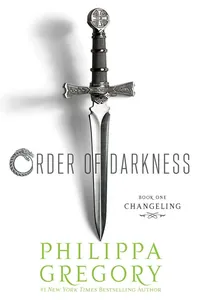
More by Philippa Gregory
All books →

More Free Occult Philosophy Books
View all →