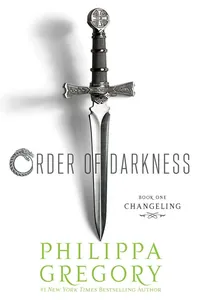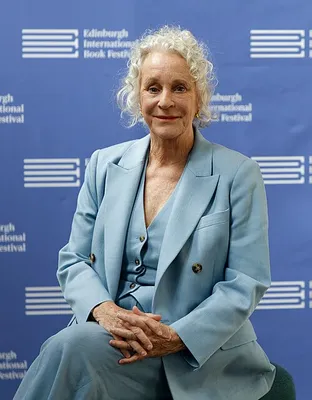
Philippa Gregory is an English historical novelist known for her Tudor-era fiction, including 'The Other Boleyn Girl,' and has also written non-fiction and a play.
Philippa Gregory, born in Kenya in 1954, is an English author primarily recognized for her historical novels, many of which are set in the Tudor period and the 16th century. Her career began in 1987, and she has since published numerous books, with 'The Other Boleyn Girl' (2001) being one of her most celebrated works, adapted into films and winning the Romantic Novel of the Year Award. Gregory's writing often focuses on the lives of historical noblewomen, bringing them to life with what critics describe as "passionately independent life." She holds a Ph.D. in 18th-century literature and has taught at various universities.
Beyond her fiction, Gregory has also written contemporary novels, children's books, and a play. Her non-fiction work 'Normal Women' (2023) examines 900 years of women's lives in England and was critically acclaimed. Gregory's novels are published as historical fiction, and she acknowledges the distinction between history and her artistic interpretations, often including notes for readers seeking further historical context. Despite this, her works have drawn criticism for perceived blurring of fact and fiction. Gregory also runs a charity focused on building wells in The Gambia and was appointed a CBE in 2021 for her contributions to literature and charity.
Literary Career and Themes
Philippa Gregory has established a prolific career as a historical novelist, with a particular focus on the Tudor period and the 16th century, though her works span other historical eras as well. Her novels are noted for bringing to life the perspectives of historical noblewomen, exploring themes of power, land, and personal relationships within significant historical contexts. Works like the Lacey trilogy, beginning with 'Wideacre,' delve into themes of land ownership and familial relationships. Gregory's novel 'A Respectable Trade' addressed the English slave trade in the 18th century and was adapted into a BAFTA-nominated television series. Her most internationally recognized novel, 'The Other Boleyn Girl,' focuses on the Boleyn family and has been adapted into major films, solidifying Gregory's reputation. She has also written extensively about the Plantagenet era and the Wars of the Roses, with series like 'The White Queen' being adapted for television.
Approach to Historical Fiction and Criticism
Gregory positions her novels as historical fiction, often including author's notes to delineate between historical fact and fictional narrative, and providing reading lists for those interested in deeper historical study. She has described her books as a "gateway drug" to history. However, her work has faced criticism from some historians and critics who perceive an intentional blurring of the lines between historical accuracy and artistic license. Critics like David Starkey have described her work as "good Mills and Boon," while others have questioned her claims to historical adherence. Specific portrayals, such as those of Anne Boleyn in 'The Other Boleyn Girl' and Elizabeth of York in 'The White Princess,' have been particularly contentious, with accusations of defamation and misrepresentation of historical figures.
Philanthropy and Public Service
Beyond her literary achievements, Philippa Gregory is actively involved in charitable work. She established and runs 'Gardens for The Gambia,' a charity dedicated to building wells in school gardens in The Gambia. This initiative, started in 1993, aims to provide water for irrigation, enabling schools to grow food for children and cultivate cash crops for resources. The charity has expanded its efforts to include beekeeping schemes, educational workshops, and mechanical boreholes in remote areas. Gregory's contributions to literature and charity were recognized when she was appointed a Commander of the Order of the British Empire (CBE) in the 2021 Birthday Honours.
Key Ideas
- Historical fiction as a gateway to deeper historical study
- Reimagining the lives of historical noblewomen with independent agency
- Exploration of themes such as land, power, and familial relationships within historical settings
Notable Quotes
“the queen of British historical fiction”
“rebel”
“gateway drug”
“we really should stop taking historical novelists seriously as historians”
“good Mills and Boon”
Books by
4 free public domain books · Read online or download