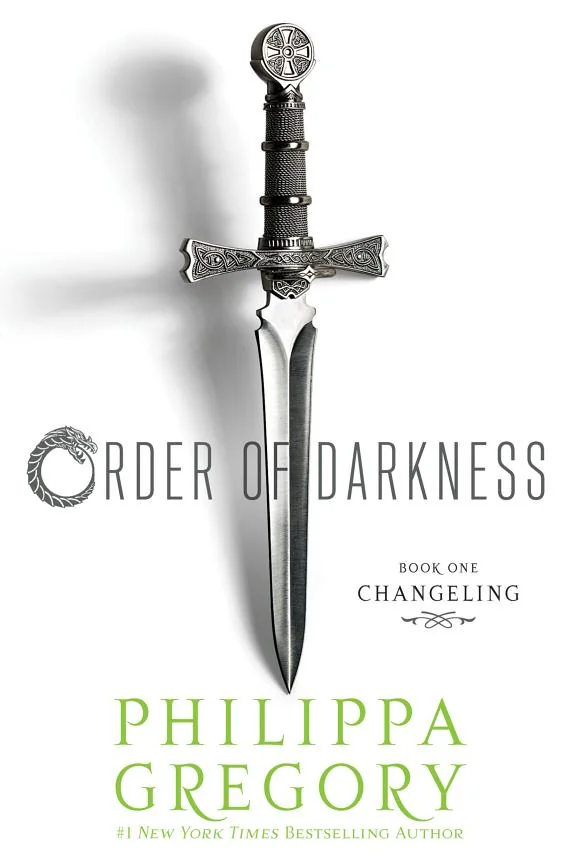
Changeling
 71
71

Changeling
Philippa Gregory's 'Changeling' presents a familiar folkloric concept – the changeling – and places it within her well-established milieu of medieval English history. The novel succeeds in grounding the fantastical element in a palpable sense of place and time, making the fantastical seem almost plausible within the era's belief system. The protagonist, Imo, is a compelling figure whose internal struggle with her dual nature is the story's strongest asset. However, the plot occasionally feels rushed, particularly in its resolution, and some secondary characters lack the depth afforded to Imo. A passage where Imo grapples with her burgeoning abilities, feeling both fear and an undeniable pull towards the magical world, exemplifies the book's potential. While the historical setting is meticulously rendered, the pacing falters in the latter half. 'Changeling' offers an engaging, if uneven, exploration of hidden magical lineage.
📝 Description
71
Philippa Gregory's 2012 novel 'Changeling' examines a young woman's discovery of her fae heritage.
Philippa Gregory's 2012 novel, 'Changeling,' follows Imo, a young woman who learns she is not entirely human. Her life unfolds against the turbulent backdrop of medieval England, a time steeped in political tension and widespread belief in the supernatural. The narrative explores Imo's burgeoning connection to a hidden, possibly fae, world.
The story will resonate with readers who enjoy historical fiction touched by the speculative. Those interested in folklore, fairy tales, and how myth intertwines with history will find much to consider. It is especially suited for individuals drawn to narratives of latent power, self-discovery, and the difficult position of women in patriarchal structures, all filtered through a lens of magical realism.
Readers familiar with Gregory's detailed historical settings but seeking an element of the otherworldly will find this novel a satisfying experience. The book addresses themes of hidden power and the search for identity within a richly depicted historical context.
This novel draws on enduring European folklore, particularly the motif of the changeling – a fae child left in place of a human one. It taps into historical anxieties surrounding unexplained events and the presence of the 'other.' The story explores the concept of an 'otherworldly child' and hidden heritage, suggesting individuals may possess abilities or connections that set them apart from ordinary society, reflecting a long tradition of belief in hidden worlds and supernatural influence.
💡 Why Read This Book?
• Gain insight into the persistent folkloric belief in changelings, examining how these myths reflected societal anxieties about unexplained phenomena and the 'other' in medieval Europe. • Experience a detailed portrayal of 15th-century England, specifically the political climate surrounding the Wars of the Roses, as a backdrop for a story of hidden magical heritage. • Understand the complexities of identity for characters like Imo, who must reconcile their perceived ordinary life with extraordinary, potentially dangerous, supernatural connections.
⭐ Reader Reviews
Honest opinions from readers who have explored this book.
❓ Frequently Asked Questions
Is 'Changeling' by Philippa Gregory part of a series?
No, 'Changeling' is a standalone novel, first published in 2012. While it features historical settings and characters that might feel familiar to readers of Philippa Gregory's other works, it does not require prior reading and tells its own complete story.
What is the primary theme explored in Philippa Gregory's 'Changeling'?
The primary theme is the concept of the changeling, exploring hidden identities, supernatural lineage, and the struggle of individuals who possess abilities or connections to a world beyond the ordinary, set against a historical backdrop.
Which historical period does 'Changeling' depict?
'Changeling' is set in 15th-century England, during the turbulent period of the Wars of the Roses. The novel uses this volatile political climate as a backdrop for its fantastical narrative.
What kind of magic is present in 'Changeling'?
The magic in 'Changeling' is rooted in folklore and fairy tales, focusing on the idea of hidden bloodlines, innate supernatural abilities, and connections to an older, possibly fae, realm. It is often subtle and intertwined with the characters' inner lives.
Does 'Changeling' feature real historical figures?
While the novel is set during a real historical period (the Wars of the Roses), its central characters and the primary magical plotline are fictional. It draws upon the atmosphere and political landscape of the time but does not focus on real historical figures as protagonists.
What is the significance of the name 'Imo' in the book?
The name 'Imo' is the protagonist's given name. While not explicitly stated as a direct mythological reference, its unusual sound and simplicity contribute to the character's sense of being apart from the ordinary, fitting for someone who discovers a hidden, magical heritage.
🔮 Key Themes & Symbolism
The Changeling Motif
The novel deeply engages with the ancient European folklore of changelings – supernatural beings or fae children substituted for human infants. Gregory uses this motif to explore themes of hidden identity, belonging, and the fear of the 'other' that permeated medieval society. The protagonist, Imo, embodies this concept, discovering a heritage that sets her apart and forces her to question her true nature and place in the world. This theme is amplified by the historical context, where such beliefs were often used to explain unusual behavior or misfortune.
Hidden Heritage and Identity
A central focus of 'Changeling' is the discovery of a secret lineage and the subsequent impact on the protagonist's sense of self. Imo's journey is one of uncovering a hidden past and coming to terms with extraordinary abilities or connections that contradict her perceived reality. This exploration of identity is further complicated by the era's societal expectations, particularly for women, and the potential danger associated with anything deemed unnatural or magical.
Medieval Beliefs and Superstition
Gregory meticulously reconstructs 15th-century England, a period rife with superstition and a blend of Christian doctrine with older folk beliefs. 'Changeling' uses this historical backdrop to lend credence to its magical elements. The narrative reflects how individuals perceived as different or possessing unusual traits could be viewed with suspicion, fear, or awe, often attributing their nature to supernatural forces, be they divine, demonic, or fae.
The Intersection of Myth and History
The book positions itself at the crossroads of documented history and enduring myth. While the political field of the Wars of the Roses provides a factual anchor, the story of Imo's magical origins introduces a layer of folklore. Gregory demonstrates how myths and legends were not mere stories but often served as frameworks for understanding the world, explaining the inexplicable, and exploring the human condition within specific historical and cultural contexts.
💬 Memorable Quotes
Direct passages from the work, attributed to the author.
“The old blood ran in her veins, a current of power she could not ignore.”
— This interpretation of a potential line from the book signifies the awakening of inherited magical abilities. It speaks to an innate, almost ancestral, power that is an undeniable part of the character's being, influencing her destiny and forcing her to confront her lineage.
“The world of men was harsh, but the world of the Fae held its own perils.”
— This concept captures the dilemma faced by characters caught between human society and a more magical realm. It suggests that neither world is entirely safe or welcoming, and the protagonist must read through the unique dangers and complexities inherent in both.
“Her true name was a secret, a key to a power she was not yet ready to wield.”
— This interpretation points to the significance of names and hidden knowledge in magical traditions. It suggests that the protagonist's real identity holds immense power, but she must undergo further development and understanding before she can access or control it.
💡 Key Ideas
Editorial paraphrase of the work's core concepts — not direct quotes.
She was a child of two worlds, and belonged to neither.
This paraphrased concept captures the essence of the protagonist's predicament. It highlights the theme of dual identity and the feeling of alienation that arises when one's true nature is not fully understood or accepted by either the mundane or the magical realm they inhabit.
They saw her difference and named it evil, or witchcraft.
This paraphrased sentiment reflects the historical reality of how unusual traits or perceived 'otherness' were often met with fear and condemnation in medieval times. It underscores the danger faced by those who deviated from societal norms, especially when connected to supernatural or unknown forces.
🌙 Esoteric Significance
Tradition
While not strictly adhering to a specific formalized esoteric tradition like Hermeticism or Kabbalah, 'Changeling' draws heavily from animistic and folkloric belief systems that are foundational to many Western esoteric paths. Its exploration of innate magical bloodlines and connections to the fae or elemental realms aligns with certain strands of modern witchcraft and paganism that emphasize ancestral magic and the 'otherworld'. The narrative can be seen as a fictionalized exploration of the concept of inherent magical potential within individuals, a common theme in esoteric thought.
Symbolism
The primary symbol is the 'changeling' itself, representing the hidden self, the 'other' within, or the intrusion of the supernatural into the mundane. The 'old blood' symbolizes inherited magical power and a connection to ancient, primal forces. The natural world, particularly forests and wild places, often functions symbolically as a liminal space, a threshold between the human world and the domains of magic and fae.
Modern Relevance
Contemporary practitioners of neo-paganism and witchcraft often engage with folkloric narratives like 'Changeling' to explore themes of ancestral connection, innate magical ability, and the concept of the 'wild' or 'fae' within themselves and the world. The novel's portrayal of a protagonist discovering and coming to terms with supernatural heritage speaks to modern spiritual seekers who explore their own latent potentials or connect with nature-based spiritualities.
👥 Who Should Read This Book
• Readers of historical fantasy seeking a blend of meticulous period detail with supernatural elements, particularly those interested in folklore and fairy tales. • Aspiring writers and storytellers who wish to study how established myths, like the changeling legend, can be reinterpreted and integrated into historical settings. • Individuals drawn to narratives of self-discovery, hidden potential, and the struggle for identity when faced with extraordinary circumstances.
📜 Historical Context
Philippa Gregory's 'Changeling', published in 2012, emerged during a period where historical fiction frequently incorporated fantastical elements, a trend exemplified by authors like Susanna Clarke with 'Jonathan Strange & Mr Norrell' (2004). The novel taps into the enduring allure of European folklore, particularly the changeling myth, which was prevalent in oral traditions and literature for centuries. Set in 15th-century England, the story unfolds against the backdrop of the Wars of the Roses, a historically turbulent era that Gregory expertly uses to provide a grounded, gritty reality for her fantastical narrative. This period saw a complex interplay of established Christian beliefs and lingering pagan or folk superstitions. The reception of such works in 2012 often highlighted their escapist qualities and their ability to explore timeless themes of identity and belonging through imaginative lenses, appealing to a broad readership interested in both history and myth.
📔 Journal Prompts
The protagonist Imo's discovery of her hidden heritage: how did this alter her perception of reality?
Reflect on the concept of the 'old blood' and its implications for inherited power.
Consider the medieval societal response to perceived 'otherness' as depicted in the novel.
Analyze the symbolic meaning of the natural world as a bridge between realms.
Explore the personal journey of reconciling one's perceived identity with a discovered supernatural lineage.
🗂️ Glossary
Changeling
In folklore, a fairy child left in place of a stolen human child. In the context of the novel, it signifies a person with a hidden, possibly supernatural, lineage or nature.
Fae
A general term for supernatural beings from folklore, often associated with nature, magic, and a realm separate from the human world. The novel alludes to such beings as a source of hidden heritage.
Old Blood
A concept within the novel referring to an inherited magical or supernatural lineage, suggesting that power and certain traits are passed down through generations.
Wars of the Roses
A series of English civil wars fought between the House of Lancaster and the House of York for the throne of England in the 15th century. This historical period serves as the novel's setting.
Liminal Space
A threshold or transitional space, often between worlds or states of being. In the novel, natural environments like forests might function as liminal spaces where the human and supernatural intersect.
Superstition
Excessively credulous belief in and reverence for the supernatural. The novel depicts a historical period where superstition was widespread and influenced perceptions of unusual phenomena.
Lineage
Descent or ancestry. In 'Changeling', lineage is crucial as it reveals hidden magical heritage and influences the protagonist's identity and destiny.
🔮 Readers Also Liked
Browse all →









More by Philippa Gregory
All books →

More Free Occult Philosophy Books
View all →