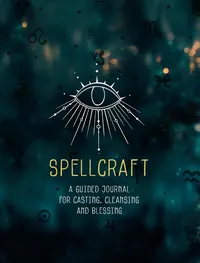
Spellcraft

 82
82

Spellcraft
Robin Skelton’s *Spellcraft* offers a refreshingly pragmatic perspective on magical practice, a welcome antidote to the more theatrical or dogmatic presentations of the occult. The author’s assertion that spellcraft is a skill, not merely an inborn gift, is compelling. He dissects the process into manageable components, emphasizing the importance of concentration and psychic energy. The chapter detailing protection spells, for instance, provides clear, actionable steps that feel grounded in psychological discipline rather than nebulous forces. However, the book’s strict adherence to defining spellcraft solely as 'common magic' can feel somewhat restrictive, potentially overlooking the broader spectrum of ritualistic expression. While Skelton aims to demystify, the prose occasionally leans towards an academic dryness that may not fully ignite the imaginative faculty for some readers. Nevertheless, *Spellcraft* stands as a valuable manual for those seeking a structured, skills-focused introduction to practical magic.
📝 Description
82
Robin Skelton's 1997 book, Spellcraft, presents spell-making as a learnable skill.
Spellcraft, by Robin Skelton, was published in 1997. Skelton frames the creation of magical workings not as an innate gift but as a skill requiring focused psychic energy and concentration. The book details various forms of common magic, distinguishing them from witchcraft or malevolent practices. It emphasizes the practical application of intention and willpower.
This volume is for individuals interested in the practical application of esoteric principles, particularly those seeking to understand the mechanics of common magic. It suits practitioners aiming to refine their spellcraft, students of comparative religion examining ritual's phenomenology, and skeptics curious about belief's psychological underpinnings. Engaging with disciplined mental exercises is necessary.
Skelton's core thesis involves the deliberate cultivation of psychic energy and concentration as primary tools for spellcraft. He breaks down invocations into manageable components, stressing the roles of verbalization and visualization. The book differentiates 'common magic' from darker arts, focusing on applications like blessings, protection, and healing. Spell efficacy is tied to the practitioner's internal state and discipline.
Published in 1997, Spellcraft emerged during a time of renewed interest in esoteric studies. Skelton's work connects to the tradition of practical magic that predates formal witchcraft studies, referencing verbal magic and wish-transmittal. It stands against a backdrop of academic interest in ritual and the growing self-help spirituality market, providing a structured, skills-based method.
💡 Why Read This Book?
• Learn the fundamental principles of spell construction as a skill, focusing on the disciplined use of psychic energy and concentration, as detailed in Skelton's breakdown of invocations and blessings. • Understand the historical lineage of verbal magic, tracing its origins to ancient linguistic practices, a concept explored within the book's historical context chapters. • Acquire practical techniques for common magic, including methods for protection and healing, directly applicable to personal practice as outlined in the specific spell sections.
⭐ Reader Reviews
Honest opinions from readers who have explored this book.
❓ Frequently Asked Questions
What is the primary difference between 'common magic' and other forms of spellcraft discussed by Robin Skelton?
Skelton defines 'common magic' as the practice of invocations, blessings, and protections, emphasizing its learnable skill-based nature. He explicitly differentiates it from witchcraft or 'black arts,' focusing on intention and concentration rather than perceived malevolent forces.
Can anyone learn spellcraft according to Robin Skelton?
Yes, Skelton posits that spellcraft is a skill accessible to anyone with sufficient psychic energy and powers of concentration. The book aims to provide the methods and understanding to develop these capacities for magical work.
What specific types of spells are covered in Spellcraft?
The book is a handbook for invocations, blessings, protections, healing spells, love spells, and binding and bidding. It covers a broad range of common magical applications.
When was Robin Skelton's Spellcraft first published?
Spellcraft by Robin Skelton was first published on May 1, 1997, reflecting a resurgence of interest in esoteric practices during the late 20th century.
Does Spellcraft require prior knowledge of occult traditions?
While prior knowledge can be helpful, Skelton's approach emphasizes the learnable skill aspect of spellcraft. The book provides foundational concepts and methods for those new to the subject.
What role does verbal magic play in Skelton's system?
Verbal magic, described as a form of wishing or transmitting intuitive messages, is presented as fundamental and ancient. Skelton views it as a powerful tool within spellcraft, as old as language itself.
🔮 Key Themes & Symbolism
The Skill of Spellcraft
Skelton meticulously argues that spellcraft is an acquired skill, not an innate gift. He breaks down the process into components that require focused psychic energy and disciplined concentration. This perspective clarifies magic, presenting it as a craft that can be honed through practice. The book's structure reflects this, moving from foundational principles to specific applications like blessings and protections, emphasizing technique over inherent talent.
Verbal Magic and Intent
Central to Skelton's approach is the power of verbal magic, a practice as old as language itself. This theme explores how spoken words, combined with focused intent, can act as vehicles for transmitting energy and manifesting desired outcomes. The book details how carefully chosen words, imbued with psychic energy, form the basis of effective spells, distinguishing this from mere superstition.
Common Magic Applications
The book focuses on 'common magic,' encompassing practical applications such as healing spells, protective wards, and love charms. Skelton distinguishes these beneficial practices from darker arts, positioning them as tools for personal well-being and positive influence. The emphasis is on constructive magic, providing readers with techniques they can integrate into their lives for tangible results.
Psychic Energy Cultivation
A recurring theme is the importance of developing and directing psychic energy. Skelton posits that this energy, coupled with intense concentration, is the engine of spellcraft. The book implicitly guides the reader in recognizing and strengthening their own energetic reserves, essential for the effective execution of the spells and invocations detailed within its pages.
💬 Memorable Quotes
Direct passages from the work, attributed to the author.
“Spell-making is a skill and can be learned by anyone with sufficient psychic energy and powers of concentration.”
— This foundational statement by Skelton frames magic as a discipline, accessible through dedicated practice and the cultivation of inner resources, rather than a mysterious talent reserved for a select few.
“Learn the ancient craft of common magic, which has no connection to witchcraft or the black arts.”
— This clarifies the book's scope, positioning its teachings within a tradition of practical, benevolent magic. It aims to reassure readers by distancing the subject matter from potentially negative connotations associated with other magical practices.
“Verbal magic, a form of wishing or transmittal of intuitive messages, is as old as language itself.”
— This highlights the deep historical roots of the techniques discussed, linking the power of spoken word and focused intention to the very origins of human communication and consciousness.
“The author sets out to prove that spell-making is a skill...”
— This interpretation emphasizes Skelton's pedagogical goal: to provide a structured, accessible method for learning magical techniques, making the practice of spellcraft achievable for a wider audience.
“The book details invocations, blessings, protections, healing spells, love spells, binding and bidding.”
— This succinctly lists the practical categories of spells covered, indicating the handbook's comprehensive nature for those interested in specific applications of common magic.
🌙 Esoteric Significance
Tradition
Skelton's work can be situated within the broader Hermetic tradition, which emphasizes the principle of correspondence and the power of the human mind to affect the material world. While not explicitly Kabbalistic or Theosophical, it shares the Hermetic focus on understanding universal laws and applying them through disciplined practice. It departs from more ritual-intensive traditions by foregrounding individual psychic energy and concentration as the primary drivers of magical effect, aligning with a more psychological interpretation of esoteric principles.
Symbolism
While *Spellcraft* is more focused on technique than symbolic systems, the act of invocation itself serves as a symbolic bridge between the practitioner's will and the desired outcome. The concept of 'psychic energy' can be seen as a modern interpretation of vital force or Aether, a fundamental symbolic concept across many esoteric traditions. The spells themselves, whether for protection or healing, symbolize the practitioner's agency in shaping their reality.
Modern Relevance
Contemporary practitioners of practical magic, particularly those interested in energy work and manifestation techniques, draw upon Skelton's foundational ideas. His emphasis on skill acquisition and psychological discipline speaks to modern approaches to witchcraft and spellcraft that prioritize personal empowerment and focused intent. Thinkers and practitioners in fields like ritual studies and comparative religion also find value in his systematic breakdown of magical processes.
👥 Who Should Read This Book
• Aspiring practitioners of practical magic seeking a structured, skills-based introduction to spellcraft. • Students of esoteric studies interested in understanding the mechanics of common magic and its historical roots in verbal practices. • Individuals curious about the psychological aspects of belief and focused intent, looking for a pragmatic approach to harnessing mental energies.
📜 Historical Context
Robin Skelton's *Spellcraft*, published in 1997, arrived during a period where esoteric literature experienced a significant resurgence, building on the counter-cultural interests of the 1960s and 70s. The work engages with the lineage of practical magic, distinguishing itself from the more formalized witchcraft traditions that had gained prominence. Skelton's emphasis on spellcraft as a learnable skill, rooted in concentration and psychic energy, offers a counterpoint to more intuitive or lineage-based magical systems. While figures like Doreen Valiente were documenting Gardnerian traditions, Skelton focused on the mechanics of common magic. The book's emergence coincided with a growing interest in personal development and self-help spirituality, providing a structured, non-dogmatic framework for those exploring alternative practices. Its reception was likely within circles seeking practical, clarified approaches to magic.
📔 Journal Prompts
The role of concentration in effective spellcraft.
Identifying and cultivating personal psychic energy.
Analyzing the structure of a chosen invocation.
The distinction between common magic and other forms.
Reflections on the power of verbal magic.
🗂️ Glossary
Spellcraft
The art and practice of creating and performing magical workings, viewed by Skelton as a learnable skill requiring psychic energy and concentration.
Common Magic
A category of spellcraft detailed by Skelton, focusing on beneficial applications like blessings, protections, and healing, distinct from witchcraft or darker arts.
Psychic Energy
The internal energetic force or power that Skelton identifies as crucial for the efficacy of spellcraft, needing cultivation and direction.
Concentration
Intense mental focus and unwavering attention, identified by Skelton as a key component alongside psychic energy for successful spell-making.
Invocation
A type of magical working involving calling upon or addressing a force or entity, often through specific words and focused intent, as described in the handbook.
Verbal Magic
The use of spoken words, imbued with intention and psychic energy, as a primary tool for influencing reality or transmitting messages.
Binding and Bidding
Specific forms of spellcraft mentioned, likely referring to spells that restrain unwanted influences (binding) or command desired outcomes (bidding).
This book appears in 1 collection
🔮 Readers Also Liked
Browse all →








From the “Spellcraft” Collection
View all →



More Free Occult Philosophy Books
View all →