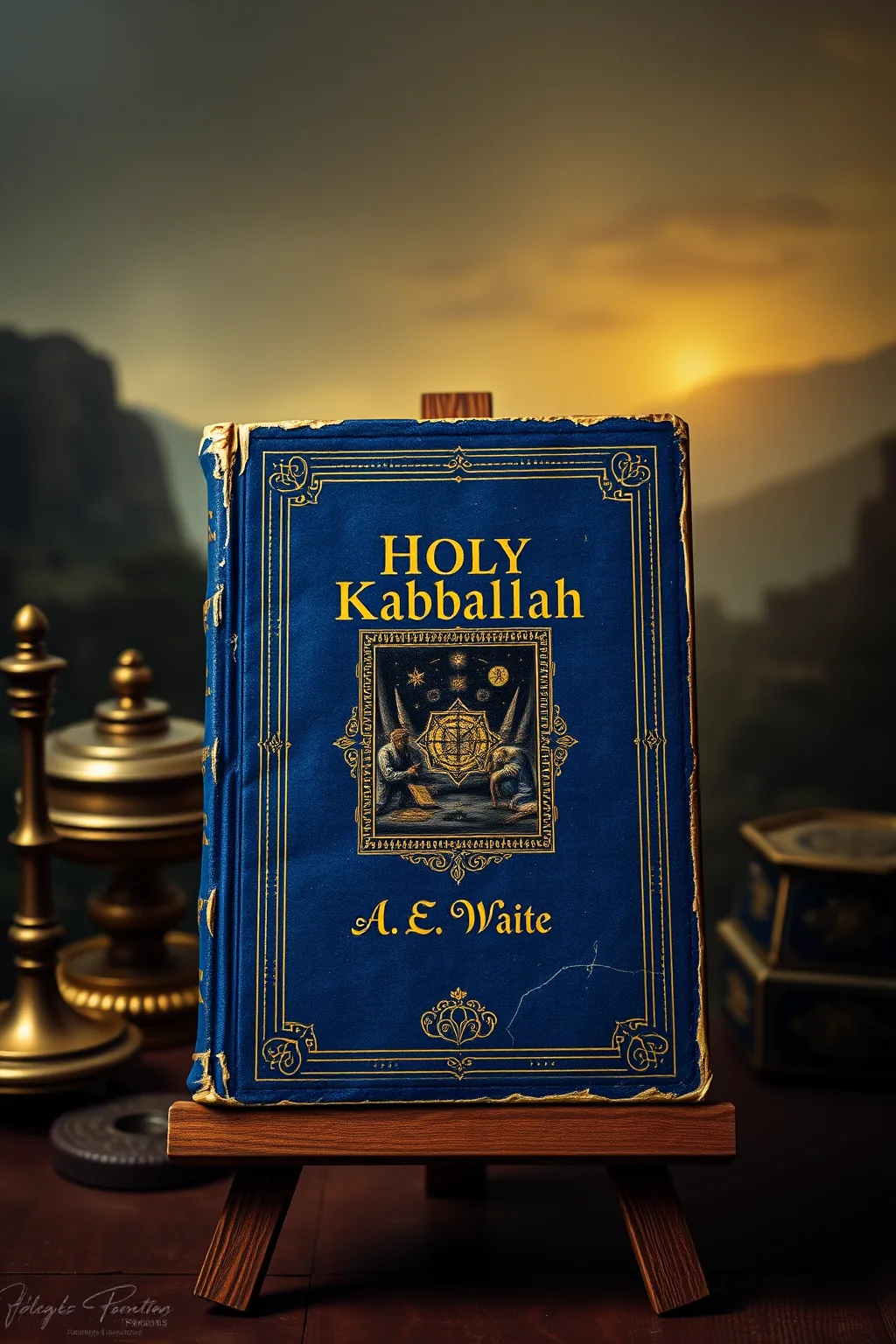
Holy Kabbalah
 62
62

Holy Kabbalah

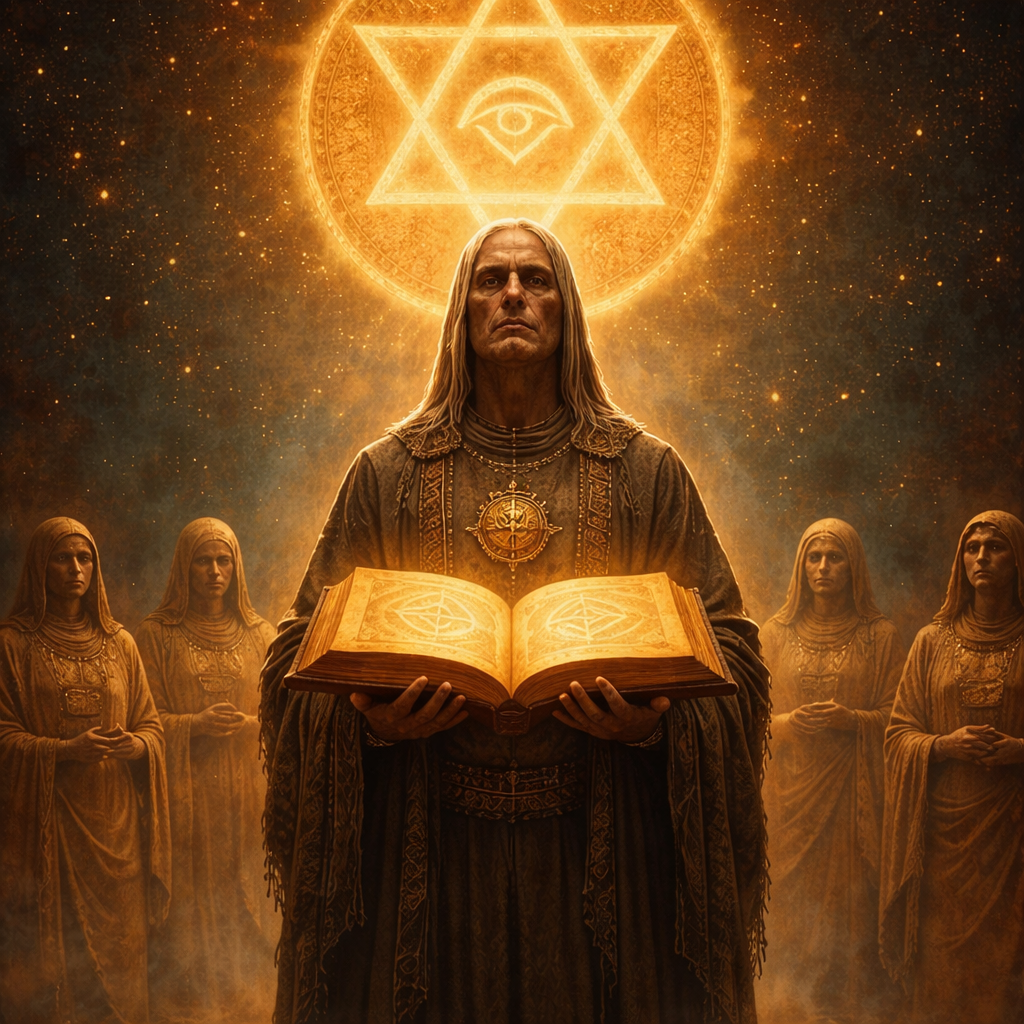

By Balthazar Finch (Senior Critic, Occult Philosophy) — A. E. Waite's 'Holy Kabbalah' stands as a monumental achievement in the exploration of Jewish esoteric traditions. Waite masterfully disentangles the complex doctrines, presenting the Tree of Life and its associated Sephiroth with remarkable clarity. This work is not merely academic; it is a potent conduit for understanding the mystical cosmology and the pathways of spiritual gnosis. Its strength lies in its comprehensive scope and its ability to convey the profound spiritual insights inherent in Kabbalistic thought. An indispensable read for initiates and scholars alike seeking authentic comprehension.
📝 Description
62
A. E. Waite published his study of the Kabbalah in 1909.
This book examines the Kabbalistic tradition, focusing on its symbolic language and philosophical structure. Waite details the Sephiroth, the divine emanations, and the paths of spiritual ascent described within the tradition. He also discusses the use of Gematria, a method of assigning numerical values to Hebrew letters and words, as a key to unlocking deeper meanings.
The work aims to present the Kabbalah not merely as a historical or theological subject, but as a living system of esoteric thought. Waite's prose attempts to convey the sanctity and ancient nature of the teachings. The book is intended for those interested in the deeper currents of occult knowledge and the structure of creation as understood through Kabbalistic cosmology.
Published in the early 20th century, A. E. Waite's work on the Kabbalah sits within the broader Western esoteric revival. This period saw renewed interest in Jewish mysticism, alongside other traditions like Hermeticism and Christian Kabbalah. Waite, a prolific writer on the occult, approached the Kabbalah as a complex system of spiritual symbolism and philosophy, distinct from its purely historical or religious interpretations. His work reflects a common esoteric aim to find universal spiritual truths through ancient texts.
💡 Why Read This Book?
Uncover the foundational principles of Kabbalistic cosmology and spiritual evolution. This book offers a comprehensive exploration of the Tree of Life, its symbolic language, and the mystical pathways to divine understanding. Ideal for serious seekers, scholars of comparative mysticism, and practitioners desiring a deep, well-researched foundation in Jewish esoteric lore.
⭐ Reader Reviews
Honest opinions from readers who have explored this book.
❓ Frequently Asked Questions
What is the primary focus of 'Holy Kabbalah'?
The book primarily focuses on the esoteric teachings and mystical interpretations of Jewish Kabbalah, particularly exploring the Tree of Life and its symbolic meanings.
Is this book suitable for beginners?
While comprehensive, 'Holy Kabbalah' is best suited for those with a foundational interest in mysticism or philosophy. Beginners might find it dense but rewarding with dedicated study.
What role does the Tree of Life play in Waite's exposition?
The Tree of Life is central to Waite's work, serving as the primary map for understanding divine emanation, the structure of the cosmos, and the stages of spiritual ascent.
Does the book delve into practical Kabbalistic exercises?
Waite's approach is more theoretical and philosophical, focusing on the understanding of Kabbalistic principles and symbolism rather than providing direct practical instruction.
What makes this a 'Holy' Kabbalah?
The term 'Holy' emphasizes the sacred, divine, and spiritual nature of the Kabbalah, highlighting its role as a path to understanding God and the mysteries of existence.
🔮 Key Themes & Symbolism
The Tree of Life (Sephirothic Tree)
This central pillar of Kabbalistic thought is meticulously dissected by Waite, presenting the ten Sephiroth as divine emanations and archetypal forces that structure the cosmos and the human soul. Each Sephirah is explored for its unique attributes, correspondences, and its role in the grand cosmic drama of creation and redemption. Understanding the Tree of Life is presented as the fundamental key to unlocking the deeper layers of Kabbalistic wisdom and the pathways of spiritual attainment.
Divine Emanation and Cosmic Creation
Waite explores the profound concept of Ein Sof (the Infinite) and how the divine essence manifests into the multiplicity of existence through a process of emanation. The book illuminates the Kabbalistic understanding of creation as a dynamic unfolding of divine consciousness, exploring the intricate relationships between the primordial unity and the manifest universe. This theme explores the underlying order and purpose behind all phenomena.
Esoteric Symbolism and Gematria
The wide range of Kabbalistic symbolism, particularly within the Hebrew alphabet and scripture, is a core part of Waite's exposition. The book explores the ancient practice of Gematria, the numerical value of Hebrew letters, as a method for uncovering hidden meanings and divine connections within sacred texts. Waite demonstrates how these symbolic keys unlock deeper spiritual insights and reveal the interconnectedness of all things.
💬 Memorable Quotes
Direct passages from the work, attributed to the author.
“The Sephiroth are the paths to the Infinite.”
— Emphasizes the functional role of the Sephiroth as a map or guide for the spiritual aspirant seeking to connect with the ultimate divine source.
“Every letter has a soul and a secret.”
— Speaks to the profound depth and hidden meanings embedded within the Hebrew alphabet, suggesting that even the smallest element holds divine significance.
“Wisdom is the light that guides the seeker.”
— Positions wisdom, particularly the esoteric wisdom found in Kabbalah, as the essential illuminator for those on a path of spiritual exploration.
“The universe is a divine thought made manifest.”
— Captures the Kabbalistic worldview of creation as a conscious act of divine will and imagination, suggesting an inherent order and meaning.
💡 Key Ideas
Editorial paraphrase of the work's core concepts — not direct quotes.
The Kabbalah is a revelation of the divine.
This quote highlights the sacred and spiritual purpose of Kabbalistic study, positioning it as a direct pathway to understanding God's nature and will.
🌙 Esoteric Significance
Tradition
The book is a foundational text for understanding Western Esotericism, specifically its deep roots within Jewish mysticism. It serves as a crucial bridge, translating and interpreting the ancient Kabbalistic tradition for a broader audience interested in occult philosophy, hermeticism, and comparative religion.
Symbolism
Waite meticulously deciphers the intricate symbolic language of Kabbalah, with the Sephirothic Tree at its heart. He explores the profound meanings embedded in Hebrew letters, divine names, and cosmic allegories, revealing how these symbols act as keys to unlock higher states of consciousness and understand the divine architecture of existence.
Modern Relevance
In an age seeking deeper meaning and spiritual grounding, 'Holy Kabbalah' remains profoundly relevant. Its exploration of cosmic order, divine consciousness, and the human soul's journey offers timeless insights into the nature of reality and our place within it, empowering individuals to explore their own inner universe.
👥 Who Should Read This Book
This important work is an essential resource for the dedicated seeker of esoteric knowledge, the serious student of Kabbalah, and the scholar of comparative mysticism. Beginners with a strong philosophical bent will find it a rich, albeit demanding, introduction. Practitioners looking to deepen their theoretical understanding of Kabbalistic principles will benefit from Waite's comprehensive approach. Those interested in the historical development of Western occultism will find Waite's scholarship invaluable.
📜 Historical Context
Written during a period of burgeoning occult revival in the late 19th and early 20th centuries, A. E. Waite's 'Holy Kabbalah' emerged from a fertile ground of esoteric scholarship and renewed interest in ancient mystical traditions. This era saw a significant engagement with Kabbalah by Western scholars and mystics, who sought to integrate its complex symbolism and philosophical ideas into their own spiritual frameworks. Waite, a prolific author and member of the Hermetic Order of the Golden Dawn, aimed to provide a comprehensive and authoritative exposition that would be both scholarly and spiritually informative, bridging the gap between academic study and practical occultism. His work contributed significantly to the popularization and deeper understanding of Kabbalistic concepts in the West.
📔 Journal Prompts
Reflect on the concept of divine emanation as described by Waite. How does this resonate with your understanding of creation?
Choose one Sephirah and contemplate its attributes and correspondences. How might this attribute manifest in your own life or the world around you?
Consider the role of symbolism in Kabbalah. How can understanding symbols unlock deeper meanings in your own spiritual or philosophical pursuits?
Waite highlights the interconnectedness of all things through Kabbalistic principles. How does this perspective influence your view of yourself and your relationship with the universe?
What personal journey of spiritual ascent does the structure of the Tree of Life suggest for you?
🗂️ Glossary
Ein Sof
The Kabbalistic term for the Infinite or the Unmanifest God, the absolute divine essence beyond all comprehension or description.
Sephirah (plural: Sephiroth)
Divine emanations or attributes of God, forming the structure of the Kabbalistic Tree of Life, representing stages in the unfolding of creation and divine consciousness.
Gematria
A method of Kabbalistic interpretation that assigns numerical values to Hebrew letters to reveal hidden meanings and connections within sacred texts.
Tree of Life
The central diagram in Kabbalah, depicting the ten Sephiroth arranged in a specific pattern, representing the structure of the cosmos, the divine emanation, and the path of spiritual development.
Tzimtzum
The Kabbalistic concept of divine self-limitation or contraction, which creates a space for creation to exist, allowing for the emergence of the manifest world from the Infinite.
This book appears in 1 collection
🔮 Readers Also Liked
Browse all →






More by A. E. Waite
All books →


From the “Kabbalah” Collection
View all →





More Free Kabbalah & Jewish Mysticism Books
View all →