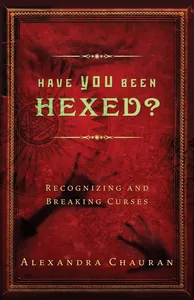
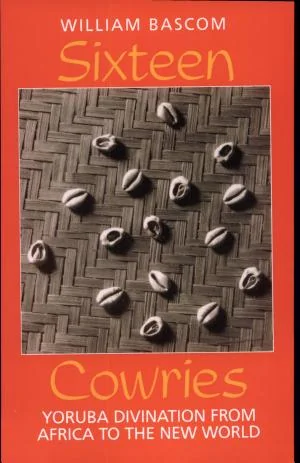
Sixteen Cowries
 82
82

Sixteen Cowries
William W. Bascom's Sixteen Cowries is less a narrative and more a scholarly edifice, presenting the foundational texts of a complex divination system. Its strength lies in its encyclopedic detail and the direct presentation of Yoruba verses alongside English translations, providing an unparalleled resource for serious study. The work meticulously maps out the sixteen principal odù, offering a glimpse into the intricate worldview of the Yoruba people. However, its sheer density can be daunting for the uninitiated. While Bascom's scholarship is evident, the presentation, focused on textual accuracy, occasionally lacks the interpretive flair that might fully convey the living spirit of the divination to a broader audience. A passage detailing the myth associated with the odù 'Ogbè' vividly illustrates the narrative depth embedded within the system, showcasing its ethical and cosmological teachings.
Sixteen Cowries stands as a vital, if austere, scholarly achievement.
📝 Description
82
Published in 1980, Sixteen Cowries presents original Yoruba texts and English translations of a major divination system.
William W. Bascom's Sixteen Cowries meticulously documents a significant Yoruba divination system, presenting both the original Yoruba texts and their English translations. This work details the mechanics and meaning of this complex form of prophecy, which is practiced by both men and women within Nigerian spiritual traditions. It is a primary resource for understanding the sixteen principal figures, or odus, that form the core of the Ifá divination system. Each odù encompasses a wide body of oral literature, including myths, proverbs, and ethical teachings, communicated through the casting of cowries and other methods.
The book describes the divinatory process, the interpretation of signs, and the cosmological framework that underpins these practices. Bascom's research emerged during a time of growing academic interest in African indigenous religions and oral literatures. His work helped establish these traditions as sophisticated systems worthy of serious academic study, contributing to a more informed understanding that moved beyond earlier biases. The book also situates itself alongside concurrent scholarship by figures like Pierre Verger, who also extensively documented Yoruba spiritual life.
Sixteen Cowries illuminates the Ifá divination system, a central practice within Yoruba spirituality. This system utilizes a complex symbolic language derived from the sixteen principal figures, or odus, to access spiritual knowledge and guidance. Each odù is a repository of myths, proverbs, and ethical teachings that inform the worldview of practitioners. The book details how cowrie shells, or other implements, are cast to consult these odus, revealing insights into personal matters, community concerns, and the broader spiritual order. It is an example of a divinatory tradition that relies on a rich oral corpus and a structured cosmology to mediate between the human and divine.
💡 Why Read This Book?
• Gain direct access to the foundational texts of the Ifá divination system, including Yoruba verses and English translations, allowing for a nuanced understanding unavailable in secondary sources. • Understand the historical significance of the 1980 publication, which solidified the academic study of African oral traditions and challenged earlier misconceptions about indigenous belief systems. • Explore the core concepts of the sixteen principal odù, the symbolic language of cowries, and the cosmological underpinnings of a practice central to Yoruba spiritual life and its diaspora.
⭐ Reader Reviews
Honest opinions from readers who have explored this book.
❓ Frequently Asked Questions
What is the significance of the sixteen cowries in Yoruba divination?
The sixteen cowries are central to the Ifá divination system, representing the sixteen primary patterns or 'odus' that a diviner (babaláwo or iyaláwo) interprets. Each odù contains a vast body of oral literature, myths, and prescriptions.
Who was William W. Bascom and what was his contribution?
William W. Bascom was an American anthropologist who extensively researched Yoruba culture. His 1980 publication, Sixteen Cowries, is a landmark for its rigorous documentation and presentation of Yoruba oral traditions, particularly the Ifá divination system, in both original and translated forms.
Is Sixteen Cowries a practical guide for performing divination?
While Sixteen Cowries provides the foundational texts and concepts, it is primarily a scholarly documentation rather than a step-by-step practical manual for performing divination. It offers the theoretical and textual basis for understanding the practice.
What is Ifá divination and where is it practiced?
Ifá is a complex divination system originating with the Yoruba people of Nigeria. It is practiced widely among Yoruba communities and in the African diaspora, including in the Americas and the Caribbean, where it is integral to religions like Santería and Candomblé.
What does 'odù' mean in the context of Sixteen Cowries?
In Sixteen Cowries, 'odù' refers to the sixteen principal chapters or figures of the Ifá divination system. Each odù is a complex symbolic representation containing extensive oral literature, including myths, proverbs, and verses.
When was the first edition of Sixteen Cowries published?
The first edition of Sixteen Cowries by William W. Bascom was published on May 22, 1980. This date marks a significant point in the academic study of African oral traditions.
🔮 Key Themes & Symbolism
The Sixteen Odù
The central organizing principle of the Ifá divination system, the sixteen principal odù form the framework for understanding the Yoruba worldview. Each odù is not merely a sign but a vast repository of cosmic law, ethical teachings, historical accounts, and practical wisdom. Bascom meticulously presents these, offering scholars and practitioners direct access to the primary source material that underpins this ancient practice and its continued relevance in Nigeria and the diaspora.
Oral Tradition and Textualization
Sixteen Cowries grapples with the challenge of preserving and presenting rich oral traditions in a textual format. By providing both the original Yoruba verses and their English translations, Bascom bridges linguistic and cultural divides. This approach acknowledges the performative and contextual nature of the tradition while making its profound narratives and intricate logic accessible to a global audience for study and preservation.
Cosmology and Ethics
Beyond mere fortune-telling, Ifá divination, as documented in Sixteen Cowries, reveals a sophisticated Yoruba cosmology and ethical system. The verses associated with each odù often contain moral exemplars, cautionary tales, and explanations of natural phenomena, all contributing to a coherent understanding of the universe and humanity's place within it. The book allows readers to examine how these narratives shape spiritual and social behavior.
Divination as a System
The work meticulously details the mechanics and symbolic language of Ifá divination. It moves beyond superficial descriptions to explore the underlying logic of how signs are cast and interpreted, and how the corpus of verses relates to specific questions posed by supplicants. This systematic approach underscores Ifá's role not just as a spiritual practice but as a complex intellectual and philosophical system.
💬 Memorable Quotes
Direct passages from the work, attributed to the author.
“Yoruba texts and English translations of a divination system...”
— This concise summary highlights the dual nature of the work: preserving the original language of a spiritual practice while making its content accessible through translation, serving both traditional practitioners and academic researchers.
“...originated in Nigeria and is widely practiced today by male and female diviners in the diaspora.”
— This points to the enduring relevance and geographical spread of the Ifá system, emphasizing its deep roots in Nigerian culture and its significant presence in global spiritual communities, demonstrating its living tradition.
“A significant contribution to the understanding of Yoruba religious belief, magic, and art.”
— This highlights the book's interdisciplinary impact, suggesting its value not only for understanding religious doctrine but also for informative the interconnectedness of belief, ritual practice (magic), and cultural expression (art) within Yoruba society.
“The work explores the sixteen principal figures (odus) of the Ifá divination system.”
— This identifies the core structural element of the divination system documented in the book, signaling that the content is organized around these fundamental symbolic patterns and their associated narratives.
💡 Key Ideas
Editorial paraphrase of the work's core concepts — not direct quotes.
A landmark in research of African oral traditions.
This quote underscores the book's scholarly importance, positioning it as an important contribution to the academic study and validation of indigenous African belief systems and narrative forms.
🌙 Esoteric Significance
Tradition
Sixteen Cowries is intrinsically linked to the Ifá tradition, a complex system of divination and cosmology originating with the Yoruba people of West Africa. While not fitting neatly into Western esoteric lineages like Hermeticism or Kabbalah, Ifá represents a profound esoteric system in its own right, dealing with fate, destiny, and the intricate workings of the universe as understood through a distinct African philosophical framework. It operates as a comprehensive spiritual technology for understanding life's challenges and seeking guidance.
Symbolism
The primary symbolism revolves around the cowrie shell (originally used in divination) and, more importantly, the sixteen principal odù. Each odù is a symbolic figure representing archetypal forces, cosmic principles, and narrative patterns. For example, the odù 'Eji Ogbe' (often associated with the first odù) symbolizes beginnings, creation, and clarity, while others represent conflict, transformation, or ancestral wisdom. The arrangement and interpretation of these odù through the divination process form a sophisticated symbolic language.
Modern Relevance
Contemporary practitioners of Ifá and its diaspora derivatives (like Santería's San Lázaro or Candomblé's Ifá) continue to draw upon foundational texts like those presented by Bascom. Modern scholars of African diasporic religions and comparative spirituality also reference Sixteen Cowries for its detailed documentation. Furthermore, the philosophical concepts embedded within Ifá, concerning balance, destiny, and the interconnectedness of existence, resonate with contemporary interests in holistic wellness, indigenous wisdom, and alternative frameworks for understanding consciousness.
👥 Who Should Read This Book
• Scholars of African religions and anthropology seeking primary source material on Yoruba divination systems. • Practitioners of Ifá, Santería, Candomblé, and other Yoruba-derived spiritual paths interested in the foundational texts and historical context of their practices. • Students of comparative religion and esoteric traditions looking to understand a major non-Western system of divination and cosmology.
📜 Historical Context
Published in 1980, William W. Bascom's Sixteen Cowries arrived at a crucial juncture for the study of African religions. The preceding decades had seen a growing academic interest in African oral traditions, moving away from colonial-era dismissals. Scholars like Jan Vansina had already laid groundwork in the methodology of oral history, and figures such as Pierre Verger were producing extensive ethnographic and photographic documentation of Yoruba life and religion. Bascom's work, however, distinguished itself by focusing intensely on the textual corpus of the Ifá divination system, presenting it with a scholarly rigor that aimed to establish its complexity and validity. It contributed to a broader academic discourse that sought to understand African cosmologies on their own terms, rather than through the lens of Western religious frameworks. The book’s reception, particularly its citation in journals like *African Arts* and *Journal of Religion in Africa*, signaled its importance within the anthropology and religious studies communities, solidifying its place as a key reference point.
📔 Journal Prompts
The cosmological narratives associated with each odù.
The ethical implications presented within the verses of a specific odù.
The role of the diviner in interpreting the sixteen cowries.
The connection between Yoruba religious belief and artistic expression.
How the diaspora has maintained and adapted the Ifá tradition.
🗂️ Glossary
Ifá
A complex divination system originating with the Yoruba people, central to their religious and philosophical worldview. It involves a corpus of oral literature (verses) and a method of casting lots (traditionally cowries or palm nuts) to consult the divine.
Odù
The sixteen principal figures or chapters within the Ifá divination system. Each odù contains a vast body of myths, proverbs, and teachings that are interpreted by a diviner.
Babaláwo
A male priest and diviner in the Yoruba Ifá system. They are highly trained specialists who interpret the messages of the orishas through divination.
Iyaláwo
A female priestess and diviner in the Yoruba Ifá system. While historically less prominent than babalawos in some regions, they hold significant spiritual authority.
Orisha
Deities or spirits in the Yoruba pantheon, each with their own characteristics, domains, and worship practices. Ifá is consulted to understand the will of the Orishas.
Ogbè
The first of the sixteen principal odù in the Ifá divination system. It is often associated with beginnings, creation, and the initial unfolding of existence.
Cowries
Small, hard shells historically used as currency and in divination, particularly in the Ifá system where they are cast to determine which odù is being consulted.
This book appears in 1 collection
🔮 Readers Also Liked
Browse all →








From the “Divination” Collection
View all →





More Free Occult Philosophy Books
View all →