Simply Wicca
 82
82

Simply Wicca
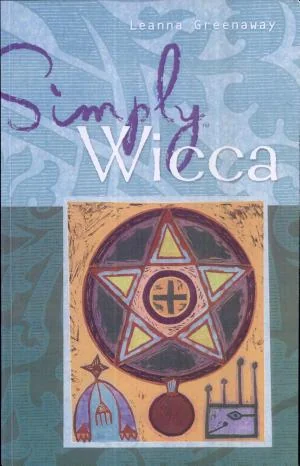
Leanna Greenaway’s Simply Wicca offers a straightforward entry point into a complex spiritual tradition. The book excels in its clear, uncluttered presentation of core Wiccan principles, avoiding the dense jargon that often alienates newcomers. Greenaway’s exposition of the Wiccan Rede, for instance, is commendably direct, emphasizing its ethical weight. However, the work’s brevity, while an asset for accessibility, sometimes feels like a limitation. Concepts like the Coven structure or the nuances of different Wiccan traditions are touched upon but not explored with the depth some readers might desire. A particular strength is the explanation of the Wheel of the Year, which is presented in a way that makes its cyclical significance understandable. Ultimately, Simply Wicca serves as a competent, if somewhat brief, primer for the genuinely curious.
📝 Description
82
Leanna Greenaway's Simply Wicca, published in 2015, aims to demystify Wicca for newcomers.
Published in 2015, Simply Wicca by Leanna Greenaway serves as an introduction to the contemporary Pagan religion of Wicca. The book addresses core practices, beliefs, and ethical principles for individuals unfamiliar with this nature-based spirituality. It explains the fundamental tenets of Wicca without assuming prior knowledge, acting as a clear guide for those curious about the path.
This work is best suited for beginners interested in Wicca or alternative spiritualities, particularly modern witchcraft. Readers seeking practical advice on starting a personal practice, understanding rituals, or learning about the Wheel of the Year will find it helpful. It does not cater to advanced practitioners looking for deep, esoteric studies.
Wicca, which emerged in the mid-20th century, had evolved significantly by 2015 into various traditions with greater public presence. Greenaway's book entered a spiritual landscape influenced by earlier texts and ongoing discussions in Paganism and witchcraft. It reflects Wicca's transition from secretive origins to a more openly practiced and studied religion, offering an accessible entry point into its modern form.
💡 Why Read This Book?
• Learn the foundational ethics of the Wiccan Rede, understanding the principle of 'An it harm none, do what ye will' as a central tenet. • Grasp the significance of the Wheel of the Year, including the eight Sabbat festivals, and how they structure Wiccan practice and celebration. • Gain an accessible overview of Wiccan divinity, specifically the concept of the God and Goddess, as presented in this 2015 publication.
⭐ Reader Reviews
Honest opinions from readers who have explored this book.
❓ Frequently Asked Questions
What is the main purpose of Leanna Greenaway's Simply Wicca?
Simply Wicca, published in 2015, serves as an introductory guide to the contemporary Pagan religion of Wicca, aiming to explain its core beliefs, practices, and ethical framework to newcomers.
Who is the intended audience for Simply Wicca?
The book is designed for individuals new to Wicca and those exploring alternative spiritual paths, particularly those interested in modern witchcraft and nature-based spirituality.
Does Simply Wicca cover Wiccan rituals?
Yes, the work explores the importance of ritual and spellcraft within Wicca, offering explanations of their role in personal practice and spiritual connection.
What ethical guidelines are discussed in Simply Wicca?
A central ethical principle covered is the Wiccan Rede, famously summarized as 'An it harm none, do what ye will,' which guides the actions and intentions of practitioners.
When was Simply Wicca first published?
Simply Wicca by Leanna Greenaway was first published in 2015, reflecting a more established and visible phase of Wicca in the 21st century.
Does the book explain the Wiccan concept of divinity?
Yes, the book addresses the divine polarity often found in Wicca, discussing the concepts of the God and Goddess and their significance.
🔮 Key Themes & Symbolism
The Wiccan Rede
This core ethical guideline, often stated as 'An it harm none, do what ye will,' is presented as the foundational principle for responsible action and magic. The book likely explores its interpretation beyond a simple commandment, touching on personal accountability and the interconnectedness of all beings within the natural world. It represents a commitment to minimizing harm and acting with conscious intent in all endeavors.
The God and Goddess
Simply Wicca introduces the concept of dual divinity, the union of the God and the Goddess, as central to Wiccan theology. This polarity is often seen as representing the masculine and feminine principles, the cycles of life, death, and rebirth, and the immanence of the divine in nature. Their interplay informs rituals and seasonal observances, reflecting a balanced cosmic order.
The Wheel of the Year
The book details the eight seasonal festivals, or Sabbats, that mark the turning of the year: Samhain, Yule, Imbolc, Ostara, Beltane, Litha, Lughnasadh, and Mabon. These celebrations are tied to agricultural cycles and the changing energies of nature, providing a framework for connecting with the earth’s rhythms and marking significant points in the annual solar journey.
Ritual and Spellcraft
Greenaway's work likely explains the practice of ritual and spellcraft within Wicca, presenting them not as arcane secrets but as focused applications of will and energy. It may explain the purpose of ritual for personal transformation and community building, and how spellcraft is used ethically to effect positive change, often in alignment with natural forces.
💬 Memorable Quotes
Direct passages from the work, attributed to the author.
“An it harm none, do what ye will.”
— This is the central ethical tenet of Wicca, emphasizing personal freedom coupled with a responsibility to avoid causing harm to oneself, others, or the environment.
“The Sabbats mark the turning points of the year.”
— This statement captures the essence of the Wheel of the Year, framing the seasonal festivals as crucial markers of natural cycles and cosmic energies.
“Respect for the God and Goddess guides our path.”
— This interpretation emphasizes the reverence for the dual divine forces as fundamental to Wiccan spiritual practice and decision-making.
💡 Key Ideas
Editorial paraphrase of the work's core concepts — not direct quotes.
The divine is both within us and all around us.
This paraphrased concept highlights the immanent and pantheistic nature of divinity in Wicca, suggesting a connection to the sacred found both internally and in the natural world.
Witchcraft is about working with nature's energies.
This paraphrased concept underscores the earth-centered approach of Wicca, viewing magical practice as a collaboration with the forces inherent in the natural world.
🌙 Esoteric Significance
Tradition
Simply Wicca aligns with the broad lineage of modern Western Esotericism, specifically Neo-Paganism and the Craft traditions derived from Gardnerian Wicca. It draws upon nature-based spirituality, cyclical time, and the concept of immanent divinity, departing from more hierarchical or strictly monotheistic esoteric systems. Its accessible format positions it as an entry point into this specific branch of esoteric practice.
Symbolism
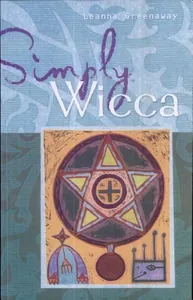
The pentacle, a five-pointed star often with one point up, is a prevalent symbol representing the five elements (Spirit, Earth, Air, Fire, Water) and protection. The Horned God and the Triple Goddess are key divine symbols representing masculine and feminine energies, fertility, and the cycles of life and death. The Wheel of the Year itself symbolizes cosmic order and the sacredness of nature's transformations.
Modern Relevance
Contemporary practitioners of eclectic witchcraft, solitary practitioners, and those interested in earth-centered spirituality often reference introductory texts like Simply Wicca. Its clear presentation of core concepts remains relevant for individuals seeking foundational knowledge before engaging with more specialized or tradition-specific Wiccan literature or practices in the early 21st century.
👥 Who Should Read This Book
• Individuals new to Wicca: Those seeking a clear, jargon-free introduction to the religion's beliefs, ethics, and seasonal celebrations. • Explorers of Paganism: Readers interested in understanding contemporary nature-based spiritualities and their core tenets. • Aspiring Witches: Beginners looking for foundational knowledge on ritual, the Wiccan Rede, and the concept of working with natural energies.
📜 Historical Context
Simply Wicca, published in 2015, enters the discourse on contemporary Paganism at a time when Wicca had long moved past its mid-20th century origins. Gerald Gardner's establishment of the first coven in the early 1950s and the subsequent writings of figures like Doreen Valiente laid foundational mythologies and practices. By the 2010s, Wicca was a recognized religion, widely discussed and often misrepresented in popular culture. Greenaway’s work appears in a landscape influenced by the rise of eclectic Paganism and the internet’s role in disseminating spiritual information. This period saw continued academic interest, with scholars like Ethan Doyle White documenting Wicca's evolution. Unlike earlier eras marked by significant secrecy and potential persecution, 2015 offered a relatively open environment for spiritual exploration, though sensationalism in media persisted.
📔 Journal Prompts
Reflect on the principle of 'An it harm none, do what ye will' in relation to your daily actions.
Consider how the concept of the God and Goddess might inform your understanding of balance.
Map your personal relationship with the current season, considering the cycles of the Wheel of the Year.
What does the term 'Craft' signify to you after reading this introduction?
Explore the idea of immanent divinity in your personal environment.
🗂️ Glossary
Wiccan Rede
The ethical code central to many Wiccan traditions, famously summarized as 'An it harm none, do what ye will,' guiding practitioners to act responsibly and avoid causing harm.
Sabbats
The eight seasonal festivals celebrated by Wiccans, marking key points in the agricultural and solar year, such as Yule, Beltane, and Samhain.
God and Goddess
The dual divine polarity central to Wiccan theology, representing masculine and feminine creative forces and often associated with natural cycles and archetypes.
Craft
A common term used by Wiccans to refer to the practice of witchcraft, emphasizing skill, artistry, and the working of magical energies.
Wheel of the Year
The cycle of eight seasonal festivals (Sabbats) that structure the Wiccan year, reflecting the earth's natural rhythms and transformations.
Pentacle
A five-pointed star, often enclosed in a circle, used as a symbol in Wicca representing the five elements (Spirit, Earth, Air, Fire, Water) and protection.
Immanence
The belief that the divine is present within the world and all living things, a key concept in Wicca's view of divinity.
🔮 Readers Also Liked
Browse all →





More by Leanna Greenaway
All books →

More Free Witchcraft & Paganism Books
View all →