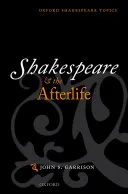
Shakespeare and the Afterlife
 80
80

Shakespeare and the Afterlife
John S. Garrison's meticulous study, Shakespeare and the Afterlife, arrives as a necessary corrective to scholarship that often sidelines the spiritual anxieties shaping the Bard's oeuvre. By focusing intently on the plays' explicit and implicit dialogues with what lies beyond death, Garrison illuminates a dimension often obscured by literary-historical approaches. The book's strength lies in its detailed textual analysis, particularly its exploration of how Catholic notions of Purgatory, though officially disavowed, continued to permeate the cultural imagination and, by extension, Shakespeare's stage. A limitation, however, is that at times the dense theological and philosophical argumentation can feel somewhat removed from the visceral dramatic impact of the plays themselves. The handling of Hamlet's ghost, and the questions it raises about the ghost's true origin and state, serves as a particularly potent example of Garrison's method, revealing layers of interpretive possibility. Garrison offers a vital contribution to understanding Shakespeare not merely as a poet of human emotion, but as a dramatist deeply engaged with the ultimate human questions.
📝 Description
80
John S. Garrison's 2018 book, Shakespeare and the Afterlife, is the first scholarly study focused solely on the Bard's engagement with what comes after death.
This academic work examines how Shakespeare's plays and poems address concepts of the soul, damnation, purgatory, and heavenly reward. Garrison moves beyond simple thematic analysis to investigate the underlying metaphysical assumptions of Elizabethan and Jacobean England. He situates Shakespeare's writings within the complex religious and intellectual environment of the late 16th and early 17th centuries. This era witnessed the persistence of medieval Catholic ideas about purgatory, alongside emerging Protestant objections and Renaissance humanist perspectives. The book shows how these competing spiritual frameworks appear in Shakespeare's dramatic worlds.
The study scrutinizes various afterlife beliefs common in Shakespeare's time. These include lingering Catholic notions of Purgatory, Protestant condemnations of these beliefs, and more esoteric ideas about spiritual change. Garrison analyzes how these concepts are dramatized through the fates of characters, the appearance of ghosts, and discussions of eternal judgment. The result is a detailed perspective on the spiritual currents of the period, designed for serious students of Shakespeare, theologians, and historians of early modern England.
This book engages with the history of Western esotericism by examining beliefs about the soul and post-mortem existence prevalent during the Renaissance. It considers how theological debates, particularly concerning purgatory and salvation, intersected with more speculative ideas about spiritual states and transformation. Garrison traces how these complex spiritual frameworks, often debated and contested, found expression in the dramatic literature of the period, offering insight into the era's broader intellectual currents beyond mainstream religious doctrine.
💡 Why Read This Book?
• Gain a unique perspective on Shakespeare's plays by understanding the specific pre-Reformation Catholic beliefs about Purgatory that continued to influence early modern English thought, as detailed in Garrison's analysis of texts from circa 1590-1610. • Uncover the metaphysical underpinnings of spectral figures in Shakespeare, such as Hamlet's father's ghost, and learn how Garrison interprets their significance beyond mere dramatic devices. • Appreciate the intellectual environment of Elizabethan England by examining how Shakespeare dramatized contemporary debates on the soul's fate, contrasting with the strictly theological interpretations of contemporaries like William Perkins.
⭐ Reader Reviews
Honest opinions from readers who have explored this book.
❓ Frequently Asked Questions
What specific Catholic afterlife beliefs are discussed in Shakespeare and the Afterlife?
The book extensively discusses the concept of Purgatory, a doctrine prominent in pre-Reformation Catholicism, and its lingering influence on the English imagination during Shakespeare's era, despite official Protestant repudiation.
Does John S. Garrison argue that Shakespeare was a secret Catholic?
Garrison does not claim Shakespeare was a practicing Catholic. Instead, he argues that Catholic concepts of the afterlife, particularly Purgatory, remained a potent cultural and imaginative force that Shakespeare masterfully dramatized.
Which Shakespearean plays does the book analyze most closely regarding the afterlife?
Key plays examined include Hamlet, Macbeth, Richard III, and Measure for Measure, with specific attention paid to their spectral characters and eschatological themes.
What is the historical period covered by Garrison's study?
The study primarily focuses on the late 16th and early 17th centuries, the period during which Shakespeare wrote and performed his major works, and a time of significant religious flux in England.
How does this book differ from other Shakespearean criticism?
Unlike traditional literary analyses, Shakespeare and the Afterlife prioritizes the theological and metaphysical frameworks of the era, exploring how specific beliefs about death and the soul shaped dramatic content.
What is the significance of William Perkins in relation to this book?
William Perkins, a prominent Puritan theologian, is mentioned as a counterpoint to the lingering Catholic afterlife beliefs that Garrison argues permeated Shakespeare's work, highlighting the era's theological tensions.
🔮 Key Themes & Symbolism
The Ghostly Realm
The book scrutinizes the portrayal of spirits and specters in Shakespeare's tragedies, moving beyond simple gothic tropes. Garrison examines how figures like Hamlet's father's ghost embody anxieties surrounding the true nature of the afterlife – whether it be a Catholic Purgatory, a Protestant hell, or something else entirely. The ambiguity surrounding these apparitions reflects the era's deep uncertainty about post-mortem existence and divine judgment, offering a lens into the spiritual beliefs of the time.
Purgatory's Lingering Shadow
A central theme is the persistent cultural resonance of Purgatory, a doctrine officially rejected by the Church of England after the Reformation. Garrison argues that this concept, representing a state of purification or suffering after death, profoundly informed Shakespeare's dramatic explorations of justice, repentance, and the soul's journey. The plays often feature characters or situations that echo Purgatorial themes, demonstrating how contested theological ideas shaped artistic expression.
Damnation and Divine Judgment
Shakespeare and the Afterlife explores how the plays grapple with the ultimate consequences of earthly actions, including the concepts of eternal damnation and divine retribution. Garrison analyzes scenes and dialogues that reflect the stark Calvinist views on predestination and hell, as well as more traditional fears of hellfire. This examination reveals Shakespeare's complex engagement with the era's eschatological anxieties and the perceived certainty of God's judgment.
Spiritual Transformation and Salvation
Beyond punishment, the work also investigates Shakespeare's depiction of spiritual redemption and the possibility of salvation. Garrison looks at moments of profound repentance, acts of grace, and the potential for spiritual rebirth within the plays. This theme highlights the tension between damnation and hope, exploring how characters strive for or fall short of eternal peace in the context of early modern theological debates.
💬 Memorable Quotes
Direct passages from the work, attributed to the author.
“The ghost of Hamlet's father is not merely a plot device but a manifestation of unresolved theological questions.”
— This interpretation highlights how Garrison views spectral figures not just as theatrical tools, but as embodiments of the profound spiritual uncertainties and debates concerning the nature of the afterlife prevalent in Shakespeare's England.
“Shakespeare’s drama frequently stages anxieties about the soul’s fate and the reality of divine judgment.”
— This interpretation suggests that Garrison identifies a recurring pattern in Shakespeare's works: the dramatization of contemporary fears and theological discussions surrounding what happens after death and the certainty of God's reckoning.
“The plays often reflect a tension between the Protestant emphasis on faith alone and the lingering Catholic focus on works and repentance.”
— This interpretation indicates Garrison's focus on the theological debates of the era, showing how Shakespeare's characters and narratives sometimes seem to wrestle with the competing doctrines of salvation prevalent in early modern England.
“The spectral presence in Macbeth can be understood as a psychological projection fueled by guilt and a fear of eternal consequence.”
— This interpretation suggests Garrison analyzes the psychological and spiritual dimensions of supernatural apparitions, linking them to the characters' moral failings and their deep-seated dread of post-mortem punishment.
💡 Key Ideas
Editorial paraphrase of the work's core concepts — not direct quotes.
Elizabethan England inherited a rich, if contested, visual and conceptual vocabulary for the afterlife from the medieval Catholic tradition.
This paraphrase points to Garrison's central argument: that despite the Protestant Reformation, Catholic ideas about Purgatory and other post-mortem states continued to significantly influence the cultural imagination and artistic output of the period.
🌙 Esoteric Significance
Tradition
While not strictly aligning with a single esoteric lineage like Hermeticism or Kabbalah, Garrison's work touches upon themes resonant within Western esotericism, particularly the exploration of consciousness beyond physical death and the symbolic representation of spiritual states. It engages with the broader historical currents of spiritual thought that often run parallel to, or intersect with, formal esoteric traditions, examining how metaphysical concepts permeated general culture.
Symbolism
The primary symbols explored are the ghost and the concept of Purgatory itself. Ghosts, in this context, symbolize the liminal space between life and death, the unresolved issues of the soul, and the persistent fear or hope regarding judgment. Purgatory functions as a potent symbol for spiritual purification, trial, and the possibility of eventual redemption, reflecting a complex understanding of divine justice beyond simple heaven or hell.
Modern Relevance
Contemporary thinkers in comparative religion, consciousness studies, and even certain branches of depth psychology find value in Garrison's analysis. His work provides a historical framework for understanding how deeply ingrained metaphysical beliefs shape narrative and cultural expression, offering insights relevant to modern discussions on the nature of the soul, the impact of belief systems on perception, and the enduring human fascination with what lies beyond mortality.
👥 Who Should Read This Book
• Students of early modern English history: To understand the pervasive religious anxieties and debates surrounding death and the soul that shaped the cultural milieu of Shakespeare's time. • Literary critics focusing on Shakespeare: To gain a deeper appreciation of the theological and metaphysical underpinnings influencing the dramatic construction of characters and plots, particularly concerning spectral figures and eschatological themes. • Scholars of Western Esotericism and Religious Studies: To trace the historical influence of contested afterlife doctrines, like Purgatory, on major artistic works and understand their broader cultural significance.
📜 Historical Context
Shakespeare and the Afterlife emerges from the fertile ground of late Elizabethan and early Jacobean England, a period marked by profound religious and intellectual upheaval. The English Reformation had officially severed ties with Rome, yet medieval Catholic beliefs, particularly concerning Purgatory, demonstrably persisted in the popular consciousness and artistic imagination. John S. Garrison positions his work against this backdrop, challenging interpretations that solely focus on Protestant theology. He engages implicitly with scholars who might prioritize the influence of figures like William Perkins, a prominent Puritan theologian whose views on salvation and damnation were starkly defined. Garrison’s meticulous analysis of Shakespeare’s texts, written between approximately 1590 and 1613, reveals how the playwright navigated these competing spiritual currents, dramatizing the ambiguities and anxieties surrounding death and the afterlife in ways that transcended simple doctrinal adherence. The reception of such works often involved navigating sensitive religious territory, though specific censorship events directly tied to afterlife discussions in Shakespeare are less documented than political or moral critiques.
📔 Journal Prompts
The spectral presence of Hamlet's father, and its ambiguous nature.
The enduring concept of Purgatory in Elizabethan England.
Shakespeare's dramatization of divine judgment versus human repentance.
The tension between faith and works in achieving salvation.
The symbolic representation of the soul's journey post-mortem.
🗂️ Glossary
Purgatory
A concept, primarily from medieval Catholic theology, of an intermediate state after death where souls are purified from sin before entering Heaven. Officially rejected by the Church of England, its cultural memory persisted.
Reformation
The 16th-century religious movement that led to the establishment of Protestant churches, challenging the authority and doctrines of the Roman Catholic Church, including its teachings on Purgatory.
Eschatology
The branch of theology concerned with death, judgment, and the final destiny of the soul and of humankind. In Shakespeare's context, it relates to beliefs about the end times and the afterlife.
Spectral Figures
Apparitions, ghosts, or spirits appearing in literary works. In Shakespeare, these figures often carry significant theological weight, raising questions about their origin and the state of the afterlife they represent.
Calvinism
A major branch of Protestantism founded by John Calvin, emphasizing God's sovereignty, predestination (the doctrine that God has foreordained all events, including salvation), and a strict moral code.
Liminal Space
A transitional or in-between state or place. In the context of afterlife beliefs, it refers to the ambiguous condition between life and death, or between earthly existence and eternal destiny.
Theological Debate
Discussions and disagreements concerning religious doctrines and beliefs, particularly relevant to the period's contrasting views on salvation, damnation, and the nature of the afterlife.