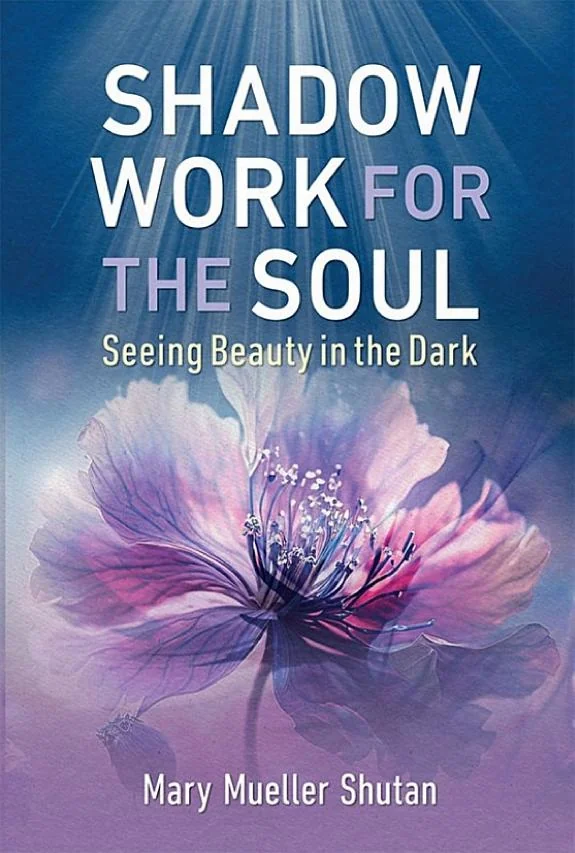
Shadow Work for the Soul
 71
71

Shadow Work for the Soul
Mary Mueller Shutan's "Shadow Work for the Soul" is a rigorous manual for confronting the disowned parts of the self. The book's strength lies in its systematic approach, offering concrete exercises that move beyond abstract theory. I found the section on "online shadows" particularly prescient, a concept rarely addressed in depth within traditional shadow work literature. However, the sheer volume of techniques, while comprehensive, could feel overwhelming for absolute beginners without dedicated guidance. The discussion of collective shadows, while valuable, sometimes leans into assertion rather than detailed analysis. Ultimately, Shutan provides a practical, if demanding, pathway to self-understanding for the dedicated seeker.
📝 Description
71
Mary Mueller Shutan's 2020 book guides readers through integrating the shadow self.
This book examines the psychological concept of the shadow, an aspect of the self formed by life experiences that influences our perceptions and actions. Shutan moves past simple identification of this hidden self, offering practical methods for its integration. The work is for individuals committed to serious self examination, especially those with an interest in Jungian psychology and its real world use.
Readers seeking to understand the origins of their reactions, emotional habits, and relationship patterns will find this book helpful. Those already familiar with therapeutic ideas and psychological models will gain particular value. The book discusses how unconscious projections of one's shadow onto others cause conflict and misunderstanding. Shutan details various tools, such as exercises for emotional awareness and self reflection, intended to make these projections conscious. The text also covers collective shadows, applying the concept to social and digital environments.
The concept of the shadow, first detailed by Carl Jung in the early 20th century, draws on earlier psychological and philosophical ideas. Shutan’s work builds on this history, updating Jungian principles for today’s world. It acknowledges how psychological understanding has progressed since Jung first described these concepts. The book focuses on the practical application of these ideas for personal growth.
💡 Why Read This Book?
• Understand how your personal shadow manifests in specific interpersonal conflicts, a concept explored through Shutan's detailed explanation of projection. • Acquire a diverse toolkit of shadow work practices, including emotional intelligence exercises and self-inquiry, to begin integrating your shadow self. • Grasp the concept of collective shadows, including the novel idea of "online shadows," which extends psychological analysis to digital environments.
⭐ Reader Reviews
Honest opinions from readers who have explored this book.
❓ Frequently Asked Questions
What is the "shadow" according to Mary Mueller Shutan?
Shutan defines the shadow as the unconscious aspect of the personality that the conscious ego does not identify in itself. It encompasses repressed desires, instincts, and weaknesses, often projected onto others.
How does the book differ from general self-help guides?
Unlike generic self-help, "Shadow Work for the Soul" is grounded in psychological theory, specifically Jungian concepts, and offers structured exercises for deep inner work, focusing on identification and integration of unconscious material.
Can "Shadow Work for the Soul" help with relationship issues?
Yes, the book explains how reactivity to specific people reflects projected shadow aspects. By understanding your own shadow, you can improve relational dynamics and reduce conflict stemming from unconscious projections.
What are "collective shadows"?
Collective shadows refer to the unconscious, unacknowledged aspects shared by groups, societies, or cultures. Shutan extends this to modern phenomena like "online shadows," concerning shared digital behaviors and beliefs.
Is this book suitable for someone new to shadow work?
While comprehensive, the book is best suited for individuals already familiar with psychological concepts or those committed to intensive self-study. Beginners might find the depth of techniques challenging without prior context.
What kind of exercises are included in the book?
The book presents a variety of shadow work tools, including emotional intelligence exercises, self-inquiry practices, and methods for identifying and releasing shadow-related traumas.
🔮 Key Themes & Symbolism
The Shadow Self
This theme centers on the psychological concept of the shadow, the repressed or unacknowledged parts of the psyche. Shutan details its development, its unconscious influence on behavior, and its projection onto others. The work explores how identifying these hidden aspects is crucial for self-awareness and psychological wholeness, drawing parallels to Jungian psychology's foundational ideas about the unconscious.
Projection and Reactivity
A core concept is how our shadow aspects are often projected onto people and situations, leading to intense emotional reactions. The book provides frameworks for recognizing these projections, understanding that strong dislikes or attractions can signal unintegrated shadow material. This section emphasizes the link between external triggers and internal, unconscious dynamics.
Tools for Integration
This theme focuses on practical methods for engaging with the shadow. Shutan offers a range of exercises, from emotional intelligence practices to deep self-inquiry. The goal is not to eliminate the shadow but to acknowledge, understand, and integrate its energy constructively, thereby releasing associated traumas and patterns.
Collective and Online Shadows
Expanding beyond the individual psyche, the book examines collective shadows—shared unconscious elements within groups and societies. It uniquely addresses the emerging concept of "online shadows," exploring how digital spaces can amplify or reveal these collective unconscious dynamics and societal blind spots.
💬 Memorable Quotes
Direct passages from the work, attributed to the author.
“Your reactivity to specific people and situations reflects the ways you project your shadow onto others.”
— This statement highlights the core mechanism of shadow projection. It suggests that strong emotional responses to external stimuli are often indicators of unacknowledged aspects within ourselves, serving as a key diagnostic tool for shadow work.
“Presents a wide variety of shadow work tools, emotional intelligence exercises, and self-inquiry practices.”
— This points to the book's practical nature. It's not just theoretical but offers actionable techniques designed to help readers actively engage with and integrate their shadow, moving from awareness to practical application.
“Explores the concept of collective shadows, including online shadows.”
— This indicates the book's contemporary relevance, extending traditional shadow work to societal and digital phenomena. It acknowledges that unconscious dynamics operate not just individually but also within groups and online communities.
“Heal and release any shadow-related traumas.”
— This emphasizes the therapeutic potential of shadow work. By confronting and integrating the shadow, individuals can address deep-seated emotional wounds and traumas that have been unconsciously influencing their lives.
“How your shadow develops.”
— This phrase suggests the book offers a developmental perspective on the shadow. It aims to explain the origins of this psychological construct, providing readers with an understanding of how their own shadow came to be.
🌙 Esoteric Significance
Tradition
While rooted in analytical psychology, Shutan's work engages with the broader esoteric tradition of self-knowledge and integration. It echoes Gnostic principles of confronting the lower self and Hermetic ideals of "as above, so below" by linking inner psychological states to outer experiences. The focus on shadow integration can be seen as a modern, psychological interpretation of alchemical processes, particularly the dissolution and reformation of psychic material.
Symbolism
The "shadow" itself functions as a primary symbol, representing the hidden, repressed, or rejected aspects of the self. Shutan's exploration of "projection" acts as a symbolic mechanism, illustrating how these hidden elements are cast outward. The concept of "online shadows" introduces a modern symbolic layer, linking the ancient idea of the hidden self to the digital realm and its collective unconscious manifestations.
Modern Relevance
Contemporary thinkers and practitioners in areas like transpersonal psychology, depth psychology, and even certain mindfulness movements draw implicitly or explicitly on shadow work principles. Shutan's work connects with modern therapeutic modalities that emphasize authenticity and integration, and its discussion of collective and online shadows is particularly relevant to current discourse on social media, collective trauma, and digital identity.
👥 Who Should Read This Book
• Individuals engaged in Jungian psychology or depth psychotherapy seeking practical tools to complement theoretical knowledge. • Therapists and counselors looking for exercises and frameworks to guide clients through shadow integration processes. • Anyone experiencing persistent patterns of reactivity, conflict, or self-sabotage and seeking a structured method for self-understanding.
📜 Historical Context
Mary Mueller Shutan's "Shadow Work for the Soul" emerges within a contemporary resurgence of interest in Jungian psychology and depth work, building upon foundations laid by Carl Jung himself in the early 20th century. While Jung first articulated the concept of the shadow in works like "Psychological Types" (1921), Shutan's approach updates this by incorporating more recent understandings of emotional intelligence and extending the analysis to digital spaces. The book arrives in an era where psychological self-help is a major industry, often competing with more spiritual or esoteric traditions. Unlike the initial reception of Jung's work, which sometimes faced academic skepticism, contemporary shadow work literature benefits from a broader cultural acceptance of psychological exploration. Shutan’s contribution is notable for its direct engagement with the practical application of shadow work, particularly its inclusion of "online shadows," a novel concept reflecting current societal concerns.
📔 Journal Prompts
Reflect on a recent strong emotional reaction and identify potential shadow projections.
Analyze the development of your personal shadow based on early life experiences.
Explore the concept of collective shadows in relation to current societal issues.
Document instances of "online shadows" observed in digital interactions.
List five shadow-related traumas and outline steps for their release.
🗂️ Glossary
Shadow
The unconscious aspect of the personality that the conscious ego does not identify in itself. It contains repressed desires, instincts, and weaknesses that are often projected onto others.
Projection
The psychological process by which an individual attributes their own unacceptable thoughts, feelings, or impulses to someone else.
Reactivity
An intense or disproportionate emotional or behavioral response to a specific stimulus, often indicating an underlying unconscious issue.
Emotional Intelligence
The capacity to be aware of, control, and express one's emotions, and to handle interpersonal relationships judiciously and empathetically.
Self-Inquiry
A practice of asking oneself introspective questions to gain insight into one's own thoughts, feelings, motivations, and beliefs.
Collective Shadow
The unconscious, unacknowledged aspects shared by groups, societies, or cultures, influencing their collective behavior and beliefs.
Online Shadow
The manifestation of collective shadow dynamics within digital spaces, reflecting shared unconscious patterns in online interactions and communities.
This book appears in 2 collections
🔮 Readers Also Liked
Browse all →








From the “Shadow Work” Collection
View all →




More Free Occult Philosophy Books
View all →