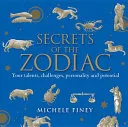
Secrets of the Zodiac
 84
84

Secrets of the Zodiac
Michele Finey’s *Secrets of the Zodiac* offers a welcome departure from the often-simplistic astrological fare. Instead of mere horoscopes, Finey engages with the zodiacal archetypes as distinct developmental phases, each presenting unique priorities, challenges, and learning opportunities. The strength of the book lies in its psychological depth, moving beyond generic traits to examine the core missions and inherent struggles associated with each sign. A particularly insightful section discusses how certain placements push individuals out of their comfort zones, fostering necessary growth. However, the book’s utility might be somewhat limited for absolute beginners due to its reliance on established astrological concepts without extensive foundational explanation. While it excels at providing a framework for self-understanding, the practical application for chart interpretation could be more extensively detailed. Nevertheless, Finey’s work provides a valuable lens for anyone seeking a more profound understanding of astrological influences on personal evolution.
📝 Description
84
Michele Finey's 2010 book, Secrets of the Zodiac, moves beyond sun-sign basics.
Published in 2010, Secrets of the Zodiac offers a detailed look at the twelve astrological signs. Finey's work examines the deeper psychological and developmental aspects of each sign, aiming to illuminate core motivations, life path, relational dynamics, areas of difficulty, and learning opportunities for an individual.
The book presents astrology as a framework for personal growth and understanding the challenges that shape one's life, rather than solely as a predictive tool. It is intended for those with a serious interest in astrology, especially readers who have moved beyond basic sun-sign descriptions and want to understand their birth charts more thoroughly. Self-explorers, aspiring astrologers, and individuals interested in how astrological archetypes appear in personal challenges and life missions will find value here. The book connects astrological principles with tangible life experiences and personal development.
Finey's work, released in 2010, reflects the growing influence of psychological astrology. This approach builds on earlier contributions from figures like Dane Rudhyar and Liz Greene, who integrated astrological symbolism with developmental psychology. While popular astrology often stayed superficial, authors like Finey sought to engage with deeper archetypal meanings. This period also saw flourishing online communities dedicated to astrological discussion, facilitating the spread of complex ideas. The book aligns with a broader trend of merging esoteric knowledge with modern psychological frameworks.
💡 Why Read This Book?
• Gain insight into your core life mission as defined by your specific zodiacal blueprint, moving beyond surface-level personality traits to understand your fundamental priorities and purpose. • Identify areas where you are naturally out of your comfort zone, as explored in Finey's detailed analysis of each sign's inherent challenges and learning edges. • Understand the specific developmental struggles and necessary lessons indicated by your zodiacal placement, offering a practical roadmap for personal growth and self-awareness.
⭐ Reader Reviews
Honest opinions from readers who have explored this book.
❓ Frequently Asked Questions
What is the primary focus of Michele Finey's 'Secrets of the Zodiac'?
The book focuses on a psychological and developmental understanding of the twelve zodiac signs, exploring each sign's unique life mission, priorities, comfort zones, struggles, and learning opportunities within a lifetime.
When was 'Secrets of the Zodiac' first published?
Michele Finey's 'Secrets of the Zodiac' was first published in 2010, reflecting a more contemporary approach to astrological interpretation.
Does this book offer traditional horoscopes for each sign?
No, it moves beyond traditional sun-sign horoscopes to offer a deeper psychological analysis of the archetypal energies and developmental stages represented by each zodiac sign.
Who is the intended audience for 'Secrets of the Zodiac'?
The book is aimed at readers with a serious interest in astrology, particularly those seeking a nuanced, psychological perspective on the zodiac and its role in personal growth and life paths.
How does the book explain astrological 'struggles'?
It frames 'struggles' as inherent challenges or areas of discomfort associated with a specific zodiacal energy, which, when understood and addressed, become crucial opportunities for learning and development.
What makes this book different from other astrology books published around 2010?
It distinguishes itself by integrating astrological concepts with psychological frameworks, emphasizing developmental stages and life missions rather than purely predictive or superficial descriptions of zodiac signs.
🔮 Key Themes & Symbolism
Life Missions and Priorities
Finey posits that each zodiac sign represents a fundamental 'life mission' and a set of core priorities. This isn't about career or superficial goals, but about the essential purpose an individual is meant to explore and embody. For instance, Aries might be tasked with initiating and asserting, while Cancer's mission could revolve around nurturing and emotional security. Understanding these inherent directives, as outlined in the book, helps individuals align their actions with their deepest existential purpose, moving beyond societal expectations to embrace their archetypal calling.
Comfort Zones and Growth Edges
A central theme is the concept of the 'comfort zone' as defined by one's zodiacal placement. The book details where each sign naturally thrives and where it encounters inherent discomfort or unfamiliarity. These 'out of comfort zone' areas are not presented as weaknesses but as vital territories for learning and personal evolution. Finey suggests that confronting these edges, rather than avoiding them, is key to unlocking deeper potential and integrating the full spectrum of one's astrological inheritance.
Archetypal Struggles and Lessons
The work examines the specific struggles associated with each sign, framing them as essential lessons for spiritual and psychological development. These struggles are not random misfortunes but archetypal challenges inherent to the sign's energy. For example, Leo's struggle might involve balancing self-expression with ego, while Virgo's could relate to perfectionism versus acceptance. By recognizing these patterns, readers can approach their difficulties with greater insight, understanding them as catalysts for growth rather than insurmountable obstacles.
Interpersonal Dynamics
Finey explores how the distinct energies of the zodiac signs influence interactions with others. Each sign has a particular way of relating, communicating, and perceiving the world, which can lead to both harmony and friction when meeting other signs. The book provides a framework for understanding these dynamics, helping readers recognize how their own zodiacal tendencies shape their relationships and how they can better read through the diverse energies of those around them. This offers a lens for improving communication and empathy.
💬 Memorable Quotes
Direct passages from the work, attributed to the author.
“Each sign of the zodiac reveals where you are out of your comfort zone.”
— This statement highlights a core concept: astrology isn't just about inherent strengths but also about areas that challenge us. Finey suggests that our zodiacal archetype points to specific terrains where we are less naturally inclined to tread, and it's in exploring these unfamiliar territories that significant personal growth occurs.
“Discover your life mission and priorities.”
— This phrase captures the book's aim to provide readers with a deeper understanding of their fundamental purpose. It implies that astrology offers a blueprint not just for personality, but for the overarching goals and values that should guide an individual's existence.
“What you most need to learn this time around.”
— This interpretation suggests that astrology, as presented by Finey, is a tool for understanding our current developmental trajectory. It implies that our birth chart indicates specific lessons we are meant to learn in this lifetime, guiding our spiritual and psychological evolution.
“The book explores what you struggle with.”
— This refers to Finey's examination of the inherent challenges or difficult lessons associated with each sign. It suggests that astrology can illuminate recurring patterns of struggle, providing a framework for understanding and working through them.
💡 Key Ideas
Editorial paraphrase of the work's core concepts — not direct quotes.
How you interact with others is shaped by your sign.
This paraphrased concept underscores the relational aspect of astrology. Finey suggests that our zodiacal energy influences our communication styles, our expectations in relationships, and how we perceive and respond to others, offering insights into interpersonal dynamics.
🌙 Esoteric Significance
Tradition
Finey's work operates within the framework of modern psychological astrology, a lineage that significantly diverts from older, more divinatory or fate-oriented traditions. It draws heavily on Jungian psychology, particularly concepts like archetypes and the individuation process, applying them to the zodiacal symbols. While rooted in the ancient system of the twelve signs, its interpretive lens is contemporary, focusing on personal development and self-understanding rather than external prediction or esoteric dogma. It represents a sophisticated evolution of astrological thought, seeking to make its wisdom accessible through the language of modern psychology.
Symbolism
The primary symbols are the twelve zodiac signs themselves, each representing a distinct archetype and developmental stage. Finey interprets these not just as cosmic influences but as representations of psychological complexes and life lessons. For example, the symbol of Aries signifies initiation, courage, and the drive to begin, while the symbol of Cancer represents nurturing, emotional security, and the home. The book explores how these archetypal energies manifest as individual priorities, comfort zones, and inherent struggles, offering a symbolic map of the human psyche's journey.
Modern Relevance
Contemporary practitioners of psychological astrology and self-help communities focused on personal growth frequently engage with works like Finey's. Thinkers exploring archetypal psychology and individuation often find value in her interpretations. Furthermore, online astrology platforms and modern astrological educators often reference or adapt the psychological frameworks Finey employs. Her approach helps bridge the gap between ancient astrological systems and the modern desire for self-awareness and psychological integration, making it relevant for current trends in wellness and self-discovery.
👥 Who Should Read This Book
['• Individuals seeking a deeper psychological understanding of their birth chart beyond basic sun-sign traits, looking to explore core life missions and developmental challenges.', '• Aspiring or practicing astrologers who wish to expand their interpretive toolkit with a focus on archetypal psychology and personal growth frameworks.', '• Self-explorers interested in using astrological concepts as a tool for understanding personal limitations, inherent strengths, and the lessons of their life path.']
📜 Historical Context
Published in 2010, Michele Finey's *Secrets of the Zodiac* arrived during a period of renewed interest in psychological astrology, building upon the foundations laid by pioneers like Dane Rudhyar and Liz Greene in the latter half of the 20th century. This era saw a move away from deterministic or purely predictive astrology towards a more humanistic and developmental approach. Finey’s work aligns with this trend, integrating astrological archetypes with concepts of personal growth and self-discovery. While popular astrology often remained superficial, authors like Finey sought to engage with the deeper psychological and spiritual dimensions of the zodiac. The intellectual currents of the time favored a synthesis of esoteric traditions with modern psychology, a path Finey clearly follows. Compared to the more purely symbolic or spiritual interpretations prevalent in earlier esoteric movements like Theosophy, Finey's approach is distinctly focused on the individual's psychological journey.
📔 Journal Prompts
The inherent struggles of your primary zodiacal sign and the lessons they offer.
Your unique 'out of comfort zone' territory as indicated by the zodiac.
How your sign's core priorities align with your current life path.
Reflecting on the archetypal mission your zodiac sign represents.
Interactions with others through the lens of zodiacal energy dynamics.
🗂️ Glossary
Zodiac
The band of the sky extending approximately 9 degrees to either side of the ecliptic (the Sun's apparent path). It is divided into twelve 30-degree segments, each associated with a specific sign and archetypal energy.
Sun Sign
The zodiac sign in which the Sun was located at the time of a person's birth, commonly known as one's horoscope sign. It represents core identity and vitality.
Archetype
In Jungian psychology, a universal, inherited pattern of thought or image derived from the life, history, and evolution of humankind, represented in the zodiac by the twelve signs.
Life Mission
The fundamental purpose or overarching goal an individual is energetically inclined to explore and embody during their lifetime, as suggested by their astrological chart.
Comfort Zone
An area or situation where one feels safe, at ease, and in control. In astrology, certain zodiacal placements may indicate areas naturally outside of this zone, presenting opportunities for growth.
Developmental Stages
Phases of psychological and spiritual growth that individuals typically navigate throughout their lives, often mirrored by the sequential progression of the zodiacal signs.
Priorities
The fundamental values or concerns that guide an individual's actions and focus, which Finey links to the inherent drives of each zodiac sign.