Scotland in Pagan Times: The Bronze and Stone Ages

 75
75

Scotland in Pagan Times: The Bronze and Stone Ages



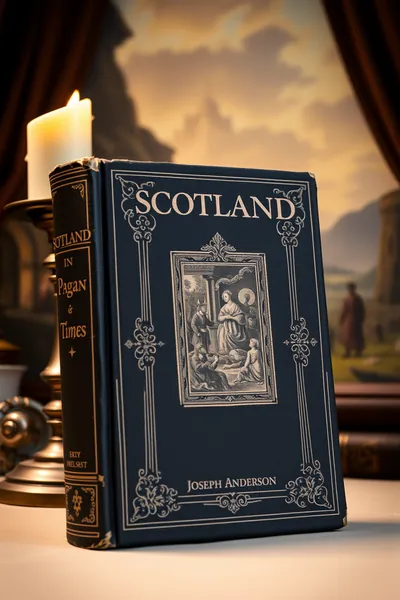
Joseph Anderson's Scotland in Pagan Times: The Bronze and Stone Ages is a seminal work for anyone interested in the esoteric and occult practices of ancient Scotland. Published in 1886, this book remains a vital resource for understanding the pagan rituals and beliefs that shaped the Bronze and Stone Ages. Anderson's meticulous research and detailed descriptions provide a rich tapestry of information that is as relevant today as it was over a century ago. For modern esoteric seekers, this text offers a deep dive into the origins of pagan traditions, making it an invaluable addition to any occult library. The book's strength lies in its ability to bridge the gap between historical fact and esoteric lore, making it accessible and compelling for both academics and spiritual practitioners. Anderson's work is a must-read for anyone looking to explore the mystical heritage of Scotland.
📝 Description
75
Joseph Anderson's 1881 work examines Scotland's Bronze and Stone Ages through a pagan lens.
Joseph Anderson's "Scotland in Pagan Times: The Bronze and Stone Ages," first published in 1881, investigates the spiritual and ritualistic life of ancient Scotland. The book focuses on the material culture and surviving traditions from the Bronze and Stone Ages, interpreting them through a framework that seeks connections to later pagan beliefs and practices. Anderson examines archaeological evidence, including burial sites, standing stones, and artifacts, to reconstruct a picture of the spiritual world of these early inhabitants.
He looks at how these ancient peoples understood their environment and the forces within it, connecting their practices to concepts of sacred geography and ritual action. The text aims to illuminate the continuity of certain beliefs and symbolic systems from prehistoric times into later periods, suggesting a persistent pagan substratum in Scottish culture. It is a study of early belief systems as understood through the lens of 19th-century antiquarianism and esoteric thought.
This work belongs to a tradition of 19th-century antiquarian scholarship that often blended archaeological inquiry with speculative interpretations of ancient religions and mythologies. It reflects an interest in uncovering hidden spiritual continuities and understanding pre-Christian European cultures as possessing complex symbolic systems. The book's approach aligns with esoteric interests in nature worship, earth mysteries, and the potential survival of ancient pagan knowledge within folk traditions, seeking deeper meaning beyond purely materialist historical accounts.
💡 Why Read This Book?
Reading Scotland in Pagan Times: The Bronze and Stone Ages today offers a unique opportunity to connect with the ancient spiritual practices of Scotland. This book provides a comprehensive overview of pagan rituals and occult beliefs, helping readers understand the roots of contemporary witchcraft and paganism. By delving into the esoteric traditions of the Bronze and Stone Ages, readers can gain a deeper appreciation for the enduring power of ancient spiritual practices. Whether you are a seasoned practitioner or a curious seeker, this book offers valuable insights and a rich historical context that can enrich your spiritual journey.
⭐ Reader Reviews
Honest opinions from readers who have explored this book.
❓ Frequently Asked Questions
What is the significance of the Bronze and Stone Ages in pagan practices?
The Bronze and Stone Ages are pivotal in understanding pagan practices as they mark the period when many of the ancient rituals and beliefs were established. These eras saw the construction of stone circles and the rise of druidic practices, which are central to pagan worship.
Is this book suitable for beginners in esoteric studies?
Yes, Scotland in Pagan Times is an excellent starting point for beginners in esoteric studies. Joseph Anderson's detailed and accessible writing style makes complex historical and occult concepts understandable for newcomers.
How does this book contribute to modern paganism?
This book provides a foundational understanding of the ancient pagan practices that have influenced modern witchcraft and paganism. By exploring the historical context, readers can gain a deeper appreciation for the traditions they practice today.
🔮 Key Themes & Symbolism
Ancient Rituals
Anderson examines the ancient rituals of the Bronze and Stone Ages, revealing the deep spiritual significance behind these practices. These rituals offer a window into the mystical world of pagan Scotland, where the natural and supernatural realms were intricately connected.
Sacred Symbolism
The book explores the sacred symbols and their meanings, providing readers with a rich understanding of the esoteric traditions that shaped ancient Scotland. These symbols are not just decorative but hold profound spiritual significance, connecting the ancient past with the present.
Hidden Knowledge
Scotland in Pagan Times uncovers the hidden knowledge that has been passed down through generations, offering insights into the mystical beliefs and practices of ancient pagans. This knowledge is useful for seekers and practitioners of the mystical arts.
💬 Memorable Quotes
Direct passages from the work, attributed to the author.
“The sacred symbols of ancient Scotland hold profound spiritual significance.”
— Anderson's exploration of these symbols offers a deep understanding of the esoteric traditions that shaped the region.
“Hidden knowledge of the pagans provides a bridge between the past and present.”
— This insight reveals how ancient pagan beliefs and practices can be incorporated into modern spiritual practices.
💡 Key Ideas
Editorial paraphrase of the work's core concepts — not direct quotes.
The ancient rituals of the Bronze and Stone Ages reveal a world where the veil between the natural and supernatural was thin.
This passage highlights the mystical connection between the ancient pagans and the supernatural realm.
The mystical traditions of ancient Scotland offer a wide range of pagan rituals and sacred sites.
This quote underscores the depth and richness of the esoteric insights found in Anderson's work.
The ancient lands of Scotland are imbued with a deep spiritual significance.
This passage emphasizes the mystical atmosphere that permeates Anderson's exploration of pagan Scotland.
🌙 Esoteric Significance
Tradition
This book belongs to the esoteric tradition of pagan studies, focusing on the hidden knowledge and symbolism of ancient Scotland. It examines the mystical beliefs and practices of the Bronze and Stone Ages, offering a deep understanding of the spiritual underpinnings of these ancient cultures.
Symbolism
Key symbols in the book include ancient runes, sacred stones, and ritual artifacts, each holding profound spiritual significance. These symbols are explored in depth, revealing their connections to the natural and supernatural realms.
Modern Relevance
The esoteric insights provided in Scotland in Pagan Times are highly relevant to modern practitioners of paganism and occult studies. The book offers a bridge between the ancient past and the present, allowing readers to incorporate these mystical traditions into their own spiritual practices.
👥 Who Should Read This Book
This book is ideal for beginners seeking an introduction to the mystical traditions of ancient Scotland, as well as scholars of occult studies and spiritual seekers. Practitioners of pagan rituals will find valuable insights into the ancient practices that can be incorporated into their modern spiritual journeys. Those interested in the philosophical significance of ancient pagan beliefs will also benefit from Anderson's deep exploration of these themes.
📜 Historical Context
Scotland in Pagan Times was written during a time when interest in ancient cultures and their mystical traditions was on the rise. Joseph Anderson's work provided a unique perspective on the Bronze and Stone Ages, offering insights into the pagan rituals and sacred sites that were often overlooked in mainstream historical accounts. The book's influence can still be seen in modern studies of occultism and paganism, as it continues to inspire seekers and scholars alike.
📔 Journal Prompts
How do the ancient rituals of the Bronze and Stone Ages resonate with your own spiritual practices?
What sacred symbols from ancient Scotland speak to you on a deep spiritual level?
How does the hidden knowledge of the pagans influence your understanding of the mystical world?
In what ways can the mystical traditions of ancient Scotland be incorporated into modern spiritual practices?
How does the exploration of ancient pagan beliefs and practices enrich your own spiritual journey?
🗂️ Glossary
Paganism
A broad term encompassing various spiritual traditions that predate Christianity, often focusing on nature worship and ancient rituals.
Bronze Age
A historical period characterized by the use of bronze, marking significant advancements in technology and culture.
Stone Age
The earliest period of human history, characterized by the use of stone tools and the development of early human societies.
Sacred Symbolism
The use of symbols in spiritual and religious practices to convey deep, often esoteric, meanings.
Ancient Rituals
Ceremonies and practices performed by ancient cultures to connect with the supernatural and honor spiritual beliefs.
This book appears in 2 collections
🔮 Readers Also Liked
Browse all →


![Cruels effets de la vengeance du Cardinal de Richelieu, ou Histoire des diables de Loudun, de la possession des religieuses ursulines, et de la condamnation et du suplice [sic] d'Urbain Grandier, curé de la même ville. 1716: Iss 53](/img/thumb/cruels-effets-de-la-vengeance-du-cardinal-de-richelieu-ou-histoire-des-diables-de-loudun-de-la-possession-des-religieuses-ursulines-et-de-la-condamnation-et-du-suplice-sic-d-urbain-grandier-cur-de-la-.webp)




More by Joseph Anderson
All books →
From the “Witchcraft” Collection
View all →








More Free Witchcraft & Paganism Books
View all →