Satori
 71
71

Satori
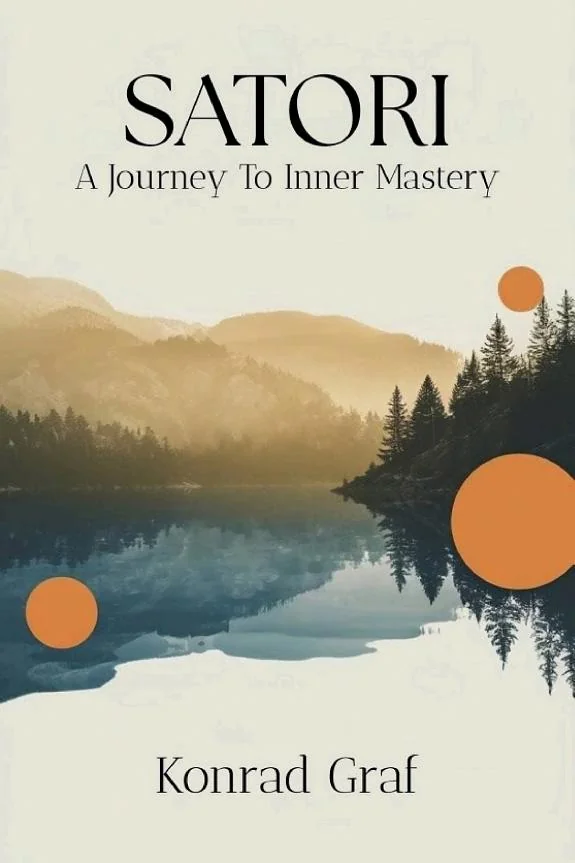
Konrad Graf's "Satori" bypasses the usual platitudes of personal development, launching instead into a direct confrontation with the reader's assumed reality. The book’s strength lies in its unsparing critique of the "endless chase" for external validation, a concept Graf dissects with surgical precision. He argues compellingly that peace is not a destination but an overlooked present. A limitation, however, is the occasional density of the prose, which can sometimes obscure the very clarity it seeks to impart. The passage discussing "narrative entrapment" is particularly potent, illustrating how deeply ingrained stories, often unconscious, dictate our emotional responses and limit our perceived choices. Graf’s work offers a necessary, albeit challenging, perspective on self-mastery. It's a call to radical introspection, demanding more than passive consumption.
📝 Description
71
Konrad Graf's 2025 book Satori argues that inner freedom is an internal rediscovery, not an external achievement.
Satori critiques the modern focus on external validation and superficial solutions, suggesting these distract from an inherent inner peace. Konrad Graf challenges readers to examine the limiting narratives of trauma and societal conditioning that foster a continuous state of striving. The book is for those overwhelmed by contemporary life, including burnout, digital noise, and pressure for externally defined success. It appeals to individuals disillusioned with standard self-help methods, seeking a more direct path to inner calm. Readers will likely feel the answers they need lie within, obscured by daily stress and imposed beliefs.
Graf deconstructs the self, presenting it not as fixed but as a fluid construct shaped by experience and narrative. A central concept is "narrative entrapment," where individuals remain bound by past hurts or external expectations. These stories prevent authentic engagement with present reality. The book encourages a questioning of these deeply ingrained narratives to access a more genuine state of being.
Emerging in 2025 amidst digital saturation and renewed interest in Eastern philosophies, Satori connects with traditions that examine consciousness and liberation. It dialogues with Stoic emphasis on internal control and Buddhist concepts of detachment. The critique of societal conditioning also resonates with post-structuralist analyses of social norms' impact on individual identity. Graf's work positions itself within a lineage seeking direct experience of awareness beyond conventional frameworks.
💡 Why Read This Book?
• Understand the mechanics of "narrative entrapment" as explained in Graf's 2025 publication, enabling you to identify and begin dismantling the stories that limit your present experience. • Discover the concept of "genuine inner freedom" as an internal rediscovery rather than an external attainment, shifting your focus from future goals to present potential. • Learn to recognize "shiny fixes" for what they are—distractions—and reorient your energy toward the inherent peace accessible beneath the surface of daily "grind."
⭐ Reader Reviews
Honest opinions from readers who have explored this book.
❓ Frequently Asked Questions
What is the core philosophy behind Konrad Graf's 'Satori'?
'Satori' centers on the idea that true liberation comes from within, by shedding limiting narratives and societal conditioning, rather than seeking external solutions. It posits that peace is an ever-present state to be uncovered, not a future goal to be achieved.
When was 'Satori' by Konrad Graf first published?
The initial publication of 'Satori' by Konrad Graf was on April 15, 2025, marking its debut in the contemporary landscape of esoteric and self-mastery literature.
How does 'Satori' differ from typical self-help books?
Unlike many self-help books that offer step-by-step fixes, 'Satori' focuses on deconstructing the reader's internal narratives and societal conditioning. It emphasizes radical introspection and the discovery of inherent peace over external achievement.
What does Konrad Graf mean by 'narrative entrapment' in 'Satori'?
'Narrative entrapment' refers to the state of being confined by stories—often stemming from trauma or societal expectations—that dictate one's perception and limit authentic experience and the recognition of inner peace.
Is 'Satori' suitable for beginners in metaphysical studies?
Yes, 'Satori' is suitable for beginners who are disillusioned with conventional approaches and ready for a direct, challenging exploration of self-mastery. Its directness can be an effective entry point into deeper metaphysical inquiry.
What is the central critique offered in 'Satori' regarding modern life?
The book critiques the modern obsession with external achievements and quick fixes ('shiny fixes'), arguing these pursuits are distractions that prevent individuals from recognizing the peace and freedom already available within their present circumstances.
🔮 Key Themes & Symbolism
Narrative Entrapment
The work identifies how individuals become ensnared by self-limiting stories, often born from past traumas or societal expectations. Graf argues these narratives obscure the path to genuine inner freedom, creating a cycle of striving for external validation rather than internal peace. He posits that recognizing and deconstructing these "stories" is the first step toward liberation from the "grind."
Genuine Inner Freedom
Graf defines this not as an end-state achieved through external means, but as a state of being that is uncovered by releasing the burdens of conditioning and narrative. It's the inherent potential for peace and authenticity that exists beneath the surface of everyday struggles and the "endless chase" for external fixes.
Critique of External Fixes
A central theme is the rejection of "shiny fixes" and the modern obsession with external solutions for internal discontent. The book posits that the relentless pursuit of external validation, success, or achievement is a fundamental misunderstanding of where true peace resides, leading only to further distraction and burnout.
The Present as the Locus of Peace
Contrary to the common belief that peace is a future reward, "Satori" asserts that it is accessible in the present moment, buried "right here" amidst the "grind." The work encourages readers to stop searching externally and instead turn inward to discover the peace that is already available, irrespective of external circumstances.
💬 Memorable Quotes
Direct passages from the work, attributed to the author.
“Everyone's sprinting for some shiny fix, betting peace is out there if you just try harder.”
— This highlights the author's critique of common self-help and societal narratives that promote external achievement as the path to happiness. It suggests this "sprinting" is a misguided effort, leading away from, rather than towards, genuine peace.
“Most of us live trapped in stories shaped by trauma, societal condition”
— This statement points to the concept of "narrative entrapment." It suggests that our perceived reality and limitations are often constructed by past experiences and social conditioning, preventing authentic self-perception and inner freedom.
“Satori is your guide to authentic self-mastery—a raw, transformative journey toward genuine inner freedom.”
— This serves as an introductory statement of purpose for the book, framing it as a direct and potent guide. It emphasizes the internal nature of mastery and freedom, suggesting a process that strips away inauthenticity.
“You're drowning in your work, noise, the endless chase. Choking you before you even realise it.”
— This vividly describes the state of modern overwhelm. It personifies external pressures—work, digital noise, relentless ambition—as suffocating forces that operate insidiously, impacting well-being before conscious awareness can fully grasp the extent of the damage.
💡 Key Ideas
Editorial paraphrase of the work's core concepts — not direct quotes.
Peace isn't a finish line; it's something to find. Right here, buried under the grind you're already half-sick of.
This quote captures the book's core thesis: that peace is not a future reward for effort but a present reality accessible through internal recognition. It challenges the conventional goal-oriented approach to well-being, suggesting we overlook the immediate potential for contentment.
🌙 Esoteric Significance
Tradition
While not strictly adhering to a single lineage, "Satori" draws implicitly from Buddhist concepts of non-self (Anatta) and the nature of suffering (Dukkha), particularly its roots in attachment and craving. It also speaks to Gnostic ideas of liberation from illusionary worlds created by external forces and conditioning, urging an internal awakening to a truer reality.
Symbolism
The "grind" serves as a potent symbol for the mundane, often overwhelming, reality of daily life, representing the very ground upon which inner peace must be discovered, not escaped. The "shiny fix" symbolizes the allure of superficial solutions and external validation, which distract from the deeper, more authentic work of self-realization.
Modern Relevance
Graf's work finds resonance with contemporary psychospiritual movements and therapists who emphasize somatic experiencing and trauma-informed approaches. Thinkers focused on deconstructing limiting beliefs and cultural narratives, particularly in fields like critical psychology and post-Jungian analysis, find "Satori's" framework for understanding "narrative entrapment" highly relevant.
👥 Who Should Read This Book
• Individuals experiencing burnout or disillusionment with conventional self-help, seeking a more direct and radical path to inner peace. • Students of comparative spirituality, particularly those interested in the intersection of Buddhist thought and Western psychological critiques of conditioning. • Practitioners of contemplative arts looking to deepen their understanding of presence and liberation beyond standard mindfulness techniques.
📜 Historical Context
Konrad Graf's "Satori," published in 2025, arrives in an era marked by a proliferation of digital wellness apps and a renewed, often superficial, engagement with Eastern philosophies. Its direct critique of the "endless chase" and "shiny fixes" positions it against the backdrop of a culture saturated with aspirational content. The book echoes, albeit from a more direct, less academic stance, the critiques of societal conditioning found in thinkers like Michel Foucault and the existentialist emphasis on authentic self-creation. While contemporary figures like Eckhart Tolle and Sam Harris have explored presence and consciousness, Graf's work distinguishes itself through a more confrontational tone and a focus on deconstructing ingrained personal narratives rather than solely cultivating mindfulness. The work emerged without significant controversy but is noted for its challenging perspective among practitioners of contemplative traditions.
📔 Journal Prompts
The "endless chase" for external validation: identify one specific instance this week.
Reflect on the "stories" currently shaping your perception of limitations.
What does "genuine inner freedom" feel like in your present experience?
Analyze a recent "shiny fix" you pursued; what underlying need did it mask?
How does the concept of peace being "buried under the grind" apply to your daily routine?
🗂️ Glossary
Satori
A Japanese Buddhist term for sudden enlightenment or awakening. In Graf's work, it signifies a profound realization of inner freedom and peace, often achieved through deconstructing personal narratives.
Genuine Inner Freedom
The state of liberation achieved not through external circumstances, but through internal recognition and the shedding of limiting narratives and conditioning. It is an inherent potential discovered within.
Narrative Entrapment
The condition of being confined by self-limiting or externally imposed stories, which distort perception and hinder authentic experience. These narratives often stem from trauma or societal conditioning.
Shiny Fix
A metaphor for superficial solutions, external achievements, or distractions that are pursued in the belief they will bring lasting peace or happiness, but ultimately fail to address the root causes of discontent.
The Grind
Refers to the demanding, often monotonous, routine of daily life and work. Graf uses this term to highlight that peace is not found by escaping the grind, but by discovering it within its context.
Societal Conditioning
The process by which individuals internalize the norms, values, and beliefs of their society, often leading to unconscious biases and limitations on authentic self-expression and perception.
Self-Mastery
The attainment of control and understanding over one's own thoughts, emotions, and actions, leading to authentic self-expression and inner freedom, as defined within the context of Graf's work.
This book appears in 1 collection
🔮 Readers Also Liked
Browse all →









From the “Satori” Collection
View all →








More Free Occult Philosophy Books
View all →![Tales of Mystery and Imagination [22 stories]](/img/thumb/tales-of-mystery-and-imagination-22-stories-edgar-allan-poe-520084.webp)