Sai Baba
 83
83

Sai Baba
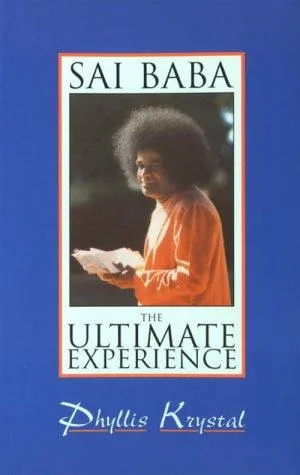
Phyllis Krystal's "Sai Baba" offers a deeply personal and reverent portrait of the Indian guru. Krystal's strength lies in her intimate, decade-spanning familiarity with her subject, presenting anecdotes and observations that feel genuinely lived. She particularly excels when describing the subtle energetic shifts and the profound sense of peace she experienced in Sai Baba's presence, such as in her accounts of his darshans. However, the book's primary limitation is its unwavering devotional stance; it seldom engages critically with the controversies or complex questions surrounding Sai Baba's persona and alleged abilities, which may leave a more skeptical reader wanting. A passage detailing Sai Baba's materialization of objects, presented here as simple fact, highlights the book's faith-centric approach. Ultimately, "Sai Baba" serves as a valuable devotional memoir for followers and a detailed, if uncritical, introduction for newcomers to the Sai Baba phenomenon.
📝 Description
83
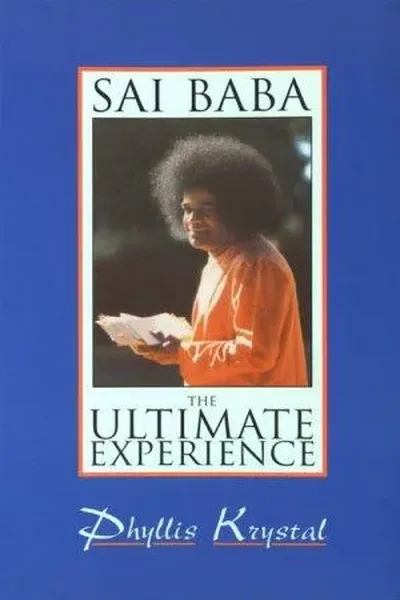
Phyllis Krystal's 1985 biography offers an insider's view of Indian mystic Bhagavan Sri Sathya Sai Baba.
Phyllis Krystal's "Sai Baba" details the life and teachings of the Indian mystic Bhagavan Sri Sathya Sai Baba. Published in 1985, the book offers a personal perspective, as Krystal was a long-time devotee. She recounts her own experiences and observations, aiming to explain the spiritual path Sai Baba presented to his millions of followers. The work is suited for those interested in contemporary spiritual figures, Indian mysticism, and devotional practices like Bhakti yoga. Readers who want to understand Sai Baba's philosophy, his international following, and the experiences of his devotees will find Krystal's account informative. It also speaks to those who study comparative spirituality and the lives of modern spiritual leaders.
Krystal's book emerged during a time when Western interest in Eastern spirituality was growing. The mid-1980s saw many publications focusing on Indian spiritual masters. Sai Baba himself was a significant global figure in the late 20th century, founding charitable organizations and attracting widespread attention. This book sought to place his influence within that cultural context for its readers. It covers Sai Baba's core concepts, such as "Sathya" (Truth) and "Dharma" (Righteousness), and his views on the unity of religions and the importance of service (Seva). The book also discusses the manifestation of divine energy (Shakti) through him, the spiritual growth of devotees, and the practical application of faith in everyday life.
This biography fits within the tradition of Western engagement with Indian spiritual traditions in the late 20th century. Krystal's work reflects a period when figures like Sai Baba attracted significant international followings, drawing seekers interested in gurus and ashram life. It situates Sai Baba as a modern spiritual leader whose teachings on Truth, Righteousness, and the unity of faiths resonated with a global audience exploring Eastern philosophies and devotional paths.
💡 Why Read This Book?
• Gain insight into the devotional practices surrounding Sathya Sai Baba, learning about specific rituals and the concept of darshan as described by a long-term devotee. • Understand Sai Baba's core teachings on the unity of religions and the importance of "Sathya" (Truth) and "Dharma" (Righteousness) as explained in Krystal's personal narrative. • Explore the concept of spiritual transformation through personal encounters with a contemporary spiritual figure, as chronicled through Krystal's experiences from the 1960s onwards.
⭐ Reader Reviews
Honest opinions from readers who have explored this book.
❓ Frequently Asked Questions
When was Phyllis Krystal's book on Sai Baba first published?
Phyllis Krystal's "Sai Baba" was first published in 1985, reflecting a period of significant global interest in Indian spiritual leaders.
What is the primary focus of Phyllis Krystal's "Sai Baba"?
The book primarily focuses on the life, teachings, and perceived spiritual phenomena associated with the Indian mystic Bhagavan Sri Sathya Sai Baba, as experienced and observed by the author.
Who was Sathya Sai Baba?
Sathya Sai Baba was an Indian guru and spiritual teacher who attracted a large international following, known for his teachings on universal love, service, and the unity of religions.
What does "Sathya" mean in the context of Sai Baba's teachings?
In Sai Baba's teachings, "Sathya" is a core principle meaning Truth. It is often paired with "Dharma" (Righteousness) to form the foundation of spiritual living.
Does the book discuss Sai Baba's miracles?
Yes, the book details numerous accounts of alleged miracles attributed to Sai Baba, such as the materialization of objects, as witnessed or reported by the author and other devotees.
What is Krystal's relationship to Sai Baba?
Phyllis Krystal was a long-term devotee of Sathya Sai Baba, and this book is written from the perspective of her personal spiritual journey with him.
🔮 Key Themes & Symbolism
Devotion and Darshan
Krystal emphasizes the lasting impact of devotional practice in the presence of Sai Baba. The concept of 'darshan,' the act of seeing a holy person, is central, described as a direct conduit for spiritual energy and grace. The book details Krystal's personal experiences of receiving darshan, highlighting the palpable sense of peace and divine connection that devotees sought. This theme underscores the Bhakti yoga tradition, where intense love and surrender to a divine figure are paramount paths to realization.
Sathya and Dharma
The book identifies 'Sathya' (Truth) and 'Dharma' (Righteousness) as the twin pillars of Sai Baba's philosophy. Krystal explains these not merely as abstract concepts but as lived principles guiding daily conduct. Sathya signifies unwavering adherence to truth in thought, word, and deed, while Dharma represents fulfilling one's duties with integrity and ethical awareness. The integration of these principles into everyday life is presented as the practical pathway to spiritual growth advocated by Sai Baba.
Unity of Religions
A recurring theme is Sai Baba's message of the fundamental oneness underlying all religious traditions. Krystal illustrates this through Sai Baba's ability to draw followers from diverse faiths and his consistent emphasis that the core spiritual truths are universal. The book presents his message as transcending sectarianism, promoting a global spiritual consciousness where different paths are seen as valid expressions of the same divine reality.
Spiritual Transformation
The potential for profound personal change through association with Sai Baba is a significant focus. Krystal recounts how interactions, teachings, and the very atmosphere surrounding the guru could catalyze inner shifts, leading to greater compassion, selflessness, and spiritual awareness in devotees. This transformation is depicted not as an overnight event, but as a gradual unfolding facilitated by faith, service, and sincere spiritual aspiration.
💬 Memorable Quotes
Direct passages from the work, attributed to the author.
“He said the heart is the center of all religions.”
— This interpretation highlights Sai Baba's emphasis on universal love and compassion as the common ground connecting diverse spiritual paths, suggesting that genuine spirituality resides in the heart's capacity for love, rather than in dogma or ritual.
“Service is the highest form of worship.”
— This principle underscores Sai Baba's practical approach to spirituality, advocating that selfless action and dedication to the welfare of others are as, if not more, important than personal meditation or prayer.
“Love all, serve all.”
— A concise summation of Sai Baba's core message, this phrase expresses the dual pillars of his teachings: cultivating universal love and actively engaging in selfless service to humanity.
“The name of God is the only thing that will remain.”
— This suggests the enduring power and ultimate refuge found in devotion and remembrance of the Divine, implying that material possessions and worldly concerns are transient compared to spiritual connection.
💡 Key Ideas
Editorial paraphrase of the work's core concepts — not direct quotes.
You must be the change you wish to see in the world.
This paraphrased concept reflects the idea that personal transformation and embodying the desired virtues are the most effective ways to influence the world positively, a common tenet in many spiritual teachings.
🌙 Esoteric Significance
Tradition
This work fits within the broader spectrum of devotional mysticism, particularly Bhakti yoga, which emphasizes intense love and surrender to a divine figure. While rooted in Hindu traditions, Sai Baba's message of interfaith unity and his perceived miracles also align with syncretic spiritual movements that gained traction in the 20th century, drawing parallels with theosophical ideals of universal brotherhood and enlightened masters.
Symbolism
The book frequently references Sai Baba's perceived ability to materialize objects, such as vibhuti (sacred ash) or rings. In esoteric traditions, such materializations can symbolize divine power, the manifestation of spiritual will into the physical plane, and the guru's capacity to transcend ordinary physical laws as a sign of spiritual attainment.
Modern Relevance
Contemporary spiritual seekers interested in non-dualism, the practical application of spiritual principles in daily life, and the phenomenon of modern spiritual leaders may still find value in Krystal's account. The emphasis on selfless service (Seva) and the unity of religions continues to resonate within various interfaith movements and circles focused on conscious living and humanitarian action.
👥 Who Should Read This Book
• Devotees and followers of Sathya Sai Baba seeking personal testimony and spiritual affirmation. • Students of comparative religion and spirituality interested in understanding contemporary Indian mysticism and the guru phenomenon. • Individuals exploring Bhakti yoga or seeking to learn about figures who have inspired large-scale devotional movements in the 20th century.
📜 Historical Context
Phyllis Krystal's "Sai Baba," published in 1985, arrived during a vibrant period of Western engagement with Eastern spirituality. The preceding decades had seen figures like Maharishi Mahesh Yogi and Swami Prabhupada gain substantial followings, creating a fertile ground for works exploring contemporary Indian gurus. Sai Baba himself had been actively teaching and building institutions since the mid-20th century, drawing attention from figures across the globe, including politicians and celebrities. The book contributed to a broader discourse on mysticism and guru devotion, standing alongside other accounts of spiritual leaders of the era. While the New Age movement was gaining momentum, many orthodox religious bodies and critical scholars viewed such figures with skepticism, sometimes leading to debates about authenticity and the nature of spiritual authority. The reception of Sai Baba was notably polarized, with fervent devotion from followers contrasting sharply with criticism from some secular and religious quarters.
📔 Journal Prompts
Reflect on the concept of 'Sathya' (Truth) as presented by Sai Baba in your own life.
Consider the significance of 'darshan' as a spiritual practice and its potential impact.
Explore how the principle of 'service' (Seva) can be integrated into your daily routine.
Analyze Sai Baba's message on the unity of religions and its implications for interfaith dialogue.
Write about a personal experience of perceived spiritual transformation and its catalysts.
🗂️ Glossary
Darshan
A Sanskrit term meaning 'sight' or 'vision,' referring to the auspicious act of seeing a holy person, deity, or sacred object, often believed to impart spiritual merit or blessings.
Sathya
A Sanskrit word meaning 'Truth.' In Sai Baba's teachings, it signifies adherence to truth in thought, word, and deed as a fundamental spiritual principle.
Dharma
A Sanskrit term encompassing righteousness, duty, moral law, and cosmic order. Sai Baba emphasized living according to one's Dharma as crucial for spiritual progress.
Bhakti Yoga
The spiritual path of devotion and love towards God or a chosen deity/guru. It emphasizes surrender, worship, and ecstatic love as means to spiritual realization.
Vibhuti
Sacred ash, often associated with Shiva in Hinduism. Sai Baba was known for materializing Vibhuti, which devotees considered a sacred substance with healing properties.
Seva
Sanskrit for 'selfless service.' It is considered a vital spiritual practice, emphasizing the importance of helping others without expectation of reward.
Guru
A spiritual teacher or master, particularly one who imparts knowledge and guidance on the path to enlightenment or self-realization.
🔮 Readers Also Liked
Browse all →









More by Phyllis Krystal
All books →


More Free Occult Philosophy Books
View all →