Runes for beginners
 82
82

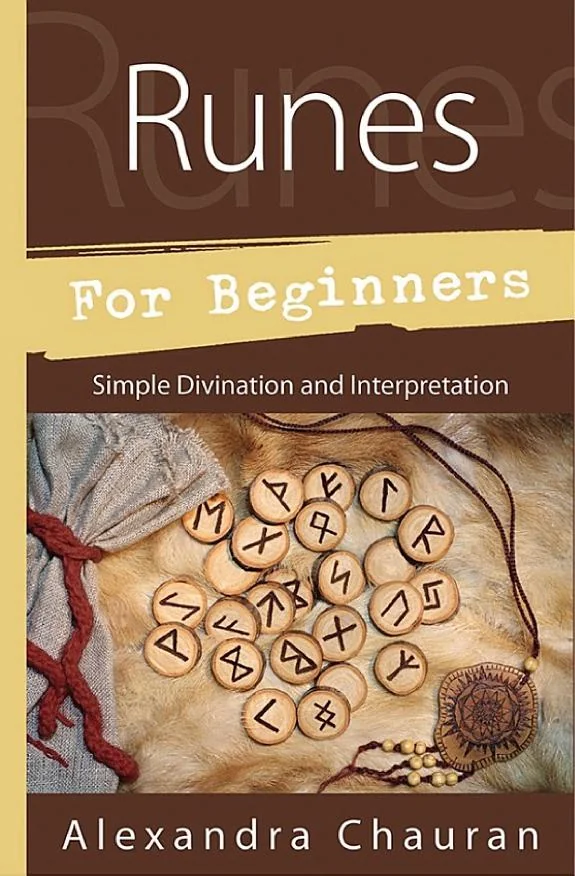
Runes for beginners
Alexandra Chauran’s "Runes for Beginners" offers a commendable entry point into the world of runic divination, eschewing the often-intimidating jargon that can plague introductory texts. The book’s strength lies in its methodical presentation of the Elder Futhark, breaking down each rune with clear, concise explanations. For instance, its treatment of the rune *Algiz* as a symbol of protection and divine connection is particularly well-articulated. However, the work could benefit from a more in-depth exploration of historical runic inscriptions beyond their divinatory use, providing a richer context for their initial development. While it competently introduces casting methods, some readers might desire more advanced spread examples. Overall, Chauran provides a solid, no-nonsense foundation for aspiring rune readers.
📝 Description
82
Alexandra Chauran's 2016 book demystifies the Elder Futhark for newcomers.
Published in 2016, Alexandra Chauran's "Runes for Beginners" aims to make the ancient Germanic alphabet and its divinatory uses understandable. The book presents the runes not as obscure artifacts, but as practical instruments for self-reflection and guidance. It systematically breaks down the Elder Futhark, the oldest runic script, explaining the sound and symbolic significance of each letter. Chauran writes with clarity, making the material approachable for individuals new to rune study.
This guide is written for people curious about reading runes who have no previous background. It offers a clear path to learning the runes, their meanings, and basic methods for casting them. Those interested in Norse mythology, pagan practices, or a system for personal insight and making choices will find this book a useful start. It suits the modern person who wants to use these old symbols in their personal or spiritual life.
Runes were first used for inscriptions by Germanic peoples around the 2nd century CE. Their use later expanded into magical and divinatory practices within Norse and Anglo-Saxon cultures. Chauran's work connects with this history, referencing later interpretations and revivals of runic systems from the 20th century. It places the runes within a tradition that bridges historical use with modern occult and self-development applications.
💡 Why Read This Book?
• Learn the fundamental meanings and phonetic values of all 24 runes of the Elder Futhark, a practical skill for interpreting Norse divination as presented in the book's detailed rune descriptions. • Gain insight into the concept of *wyrd*, or fate, and how rune casts can illuminate one's path, as explained through the book's practical casting examples. • Understand the symbolic associations of runes with Norse mythology and elements, enabling a deeper connection to the runes beyond simple memorization, as detailed in the individual rune profiles.
⭐ Reader Reviews
Honest opinions from readers who have explored this book.
❓ Frequently Asked Questions
What is the Elder Futhark, and why is it important in "Runes for Beginners"?
The Elder Futhark is the oldest Germanic alphabet, comprising 24 runes. Chauran focuses on it because it's the most ancient and foundational runic system, providing the basis for later runic alphabets and their divinatory interpretations.
Does the book cover different methods for casting runes?
Yes, "Runes for Beginners" introduces readers to basic rune casting methods, explaining how to prepare, cast, and interpret the runes for guidance on various life situations.
What is the historical origin of runes mentioned in the book?
The book notes that runes originated with Germanic tribes around the 2nd century CE, initially used for inscriptions before evolving into a system for divination and magic.
Are the runes presented as solely for divination or also for magic?
While primarily focusing on divination for self-insight, the book touches upon the magical potential of runes, aligning with their historical use for protection and manifestation.
Is "Runes for Beginners" suitable for someone with no prior knowledge of Norse mythology?
Yes, the book is designed for absolute beginners and provides necessary context regarding Norse mythology and the cultural background of the runes, making it accessible.
When was Alexandra Chauran's "Runes for Beginners" first published?
Alexandra Chauran's "Runes for Beginners" was first published in 2016, offering a contemporary perspective on this ancient practice.
🔮 Key Themes & Symbolism
Elder Futhark Fundamentals
The book systematically breaks down the Elder Futhark, the most ancient runic alphabet. Each of the 24 runes is explored individually, detailing its phonetic value, historical context, and symbolic meaning within Norse cosmology. Chauran emphasizes understanding the core essence of each rune, such as *Thurisaz* representing explosive force and protection, or *Gebo* signifying gift and partnership, providing a solid foundation for divination and personal reflection.
Runic Divination Methods
Central to the work is the practical application of runes for divination. The book guides readers through the process of preparing rune sets, formulating questions, and performing various casting methods, from single-rune draws to more complex spreads. It elucidates how to interpret the positions and combinations of runes, aligning with the historical use of runes for seeking guidance and understanding fate, or *wyrd*.
Norse Mythology and Symbolism
"Runes for Beginners" connects each rune to its roots in Norse mythology and symbolism. Concepts like Odin's sacrifice for wisdom, the role of the Norns in combining fate, and the elemental correspondences of the runes are explored. For example, the rune *Uruz* is linked to primal strength and the aurochs, grounding the runic system within its rich cultural and spiritual heritage.
Personal Growth and Insight
Beyond mere fortune-telling, the book positions runes as tools for self-awareness and personal development. By reflecting on the meanings and energies of the runes presented, readers are encouraged to gain clarity on challenges, explore their inner landscape, and make more informed decisions. The practice is framed as a dialogue with ancient wisdom for contemporary life.
💬 Memorable Quotes
Direct passages from the work, attributed to the author.
“Each rune holds a specific energetic signature and a story from ancient Germanic lore.”
— This highlights the book's approach: treating runes not just as letters but as potent symbols imbued with history, mythology, and distinct energies relevant to divination.
“When casting runes, focus on the question and be open to the message the stones offer.”
— This emphasizes the importance of mindful intention and receptivity in rune reading, suggesting that the process is a form of intuitive communication rather than a mechanical act.
“The rune *Ansuz* is often associated with divine communication and wisdom, echoing Odin's pursuit of knowledge.”
— This connects a specific rune, *Ansuz*, to a key figure in Norse mythology, Odin, illustrating how the book links runic meanings to their mythological underpinnings.
“Understanding the elemental associations of the runes can deepen your interpretation.”
— This points to a key interpretive layer the book offers, suggesting that linking runes to elements like fire, water, air, and earth provides a richer understanding of their significance.
“The reversed meaning of a rune often indicates a blockage or a different perspective on the upright energy.”
— This explains a common principle in rune divination covered by the book: that a rune's orientation can signify challenges or alternative interpretations of its core meaning.
🌙 Esoteric Significance
Tradition
This work operates within the Neo-Pagan and modern Germanic mysticism traditions, which draw heavily from Norse mythology and historical runic systems. It departs from purely academic runology by prioritizing divinatory and magical applications over linguistic analysis. The book aligns with contemporary esoteric practices that view runes as energetic keys for personal transformation and spiritual connection, rather than solely historical artifacts.
Symbolism
Key symbols include the Elder Futhark itself, representing ancient wisdom and the alphabet of magic. The rune *Algiz*, often depicted as a protective hand or elk's antlers, symbolizes divine protection and connection to higher realms. The concept of *Wyrd* (fate) is also central, framing the runes as guides through the web of destiny, reflecting the Norns' role in Norse myth.
Modern Relevance
Chauran's book contributes to the ongoing popularization of runic practices in contemporary spirituality and self-help. It appeals to modern practitioners of witchcraft, Neo-Paganism, and those seeking alternative divination systems. The work is part of a broader trend of reclaiming and reinterpreting ancient European traditions for personal empowerment and spiritual exploration in the 21st century.
👥 Who Should Read This Book
• Aspiring diviners and practitioners of Norse-based spiritual paths seeking a clear, foundational guide to rune reading. • Individuals interested in Germanic mythology and history who wish to explore the practical, esoteric applications of the runes beyond academic study. • Self-development enthusiasts looking for a unique system of introspection and guidance rooted in ancient symbolism and intuitive interpretation.
📜 Historical Context
Published in 2016, Alexandra Chauran's "Runes for Beginners" enters a field heavily influenced by 20th-century esoteric revivals. Following the work of figures like Guido von List and Ernst von Hornbostel in the early 1900s, who sought to connect runes with Germanic paganism and occultism, runic studies saw a resurgence. This modern revivalism often diverged from strict historical linguistics, focusing instead on divinatory and magical applications. Contemporary authors like Edred Thorsson further popularized these esoteric interpretations. Chauran's work builds upon this lineage, aiming to make these practices accessible, likely engaging with a public interest in Norse mythology amplified by popular culture, yet distinct from academic runology which primarily focuses on epigraphy and historical linguistics.
📔 Journal Prompts
Reflect on the core meaning of the *Fehu* rune and its relevance to your current material circumstances.
Consider the protective symbolism of *Algiz* in relation to recent challenges you have faced.
How does the concept of *Wyrd*, as presented in the book, influence your understanding of personal responsibility?
Explore the divinatory significance of *Gebo* in the context of your important relationships.
Meditate on the wisdom associated with the *Ansuz* rune and its potential guidance for your life.
🗂️ Glossary
Elder Futhark
The oldest known runic alphabet, comprising 24 symbols used by Germanic tribes from approximately the 2nd to the 8th centuries CE. It forms the basis for most modern runic divination systems.
Rune Casting
The practice of throwing or drawing runes to gain insight into past, present, or future situations. It involves interpreting the symbols based on their individual meanings and their relationship to each other.
Wyrd
An Old English and Norse concept often translated as fate or destiny. It refers to the interconnected web of events and the unfolding of destiny, which runes are believed to help illuminate.
Divination
The practice of seeking knowledge of the future or the unknown by supernatural means. In this context, it refers to using runes to gain insights for personal guidance and understanding.
Norse Mythology
The body of myths and legends originating from the ancient Scandinavian and Germanic peoples, concerning their gods, heroes, and the origins and destiny of the world. Runes are deeply intertwined with this mythology.
Asatru
A modern Germanic Pagan religion that follows the traditional beliefs and practices of the historical Norse, Germanic, and Anglo-Saxon peoples. Many practitioners use runes.
Elder
In the context of runes, 'Elder' refers to the oldest version of the runic alphabet (the Elder Futhark), distinguishing it from later variants like the Younger Futhark or Anglo-Saxon Futhorc.
🔮 Readers Also Liked
Browse all →
More by Alexandra Chauran
All books →

More Free Divination & Tarot Books
View all →