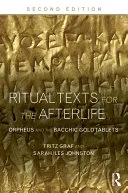
Ritual Texts for the Afterlife
 80
80

Ritual Texts for the Afterlife
Fritz Graf and Sarah Iles Johnston's compilation, Ritual Texts for the Afterlife, offers a vital, if sometimes stark, window into ancient hopes and anxieties surrounding death. The strength of this work lies in its meticulous curation of diverse textual fragments, demonstrating a remarkable continuity in the desire for post-mortem security across different cultures and periods within the ancient Mediterranean. The inclusion of specific incantations, such as those found in the Greek magical papyri, provides a tangible link to the ritualistic efforts undertaken to ensure a smooth transition. However, the scholarly apparatus, while accurate, can occasionally feel dense for the uninitiated, presenting a barrier to entry for those less familiar with the nuances of classical philology. A particularly compelling section details the 'Books of the Dead' traditions, illustrating the textualization of complex afterlife maps. This collection is a foundational resource for understanding ancient eschatology.
📝 Description
80
Fritz Graf and Sarah Iles Johnston assembled ancient funerary inscriptions and magical texts for the afterlife in 2013.
This volume collects ancient inscriptions and magical texts concerning the afterlife. These are not mere historical artifacts but practical instructions and invocations. They were meant to guide the deceased through the underworld and ensure their well-being. The collection unifies previously separate materials, showing a broad view of ancient mortuary practices that included both religious and magical elements.
The book is useful for scholars of ancient religion, magic, and the history of beliefs about death. It will also interest practitioners of esoteric traditions who want to engage with historical rituals. Students of comparative mythology and those curious about the development of ideas about the soul and the afterlife will find much here. Anyone studying how rituals worked and how texts were transmitted in ancient times will benefit from this work.
Published in 2013, this collection situates itself within the study of ancient Mediterranean magical and religious practices. It addresses the practical application of beliefs concerning the afterlife, moving beyond theoretical theology. The texts reveal a spectrum of mortuary beliefs, from official cults to personal magical efforts. This challenges the idea of a single, uniform ancient worldview regarding death and the beyond. It highlights the use of inscribed rituals, like those on amulets, as tools for influencing the post-mortem existence.
💡 Why Read This Book?
• Learn about the specific invocations and protective spells ancient individuals commissioned to safeguard their passage into the underworld, as detailed in the Greek magical papyri. • Understand the historical development of afterlife beliefs by examining texts from various ancient Mediterranean cultures, including Egyptian and Greek traditions, as presented in the comparative analysis. • Gain insight into the concept of active post-mortem agency, where individuals sought to influence their eternal fate through inscribed rituals and magical formulae, a key theme illustrated by the collected texts.
⭐ Reader Reviews
Honest opinions from readers who have explored this book.
❓ Frequently Asked Questions
What types of ancient texts are included in 'Ritual Texts for the Afterlife'?
The book compiles various funerary inscriptions, magical papyri (like those from the Greek magical tradition), and other mortuary texts from the ancient Mediterranean world, dating from antiquity.
What historical periods do these texts cover?
The texts primarily span antiquity, drawing from cultures such as ancient Egypt, Greece, and Rome, offering insights into beliefs and practices over a significant historical span.
Who were Fritz Graf and Sarah Iles Johnston?
Fritz Graf is a renowned scholar of ancient religion and magic, and Sarah Iles Johnston is a leading expert in ancient magic and religion, particularly in the Hellenistic and Roman periods.
Are these texts about mythology or practical ritual?
They focus on practical ritual – actual spells, invocations, and instructions believed to be effective for the deceased's journey and survival in the afterlife.
Does the book discuss the concept of the soul in ancient cultures?
Yes, the texts inherently deal with the ancient conception of the soul and its post-mortem existence, including its potential dangers and the means to ensure its safe passage and transformation.
Is this book suitable for someone with no prior knowledge of ancient religions?
While scholarly, the work's clear presentation of texts makes it accessible. However, some familiarity with ancient history or religion would enhance the reader's comprehension of the cultural context.
🔮 Key Themes & Symbolism
Post-Mortem Agency
A central theme is the ancient belief that the deceased were not passive recipients of fate but could actively influence their afterlife. The collected ritual texts, from Egyptian spells to Greek incantations, demonstrate a profound desire to equip the departed with the means to work through the underworld. This agency was achieved through inscribed formulae, amulets, and direct appeals to deities, empowering individuals to shape their eternal destiny rather than merely endure it.
The Perilous Journey
Many texts address the concept of the afterlife as a dangerous voyage fraught with trials and hostile entities. The inscriptions function as guides and protective charms, offering passwords, divine assistance, and knowledge of the underworld's geography. This theme highlights the anxiety surrounding death and the intricate cosmologies developed to explain and mitigate the perceived risks of the transition.
Transformation and Immortality
Beyond mere survival, the rituals often aimed at the transformation of the deceased into an immortal or divine being. This process of apotheosis, or becoming like the gods, was facilitated by specific rites and textual knowledge. The texts reveal a sophisticated understanding of the soul's potential for change and the belief that through ritual, death could be a gateway to a higher form of existence.
Textual Efficacy
The very act of writing and inscribing these rituals was considered powerful. The texts themselves were imbued with magical potency, believed to enact the desired outcomes for the deceased. This theme underscores the critical role of literacy and textual transmission in ancient religious and magical practices, where the precise wording and form of the text were paramount to its efficacy.
💬 Memorable Quotes
Direct passages from the work, attributed to the author.
“The purpose of these texts was to give the deceased power over their fate.”
— This highlights the active role individuals sought to play in their post-mortem existence. It wasn't about passive judgment but about employing magical and ritualistic means to ensure a favorable outcome and overcome afterlife obstacles.
“The underworld was a place of trials, requiring specific knowledge to navigate.”
— This emphasizes the dangerous nature attributed to the afterlife by ancient cultures. The collected texts served as essential 'guidebooks,' providing the deceased with the necessary incantations and information to pass safely through its perils.
“Ritual formulae were believed to transform the mortal into an immortal being.”
— This points to the ultimate goal of many ancient mortuary practices: not just to survive death, but to achieve a higher state of being, often akin to divinity, through the power of carefully constructed rites.
“Inscriptions served as both spells and guarantees for the deceased.”
— This captures the dual function of these texts. They were active magical agents designed to perform specific actions and also acted as contractual agreements or assurances, ensuring the deceased's rights and safety in the otherworld.
“The transmission of these texts ensured continuity of practice across generations.”
— This emphasizes the importance of the written word in preserving and disseminating these complex mortuary rituals. The act of copying and preserving these texts was vital for their continued efficacy and cultural transmission.
🌙 Esoteric Significance
Tradition
This work primarily engages with the Hellenistic and Late Antique traditions of magic and religion, particularly relevant to Western Esotericism through its influence on Hermeticism and Gnosticism. It provides primary source material that informed later magical grimoires and esoteric philosophies concerning the soul's journey and the manipulation of spiritual forces for post-mortem benefit.
Symbolism
Key symbols include the underworld's topography (often depicted as a labyrinth or series of gates), divine judges or gatekeepers (e.g., Anubis, Hermes Psychopompos), and the transformation of the deceased into a star or divine being. These motifs symbolize the challenges of spiritual transition, the need for divine mediation, and the ultimate goal of achieving a higher, immortal state.
Modern Relevance
Contemporary practitioners of Western Esotericism, including some Hermeticists and ceremonial magicians, draw inspiration from these ancient texts. The focus on textual efficacy, protective spells, and the active shaping of one's afterlife speaks to modern magical practices aimed at spiritual advancement and overcoming existential challenges.
👥 Who Should Read This Book
• Scholars of Ancient Religions and Classics: Will find meticulously translated and contextualized primary source material crucial for understanding mortuary beliefs and practices. • Students of Magic and Esotericism: Can explore the direct lineage of ancient magical techniques and their conceptual frameworks concerning the afterlife. • Comparative Mythology Researchers: Gain insights into diverse ancient conceptions of death, the soul's journey, and post-mortem existence across Mediterranean cultures.
📜 Historical Context
Published in 2013, Ritual Texts for the Afterlife emerged from a rich tradition of scholarship on ancient magic and religion, building upon the foundational work of figures like Franz Cumont and, more recently, scholars specializing in Hellenistic magic and Roman funerary practices. The volume arrived at a time when academic interest was increasingly focused on the lived experience of religion and the practical application of beliefs, moving beyond purely theological or philosophical inquiries. It engaged with the ongoing debate surrounding the boundaries between 'religion' and 'magic' in antiquity, presenting texts that often blurred these lines. The work implicitly responded to earlier, sometimes dismissive, views of magical practices, positioning them as integral components of ancient mortuary cults and personal eschatology. Its reception by scholars of classical studies and comparative religion has underscored its value in providing accessible yet rigorous analyses of these complex ritual traditions.
📔 Journal Prompts
The invocations for navigating underworld gates.
Personal reflections on the concept of post-mortem agency.
The role of divine figures as guides in the afterlife.
How ancient texts conceptualize the soul's transformation.
The perceived dangers of the afterlife and their textual countermeasures.
🗂️ Glossary
Greek Magical Papyri
A collection of ancient magical texts, primarily from Egypt, written in Greek, dating from the 2nd century BCE to the 5th century CE. They contain spells, hymns, rituals, and astronomical tables.
Psychopomp
A guide of souls to the place of the dead. Figures like Hermes in Greek mythology or Anubis in Egyptian religion served this role.
Funerary Inscriptions
Texts carved onto tombs, sarcophagi, or stelae, often intended to honor the deceased, offer prayers, or provide instructions for the afterlife.
Book of the Dead
Ancient Egyptian funerary texts, comprising a collection of spells intended to assist a dead person's journey through the Duat (underworld) and into the afterlife.
Eschatology
The branch of theology concerned with death, judgment, and the final destiny of the soul and of humankind.
Underworld (Duat)
The field of the dead in ancient Egyptian religion, a place of trials and transformation through which the sun god Ra traveled nightly.
Apotheosis
The elevation or advancement of a person to divine rank or godhood; deification.
🔮 Readers Also Liked
Browse all →







More by Fritz Graf, Sarah Iles Johnston
All books →
More Free Witchcraft & Paganism Books
View all →