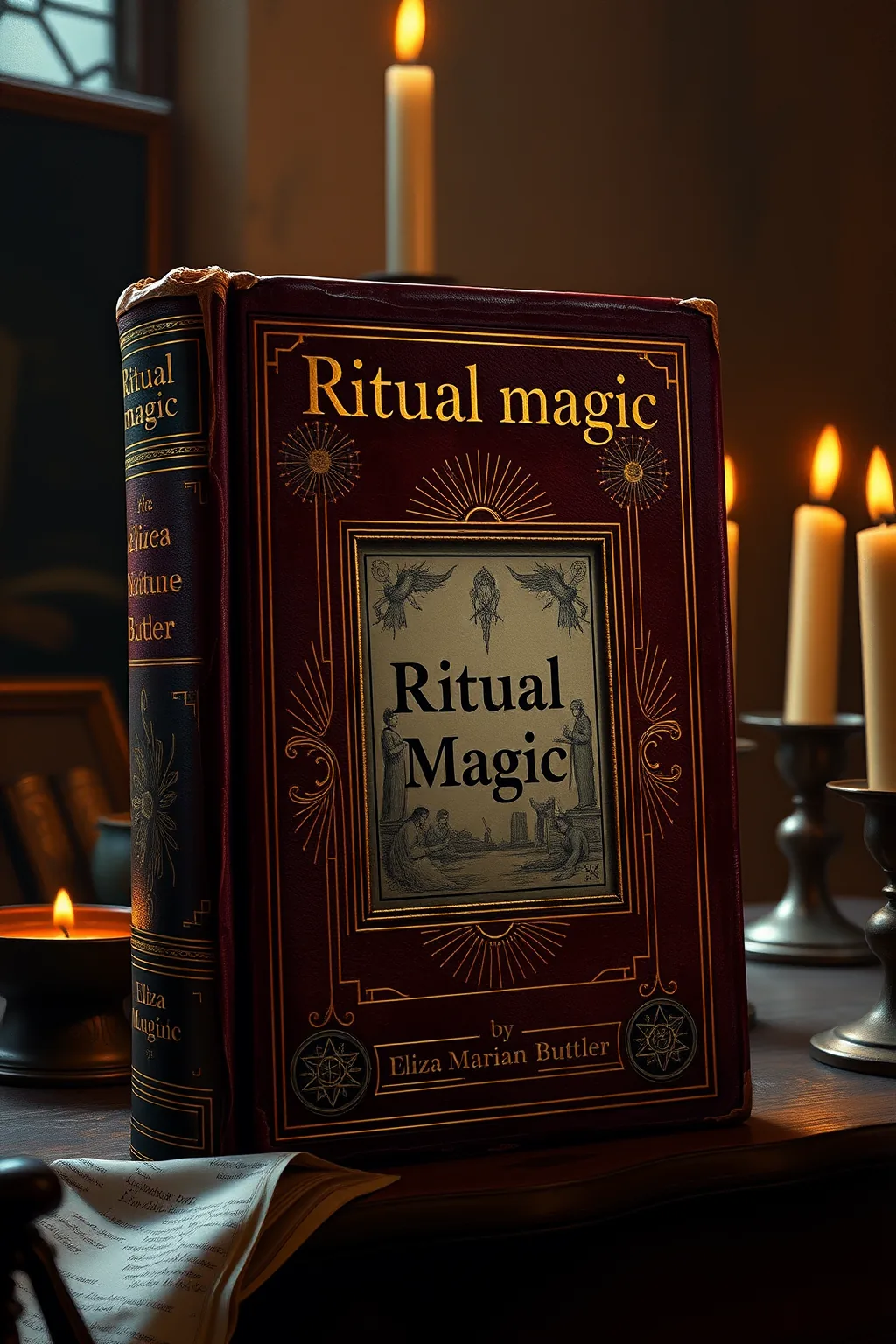
Ritual magic
 72
72

Ritual magic
Butler's "Ritual Magic" presents a meticulously researched survey, distinguishing itself from more devotional or practical manuals by its stringent historical methodology. Its greatest strength lies in its systematic deconstruction of magical theory, particularly how ideas about angelic and demonic invocation evolved from Neoplatonism through to figures like Agrippa and Dee. The book excels at charting the intellectual lineage of ritualistic concepts. However, its academic detachment, while admirable for historical accuracy, can render the subject matter somewhat dry for those seeking immediate experiential connection. A passage discussing the Renaissance conception of the magician as a philosopher-scientist, attempting to harness natural forces through symbolic rites, highlights the work's clarity but also its analytical distance. Butler provides essential context but offers little direct engagement with the lived practice of magic itself.
"Ritual Magic" is a foundational text for understanding the history of Western ceremonialism, albeit one best approached with an academic rather than a practitioner's mindset.
📝 Description
72
Eliza Marian Butler's 1959 study examines ceremonial magic's historical development.
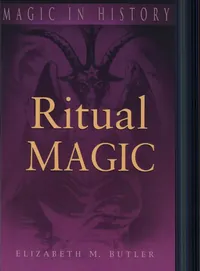
Eliza Marian Butler's "Ritual Magic" is a scholarly history of ceremonial magic, not a practical guide. Published in 1959, the book traces the conceptualization and practice of magic from antiquity to the early twentieth century. Butler investigates the intellectual foundations and societal contexts that shaped magical traditions. She focuses on how ideas about magic, its practitioners, and its role in society changed over time.
The volume is aimed at serious students of Western esoteric history, religious historians, and those who study comparative magic. It offers a solid historical understanding of how ritual magic has been viewed and debated. The book appeals to readers who prefer rigorous academic analysis of occult subjects, looking beyond sensationalism to the underlying philosophical and psychological aspects.
Butler's work emerged when academic and popular interest in the occult was rising. It provided a historical perspective that countered more uncritical contemporary views of magic. The book situates magical practices within larger historical and intellectual movements, distinguishing historical phenomena from later romanticized notions.
Published in 1959, "Ritual Magic" arrived during a period of growing academic and public fascination with the occult, following earlier waves of spiritualism and theosophy. Butler's approach offered a structured historical analysis, acting as a scholarly counterpoint to more immediate and less critical engagements with magic prevalent at the time. Her work contextualized magical practices within broader intellectual currents, drawing connections and distinctions between genuine historical occurrences and later romanticized interpretations, engaging with the scholarly milieu that included figures like Frances Yates re-evaluating Renaissance magic.
💡 Why Read This Book?
• Understand the historical evolution of ceremonial magic from antiquity to the 20th century, as Butler meticulously traces the intellectual shifts that defined different eras of magical practice, moving beyond simplistic notions of occultism. • Gain insight into the specific Renaissance magical worldview, exploring how figures like Heinrich Cornelius Agrippa integrated Neoplatonic philosophy and Kabbalistic ideas into their systematic approaches to ritual. • Distinguish between historical magical traditions and later romanticized or sensationalized interpretations, a critical skill for any serious student of esotericism, informed by Butler's analytical rigor.
⭐ Reader Reviews
Honest opinions from readers who have explored this book.
❓ Frequently Asked Questions
What is the primary focus of Eliza Marian Butler's 'Ritual Magic'?
The book's primary focus is a historical and scholarly examination of ceremonial magic. It analyzes the development of magical theories, practices, and concepts from ancient times up to the early 20th century, tracing their intellectual and social evolution.
Is 'Ritual Magic' a practical guide for performing spells?
No, 'Ritual Magic' is not a practical guide for performing spells. It is an academic historical analysis intended for students and scholars, offering context and theory rather than instructions for ritual performance.
What historical periods does Butler discuss in 'Ritual Magic'?
Butler discusses a broad range of historical periods, including ancient civilizations, the Neoplatonic era, the Renaissance with its prominent magical philosophers, and extends into the intellectual currents of the 19th and early 20th centuries.
Who was Heinrich Cornelius Agrippa and why is he relevant to this book?
Heinrich Cornelius Agrippa was a key figure in Renaissance occultism. Butler discusses his work, particularly 'De occulta philosophia libri tres', as a crucial synthesis of magical traditions that influenced later practitioners and thought.
What is the significance of Neoplatonism in Butler's analysis of ritual magic?
Neoplatonism is presented as a foundational philosophical system that heavily influenced early Christian and Renaissance magical thought. Butler explores how its concepts of emanation, divine intermediaries, and theurgy shaped subsequent magical theories and practices.
When was Eliza Marian Butler's 'Ritual Magic' first published?
Eliza Marian Butler's 'Ritual Magic' was first published in 1959, placing its scholarly analysis within a mid-20th-century context of renewed interest in esoteric studies.
🔮 Key Themes & Symbolism
Evolution of Magical Theory
Butler meticulously charts how conceptions of magic transformed from ancient philosophical systems like Neoplatonism to the systematic approaches of Renaissance figures such as Agrippa. She distinguishes between various categories of magic, like theurgy and goetia, and examines how ideas about invoking celestial or infernal powers evolved, showing that 'magic' was not a static concept but a dynamic field of belief and practice shaped by changing intellectual climates and societal views.
The Magician's Role
The work explores the shifting social and intellectual identities attributed to magicians throughout history. From the philosopher-magus of the Renaissance, seen as a natural scientist manipulating cosmic forces, to the more controversial figures of later periods, Butler examines how societal perceptions and the self-definition of practitioners influenced the practice and study of ritual magic. This includes analyzing the perceived relationship between magic, religion, and philosophy.
Symbolism and Invocation
Central to Butler's analysis is the role of specific symbols, names, and rituals in the practice of ceremonial magic. The book investigates the belief in the power of divine intermediaries, angelic hierarchies, and the efficacy of precise ritualistic forms. It examines how practitioners believed that by aligning themselves with cosmic forces through symbolic actions and correct invocation, they could achieve specific spiritual or material ends.
Historical Reception of Magic
Butler contextualizes the study of ritual magic within broader historical and intellectual movements. She contrasts genuine historical practices with later romanticized or sensationalized interpretations, highlighting the need for critical historical scholarship. The book implicitly addresses how esoteric traditions are understood and often misunderstood by both practitioners and academic observers, advocating for a nuanced historical perspective.
💬 Memorable Quotes
Direct passages from the work, attributed to the author.
“The belief in the efficacy of ritual magic was often tied to a coherent cosmology.”
— This statement highlights that magical practices were rarely isolated acts but were embedded within broader philosophical and religious frameworks that provided a rationale for their perceived power and purpose.
“The magician sought to understand and manipulate the hidden forces of nature.”
— This interpretation underscores the intellectual drive behind historical magic, positioning practitioners not merely as charlatans but as individuals engaged in a form of natural philosophy aimed at harnessing specific energies through symbolic means.
“Ceremonial magic often involved complex systems of correspondences and divine hierarchies.”
— This points to the intricate structure of many magical systems, which relied on detailed mappings of relationships between celestial bodies, earthly elements, spiritual beings, and symbolic representations to achieve ritualistic aims.
“Distinguishing historical practice from later embellishments is crucial.”
— Butler emphasizes the importance of rigorous historical analysis to separate documented magical traditions and beliefs from the more fanciful or sensationalized accounts that have accrued over time, particularly in popular culture.
“The evolution of magical thought mirrors broader intellectual shifts.”
— This concept suggests that changes in the practice and theory of magic are not isolated phenomena but are intrinsically linked to the wider philosophical, scientific, and religious currents of their respective eras.
🌙 Esoteric Significance
Tradition
Butler's work primarily engages with the Western Esoteric Tradition, particularly its Hermetic, Neoplatonic, and Kabbalistic currents as they manifested in ceremonial magic from antiquity through the Renaissance and into the modern era. It functions as a historical bridge, analyzing how these foundational esoteric philosophies were adapted and reinterpreted into structured ritual systems, offering a scholarly perspective on traditions often shrouded in myth or secrecy.
Symbolism
The book frequently discusses potent symbols and motifs within ritual magic. Key among these are angelic and demonic hierarchies, which represented ordered spiritual forces accessible through invocation in systems like those of Agrippa. The power of divine names and sacred geometry also features prominently, understood as fundamental components for establishing a connection with the divine or manipulating cosmic energies within a ritualistic framework.
Modern Relevance
Contemporary practitioners and scholars of Western esotericism, including those involved in modern Hermetic orders and Chaos Magick, draw upon Butler's work for its historical grounding. Thinkers exploring the psychology of ritual, comparative religion scholars, and historians of ideas continue to cite her analysis of the intellectual underpinnings of ceremonial magic, using it to contextualize modern practices within a long historical lineage.
👥 Who Should Read This Book
• Students of Western Esotericism: Those seeking a rigorous, historically informed understanding of ceremonial magic's development, its philosophical roots, and key figures like Agrippa will find this essential. • Historians of Religion and Philosophy: Researchers interested in how occult beliefs intersected with mainstream intellectual currents, particularly during the Renaissance and early modern periods, will benefit from its detailed analysis. • Comparative Magic Scholars: Individuals studying the evolution of magical theories and practices across different cultures and epochs will find Butler's systematic approach important for contextualizing specific traditions.
📜 Historical Context
Eliza Marian Butler's "Ritual Magic" was published in 1959, a period marked by a growing academic and popular fascination with the occult, following the spiritualist movements and theosophical societies of the late 19th and early 20th centuries. The book offered a disciplined, historical counterpoint to the often uncritical or sensationalist accounts prevalent at the time. It engaged with the intellectual landscape shaped by early 20th-century occultists like Aleister Crowley and scholarly works on Renaissance magic, such as Frances Yates's "The Art of Memory" (1966) which, though published slightly later, reflects the burgeoning interest in the period. Butler's work sought to situate magical practices within their specific historical and philosophical contexts, differentiating between genuine historical phenomena and later romanticized interpretations. The book's meticulous research and academic tone provided a much-needed scholarly foundation for understanding Western esoteric traditions, distinguishing itself from more esoteric-focused publications of its contemporaries.
📔 Journal Prompts
The Neoplatonic concept of theurgy as presented by Butler.
Agrippa's classification of magic in 'De occulta philosophia'.
The historical perception of the magician versus modern interpretations.
The role of divine names in ancient and Renaissance ritual.
How Butler differentiates between natural magic and ceremonial invocation.
🗂️ Glossary
Theurgy
A form of ritual magic, particularly associated with Neoplatonism, aiming at invoking divine beings or powers to achieve spiritual ascent or union with the divine.
Goetia
A branch of ceremonial magic concerned with the invocation of spirits, often considered lower or more earthly than theistic magic, typically involving the control or banishment of spirits.
Neoplatonism
A philosophical system originating in the 3rd century CE, heavily influenced by Plato, emphasizing the concept of 'The One' as the ultimate source of all reality and the goal of spiritual return.
Hermeticism
A religious, philosophical, and esoteric tradition based primarily upon writings attributed to Hermes Trismegistus, advocating for a synthesis of Greek philosophy and Egyptian religious beliefs, often involving magic, astrology, and alchemy.
Renaissance Magic
The diverse range of magical beliefs and practices prevalent in Europe during the Renaissance (c. 14th-17th centuries), often characterized by a fusion of classical, Kabbalistic, and astrological traditions with natural philosophy.
Invocation
The act of calling upon a deity, spirit, or higher power, often through prayer, ritual, or magical ceremony, with the intent of receiving assistance, guidance, or presence.
Correspondences
In esoteric traditions, the belief that various elements in the universe (planets, herbs, colors, metals, etc.) are symbolically linked and can be used in ritual to affect specific energies or outcomes.
🔮 Readers Also Liked
Browse all →









More by Eliza Marian Butler
All books →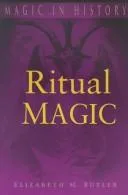

More Free Magic & Ritual Books
View all →