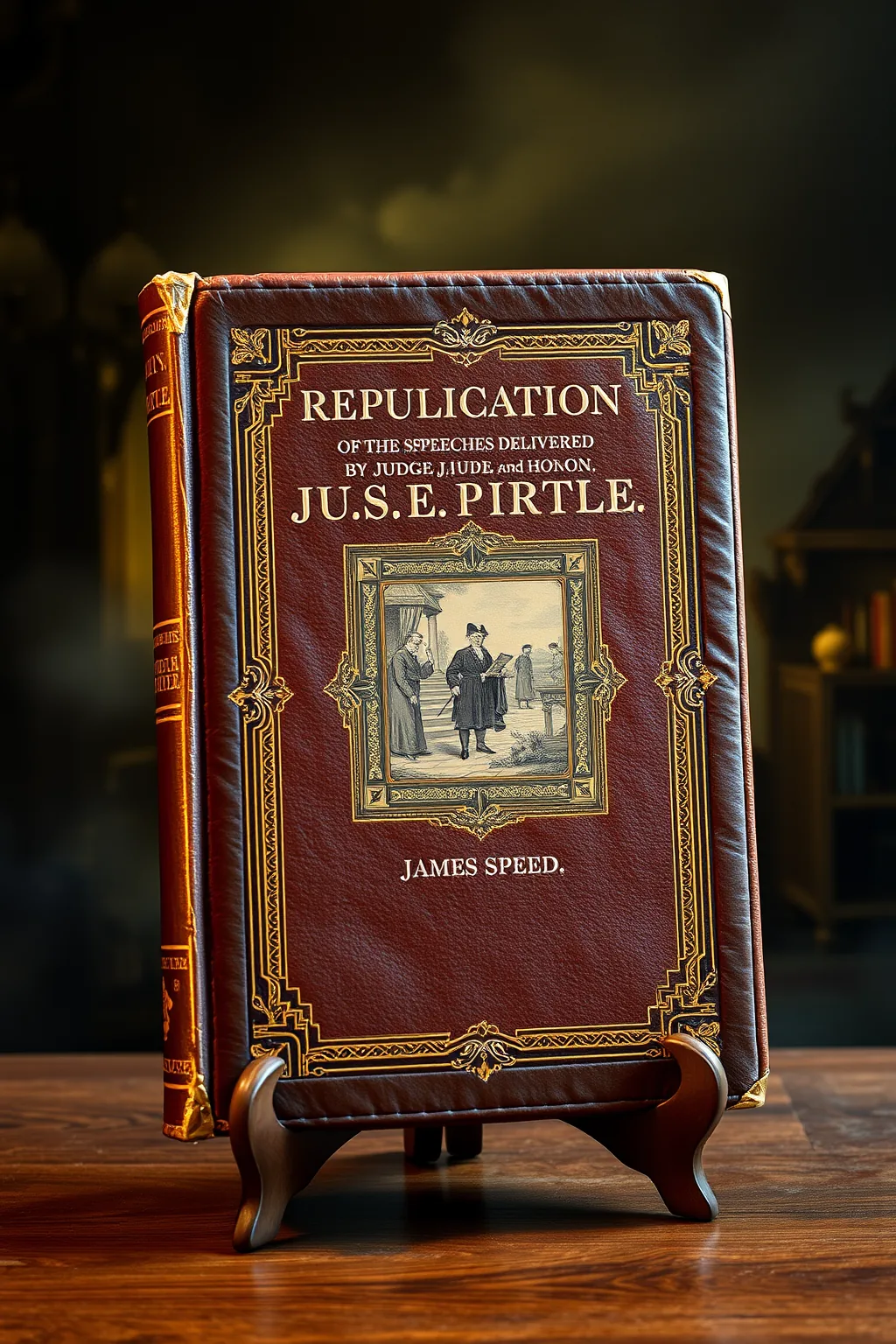
Republication of the speeches delivered by Judge J.S. Pirtle and Hon. E.J. McDermott at Masonic Temple, Friday, August 25, 1893
 84
84

Republication of the speeches delivered by Judge J.S. Pirtle and Hon. E.J. McDermott at Masonic Temple, Friday, August 25, 1893

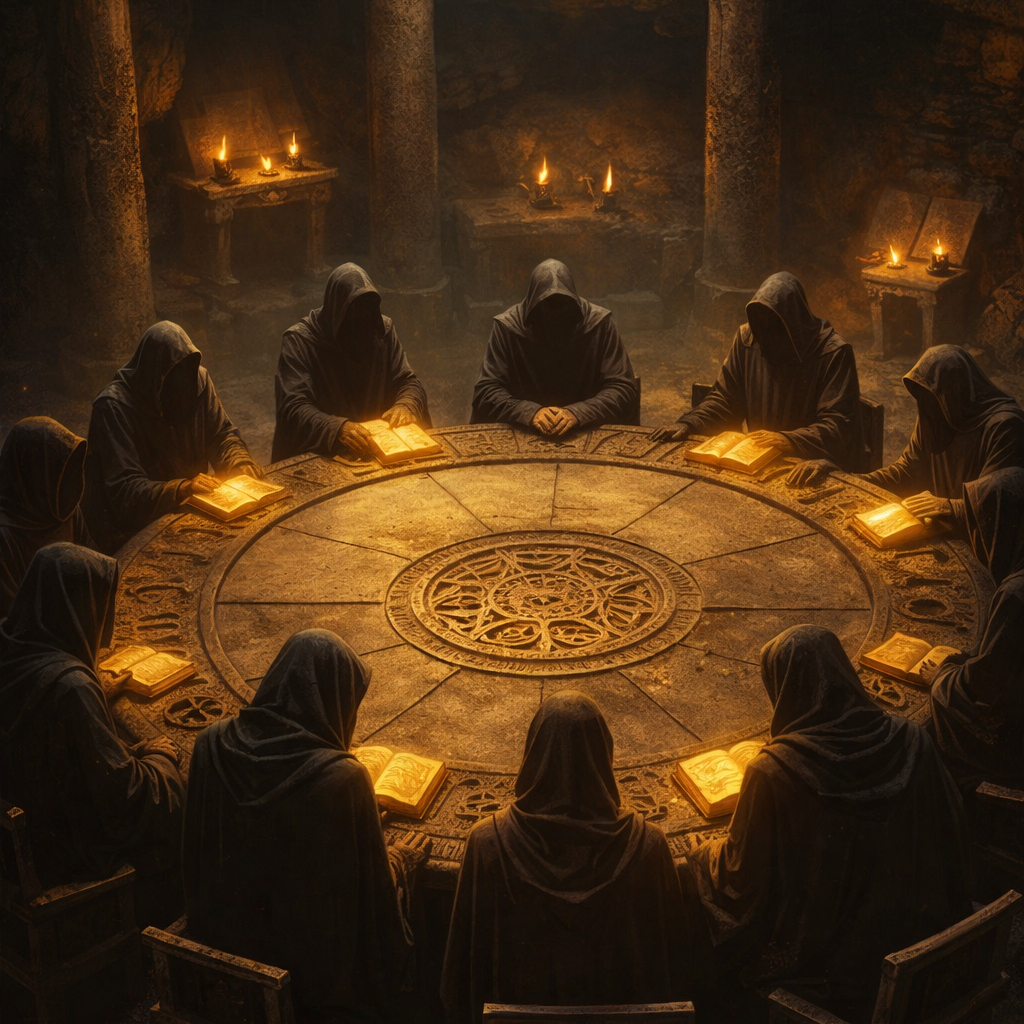

Sophia Crane (Associate Editor) — These meticulously transcribed speeches from 1893 offer a fascinating glimpse into the intricate interplay of rhetoric and societal influence, viewed through an esoteric lens. Pirtle and McDermott, beyond their overt political aims, reveal a deep understanding of the symbolic language of persuasion and community. Their addresses function as archetypal narratives, dissecting the 'will of the people' and the unseen forces that shape it. For seekers of hidden knowledge in political history, this work illuminates the esoteric underpinnings of civic engagement and the subtle art of leadership. It is a valuable addition for those who perceive the world as a grand, symbolic theatre.
📝 Description
84
Speeches by Judge J.S. Pirtle and Hon. E.J. McDermott were delivered at the Masonic Temple on August 25, 1893.
This volume collects speeches given by Judge J.S. Pirtle and Hon. E.J. McDermott in 1893. The speakers addressed the Masonic Temple audience on topics that touched on the mechanics of society and the unseen influences on communities. Their words discussed civic responsibility, moral strength, and the ways public opinion is shaped. These themes suggest a concern with underlying principles of governance and social order.
The speeches appear to engage with forces beyond immediate observation, framing societal issues through a particular intellectual lens. The speakers examined the symbolic and philosophical dimensions of public life, considering the enduring tension between opposing forces within a city. This collection is suited for readers interested in the historical underpinnings of social organization and the ways abstract concepts informed public discourse in the late 19th century.
The speeches from 1893, delivered within a Masonic Temple, engage with concepts that align with esoteric thought. The focus on 'hidden currents' guiding communities and the 'subtle manipulation of public sentiment' suggests an interest in forces and principles not immediately apparent to the general public. This aligns with esoteric traditions that seek understanding of deeper structures and influences behind manifest reality. The reference to 'symbolic battles' for a city's soul further places the discourse within a framework that interprets events and social dynamics through symbolic and allegorical lenses, common in hermetic and philosophical traditions.
✍️ Author
Pirtle, James S. (James Speed), 1840-1919; McDermott, Edward J. (Edward John), 1852-1926
Classic literature author · Public Domain
💡 Why Read This Book?
Uncover the hidden symbolism and rhetorical alchemy within 19th-century political discourse. This republication offers a unique perspective for scholars, seekers, and practitioners of esoteric thought to analyze the subtle forces shaping public opinion and civic destiny. Explore the parallels between Masonic ideals and the art of governance, revealing timeless truths about leadership and societal influence.
⭐ Reader Reviews
Honest opinions from readers who have explored this book.
❓ Frequently Asked Questions
What is the primary subject matter of these speeches?
The speeches primarily concern opposition to a mayoral candidate in Louisville, Kentucky, in 1893, framed within the context of civic duty and the moral fabric of the community.
Are these speeches directly related to Masonic rituals?
While delivered at a Masonic Temple and delivered by Masons, the speeches focus on civic and political matters, though they may allude to principles shared within Masonic teachings.
What makes these speeches 'esoteric'?
Their esoteric nature lies in the underlying themes of hidden influences, symbolic rhetoric, and the manipulation of societal currents, mirroring principles explored in various mystical traditions.
Who would benefit most from reading this republication?
Scholars of political history, Freemasonry enthusiasts, and individuals interested in the philosophical and symbolic dimensions of rhetoric and governance will find this work particularly insightful.
Is this book suitable for beginners in esoteric studies?
Yes, it provides a historical and accessible entry point to understanding how esoteric principles can manifest in seemingly secular contexts, such as public discourse.
🔮 Key Themes & Symbolism
The Art of Persuasion as Esoteric Practice
These speeches, delivered within the symbolic resonance of a Masonic Temple, transcend mere political argument. They reveal the speakers' mastery of rhetorical alchemy, treating public opinion as a crucible where ideas are forged and transformed. The carefully chosen words and appeals to civic virtue function as incantations, designed to shape the collective consciousness. This theme explores the hidden architecture of influence, exploring how leaders, consciously or unconsciously, tap into archetypal narratives and symbolic language to guide the will of the people, much like an initiate reading through the veiled pathways of higher knowledge.
Civic Duty and the Unseen Hand of Governance
Beyond the immediate political contest, Pirtle and McDermott articulate a vision of civic duty deeply intertwined with principles of order and moral rectitude, echoing the ethical frameworks often found in esoteric societies. Their discourse suggests that effective governance is not merely about policies, but about maintaining a societal equilibrium guided by unseen principles. This theme explores the responsibility of leadership to act as custodians of collective well-being, subtly implying the existence of forces that require careful stewardship and a discerning eye for the underlying currents of community life.
Symbolism in Public Discourse and Societal Harmony
The setting itself—the Masonic Temple—imbues these speeches with a layer of symbolic meaning. The very act of public address becomes a ritual, a performance of reasoned argument aimed at achieving a desired societal outcome. This theme examines how language, delivered within a space rich with its own symbolism, can act as a conduit for deeper truths. It highlights the potential for public discourse to either foster or disrupt societal harmony, depending on the speaker's intent and their understanding of the symbolic language that binds a community together, akin to the sacred geometries that underpin cosmic order.
💬 Memorable Quotes
Direct passages from the work, attributed to the author.
“We speak not of men, but of principles that guide them.”
— This highlights a focus on abstract ideals and ethical frameworks over individual personalities, a common characteristic of philosophical and esoteric discussions.
“Let reason be our compass, and virtue our guiding star.”
— This invokes the use of intellect and moral integrity as essential tools for navigation, reflecting symbolic guidance found in esoteric traditions.
“The foundations of a just society are laid in shared understanding.”
— This emphasizes the power of collective consciousness and agreement as the bedrock of any stable social order, mirroring concepts of unity in esoteric thought.
“Beware the shadows that seek to obscure the light of truth.”
— A classic call to vigilance against deception and ignorance, urging discernment and a commitment to uncovering hidden truths, a fundamental pursuit in esoteric studies.
💡 Key Ideas
Editorial paraphrase of the work's core concepts — not direct quotes.
The true measure of a city is not its stone, but its soul.
This quote suggests that material progress is secondary to the moral and spiritual well-being of a community, a core tenet in many esoteric philosophies.
🌙 Esoteric Significance
Tradition
These speeches, while rooted in a specific historical and political context, resonate with the underlying principles of Masonic philosophy and broader Western esoteric traditions. They touch upon the ideals of moral governance, the cultivation of virtue, and the importance of reasoned discourse in maintaining societal harmony. The very act of delivering such speeches at a Masonic Temple suggests an awareness of symbolic resonance and the power of shared ideals, mirroring the construction of sacred spaces and the transmission of wisdom within esoteric lineages.
Symbolism
The speeches likely employ potent symbolism, drawing parallels between civic leadership and the archetypal roles found in mythology and esoteric lore. Concepts such as 'light' versus 'shadow,' 'order' versus 'chaos,' and the 'temple' as a metaphor for the community itself, are probable symbolic touchstones. The rhetoric would have aimed to evoke a sense of shared purpose and moral direction, using language that, to the initiated, carried deeper layers of meaning related to personal and collective evolution.
Modern Relevance
In an age often characterized by superficial discourse and political polarization, these speeches offer a valuable reminder of the power of reasoned argument and ethical leadership. Their focus on underlying principles and the importance of societal well-being provides a timeless framework for understanding contemporary civic challenges. The exploration of rhetorical strategy and symbolic influence remains acutely relevant for anyone seeking to understand how narratives are constructed and how collective consciousness is shaped in the modern era.
👥 Who Should Read This Book
This republication is a treasure for the discerning mind. Scholars of American political history and Freemasonry will find invaluable primary source material. Seekers of esoteric wisdom will appreciate the subtle exploration of rhetorical alchemy and the symbolic underpinnings of civic life. Practitioners interested in the application of philosophical principles to societal structures will discover a rich case study. Even those new to esoteric thought can engage with the accessible yet profound discussions on leadership, virtue, and the unseen forces that shape our world.
📜 Historical Context
Delivered in the bustling urban field of Louisville, Kentucky, on August 25, 1893, these speeches emerged from a period of significant social, economic, and political transformation in the United States. The late 19th century was an era marked by rapid industrialization, burgeoning cities, and intense political rivalries. This was also a time when fraternal organizations like Freemasonry held considerable social and cultural influence, often serving as intellectual and civic hubs. The speeches by Pirtle and McDermott, while ostensibly focused on a local mayoral election, can be understood as reflections of broader societal anxieties and aspirations. They represent a moment where public discourse was heavily influenced by notions of order, virtue, and the perceived moral underpinnings of society, often drawing upon principles that resonated with the philosophical currents explored within secretive orders.
📔 Journal Prompts
How does the concept of 'civic soul' as described in the speeches relate to your own understanding of community well-being?
Analyze the rhetorical devices used in the speeches. Do they employ symbolic language that appeals to esoteric traditions?
In what ways can the pursuit of 'shared understanding' be considered an esoteric practice in modern society?
Reflect on the 'shadows that seek to obscure the light of truth' in contemporary public discourse. How can one maintain vigilance and discernment?
Consider the 'foundations of a just society.' What are the essential, perhaps unseen, elements required for true societal harmony?
🗂️ Glossary
Esoteric
Relating to or accessible only by a restricted number of people with a special knowledge or interest; inner, secret, or occult.
Rhetorical Alchemy
The art of transforming raw ideas and emotions into persuasive discourse through skillful use of language and symbolism, akin to transmuting base metals into gold.
Civic Virtue
Qualities that are believed to be necessary for the well-being of a society, such as patriotism, integrity, and a willingness to serve the public good.
Archetypal Narrative
A recurring theme or symbol in literature and mythology that represents universal human experiences and emotions, often found in esoteric teachings.
Collective Consciousness
A concept suggesting that individuals share a common set of beliefs, ideas, and moral attitudes that operate as a unifying force within society.
This book appears in 2 collections
🔮 Readers Also Liked
Browse all →




From the “Secret Societies” Collection
View all →



More Free Freemasonry & Secret Societies Books
View all →