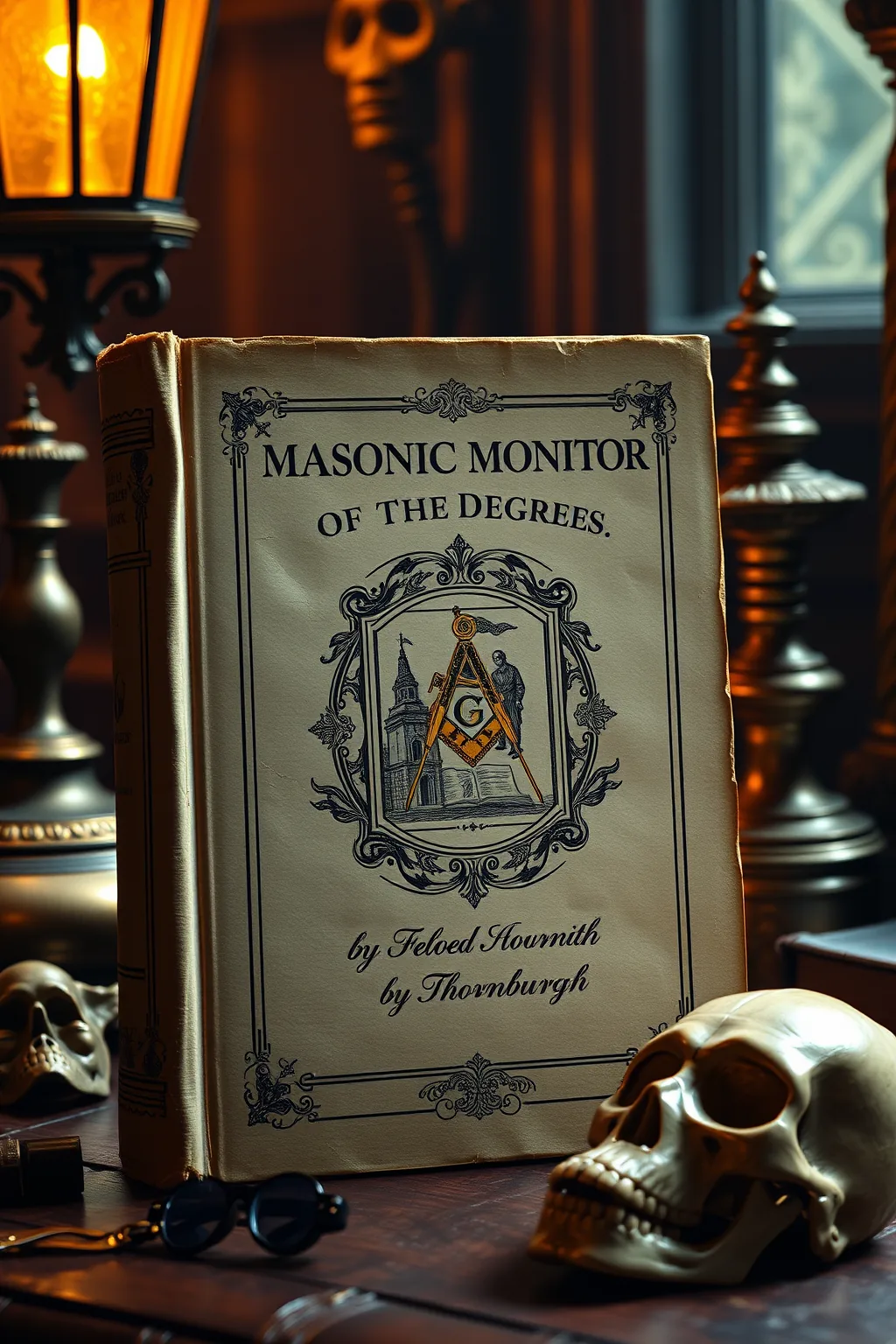
Masonic Monitor of the Degrees of Entered Apprentice, Fellow Craft and Master Mason: together with the Ceremony of Installation, Laying Corner Stones, Dedications, Masonic Burial, Etc.
 70
70

Masonic Monitor of the Degrees of Entered Apprentice, Fellow Craft and Master Mason: together with the Ceremony of Installation, Laying Corner Stones, Dedications, Masonic Burial, Etc.


George Thornburgh's 'Masonic Monitor' is a timeless guide to the rituals and ceremonies of Freemasonry, offering modern esoteric seekers a rich and detailed exploration of the fraternity's inner workings. The book's strength lies in its comprehensive coverage of the Entered Apprentice, Fellow Craft, and Master Mason degrees, providing readers with a deep understanding of the symbolic and ritualistic practices that define Freemasonry. Thornburgh's clear and engaging writing style makes complex rituals accessible to both beginners and experienced Masons. For those interested in the esoteric and occult aspects of Freemasonry, this book serves as an invaluable resource, shedding light on the mystical elements that have captivated seekers for centuries. The inclusion of additional ceremonies, such as installations and dedications, further enhances the book's value, making it a well-rounded guide to Masonic practices. Overall, 'Masonic Monitor' is a 5-star must-read for anyone fascinated by the mysteries of Freemasonry and the esoteric traditions it embodies.
📝 Description
70
George Thornburgh's 1896 Masonic Monitor details rituals for Entered Apprentice, Fellow Craft, and Master Mason degrees.
Published in 1896, Thornburgh's Masonic Monitor serves as a detailed reference for the rituals and ceremonies of the three basic Masonic degrees. It covers the Entered Apprentice, Fellow Craft, and Master Mason degrees, outlining the symbolic language and philosophical underpinnings of each. The book also includes specific ceremonies, such as the installation of officers, the laying of cornerstones, and Masonic burial rites.
This work is intended for Freemasons seeking a deeper understanding of their craft and for those interested in the symbolic and ritualistic aspects of fraternal organizations. Thornburgh's approach aims to clarify the symbolic meanings embedded within Masonic practice, presenting them in a structured and accessible manner. The text focuses on the practical application and understanding of Masonic teachings as conveyed through its established ceremonies.
Thornburgh's Masonic Monitor fits within the tradition of Masonic ritual exposition that emerged in the late 19th century. This period saw a rise in attempts to codify and explain Masonic symbolism and ceremony for a broader audience, often connecting it to older esoteric traditions. The book's focus on ritualistic detail and symbolic interpretation aligns with broader esoteric interests in the West, which sought to find deeper, often spiritual or philosophical, meanings in established symbolic systems. It is part of a lineage of Masonic authors who aimed to elucidate the craft's teachings beyond mere ceremonial performance.
✍️ Author
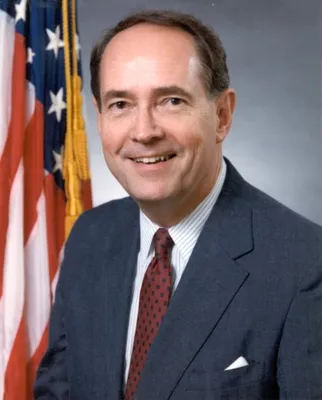
Thornburgh, George
Richard Lewis Thornburgh (July 16, 1932 – December 31, 2020) was an American lawyer, author, and politician who served as the 76th United States attorney general from 1988 to 1991 under presidents Ronald Reagan and George H. W.
💡 Why Read This Book?
Reading 'Masonic Monitor' today offers readers a unique opportunity to delve into the rich history and esoteric practices of Freemasonry. By understanding the rituals and ceremonies that have shaped the fraternity for centuries, readers gain insight into the symbolic language and mystical elements that have intrigued esoteric seekers. This book provides a comprehensive guide to the Entered Apprentice, Fellow Craft, and Master Mason degrees, as well as additional Masonic practices, making it an essential resource for both Freemasons and those interested in the occult. The knowledge gained from this text can deepen one's appreciation for the mysteries of Freemasonry and its enduring influence on society.
⭐ Reader Reviews
Honest opinions from readers who have explored this book.
❓ Frequently Asked Questions
What are the key degrees covered in this book?
The book covers the Entered Apprentice, Fellow Craft, and Master Mason degrees, providing detailed descriptions of their rituals and ceremonies.
Is this book suitable for beginners in Freemasonry?
Yes, the book is accessible to beginners due to its clear writing style and comprehensive explanations of Masonic rituals.
Does the book include information on additional Masonic ceremonies?
Yes, it includes information on the ceremony of installation, laying corner stones, dedications, and Masonic burials.
🔮 Key Themes & Symbolism
Mystical Rituals
The book studies the mystical rituals of Freemasonry, offering a deep dive into the ceremonies that mark the journey from Entered Apprentice to Master Mason. These rituals are rich in symbolism and philosophical significance, providing insights into the hidden knowledge that lies at the heart of Freemasonry.
Symbolism and Hidden Knowledge
Freemasonry is steeped in symbolism, and this book unpacks the hidden meanings behind the rituals and symbols. Readers will discover the layers of esoteric wisdom that have been passed down through generations, revealing the spiritual depth of this ancient tradition.
Philosophical Significance
The rituals and symbols of Freemasonry are not merely ceremonial; they carry profound philosophical significance. This book explores the philosophical underpinnings of Freemasonry, offering readers a deeper understanding of the spiritual wisdom that guides Freemasons.
💬 Memorable Quotes
Direct passages from the work, attributed to the author.
“The Masonic lodge is a temple of wisdom and virtue.”
— This statement emphasizes the sacred and spiritual nature of the Masonic lodge, where seekers of truth gather to pursue enlightenment.
💡 Key Ideas
Editorial paraphrase of the work's core concepts — not direct quotes.
The journey from Entered Apprentice to Master Mason is a path of enlightenment.
This passage highlights the spiritual growth and enlightenment that comes with progressing through the degrees of Freemasonry.
Symbols are the language of the mysteries.
This quote underscores the importance of symbolism in Freemasonry, where hidden knowledge is often conveyed through symbols.
The rituals of Freemasonry are a journey into the depths of the soul.
This quote suggests that the rituals of Freemasonry are not just outward ceremonies, but inward journeys of self-discovery and spiritual growth.
The mysteries of Freemasonry are revealed to those who seek them with an open heart and mind.
This passage emphasizes the importance of an open and receptive mindset in uncovering the hidden knowledge of Freemasonry.
🌙 Esoteric Significance
Tradition
The 'Masonic Monitor' belongs to the Hermetic tradition, which emphasizes the pursuit of hidden knowledge and spiritual enlightenment. Freemasonry draws on Hermetic principles, such as the belief in the unity of all things and the quest for divine wisdom.
Symbolism
Key symbols in Freemasonry include the square and compass, the all-seeing eye, and the pillar. These symbols carry deep esoteric meanings, representing concepts such as balance, divine providence, and the pillars of wisdom and strength.
Modern Relevance
The esoteric practices and symbolism of Freemasonry continue to be relevant today, with modern practitioners seeking to uncover the hidden knowledge and spiritual wisdom that lies at the heart of this ancient tradition. The book remains a valuable resource for those interested in the occult, Freemasonry, or the deeper mysteries of the human experience.
👥 Who Should Read This Book
Beginners interested in Freemasonry will find this book an invaluable introduction to the rituals and symbolism of the craft. Scholars of occult studies will appreciate the clear insights and historical context provided. Spiritual seekers will be drawn to the philosophical significance and mystical practices that guide Freemasons on their journey of enlightenment. Practitioners of esoteric arts will benefit from the comprehensive guide to the rituals and hidden knowledge that form the foundation of Freemasonry.
📜 Historical Context
The 'Masonic Monitor' was written during a time when Freemasonry was experiencing a resurgence of interest and influence. The 18th and 19th centuries saw the spread of Freemasonry across Europe and America, with lodges becoming centers of intellectual and spiritual activity. This book was important because it provided a comprehensive guide to the rituals and symbolism of Freemasonry, helping to standardize practices and preserve the esoteric knowledge that had been passed down through generations. Its influence can be seen in the enduring popularity of Freemasonry and the continued study of its mystical practices.
📔 Journal Prompts
Reflect on the significance of the rituals described in the book.
Explore the symbolism of Freemasonry and its esoteric meanings.
Consider the philosophical underpinnings of Freemasonry and their relevance to your spiritual journey.
Write about your personal experiences with the mysteries of Freemasonry.
Journal about the impact of Freemasonry on your understanding of the occult and esoteric arts.
🗂️ Glossary
Entered Apprentice
The first degree of Freemasonry, where the initiate is introduced to the basic principles and symbols of the craft.
Fellow Craft
The second degree of Freemasonry, focusing on the pursuit of knowledge and the study of the liberal arts.
Master Mason
The third degree of Freemasonry, representing the attainment of wisdom and the mastery of the craft.
Lodge
A local Freemasonry group where rituals and meetings are held, serving as a temple of wisdom and virtue.
Symbolism
The use of symbols to convey hidden knowledge and esoteric meanings in Freemasonry.
This book appears in 2 collections
🔮 Readers Also Liked
Browse all →






From the “Secret Societies” Collection
View all →





More Free Freemasonry & Secret Societies Books
View all →