Palæography: Notes upon the History of Writing and the Medieval Art of Illumination
 69
69

Palæography: Notes upon the History of Writing and the Medieval Art of Illumination


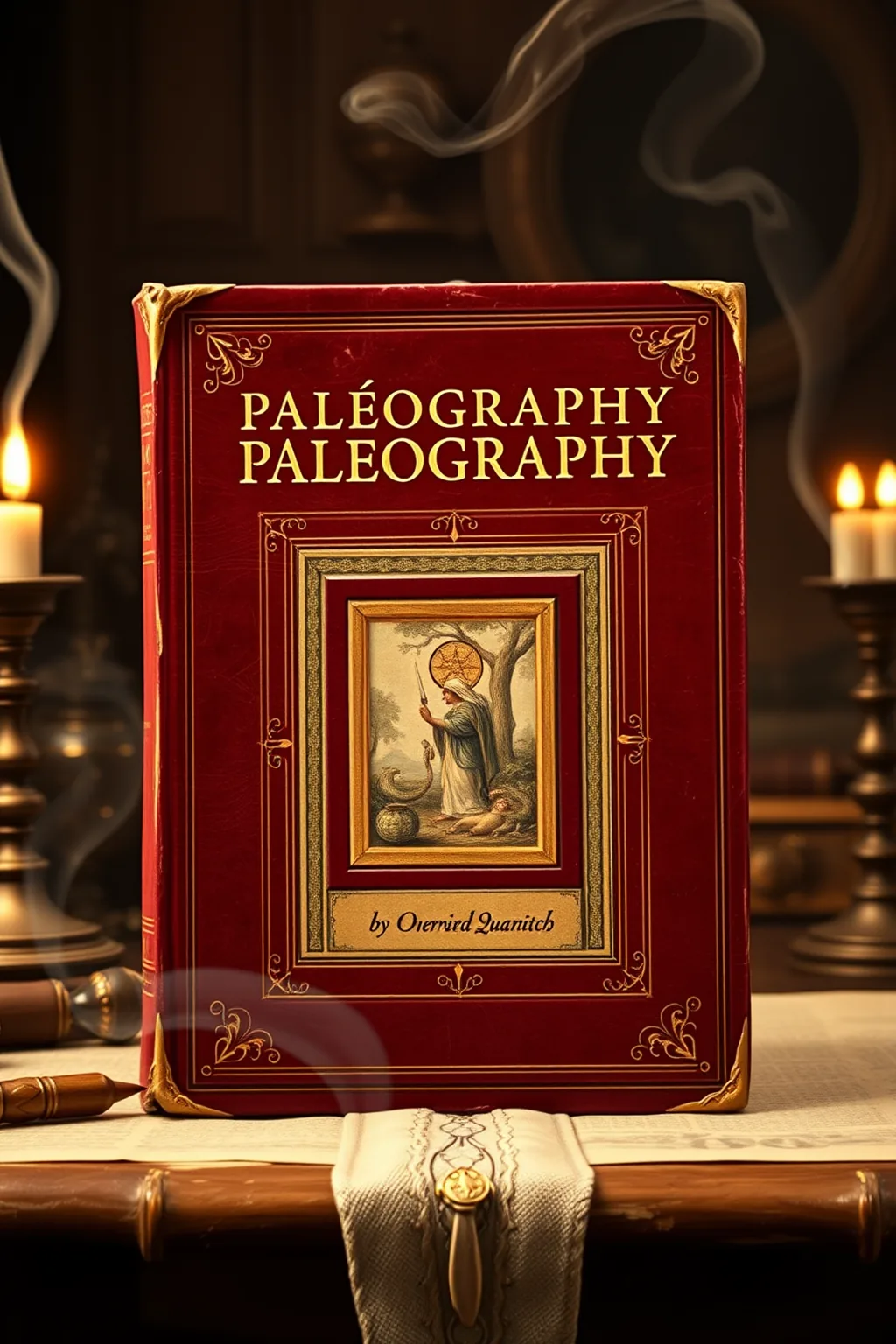
Bernard Quaritch's Palæography: Notes upon the History of Writing and the Medieval Art of Illumination is a fascinating exploration of the esoteric and occult dimensions of medieval manuscript illumination. Published in 1819, this book remains a vital resource for modern esoteric seekers, offering a detailed examination of the symbolism and artistry found in illuminated manuscripts. Quaritch's meticulous research and insightful commentary provide a deep understanding of the historical and cultural context in which these manuscripts were created, making it an invaluable tool for anyone interested in Freemasonry, secret societies, and the occult. The book's detailed illustrations and descriptions of various illuminated manuscripts make it a visual as well as intellectual feast, allowing readers to appreciate the beauty and complexity of these ancient artworks. For those seeking to uncover the hidden meanings and mystical practices of the past, Palæography is an essential addition to any esoteric library. Rating:
📝 Description
69
Bernard Quaritch's 1894 'Palæography' examines the hidden symbolism in medieval manuscript illumination.
Bernard Quaritch's 1894 notes focus on the history of writing and the medieval art of illumination. The book argues that manuscript illumination was more than decoration; it was a practice conveying hidden knowledge through potent symbolism and spiritual meaning. Quaritch details an age where the scribe's work was imbued with significant depth, turning illuminated manuscripts into sacred objects that preserved ancient wisdom.
This work is intended for those interested in esoteric truths, the history of occult practices, and mystical arts. It guides readers through the core of medieval illumination, uncovering the concealed layers of symbolism and the spiritual force contained within these revered texts.
This book engages with the esoteric tradition by treating medieval manuscript illumination as a system of coded knowledge. It suggests that the elaborate visual elements were not merely aesthetic but served as carriers of deeper spiritual and occult meanings. The focus on hidden layers and mystical power connects it to historical movements that sought concealed truths within established religious and artistic forms, viewing these artifacts as more than historical records but as active conduits of arcane understanding.
✍️ Author
Quaritch, Bernard
Zhang Yi (fl. 227–232), styled Zhì Ràng (稚让), was a native of Cao Wei of the Three Kingdoms period.
💡 Why Read This Book?
Reading Palæography: Notes upon the History of Writing and the Medieval Art of Illumination today offers readers a unique opportunity to explore the mystical and esoteric dimensions of medieval manuscript illumination. This book provides a deep understanding of the symbolism and artistry found in illuminated manuscripts, making it an invaluable resource for scholars, practitioners of Freemasonry, and enthusiasts of the occult. By delving into the historical and cultural context of these ancient artworks, readers can gain insights into the secretive practices and symbols used by various esoteric groups, enriching their knowledge and appreciation of the occult.
⭐ Reader Reviews
Honest opinions from readers who have explored this book.
❓ Frequently Asked Questions
What is the main focus of Palæography?
The main focus of Palæography is the history of writing and the medieval art of illumination, particularly the esoteric and occult symbolism found in illuminated manuscripts.
Who should read this book?
This book is ideal for scholars of paleography, practitioners of Freemasonry, and anyone interested in the occult and secret societies.
What historical period does the book cover?
The book covers the evolution of writing systems and the art of manuscript illumination from ancient times to the Middle Ages.
🔮 Key Themes & Symbolism
The Art of Illumination
Illumination was more than decoration; it was a mystical practice imbued with esoteric symbolism. Each stroke of the pen held hidden meanings, making these manuscripts sacred artifacts of ancient wisdom.
Esoteric Symbolism
The symbols used in illuminated manuscripts were not arbitrary; they held deep philosophical significance, often rooted in ancient esoteric traditions like Hermeticism and Kabbalah.
Hidden Knowledge
Medieval illuminators encoded hidden knowledge within their works, making these manuscripts repositories of mystical and occult wisdom, accessible only to the initiated.
💡 Key Ideas
Editorial paraphrase of the work's core concepts — not direct quotes.
The illuminated manuscript was a sacred artifact, a guardian of ancient wisdom.
This quote underscores the mystical significance of illuminated manuscripts, highlighting their role as repositories of hidden knowledge.
Each stroke of the pen held a deeper meaning, a symbol of the divine.
This line emphasizes the esoteric symbolism embedded in the art of illumination, where every detail held spiritual significance.
The art of illumination was a mystical practice, a journey into the heart of the divine.
This passage highlights the philosophical depth of illuminated manuscripts, revealing their role in spiritual exploration.
The symbols used were not arbitrary but held deep philosophical significance.
This quote underscores the esoteric traditions that influenced the art of illumination, making these manuscripts sacred texts.
Medieval illuminators encoded hidden knowledge within their works, accessible only to the initiated.
This line emphasizes the mystical power of illuminated manuscripts, revealing their role as guardians of ancient wisdom.
🌙 Esoteric Significance
Tradition
This book belongs to the Hermetic and Kabbalistic traditions, exploring the esoteric symbolism and hidden knowledge embedded in medieval illuminated manuscripts.
Symbolism
Key symbols include astronomical motifs, biblical scenes, and mystical creatures, each holding deep philosophical significance and spiritual power.
Modern Relevance
The esoteric insights and symbolism discussed in the book are still relevant today, influencing modern practitioners and scholars of the occult, and providing a deeper understanding of the mystical power behind these sacred texts.
👥 Who Should Read This Book
Beginners interested in the mystical and occult aspects of medieval illumination will find this book accessible and enlightening. Scholars of occult history will appreciate its detailed exploration of esoteric traditions. Spiritual seekers will be drawn to its philosophical depth and the hidden knowledge revealed within. Practitioners of the mystical arts will find it a valuable resource for understanding the symbolism and spiritual significance of illuminated manuscripts.
📜 Historical Context
Bernard Quaritch's 'Palæography' was written during a time when interest in medieval manuscripts and their esoteric symbolism was growing. The book provided a comprehensive exploration of the art of illumination, revealing the hidden knowledge and philosophical significance embedded in these ancient texts. Its influence can be seen in modern scholarship and the ongoing fascination with the mystical and occult aspects of medieval illumination.
📔 Journal Prompts
How does the esoteric symbolism in illuminated manuscripts reflect ancient wisdom?
In what ways do the hidden meanings in these texts influence modern spiritual practices?
What philosophical significance do the symbols in illuminated manuscripts hold?
How can understanding the art of illumination deepen one's spiritual journey?
What role did medieval illuminators play in preserving ancient mystical knowledge?
🗂️ Glossary
Illumination
The art of decorating manuscripts with gold or silver leaf, often imbued with esoteric symbolism and hidden knowledge.
Esoteric Symbolism
Symbols used in illuminated manuscripts that hold deep philosophical significance and spiritual power, often rooted in ancient esoteric traditions.
Hidden Knowledge
The mystical and occult wisdom encoded within illuminated manuscripts, accessible only to the initiated.
Hermeticism
An esoteric tradition that emphasizes the divine and mystical aspects of the natural world, often reflected in the symbolism of illuminated manuscripts.
Kabbalah
A mystical tradition within Judaism that explores the esoteric meanings behind sacred texts, often influencing the symbolism in illuminated manuscripts.
This book appears in 2 collections
🔮 Readers Also Liked
Browse all →
From the “Secret Societies” Collection
View all →








More Free Freemasonry & Secret Societies Books
View all →

![Gould R F History Of Freemasonry Throughout The World V 1 [ 1936 Ed][ 437p]](/img/thumb/gould-r-f-history-of-freemasonry-throughout-the-world-v-1-1936-ed-437p.webp)