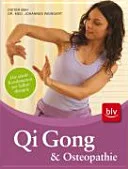
Qi Gong & Osteopathie
 72
72

Qi Gong & Osteopathie
Dieter Beh and Johannes Weingart’s Qi Gong & Osteopathie offers a commendable, if somewhat specialized, exploration of the synergy between energetic cultivation and manual therapy. Its primary strength lies in its clear articulation of how the principles of Qi Gong can inform and amplify osteopathic interventions. The authors successfully demystify complex energetic concepts, making them accessible to practitioners unfamiliar with Eastern traditions. A limitation, however, is the book's inherent focus on practitioners already grounded in one of the two disciplines; a complete novice might find the technical jargon overwhelming. The detailed explanation of how specific Qi Gong movements can influence fascial tension is particularly insightful, demonstrating a tangible link between the energetic and the structural. Ultimately, this text serves as a valuable resource for those seeking to bridge the gap between somatic and energetic healing modalities.
📝 Description
72
Dieter Beh and Johannes Weingart published Qi Gong & Osteopathie in 2009, linking ancient Chinese energy work with Western manual therapy.
Published in 2009, Qi Gong & Osteopathie by Dieter Beh and Johannes Weingart connects the principles of Qi Gong with osteopathic practice. The authors detail how cultivating vital energy through Qi Gong can support and improve osteopathic treatments, presenting a unified view of physical and energetic health. The book is aimed at osteopathic practitioners interested in incorporating subtle energetic techniques and Qi Gong instructors who wish to grasp the structural aspects of energy work. It also appeals to therapists from different backgrounds and individuals familiar with either discipline who want to understand the combined potential of these healing methods.
This work appeared during a time of increasing interest in integrating complementary and alternative medicine with conventional approaches. Qi Gong & Osteopathie reflects this trend by exploring interdisciplinary methodologies and challenging the strict divisions often found in established medical fields. Its 2009 publication date situates it within a period of growing, though debated, academic interest in mind-body connections and energy medicine. The book examines how Qi, or vital energy, affects the body's structure and function, and conversely, how osteopathic manipulation can influence energetic flow.
This book sits within a modern esoteric current that seeks to harmonize distinct healing traditions. It bridges the gap between traditional Chinese energetic practices, rooted in concepts of vital force (Qi), and Western somatic therapies like Osteopathy, which focus on the body's mechanical integrity. The work reflects a broader movement in complementary and alternative medicine to find common ground and synergistic relationships between practices that historically operated in separate spheres, aiming for a more integrated understanding of health and well-being.
💡 Why Read This Book?
• Learn to synchronize breathwork and manual adjustments, inspired by Qi Gong's emphasis on breath control, to enhance therapeutic outcomes in osteopathy. • Understand how specific Qi Gong exercises, as detailed in the text, can be integrated to address fascial restrictions and improve energetic flow within the body. • Gain insight into the 2009 publication context, which highlights a growing interdisciplinary approach to healing, moving beyond the silos of Eastern and Western medicine.
⭐ Reader Reviews
Honest opinions from readers who have explored this book.
❓ Frequently Asked Questions
What is the primary goal of integrating Qi Gong with Osteopathy as presented in the book?
The primary goal is to enhance holistic healing by combining the energetic cultivation of Qi Gong with the structural and biomechanical focus of Osteopathy, leading to improved patient vitality and well-being.
Who are the authors of Qi Gong & Osteopathie?
The book was authored by Dieter Beh and Johannes Weingart, first published in 2009.
Can someone new to both Qi Gong and Osteopathy benefit from this book?
While the book offers valuable insights, individuals new to both disciplines might find it more beneficial to first gain foundational knowledge in either Qi Gong or Osteopathy separately before diving into their integration.
What specific types of health issues does the book suggest can be addressed by this integrated approach?
The book suggests that this integrated approach can address musculoskeletal issues, improve organ function, and enhance overall vitality by influencing both the body's structure and its energetic pathways.
Does the book provide practical exercises or techniques?
Yes, Qi Gong & Osteopathie details specific Qi Gong exercises and osteopathic techniques, proposing methods for their combined application in therapeutic settings.
What is the significance of the 2009 publication date?
The 2009 publication date situates the book within a period of increasing interest in complementary and alternative medicine and mind-body connections, reflecting a trend toward interdisciplinary healing practices.
🔮 Key Themes & Symbolism
Energetic Anatomy
The work meticulously details the concept of Qi, the vital life force central to Chinese medicine, and its pathways (meridians) within the human body. It posits that understanding and manipulating Qi is crucial for optimal health. This energetic anatomy is then correlated with the fascial networks and biomechanical structures that osteopathy addresses, suggesting that physical restrictions can impede Qi flow and vice versa. The book encourages practitioners to perceive the body not just as a physical construct but as an interconnected energetic system.
Synergy of Practice
A central theme is the potent synergy achieved when Qi Gong exercises and osteopathic manipulations are employed in concert. The book explores how specific Qi Gong movements, such as those focused on breath regulation and mindful intention, can prepare the body for osteopathic adjustments by fostering relaxation and increasing energetic receptivity. Conversely, osteopathic techniques are presented as methods to further refine and direct the flow of Qi, addressing blockages that might persist even after energetic cultivation.
Holistic Treatment Models
Qi Gong & Osteopathie advocates for a shift in thinking towards more integrated and holistic treatment models. It challenges the tendency to compartmentalize healing approaches into 'Eastern' and 'Western' categories. By demonstrating the practical applications and theoretical underpinnings of combining these two disciplines, the authors provide a framework for practitioners to offer more comprehensive care that addresses both the physical form and the vital energy animating it, promoting deeper and more sustained healing.
Therapeutic Intention and Presence
Beyond the physical techniques, the book emphasizes the crucial role of the practitioner's energetic presence and intention. Qi Gong training cultivates a focused, calm, and centered state in the practitioner, which is believed to enhance the efficacy of their touch and guidance. This intentionality is presented as a vital component that amplifies the therapeutic effects of osteopathic adjustments, creating a more potent healing environment for the patient by harmonizing the energetic fields of both practitioner and recipient.
💬 Memorable Quotes
Direct passages from the work, attributed to the author.
“Qi is the subtle energy that animates the physical form.”
— This statement expresses the fundamental premise of the book: that life force energy, known as Qi, is not merely an abstract concept but a tangible element influencing physical health and structure.
“Fascial restrictions can impede the natural flow of Qi.”
— This highlights the core connection explored: how physical blockages identified and treated in osteopathy directly correlate with disruptions in the body's energetic pathways, as understood in Qi Gong.
“Breath is the bridge between the energetic and the physical.”
— This points to the critical role of respiration as a mechanism through which practitioners can consciously influence both the body's structure and its vital energy, a key aspect of the integrated approach.
“The practitioner's energetic state profoundly impacts the treatment.”
— This emphasizes the importance of the therapist's own internal cultivation and focused intention, suggesting that their energetic presence is as significant as their technical skill in facilitating healing.
“Osteopathic adjustment can refine and direct energetic flow.”
— This interpretation suggests that the physical manipulations performed in osteopathy are not solely mechanical but can also serve to actively guide and optimize the movement of Qi within the body.
🌙 Esoteric Significance
Tradition
This work draws heavily from Taoist principles inherent in Qi Gong, a tradition focused on cultivating vital energy (Qi) and harmonizing with the natural flow of the universe (the Tao). While osteopathy is a Western manual therapy, the book frames its structural approach through an energetic lens, aligning with broader esoteric traditions that view the physical body as a manifestation of subtler energies. It bridges the gap between the observable physical and the unseen energetic, a common goal in many mystical paths seeking to understand the unity of existence.
Symbolism
The primary symbolism lies in the concept of Qi itself – representing life force, vitality, and inherent potential. Meridians, the energetic pathways, function as symbolic conduits connecting disparate parts of the body, mirroring esoteric ideas of interconnectedness. The act of 'emptying' and 'filling' in Qi Gong can symbolize spiritual purification and energetic replenishment, while the osteopathic focus on structure can represent the grounding and form necessary for the spirit to manifest effectively.
Modern Relevance
Contemporary somatic therapists, bodyworkers, and even some progressive osteopaths and physical therapists draw inspiration from the principles outlined in Qi Gong & Osteopathie. Schools teaching integrated manual therapies or energy medicine often reference the foundational ideas presented here. Thinkers exploring the intersection of quantum physics and consciousness, or those investigating the placebo effect and mind-body medicine, find resonance with the book's emphasis on the practitioner's intention and the body's energetic capacity for healing.
👥 Who Should Read This Book
• Osteopathic practitioners seeking to deepen their understanding of energetic influences on musculoskeletal health and explore complementary treatment methods. • Qi Gong instructors and practitioners interested in the structural and biomechanical implications of their energy work and how it relates to Western therapeutic approaches. • Therapists and bodyworkers from any discipline looking to integrate a more holistic, mind-body-energy perspective into their practice for enhanced patient outcomes.
📜 Historical Context
Published in 2009, Qi Gong & Osteopathie emerged during a period characterized by a burgeoning interest in holistic health and the integration of diverse healing modalities. The early 21st century saw a growing, albeit often contentious, movement to bridge the perceived divide between Western scientific medicine and Eastern traditional practices. While disciplines like acupuncture had already gained significant traction in Western healthcare, the exploration of Qi Gong alongside osteopathy represented a more niche, yet significant, development. This work contributed to a broader intellectual current seeking to validate and understand the energetic components of health, moving beyond purely biomechanical or biochemical explanations. It existed in conversation with emerging fields like psychoneuroimmunology and embodied cognition, which also began to explore the complex interplay between mind, body, and energy. Unlike more established texts, its reception was likely confined to specialized practitioner communities rather than widespread academic debate, reflecting the ongoing challenge of integrating subtle energy concepts into conventional medical frameworks.
📔 Journal Prompts
The concept of Qi flow and its relation to fascial tension.
How does the practitioner's energetic state, as discussed in the text, influence your own practice or personal well-being?
Reflecting on the synergy between breathwork and manual adjustment.
Specific Qi Gong exercises for enhancing osteopathic treatment.
The body as both a physical structure and an energetic system.
🗂️ Glossary
Qi
The fundamental vital life force or energy believed in traditional Chinese culture to animate all living things and influence health and well-being.
Osteopathy
A form of manual therapy that focuses on the diagnosis, treatment, and prevention of mechanical disorders of the musculoskeletal system, emphasizing the role of the body's structure in health.
Meridians
In traditional Chinese medicine, these are specific pathways through which Qi is believed to flow throughout the body, connecting acupuncture points and influencing organ function.
Fascia
A band or sheet of connective tissue, primarily collagen, that envelops muscles, groups of muscles, blood vessels, and nerves, binding some structures together while permitting others to slide smoothly over each other.
Dan Tian
A concept in Qi Gong referring to energy centers within the body, often located in the lower abdomen, considered reservoirs for Qi.
Breathwork (Qi Gong context)
Specific breathing techniques used in Qi Gong to cultivate, circulate, and store Qi, often involving conscious control of inhalation, exhalation, and breath retention.
Energetic Presence
The subtle energetic field or state of awareness projected by a practitioner, believed in traditions like Qi Gong to influence the recipient's energetic state and the therapeutic process.