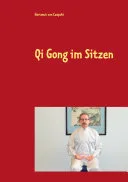
Qi Gong im Sitzen
 78
78

Qi Gong im Sitzen
Hartmut von Czapski’s Qi Gong im Sitzen offers a structured approach to seated Qigong, a welcome addition for those seeking accessible energy cultivation. The strength of this work lies in its clear presentation of 34 distinct exercises, ranging from simple movements to more nuanced Tuina massage and breathing techniques. This breadth provides a robust foundation for consistent practice. A notable passage details specific hand positions designed to open energetic channels in the upper torso, effectively illustrating the book's practical focus. However, while the descriptions are functional, they occasionally lack the evocative language that can truly inspire deeper engagement with the subtle energetic shifts Qigong aims to foster. The explanations for the physiological benefits, such as balancing the autonomic nervous system, are present but could benefit from further elaboration for the uninitiated. Overall, Czapski delivers a competent and useful manual for seated Qigong practice.
📝 Description
78
Hartmut von Czapski's 2019 book details 34 seated Qigong exercises for energy cultivation.
Qi Gong im Sitzen by Hartmut von Czapski offers a thorough guide to Qigong practices performed while seated. The book lays out 34 distinct exercises, including gentle movement patterns, Tuina self-massage, focused breathing, and concentration techniques. This structured method aims to increase the body's energetic potential, support natural healing, and balance the autonomic nervous system. The text focuses on the practical use of these seated forms to foster inner calm and sharpen mental focus.
This work is especially suitable for those looking for Qigong practices that fit easily into daily life, particularly individuals with limited mobility or time. It addresses those wanting to improve physical health, such as strengthening the digestive system, muscles, tendons, joints, and spine, all through methods done while sitting. It also benefits practitioners who wish to enhance their concentration and find a state of deeper inner peace and energetic equilibrium.
Published in 2019, Qi Gong im Sitzen arrives as traditional Chinese medicine and mind-body practices gain global traction. While Qigong's origins are ancient, its modern spread owes much to figures like Professor Yang Jwing-ming, who introduced various forms to the West starting in the late 20th century. Czapski's book continues this tradition, presenting a precise and accessible set of practices within the wider interest in health and spiritual balance.
💡 Why Read This Book?
• Learn 34 distinct seated Qigong exercises, a practical number to build a consistent personal practice without feeling overwhelmed, as detailed in the book's exercise catalog. • Understand how specific breathing and movement sequences, like the Tuina self-massage exercises presented, can directly impact your digestive organs and spinal health. • Discover methods for balancing your autonomic nervous system through focused concentration exercises, enhancing inner calm and improving your ability to manage stress.
⭐ Reader Reviews
Honest opinions from readers who have explored this book.
❓ Frequently Asked Questions
What are the primary benefits of the seated Qi Gong exercises described in Hartmut von Czapski's book?
The book details exercises designed to improve energy absorption, strengthen self-healing capabilities, and balance the autonomic nervous system. They also promote concentration, inner peace, and have positive effects on digestion, muscles, tendons, joints, and the spine.
Is Qi Gong im Sitzen suitable for beginners with no prior experience in Qigong?
Yes, the book describes 34 exercises, starting with simple movements, making it accessible for beginners. The focus on seated practice further simplifies initial engagement compared to standing forms.
What types of exercises are included in Qi Gong im Sitzen?
The book covers a range of practices including simple movement exercises, Tuina self-massage techniques, specific breathing exercises, and concentration drills, all designed to be performed while seated.
When was Qi Gong im Sitzen first published?
Qi Gong im Sitzen by Hartmut von Czapski was first published on November 26, 2019.
Can these seated exercises help with physical ailments like back pain or digestive issues?
According to the book's description, the exercises are intended to positively affect digestive organs, muscles, tendons, joints, and the spine, suggesting potential benefits for related physical discomforts.
Does the book explain the underlying principles of Qi Gong?
While the book primarily focuses on the practical execution of 34 seated exercises, it implies the underlying principles of Qi cultivation, energy flow, and their impact on physical and mental well-being.
🔮 Key Themes & Symbolism
Cultivating Vital Energy (Qi)
The central theme revolves around the concept of Qi, the vital life force in Traditional Chinese Medicine. The book provides 34 distinct seated exercises designed to enhance the intake and circulation of this energy. By engaging in specific movements, breathwork, and Tuina self-massage, practitioners aim to strengthen their energetic reservoir, leading to improved vitality and a greater sense of overall well-being. This focus on practical Qi cultivation is foundational to the text.
Harmonizing the Nervous System
A significant aspect explored is the balancing effect of these practices on the autonomic nervous system. The combination of gentle physical activity, controlled breathing, and focused concentration helps shift the body out of a stress-induced state (sympathetic dominance) towards a more relaxed, restorative state (parasympathetic dominance). This internal recalibration is presented as key to reducing stress and fostering mental clarity.
Accessible Somatic Practice
The book champions the accessibility of Qigong by focusing exclusively on seated exercises. This approach removes barriers related to physical exertion or space requirements, making the benefits of Qigong available to a wider audience, including those with physical limitations or those seeking a practice that can be easily integrated into sedentary work or daily routines.
Holistic Health Integration
Qi Gong im Sitzen presents Qigong not merely as an exercise regimen but as a tool for holistic health. The text explicitly links the practice to improvements in digestive function, musculoskeletal health (muscles, tendons, joints, spine), and mental states like concentration and inner peace, illustrating a comprehensive view of health that encompasses physical, energetic, and psychological dimensions.
💬 Memorable Quotes
Direct passages from the work, attributed to the author.
“34 Qi Gong exercises described, performed while seated.”
— This concise statement highlights the book's core offering: a structured, accessible set of practices focused on seated Qigong, suitable for a wide range of individuals.
“Exercises improve energy uptake and strengthen self-healing powers.”
— This points to the fundamental energetic and restorative goals of the practices, emphasizing Qigong's role in boosting the body's innate capacity for health and vitality.
“They balance the autonomic nervous system.”
— This emphasizes the psychosomatic benefits, indicating the practice's potential to alleviate stress and promote a state of calm through physiological regulation.
“Promote concentration and inner peace.”
— This highlights the mental and emotional benefits, suggesting the exercises are tools for cultivating mindfulness and a tranquil state of mind.
“Positively affect digestive organs, muscles, tendons, joints, and the spine.”
— This details the specific physical benefits, showcasing the practical applications of the seated exercises for common areas of physical tension and discomfort.
🌙 Esoteric Significance
Tradition
This work aligns with the broader Taoist tradition of internal alchemy and energy cultivation, a core part of Qigong practice. Within this lineage, Qigong seeks to harmonize the body's vital energy (Qi) with the natural rhythms of the universe. Czapski's focus on seated exercises, including breathing and self-massage (Tuina), directly employs methods aimed at refining and circulating Qi, reflecting core Taoist principles of nurturing life force and promoting longevity.
Symbolism
While not heavily symbolic in a narrative sense, the practice itself embodies key concepts. The seated posture symbolizes grounding and centeredness, connecting the practitioner to the earth while ascending towards mental clarity. The concept of Qi flow through meridians represents the energetic pathways that, when balanced, signify health, mirroring the Taoist understanding of interconnectedness and dynamic equilibrium within the body and cosmos.
Modern Relevance
Contemporary practitioners and researchers in fields like somatic psychology and integrative medicine find value in Czapski's structured approach. Schools focusing on accessible therapeutic movement, stress reduction techniques, and the application of TCM principles for modern ailments often reference the foundational principles demonstrated in such Qigong manuals. The emphasis on balancing the nervous system speaks to current scientific interest in the mind-body connection.
👥 Who Should Read This Book
• Individuals new to Qigong seeking an accessible entry point, as the book details 34 seated exercises suitable for beginners. • People experiencing limited mobility or time constraints who require practices that can be easily integrated into daily life or performed in confined spaces. • Those interested in the therapeutic applications of Qigong, specifically for improving digestion, spinal health, and managing stress through nervous system regulation.
📜 Historical Context
Hartmut von Czapski's Qi Gong im Sitzen, published in 2019, arrived during a period of significant global interest in mind-body practices and Traditional Chinese Medicine (TCM). While Qigong itself has ancient origins, its popularization in the West accelerated throughout the late 20th and early 21st centuries. Figures like Mantak Chia, who began publishing widely on Taoist practices including Qigong in the 1980s, paved the way for works like Czapski's. The book entered a market already populated by numerous Qigong manuals, yet its specific focus on seated exercises provided a niche for individuals seeking low-impact, accessible routines. This contrasts with the more physically demanding forms often emphasized by other contemporary practitioners. The 2019 publication date places it firmly within an era where holistic health and self-care were increasingly prioritized, driven by both personal wellness trends and growing scientific validation of practices like mindfulness and therapeutic movement.
📔 Journal Prompts
The balance of the autonomic nervous system through seated exercises.
Integration of Tuina self-massage into a daily routine.
Enhancing concentration via the book's specific techniques.
The role of Qi cultivation in strengthening self-healing powers.
Connecting physical posture with energetic flow during practice.
🗂️ Glossary
Qi
The fundamental vital life force or energy in Traditional Chinese Medicine and philosophy, believed to animate all living things and flow through the body.
Qigong
An ancient Chinese system of coordinated body posture and movement, breathing, and meditation used for health, spirituality, and martial arts training. 'Qi' (energy) 'Gong' (work/cultivation).
Tuina
A form of Chinese manipulative therapy often described as 'Tui Na' (push-pull), which involves rhythmic compression along energy channels of the body's surface.
Autonomic Nervous System
The part of the nervous system that controls involuntary bodily functions, such as breathing, the heart rate, digestion, and the 'fight or flight' response (sympathetic) and 'rest and digest' response (parasympathetic).
Meridians
In Traditional Chinese Medicine, these are pathways through which Qi flows throughout the body, connecting acupuncture points and influencing organ function.
Vegetative Nervous System
An older term for the Autonomic Nervous System, referring to the part that controls involuntary functions like heart rate, digestion, and respiration.
Inner Peace
A state of mental and emotional calmness, free from worrying or stressful thoughts, often cultivated through practices like meditation and mindful movement.