Qabalah for Wiccans
 80
80

Qabalah for Wiccans
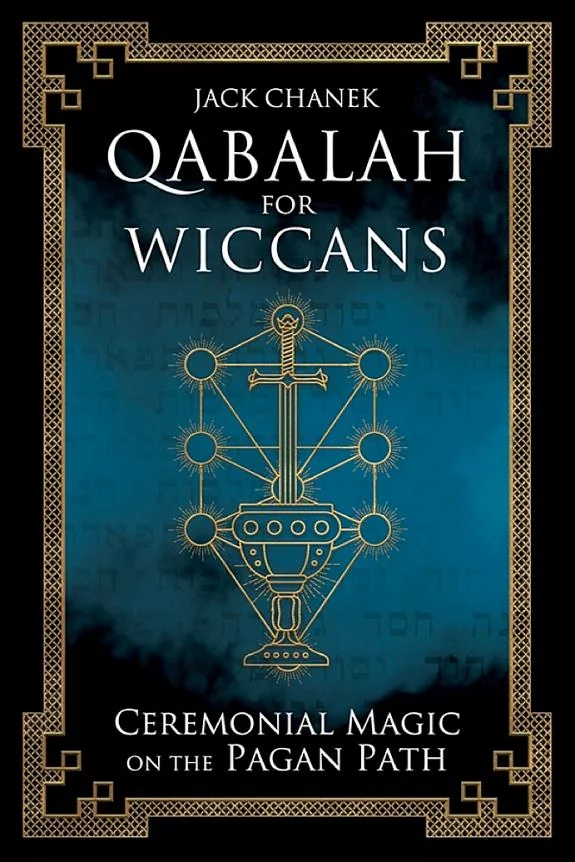
Jack Chanek's "Qabalah for Wiccans" attempts a commendable feat: rendering the dense, often ceremonial, framework of the Tree of Life accessible to a Wiccan audience. The book's strength lies in its practical exercises and journal prompts, which genuinely encourage readers to engage with Qabalistic concepts on a personal level, moving beyond mere academic study. For instance, the section on Malkuth, often seen as the Earthly manifestation, is reframed effectively to connect with the Wiccan reverence for the natural world and the physical plane. However, the integration occasionally feels superficial; while Chanek aims to "Paganize" Qabalah, some readers might find the underlying Hermetic structures remain quite distinct, requiring a significant leap of interpretive faith. The limitation here is that while the symbols are presented, their deeper, often mystical, implications within traditional Qabalistic thought are sometimes glossed over in favor of immediate practical application. The work is a useful primer for Wiccans seeking a starting point, but it doesn't replace the need for deeper engagement with the source material for those who wish to fully grasp the Qabalistic system's historical and philosophical breadth. It serves best as an introductory gateway, not a comprehensive exegesis.
📝 Description
80
Jack Chanek's "Qabalah for Wiccans" (2021) connects Hermetic Qabalah with modern Wicca.
Published in December 2021, Jack Chanek's "Qabalah for Wiccans" acts as a practical link between the esoteric system of Hermetic Qabalah and the beliefs of contemporary Wicca. The book aims to make Qabalistic ideas understandable, presenting them as usable tools for practitioners of Pagan faiths. It concentrates on fitting the symbolic structure of the Tree of Life into established Wiccan magical practices and ritual forms. Chanek's method emphasizes learning through experience, guiding readers with exercises and reflection to develop a personal grasp of Qabalistic principles within a spiritual framework tied to nature.
This book is written for practicing Wiccans curious about Qabalah who might find older texts difficult or irrelevant to their spiritual path. It also interests Pagans wanting to add Western esoteric symbolism to their magical practices. Those seeking to improve their understanding of ritual, meditation, and personal development using a structured esoteric system will find it valuable. It suits individuals who prefer an active approach, using journaling and practical application in their study of spiritual traditions.
Chanek's work is part of a larger trend in esoteric syncretism, common in the late 20th and early 21st centuries. While Qabalah has been central to Western Hermeticism since the Renaissance, its adoption within contemporary Pagan and Wiccan communities grew in the late 20th century. Authors like Dion Fortune and Lon Milo DuQuette have previously addressed Qabalistic concepts. Chanek's 2021 book specifically addresses the Wiccan practitioner, offering a modern interpretation focused on Paganism, distinct from the ceremonial or Gnostic styles of some earlier studies.
💡 Why Read This Book?
• Gain practical methods for integrating Qabalistic symbolism, such as the Sephiroth, into your existing Wiccan rituals and spellcasting, moving beyond abstract theory to tangible practice. • Discover how to use the Tree of Life as a personalized map for spiritual growth, directly applying its structure to your personal development, a concept explored extensively in the book's exercises. • Learn to reinterpret classical Hermetic correspondences, like those associated with the Paths on the Tree of Life, through a distinctly Pagan and Wiccan worldview, enriching your understanding of esoteric connections.
⭐ Reader Reviews
Honest opinions from readers who have explored this book.
❓ Frequently Asked Questions
How does "Qabalah for Wiccans" connect the Tree of Life to Wiccan practices?
The book maps Qabalistic concepts like the Sephiroth onto Wiccan principles, suggesting how these divine emanations can inform ritual structure, meditation, and spellcraft. It reinterprets traditional Qabalistic symbolism through a nature-based, Pagan lens, making it relevant for modern Wiccan practitioners.
What kind of exercises does Jack Chanek include in "Qabalah for Wiccans"?
Chanek incorporates journaling prompts and practical exercises designed to help readers explore Qabalistic ideas personally. These often involve reflecting on the correspondences of the Sephiroth and Paths in relation to one's own life and magical practice.
Is "Qabalah for Wiccans" suitable for beginners in Qabalah?
Yes, the book is specifically written to demystify Qabalah for those new to it, particularly Wiccans. It avoids overly complex ceremonial language and focuses on accessible integration into a Pagan framework.
What distinguishes this book from other Qabalah resources?
Its primary distinction is its explicit focus on the Wiccan path. Unlike many traditional Qabalistic texts which lean towards ceremonial magic or Jewish mysticism, this 2021 publication tailors the concepts for modern Pagans and Witches.
Does the book discuss the historical origins of Qabalah?
While focusing on practical application, the book provides context for Hermetic Qabalah's development. It acknowledges its roots in Western Esotericism, positioning it within a lineage that informs various spiritual traditions, including modern Paganism.
What are the 'Four Qabalistic Worlds' mentioned in the book?
These are Atziluth (Emanation), Briah (Creation), Yetzirah (Formation), and Assiah (Action). Chanek explains how these distinct realms of existence can be understood in relation to elemental forces and stages of consciousness relevant to Wiccan practice.
🔮 Key Themes & Symbolism
Tree of Life as Pagan Map
The book reframes the Hermetic Tree of Life not as a purely Kabbalistic or ceremonial construct, but as a dynamic diagram applicable to nature-based spiritual paths. It encourages Wiccans to see the Sephiroth and Paths as representing energies and stages of consciousness that align with the cycles of nature, the elements, and the phases of personal growth inherent in Wiccan practice. This reinterpretation aims to make the ancient esoteric system feel relevant and integrated, rather than alien.
Ritual Enhancement through Qabalistic Symbolism
Chanek explores how Qabalistic correspondences can enrich Wiccan rituals. This includes using the Tree of Life to structure meditations, visualize energies during spellcasting, or deepen the understanding of sacred space. By linking Qabalistic concepts to elemental and planetary associations familiar in Wicca, the book provides a framework for adding layers of symbolic meaning and intention to existing magical workings, fostering a more nuanced approach to ritual practice.
Experiential Qabalistic Learning
A central theme is the book's emphasis on active engagement rather than passive reception. Through abundant journal prompts and specific exercises tied to each Sephiroth and Path, readers are guided to explore Qabalistic principles through their own experiences. This approach encourages a personal connection with the material, moving beyond rote memorization to a lived understanding of how Qabalistic symbolism can inform one's spiritual journey and magical efficacy.
Bridging Esoteric Traditions
The work functions as a bridge between two distinct esoteric traditions: Hermetic Qabalah and modern Wicca. It acknowledges the historical separation between these paths and seeks to create a dialogue, demonstrating how core Qabalistic ideas can be adapted and understood within a Pagan context. This theme highlights the evolving nature of esoteric thought and the potential for cross-pollination between different magical and spiritual systems.
💬 Memorable Quotes
Direct passages from the work, attributed to the author.
“You don't have to shy away from Qabalah anymore—this book makes it easy to use ceremonial magic and incorporate its symbolism into your Wiccan rituals and workings.”
— This statement from the original blurb expresses the book's primary goal: to clarify Qabalah and present it as an accessible, practical system for Wiccans, removing perceived barriers to its study and application in ritual.
“Join Jack Chanek on an exploration of Hermetic Qabalah and learn how its concepts can be interwoven with the essential elements of Wicca.”
— This highlights the book's guiding principle of synthesis. It invites the reader to follow the author's lead in finding connections and practical applications between the structured symbolism of Hermetic Qabalah and the core tenets of the Wiccan path.
“Featuring an abundance of journal prompts, exercises, and correspondences, Qabalah for Wiccans is the ideal resource for understanding Qabalah as...”
— This emphasizes the book's pedagogical approach. The inclusion of practical tools like prompts and correspondences signals a focus on experiential learning and provides readers with tangible methods to explore and integrate Qabalistic concepts into their practice.
“Explore the Tree of Life from a Pagan Point of View.”
— This concise phrase from the blurb defines the book's unique angle. It signals that the traditional Hermetic Tree of Life will be interpreted and presented through a lens specifically relevant to contemporary Pagan and Wiccan spiritualities.
“This book makes it easy to use ceremonial magic and incorporate its symbolism into your Wiccan rituals and workings.”
— This interpretation focuses on the accessibility promise. It suggests that complex Qabalistic elements, often associated with formal ceremonial magic, are presented in a simplified manner suitable for integration into the more diverse and often less formal rituals found within Wicca.
🌙 Esoteric Significance
Tradition
This work belongs to the broad tradition of Western Esotericism, specifically engaging with Hermetic Qabalah. It departs from some traditional interpretations by explicitly re-contextualizing Qabalistic concepts within the framework of modern Wicca and Paganism. Rather than focusing on its historical Jewish roots or its role in ceremonial magic, Chanek emphasizes its utility as a symbolic system for personal growth and ritual enhancement within a nature-centered spiritual practice.
Symbolism
The primary symbol explored is the Tree of Life, representing the structure of the cosmos and the path of spiritual evolution. Chanek reinterprets the ten Sephiroth (divine emanations) and the Paths connecting them, relating their energies to natural cycles, elements, and psychological states relevant to Wiccans. Other key symbols include the Four Worlds (Atziluth, Briah, Yetzirah, Assiah) and their elemental associations, presented as a framework for understanding different levels of reality and consciousness.
Modern Relevance
Chanek's approach speaks to contemporary practitioners who engage in eclectic spiritual paths and seek practical, integrated systems. Modern Wiccan covens, solitary practitioners exploring comparative esotericism, and authors focused on accessible magical theory can draw from this work. Its value lies in demonstrating how ancient esoteric frameworks can be adapted and made relevant to current spiritual needs and practices, fostering a more personalized and inclusive approach to the occult.
👥 Who Should Read This Book
• Practicing Wiccans seeking to deepen their understanding of ritual and symbolism by incorporating Qabalistic concepts into their existing framework. • Students of Western Esotericism interested in comparative studies, specifically how Hermetic Qabalah is adapted for contemporary Pagan traditions. • Individuals new to Qabalah who find traditional texts daunting and prefer a practical, exercise-driven introduction through a familiar spiritual lens.
📜 Historical Context
Published in December 2021, Jack Chanek's "Qabalah for Wiccans" arrives in an era marked by widespread interest in esoteric syncretism. The late 20th and early 21st centuries saw a surge in Pagans and Wiccans seeking to integrate various esoteric systems into their practices. While Qabalah has been a foundational element in Western Hermeticism since figures like Eliphas Lévi and Samuel Liddell MacGregor Mathers worked with it in the 19th century, its direct application to Wicca gained traction through authors like Doreen Valiente and later in the works of Scott Cunningham. Chanek's book contributes to this ongoing dialogue, offering a contemporary interpretation that contrasts with the more rigidly ceremonial approaches of groups like the Golden Dawn. It stands as a product of a time when practitioners actively seek personalized spiritual paths, often drawing from diverse ancient and modern traditions, rather than adhering strictly to singular, historically defined schools of thought.
📔 Journal Prompts
Reflect on the connection between Malkuth and the physical manifestations of your magical workings.
How can the concept of Kether inform your understanding of divine connection in Wiccan practice?
Map the symbolism of the Paths you resonate with onto your personal spiritual journey.
Consider the elemental associations of the Four Worlds in the context of a ritual you have performed.
Explore the energetic qualities of Tiphareth as they relate to personal transformation.
🗂️ Glossary
Qabalah
An esoteric system of mystical interpretation of the Hebrew scriptures, developed in medieval Jewish mysticism and later adapted into Western esoteric traditions, notably Hermetic Qabalah.
Tree of Life
A symbolic diagram central to Kabbalistic and Hermetic thought, consisting of ten Sephiroth (emanations or divine attributes) and 22 Paths, often used as a map of the universe and the human psyche.
Sephiroth
The ten divine emanations or attributes described in Kabbalistic cosmology, representing stages of creation and aspects of the divine. Examples include Kether, Chokmah, Binah, Tiphareth, and Malkuth.
Paths
The 22 connections between the Sephiroth on the Tree of Life, often associated with the letters of the Hebrew alphabet and with specific concepts or energies.
Hermetic Qabalah
A Western esoteric tradition that blends Jewish Kabbalistic concepts with Hermeticism, Neoplatonism, and other mystical traditions, distinct from its purely Jewish origins.
Wicca
A modern Pagan religion that emphasizes reverence for nature, often involving the worship of a Goddess and a God, and utilizing magical practices and rituals.
Malkuth
The tenth Sephirah on the Tree of Life, often associated with the Earthly realm, the physical world, manifestation, and the culmination of divine energy.
This book appears in 1 collection
🔮 Readers Also Liked
Browse all →






From the “Ceremonial Magic” Collection
View all →





More Free Magic & Ritual Books
View all →