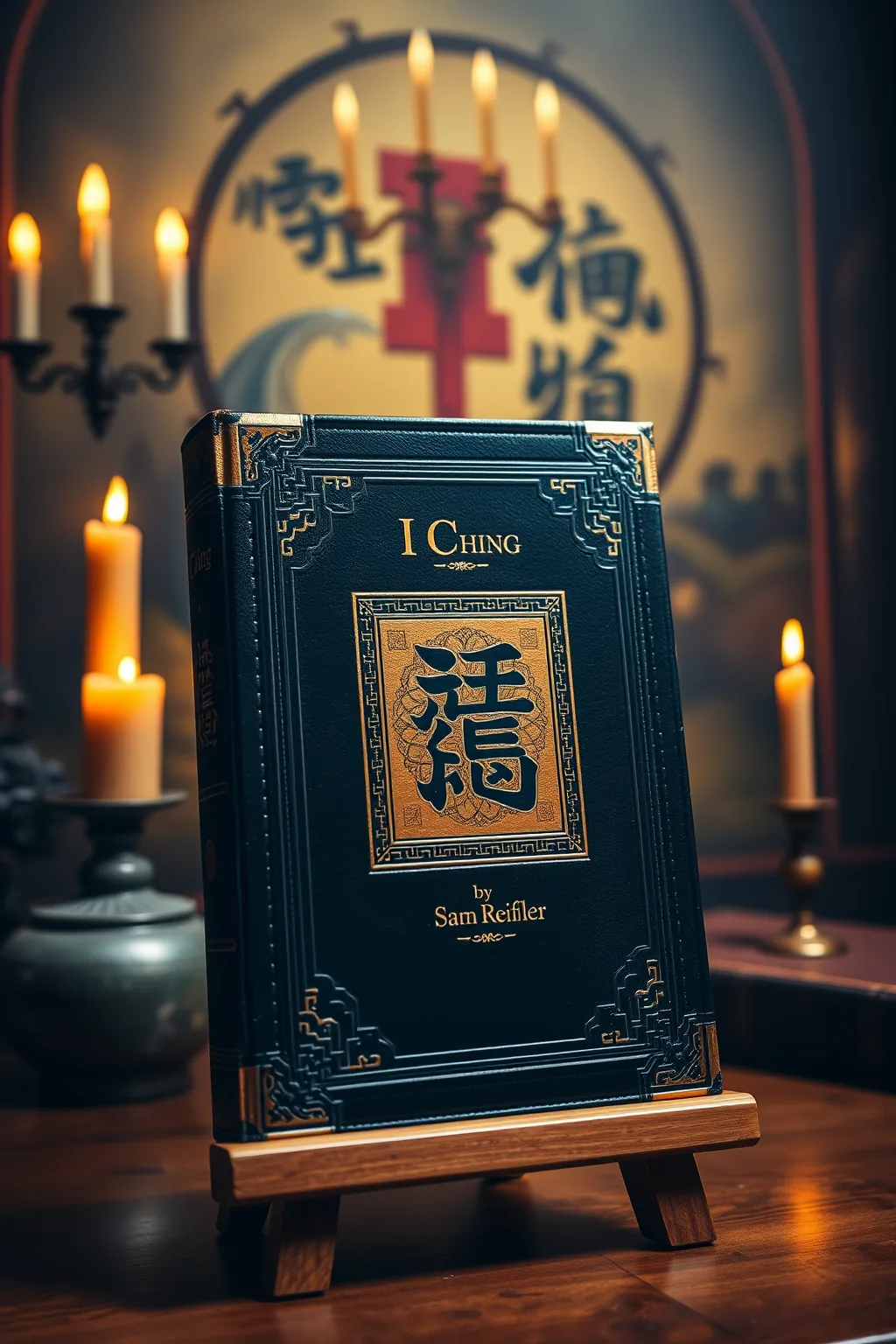
Psychotherapeutic implications of consulting the Yi Jing (I Ching)
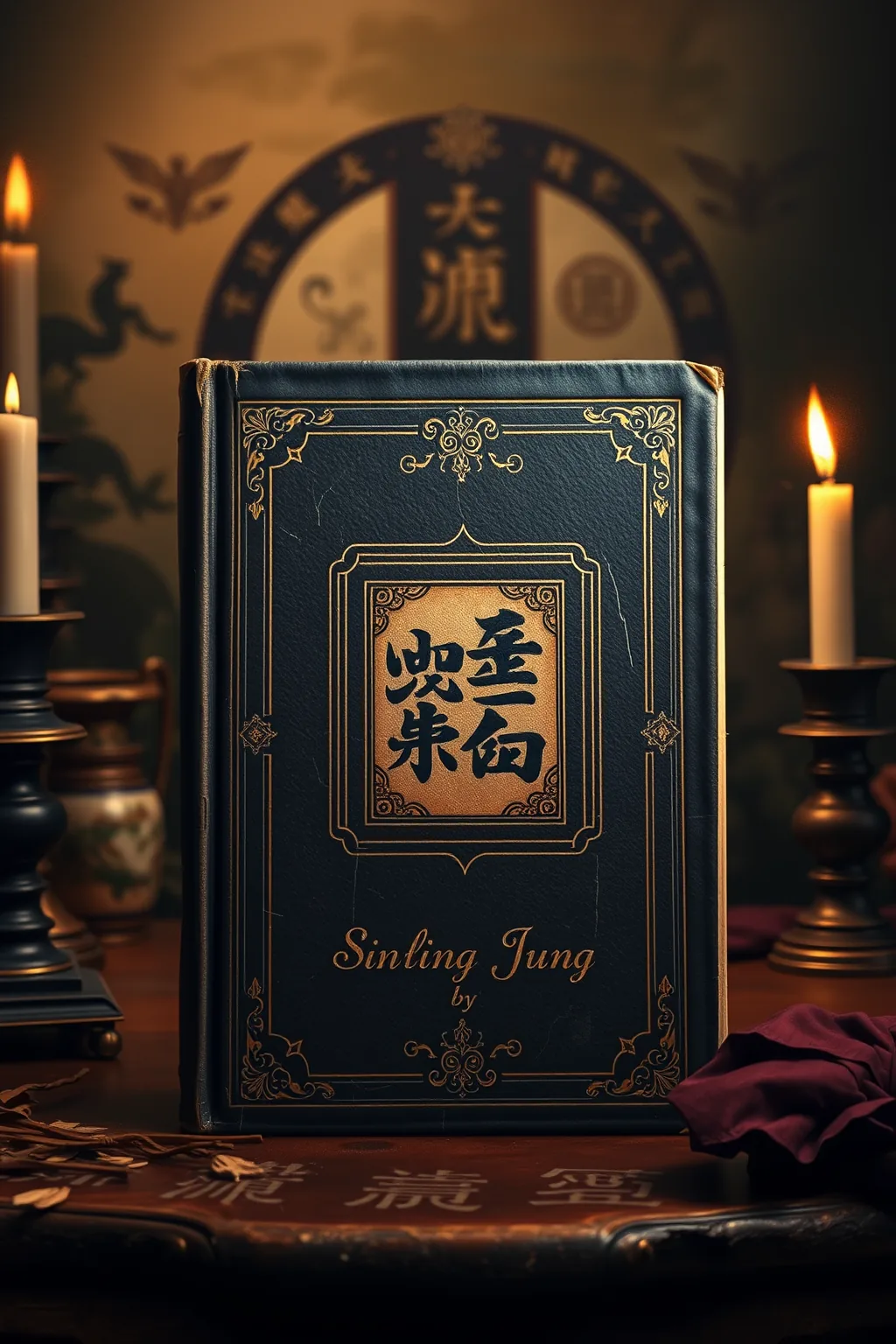
 61
61

Psychotherapeutic implications of consulting the Yi Jing (I Ching)



Sinling Jung's 'Psychotherapeutic Implications of Consulting the Yi Jing' is a revelation, a masterful bridge between the arcane and the analytical. Jung navigates the esoteric depths of the I Ching with scholarly precision and a deeply intuitive grasp of its psychological resonance. This work doesn't just present the hexagrams; it unveils them as potent psychological archetypes, offering profound insights into the human condition. Jung's exploration of case studies is particularly compelling, showcasing the transformative power of this ancient oracle in therapeutic contexts. It is an essential read for psychotherapists seeking to expand their toolkit and for spiritual seekers ready to explore the profound dialogue between the inner self and the cosmic order. A truly illuminating contribution to the Esoteric Library.
📝 Description
61
Sinling Jung's 1995 book examines the Yi Jing's psychotherapeutic applications.
This book considers the Yi Jing, or I Ching, as a resource for psychotherapy. Sinling Jung argues that the text's hexagrams are not solely for divination but serve as symbolic mirrors reflecting the unconscious mind. Jung aims to show how consulting the I Ching can be a process of self-discovery and psychological integration, moving beyond simple fortune-telling.
The author details how the I Ching's symbolism can guide individuals through complex personal experiences. The text invites readers to engage with archetypes that influence both the external world and the inner self. It is presented as a resource for those seeking to understand life's underlying patterns and to find healing through introspection and guidance.
Ultimately, the book establishes a framework for incorporating esoteric practices into therapeutic work. It seeks to illuminate a path toward comprehensive well-being and spiritual insight by connecting the I Ching with psychological growth.
Sinling Jung's work situates the Yi Jing within a broader tradition of using ancient texts for psychological insight. This approach draws parallels between classical philosophical and divinatory systems and modern depth psychology. It connects to traditions that view symbolic systems, like the I Ching, as maps of the human psyche, capable of revealing unconscious dynamics and facilitating personal transformation. The book aligns with esoteric thought that posits a correspondence between cosmic order and individual experience, suggesting that external symbolic systems can provide a language for internal states.
💡 Why Read This Book?
Unearth the profound psychological wisdom embedded within the ancient Yi Jing. This book offers a unique lens for self-exploration, revealing how consulting the oracle can illuminate subconscious patterns and guide therapeutic growth. Ideal for practitioners, scholars, and seekers yearning for a deeper understanding of the self through esoteric traditions.
⭐ Reader Reviews
Honest opinions from readers who have explored this book.
❓ Frequently Asked Questions
Is prior knowledge of the Yi Jing required to read this book?
While a foundational understanding can enhance the experience, Sinling Jung’s accessible prose and detailed explanations make the book highly valuable even for those new to the Yi Jing. The book guides readers through its core concepts effectively.
How does the Yi Jing differ from Western divination methods?
The Yi Jing operates on principles of philosophical interconnectedness and the cyclical nature of change, offering insights into underlying patterns rather than predictive outcomes. Its focus is on harmony and adaptation.
Can the Yi Jing be used as a sole therapeutic tool?
The book presents the Yi Jing as a powerful adjunct to psychotherapy, providing unique perspectives and fostering introspection. It is intended to complement, not replace, established therapeutic practices.
What is the primary benefit of consulting the Yi Jing for psychological insight?
Consulting the Yi Jing can reveal subconscious motivations, clarify complex situations, and offer guidance for navigating life's challenges by tapping into universal archetypes and the flow of cosmic energies.
Is this book suitable for academic study of esoteric traditions?
Absolutely. The book offers a rigorous examination of the Yi Jing’s philosophical underpinnings and its practical applications, making it a valuable resource for scholars interested in the intersection of psychology and Eastern esoteric thought.
🔮 Key Themes & Symbolism
The Hexagrams as Psychological Archetypes
This theme examines the profound concept of viewing the 64 hexagrams of the Yi Jing not just as symbolic representations of cosmic forces, but as potent archetypes that mirror the complex landscapes of the human psyche. Sinling Jung meticulously unpacks how each hexagram, with its unique combination of yin and yang lines, can be interpreted through a psychological lens, offering insights into dominant emotional states, behavioral patterns, and underlying personality structures. This exploration reveals the I Ching as a rich source of understanding for the unconscious mind, providing a framework for identifying internal conflicts, developmental stages, and the archetypal energies that shape our individual journeys. The hexagrams become maps for navigating our inner world, offering clarity and direction.
Divination as a Mirror for the Soul
This section examines the act of consulting the Yi Jing as a sacred dialogue with one's own inner wisdom and the universal consciousness. Sinling Jung elucidates how the seemingly random casting of lots or coins is, in essence, a method of accessing a deeper, more intuitive layer of knowing. The resulting hexagram acts as a reflective mirror, not predicting a fixed future, but clear the present moment's energetic configuration and its potential trajectories. This perspective transforms divination from a passive act of seeking external answers into an active process of self-inquiry, prompting profound introspection and fostering a sense of agency in navigating life's vicissitudes. It highlights the I Ching's role in cultivating self-awareness and aligning personal will with cosmic flow.
Integrating Ancient Wisdom into Modern Therapy
This crucial theme addresses the practical application of the Yi Jing's insights within contemporary psychotherapeutic frameworks. Sinling Jung provides compelling case studies and theoretical discussions on how therapists and individuals can leverage the wisdom of the I Ching to enhance healing and personal growth. The book explores how the I Ching's principles of balance, change, and interconnectedness can offer novel perspectives on mental health challenges, relationship dynamics, and life transitions. By bridging the gap between ancient esoteric knowledge and modern psychological practice, this theme empowers readers to integrate this profound system of wisdom into their therapeutic endeavors, fostering a more holistic and spiritually informed approach to well-being and self-realization.
💬 Memorable Quotes
Direct passages from the work, attributed to the author.
“The hexagrams are not pronouncements, but reflections.”
— This highlights the I Ching's nature as a dynamic tool for self-discovery, emphasizing its role in mirroring internal states rather than dictating external events.
“In the stillness of the oracle, the whispers of the soul become audible.”
— This evokes the contemplative and introspective nature of consulting the Yi Jing, suggesting that quiet focus allows for deeper access to one's inner guidance and subconscious truths.
“The universe speaks in symbols; the Yi Jing translates.”
— This underscores the symbolic language of the I Ching, portraying it as a bridge between the profound, often-hidden messages of the cosmos and human comprehension.
“To consult the oracle is to engage in a sacred conversation with the self.”
— This frames the act of divination as a deeply personal and spiritual interaction, emphasizing the dialogue between the individual and their own innate wisdom or the collective unconscious.
“Change is the only constant, and the Yi Jing offers a compass for its currents.”
— This speaks to the I Ching's core philosophy of impermanence and flux, positioning it as a guide for navigating life's inevitable transformations with wisdom and adaptability.
🌙 Esoteric Significance
Tradition
The Yi Jing is a central to Chinese esoteric traditions, deeply intertwined with Taoism, Confucianism, and I Ching scholarship. It embodies principles of cosmic harmony, the Tao (the Way), and the cyclical nature of existence. Its esoteric dimension lies in its understanding of the universe as a dynamic, interconnected web of forces, accessible through symbolic language and intuitive interpretation. It offers a path to self-cultivation and alignment with universal principles, fostering wisdom and spiritual insight.
Symbolism
The core symbolism of the Yi Jing revolves around the binary of Yin (passive, dark, feminine) and Yang (active, light, masculine) energies, which combine to form the eight trigrams and ultimately the 64 hexagrams. These symbols represent fundamental forces, natural phenomena, human relationships, and stages of transformation. Each line and hexagram carries a wealth of nuanced meaning, acting as a symbolic language that can be 'read' to understand the underlying dynamics of any given situation.
Modern Relevance
In the modern era, the Yi Jing's relevance has expanded significantly beyond its traditional cultural context. Its useful insights into change, adaptation, and the interconnectedness of all things offer invaluable tools for reading through the complexities of contemporary life. Psychotherapists and individuals are increasingly turning to the Yi Jing for its ability to provide symbolic clarity, foster introspection, and offer guidance in personal and professional development, bridging ancient wisdom with contemporary psychological needs.
👥 Who Should Read This Book
This book is a treasure for a diverse audience. Psychotherapists and counselors will find it an invaluable resource for expanding their therapeutic toolkit, offering a unique esoteric perspective on human behavior and healing. Scholars of Eastern philosophy, comparative religion, and psychology will appreciate its rigorous exploration of the Yi Jing's depth and its cross-cultural significance. Spiritual seekers and those on a path of self-discovery will find profound wisdom and practical guidance for understanding themselves and the unfolding of their lives. Even those new to esoteric traditions will benefit from Jung's clear exposition and compelling case studies.
📜 Historical Context
The Yi Jing (Book of Changes) boasts an lineage stretching back over three millennia, making it one of the oldest and most influential of the Chinese Classics. Its origins are shrouded in myth and legend, often attributed to the sage King Wen and his son, the Duke of Zhou, who are said to have developed its hexagrams and commentaries during periods of great societal upheaval and personal hardship. Over centuries, it was further elaborated by scholars such as Confucius and his disciples, who imbued it with rich philosophical and ethical layers. The Song Dynasty saw the rise of Neo-Confucian interpretations, further solidifying its place in the intellectual and spiritual range of East Asia. The book's enduring appeal lies in its ability to address fundamental questions of existence, change, and human conduct, resonating across diverse philosophical schools and offering a framework for understanding the dynamic interplay between humanity and the cosmos. Its transmission to the West in the 20th century, notably through the work of Richard Wilhelm and Carl Jung, sparked a profound interest in its psychotherapeutic and philosophical implications.
📔 Journal Prompts
Reflect on a recent challenge and identify which hexagram might best represent its underlying dynamics. What advice does it offer?
How have your personal 'Yin' and 'Yang' energies manifested in your life recently? How can you achieve greater balance?
Consider a time when you received guidance from an unexpected source. How did it feel, and how did it impact your decisions?
What recurring patterns do you observe in your life? Can the Yi Jing's archetypes offer a new perspective on these patterns?
Imagine you are consulting the Yi Jing for guidance on a future endeavor. What question would you ask, and what initial insights do you anticipate receiving?
🗂️ Glossary
Yi Jing (I Ching)
An ancient Chinese divination text and the oldest of the Chinese Classics, often translated as 'Book of Changes'. It is a profound philosophical work exploring the cycles of change and the dynamics of the universe.
Hexagram
A symbol composed of six stacked lines, either solid (Yang) or broken (Yin). There are 64 unique hexagrams, each representing a specific state or situation and carrying symbolic meaning.
Trigram
A symbol composed of three stacked lines, either solid (Yang) or broken (Yin). There are eight trigrams, which are the building blocks for the 64 hexagrams and represent fundamental natural forces.
Yin
In Chinese philosophy, one of the two primary, complementary forces of the universe. Yin is associated with passivity, darkness, femininity, coolness, and the moon.
Yang
In Chinese philosophy, the complementary force to Yin. Yang is associated with activity, light, masculinity, warmth, and the sun.
This book appears in 1 collection
🔮 Readers Also Liked
Browse all →








From the “Divination” Collection
View all →







More Free Divination & Tarot Books
View all →