Psychedelic Medicine at the End of Life

 76
76

Psychedelic Medicine at the End of Life
Richard Louis Miller’s "Psychedelic Medicine at the End of Life" attempts to codify a complex and sensitive area of therapeutic intervention. The author meticulously outlines a ten-step process, which serves as a practical framework for both patients and practitioners. A significant strength lies in the integration of findings from major research institutions, lending empirical weight to the proposed methodologies. However, the book occasionally feels constrained by its prescriptive nature. For instance, the chapter discussing legal navigation, while necessary, could benefit from more nuanced discussion of evolving international regulations. Miller’s direct engagement with the work of Roland Griffiths and Anthony Bossis provides valuable context, but the narrative sometimes lacks the deeply personal testimonials that often illuminate the profound emotional impact of these experiences. Overall, it offers a valuable, albeit somewhat clinical, guide to a frontier of palliative care.
📝 Description
76
Richard Louis Miller's 2023 book details a ten-step protocol for using psychedelics in palliative care.
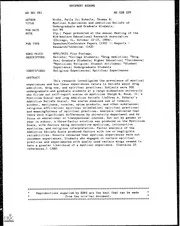
Richard Louis Miller's "Psychedelic Medicine at the End of Life" presents a structured, ten-step protocol designed to help individuals achieve a more peaceful and meaningful dying process through the use of psychedelic substances. The book addresses practical concerns, including the legal considerations surrounding these compounds and the process of finding a qualified guide or therapist. Miller combines recent scientific findings with therapeutic techniques, aiming to clarify the application of psychedelics in end-of-life care.
This work is intended for those facing terminal illnesses, their families, caregivers, and medical professionals or therapists looking to understand more about end-of-life care options. It also speaks to researchers in psychedelic studies and palliative medicine who wish to connect anecdotal evidence with clinical results. Individuals contemplating mortality and seeking answers to spiritual or existential questions will find pertinent information here.
The book acknowledges the historical context of psychedelic therapy, which saw significant interest in the mid-20th century before widespread prohibition. Miller revisits this past, situating it within the current resurgence of interest in psychedelic-assisted therapy for end-of-life distress. It builds on renewed scientific and cultural acceptance, referencing research from institutions like UCLA, Johns Hopkins, and NYU School of Medicine, which began re-evaluating psychedelic potential in the late 20th and early 21st centuries.
This book enters a tradition that views altered states of consciousness as pathways to profound personal transformation, particularly in confronting existential crises like death. It connects with historical Western esotericism's interest in consciousness expansion and spiritual healing, while grounding these explorations in contemporary scientific research and therapeutic practice. The focus on a structured protocol for integration suggests an attempt to bridge the experiential, often mystical, insights gained from psychedelics with a more systematic approach to spiritual development and psychological well-being at a critical life juncture.
💡 Why Read This Book?
• Understand the practical ten-step protocol for integrating psychedelics into end-of-life care, directly addressing the methods proposed by Richard Louis Miller. • Gain insight into the clinical findings from institutions like Johns Hopkins regarding the reduction of end-of-life anxiety, as detailed in the book's research review. • Learn about the essential role of guides and therapy in psychedelic-assisted dying, a concept elaborated upon by experts like Roland Griffiths.
⭐ Reader Reviews
Honest opinions from readers who have explored this book.
❓ Frequently Asked Questions
What are the main benefits of using psychedelic medicine at the end of life according to the book?
The book outlines that psychedelic medicine can dramatically lessen end-of-life anxiety and existential distress, fostering a sense of peace, acceptance, and profound connection for terminally ill patients.
Does the book provide guidance on legal aspects of psychedelic medicine?
Yes, it addresses how to navigate the complex legal landscape surrounding psychedelic substances, a crucial consideration for those seeking this form of therapy.
Which research institutions are mentioned in "Psychedelic Medicine at the End of Life"?
The book references clinical studies and research from prominent institutions including UCLA, Johns Hopkins, and NYU School of Medicine.
Who are some of the experts whose wisdom is shared in the book?
The work shares insights from leading figures in psychedelic research and palliative care such as Roland Griffiths, Katherine MacLean, Ira Byock, and Anthony Bossis.
What is the "ten steps" mentioned in the book's description?
The "ten steps" refer to a protocol outlined in the book for dying gracefully with the help of psychedelics, covering preparation, the experience, and integration.
Is this book suitable for individuals who are not terminally ill?
While primarily focused on end-of-life care, the book's exploration of psychedelic therapy, anxiety reduction, and acceptance may offer broader insights for those interested in consciousness and psychological well-being.
🔮 Key Themes & Symbolism
Graceful Dying Protocol
The book presents a structured ten-step protocol designed to facilitate a peaceful and meaningful transition at the end of life using psychedelic-assisted therapy. This framework emphasizes preparation, the psychedelic experience itself, and subsequent integration, aiming to reduce fear and foster acceptance. It's presented as a practical guide for working through the complex emotional and psychological terrain of terminal illness with the support of consciousness-expanding substances.
Clinical Efficacy in Palliative Care
Central to the work is the examination of clinical studies from institutions like UCLA, Johns Hopkins, and NYU School of Medicine. These studies investigate the dramatic reduction in end-of-life anxiety and depression experienced by terminally ill patients undergoing psychedelic-assisted therapy. The book synthesizes this empirical data, highlighting the potential of psychedelics to alleviate suffering and improve the quality of life during a patient's final stages.
The Role of Guides and Therapy
Miller underscores the critical importance of qualified guides and therapeutic support throughout the psychedelic medicine process at the end of life. This theme addresses the need for expertise in navigating both the subjective experience of the patient and the practical aspects of administering such treatments. The book discusses how to find appropriate facilitators and therapists who can ensure safety, efficacy, and meaningful integration of the experience.
Legal and Ethical Considerations
Working through the legal landscape surrounding psychedelic substances is a key focus. The book acknowledges the challenges and complexities involved in accessing and utilizing these medicines, particularly given their historical and ongoing legal restrictions in many jurisdictions. It aims to equip readers with an understanding of these issues, enabling them to make informed decisions within the existing regulatory frameworks or to advocate for change.
💬 Memorable Quotes
Direct passages from the work, attributed to the author.
“Ten steps for dying gracefully with the help of psychedelics.”
— This concise statement expresses the book's core offering: a structured, actionable methodology for using psychedelic medicine to ease the dying process, moving beyond abstract concepts to practical guidance.
“Dramatic lessening of end-of-life anxiety in terminally ill patients.”
— This phrase highlights the significant empirical findings from clinical studies, pointing to the tangible psychological benefits that psychedelic-assisted therapy can provide to those facing mortality.
“Working through the complex legal landscape.”
— This acknowledges the practical and often daunting challenges associated with the use of psychedelic medicine, signaling the book's intent to address real-world obstacles alongside therapeutic potential.
“Wisdom from experts on psychedelic research and palliative care.”
— This indicates the book's reliance on and synthesis of knowledge from leading authorities in the field, lending credibility and depth to its recommendations and analysis.
“Find the right guide and therapy.”
— This emphasizes a crucial element of responsible psychedelic practice: the necessity of skilled human support to ensure safety, enhance the therapeutic outcome, and facilitate integration.
🌙 Esoteric Significance
Tradition
While not explicitly tied to a single esoteric lineage, Miller's work appeals to Gnostic and Hermetic traditions that explore the nature of consciousness, mortality, and the potential for clear insights through altered states. The emphasis on a guided journey toward acceptance and transcendence echoes Gnostic quests for gnosis (knowledge) and Hermetic principles of understanding the cosmos and one's place within it, particularly concerning the passage between life and death.
Symbolism
The concept of the 'psychedelic journey' itself functions as a potent symbol, representing an inner exploration akin to the descent into the underworld or the soul's passage through various spiritual realms. The 'guide' symbolizes the psychopomp figure, a traditional archetype who aids souls in transition. The 'ten steps' can be interpreted as a modern iteration of ritualistic pathways or initiatory stages toward spiritual realization and acceptance of impermanence.
Modern Relevance
Miller's work is highly relevant to contemporary discussions in transpersonal psychology, consciousness studies, and psychedelic-assisted therapy. Thinkers and practitioners exploring the intersection of spirituality, mental health, and pharmacology find his structured approach valuable. It informs current debates on the ethical and practical implementation of psychedelics in palliative care and end-of-life planning, influencing therapeutic models and patient advocacy.
👥 Who Should Read This Book
• Terminally ill patients and their families seeking to understand potential therapeutic avenues for managing end-of-life anxiety and existential distress. • Palliative care professionals and hospice workers interested in integrating novel therapeutic modalities into their practice, informed by clinical research and expert consensus. • Researchers and students of consciousness, psychology, and pharmacology exploring the evolving field of psychedelic medicine and its applications in mental health and end-of-life care.
📜 Historical Context
Richard Louis Miller's work emerges from a lineage of inquiry into consciousness and healing that dates back to the mid-20th century's psychedelic research boom. This era saw pioneering studies into the therapeutic potential of substances like LSD and psilocybin, particularly for conditions such as addiction and end-of-life distress. However, this research largely ceased following widespread legal prohibitions in the late 1960s and 1970s. Miller's book revisits this territory decades later, capitalizing on a resurgence of scientific interest in psychedelics. This revival, marked by controlled studies at institutions like Johns Hopkins beginning in the late 1990s, offers a stark contrast to the earlier, less regulated era. Miller's approach engages with contemporary research while acknowledging the historical context, implicitly positioning his work within a renewed ethical and scientific framework, distinct from the countercultural explorations of the 1960s. He draws upon the work of contemporaries like Roland Griffiths, who spearheaded much of the modern Johns Hopkins research.
📔 Journal Prompts
The ten-step protocol for dying gracefully.
End-of-life anxiety reduction through psychedelic medicine.
The role of a guide in psychedelic-assisted therapy.
Personal reflections on acceptance of mortality.
Insights from clinical studies at Johns Hopkins regarding psilocybin.
🗂️ Glossary
Psychedelic Medicine
Therapeutic use of substances such as psilocybin, LSD, or MDMA that alter perception, mood, and cognitive processes, often employed to address psychological and existential suffering.
Palliative Care
Specialized medical care focused on providing relief from the symptoms and stress of a serious illness to improve quality of life for both the patient and the family.
End-of-Life Anxiety
Profound psychological distress, fear, and worry experienced by individuals facing terminal illness and the prospect of death.
Guide/Facilitator
A trained individual who provides support, safety, and therapeutic presence during a psychedelic medicine session, assisting the individual in navigating their experience.
Integration
The process following a psychedelic experience where insights, emotions, and revelations are processed and incorporated into daily life through therapy or self-reflection.
Existential Distress
Psychological suffering arising from fundamental questions about life's meaning, freedom, isolation, and death.
Clinical Studies
Research conducted with human subjects to evaluate the safety and efficacy of medical interventions, such as psychedelic therapies for specific conditions.
This book appears in 1 collection
🔮 Readers Also Liked
Browse all →









From the “Ego Death” Collection
View all →






More Free Occult Philosophy Books
View all →