Proclus on the elements and the celestial bodies
 61
61

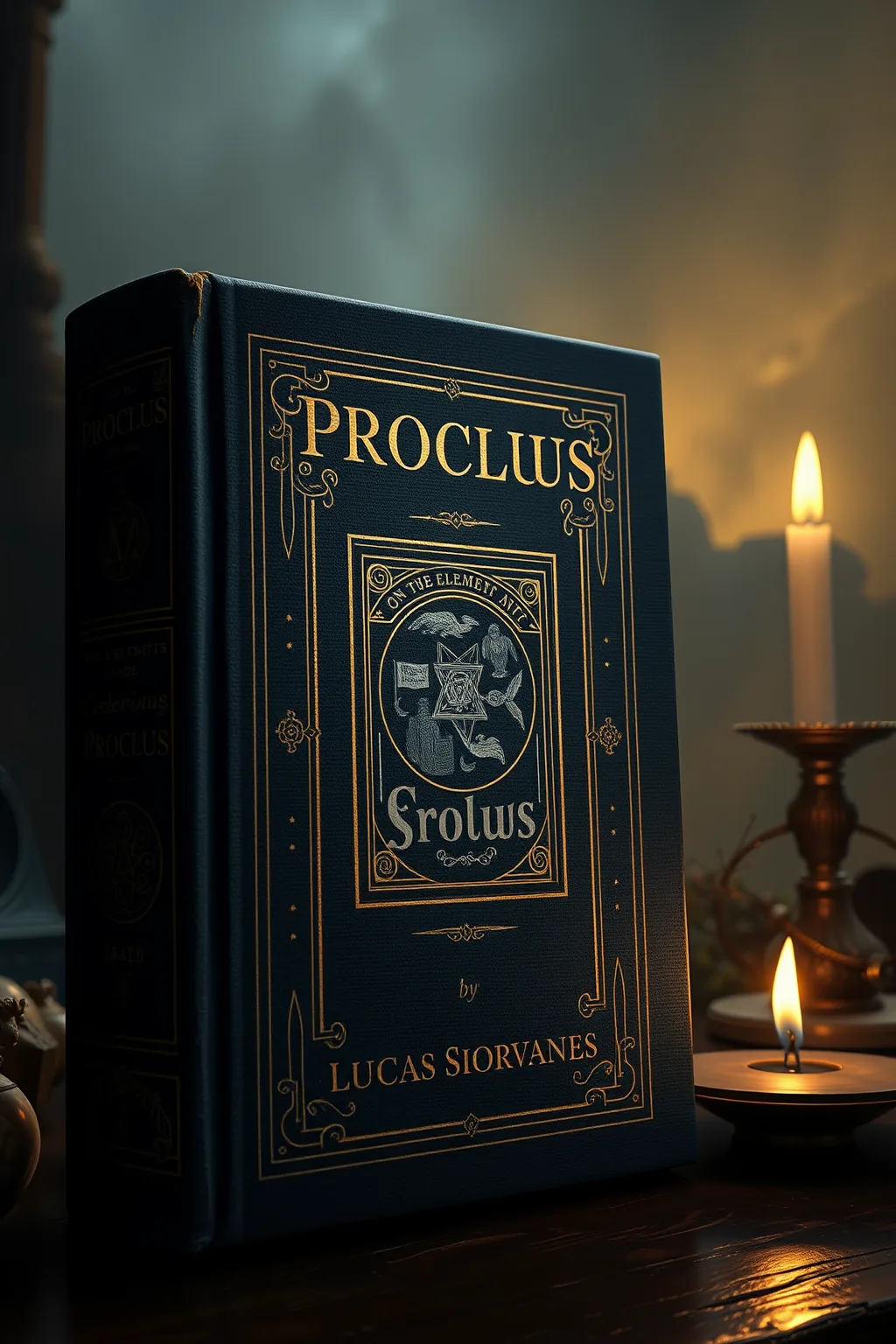
Proclus on the elements and the celestial bodies


Review by Evander Ashcroft (Alchemy & Hermeticism Editor) — Lucas Siorvanes' Proclus on the Elements and the Celestial Bodies is a masterful exploration of Neoplatonic thought, brimming with esoteric insights. Siorvanes' meticulous scholarship and evocative prose make this book a standout in the realm of occult literature. The author's deep understanding of ancient philosophy is evident in every page, providing readers with a comprehensive guide to the mystical teachings of Proclus. This book is particularly valuable for those interested in the hermetic tradition, offering a rich tapestry of symbolism and hidden knowledge. The strengths of this work lie in its ability to bridge the gap between ancient wisdom and modern spiritual inquiry, making it an essential read for both scholars and practitioners of the occult.
📝 Description
61
Lucas Siorvanes's 1996 book examines Proclus's theories on the fundamental elements and the heavens.
This study by Lucas Siorvanes focuses on the philosophical system of Proclus, specifically his ideas about the four elements and the celestial sphere. Siorvanes connects these concepts to Proclus's broader Neoplatonic metaphysics, where earthly and cosmic bodies are understood as manifestations of divine principles.
The book details how Proclus viewed the elements not simply as physical substances but as hierarchical stages in the unfolding of reality. Similarly, the celestial bodies, for Proclus, were not just astronomical objects but potent symbols and intermediaries between the divine and the material. Siorvanes makes these complex ideas accessible, showing how Proclus integrated cosmology with theology and psychology.
Readers will find an explanation of how Proclus used the relationships between the elements and the stars to understand the structure of the cosmos and humanity's place within it. The work traces the philosophical lineage of these ideas and their implications for understanding the visible world as a reflection of unseen realities.
This work sits within the tradition of Neoplatonism, a philosophical school that flourished in the Roman Empire, particularly from the 3rd to the 6th century CE. Proclus, the subject of this study, was a major figure in late Athenian Neoplatonism. His philosophy sought to explain the generation of the universe from a transcendent One, using a complex hierarchy of divine hypostases. The Neoplatonic worldview often incorporated symbolic interpretations of natural phenomena, including the elements and stars, viewing them as expressions of divine order and as pathways for spiritual ascent. This book examines how Proclus synthesized earlier Platonic thought with elements of Aristotelianism and Chaldean Orphism into a comprehensive metaphysical system.
💡 Why Read This Book?
Why read this book — Proclus on the Elements and the Celestial Bodies offers a unique blend of ancient philosophy and esoteric wisdom, making it an invaluable resource for seekers, scholars, and practitioners. This book provides deep insights into the mystical connections between the elements and celestial bodies, revealing the hidden knowledge that has captivated mystics for centuries. Ideal for those interested in Neoplatonism, ancient cosmology, and the hermetic tradition, this work invites readers to explore the profound symbolism and philosophical significance of the natural world.
⭐ Reader Reviews
Honest opinions from readers who have explored this book.
❓ Frequently Asked Questions
What is the main focus of Proclus on the Elements and the Celestial Bodies?
The book focuses on the mystical and esoteric teachings of Proclus, exploring the symbolism and hidden knowledge associated with the elements and celestial bodies.
Who is the intended audience for this book?
This book is ideal for scholars of ancient philosophy, spiritual seekers, and practitioners of the occult who are interested in Neoplatonic thought and the hermetic tradition.
What makes this book unique in the field of occult literature?
The book's unique blend of ancient philosophy and esoteric wisdom, along with its rich symbolism and deep insights, sets it apart in the realm of occult literature.
How does this book contribute to modern spiritual inquiry?
By bridging the gap between ancient wisdom and modern spiritual inquiry, this book offers valuable insights into the mystical connections between the natural world and spiritual truths.
Is this book suitable for beginners in the field of occult studies?
While the book is accessible to beginners, it is particularly valuable for those with some prior knowledge of ancient philosophy and esoteric traditions.
🔮 Key Themes & Symbolism
Neoplatonic Thought
The book studies the profound and mystical insights of Neoplatonic philosophy, offering a gateway to ancient wisdom and hidden knowledge. Proclus' teachings on the elements and celestial bodies are explored in depth, revealing the symbolic and spiritual significance of these natural phenomena.
Ancient Cosmology
Ancient cosmology is a central theme, with the book exploring the mystical connections between the microcosm and the macrocosm. The elements and celestial bodies are seen as symbols of deeper spiritual truths, inviting readers to contemplate the profound mysteries of the universe.
Esoteric Symbolism
The detailed symbolism and hidden knowledge associated with the elements and celestial bodies are a key focus. The book invites readers to explore the layers of meaning hidden within the natural world, offering a deep and contemplative reading experience.
💡 Key Ideas
Editorial paraphrase of the work's core concepts — not direct quotes.
The elements are the building blocks of the cosmos, each imbued with its own unique spiritual essence.
This quote underscores the mystical significance of the elements in Neoplatonic thought, highlighting their role as symbols of deeper spiritual truths.
The celestial bodies guide us on our spiritual journey, clear the path to enlightenment.
This passage reveals the esoteric wisdom associated with the celestial bodies, inviting readers to contemplate their spiritual significance.
The microcosm reflects the macrocosm, and in understanding one, we gain insight into the other.
This quote emphasizes the mystical connections between the natural world and spiritual truths, encouraging readers to explore the profound mysteries of the universe.
The hidden knowledge of the ancients is a rich source of wisdom, waiting to be discovered.
This passage highlights the value of ancient wisdom in modern spiritual inquiry, inviting readers to uncover the layers of meaning hidden within esoteric teachings.
Symbolism is the language of the soul, revealing the truths that lie beyond the area of ordinary perception.
This quote underscores the importance of symbolism in esoteric traditions, offering a gateway to deeper spiritual understanding.
🌙 Esoteric Significance
Tradition
This book belongs to the Hermetic and Neoplatonic traditions, which emphasize the mystical and esoteric aspects of ancient philosophy. These traditions seek to uncover the hidden knowledge and symbolism associated with the natural world, inviting readers to explore the profound mysteries of the universe.
Symbolism
Key symbols in this book include the elements (earth, air, fire, water) and the celestial bodies (sun, moon, stars, planets), each imbued with its own unique spiritual essence. These symbols are seen as gateways to deeper spiritual truths, revealing the mystical connections between the microcosm and the macrocosm.
Modern Relevance
This book remains relevant today, offering valuable insights into the mystical connections between the natural world and spiritual truths. Modern practitioners of the occult, as well as scholars of ancient philosophy, continue to draw upon the teachings of Proclus, finding wisdom and inspiration in his esoteric insights.
👥 Who Should Read This Book
Beginners interested in the occult will find this book an accessible introduction to Neoplatonic thought and esoteric symbolism. Scholars of ancient philosophy will appreciate the depth and rigor of Siorvanes' scholarship, while spiritual seekers will be drawn to the profound mystical insights. Practitioners of the occult will find valuable guidance in the detailed symbolism and hidden knowledge associated with the elements and celestial bodies.
📜 Historical Context
Proclus on the Elements and the Celestial Bodies was written during a time of great philosophical and spiritual inquiry in the ancient world. Proclus, a prominent Neoplatonic philosopher, sought to preserve and transmit the mystical teachings of his predecessors, offering a comprehensive guide to the esoteric wisdom of the time. This book was important for its role in bridging the gap between ancient philosophy and modern spiritual inquiry, providing valuable insights into the mystical connections between the natural world and spiritual truths. Its influence can be seen in various esoteric traditions, from Hermeticism to Gnosticism, making it a foundational text in the study of occult literature.
📔 Journal Prompts
Reflect on the mystical significance of the elements in your own spiritual journey.
How do the celestial bodies guide you on your path to enlightenment?
Explore the connections between the microcosm and the macrocosm in your daily life.
What hidden knowledge have you discovered in your study of esoteric traditions?
How does symbolism deepen your understanding of spiritual truths?
🗂️ Glossary
Neoplatonism
A philosophical tradition that emerged in the 3rd century CE, focusing on the mystical and esoteric aspects of Plato's teachings.
Hermeticism
An esoteric tradition based on the writings attributed to Hermes Trismegistus, emphasizing the mystical connections between the natural world and spiritual truths.
Ancient Cosmology
The study of the universe and its mysteries in ancient times, often involving esoteric and mystical insights.
Esoteric Symbolism
The use of symbols to convey hidden knowledge and spiritual truths, often found in occult and mystical traditions.
Microcosm and Macrocosm
The concept that the individual (microcosm) reflects the universe (macrocosm), revealing deeper spiritual connections.
This book appears in 3 collections
🔮 Readers Also Liked
Browse all →





More by Lucas Siorvanes
All books →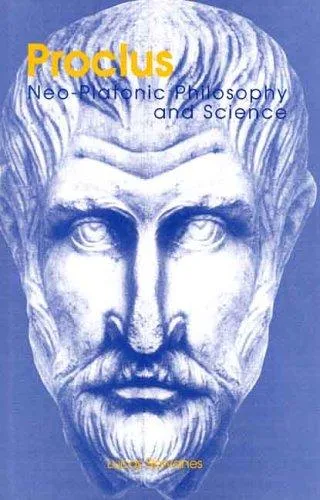
From the “Neoplatonism” Collection
View all →






More Free Alchemy & Hermeticism Books
View all →