Physics and philosophy of nature in Greek Neoplatonism

 62
62

Physics and philosophy of nature in Greek Neoplatonism

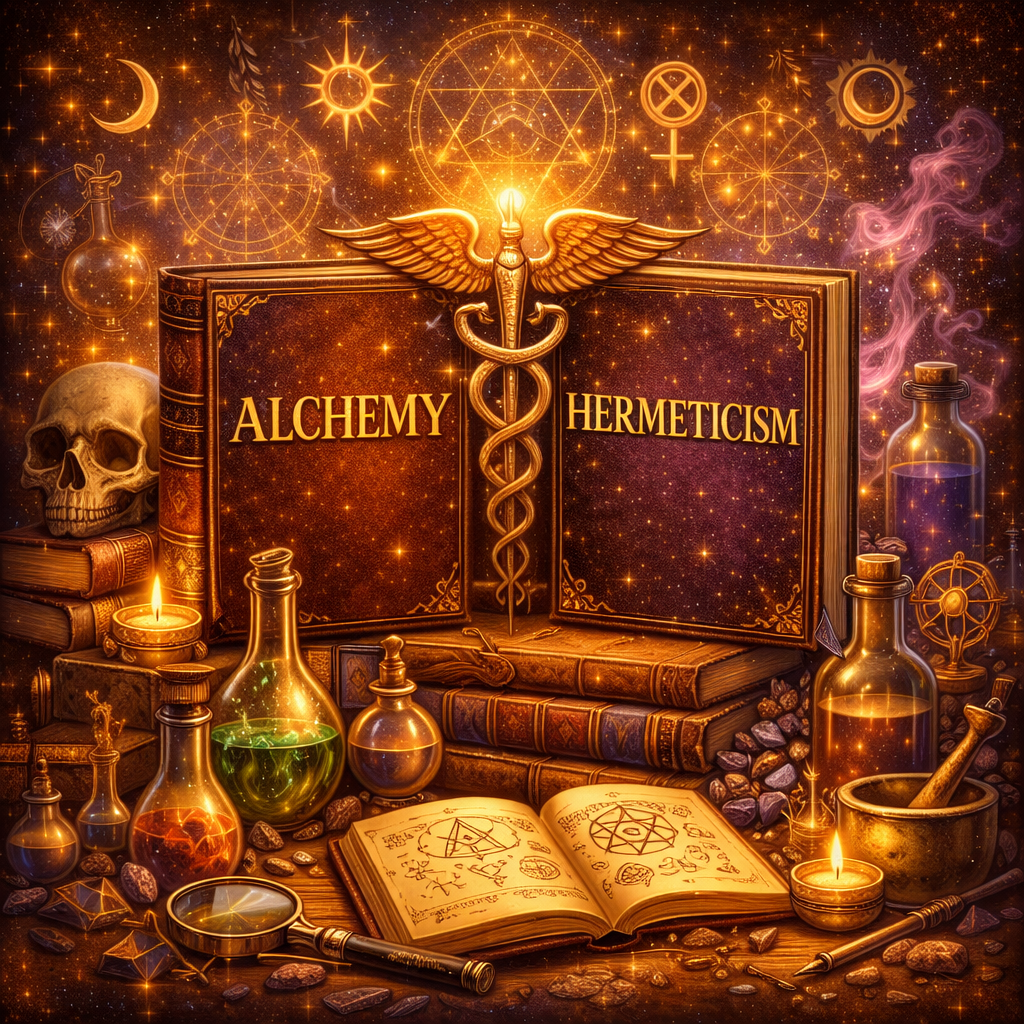

Review by Marcus Thorne (Esoteric Sciences Reviewer) — 'Physics and Philosophy of Nature in Greek Neoplatonism' is a treasure trove for those delving into the mysteries of the cosmos. This collection of papers, stemming from the European Science Foundation's workshop, provides an unparalleled exploration of Neoplatonic natural philosophy. The esoteric insights offered here are invaluable for both scholars and practitioners of the occult. The book's strength lies in its ability to bridge the gap between ancient wisdom and modern understanding, making it an essential read for anyone interested in the philosophical significance of nature. The intended audience is broad, encompassing academics, spiritual seekers, and those with a penchant for hidden knowledge.
📝 Description
62
A 2006 workshop in Italy produced 'Physics and Philosophy of Nature in Greek Neoplatonism,' examining ancient thinkers.
This book collects papers from a 2006 European Science Foundation Exploratory Workshop held at Il Ciocco, Italy. It focuses on how Greek Neoplatonists understood the natural world and its relation to philosophical and metaphysical concepts. The discussions center on the physical theories and philosophical frameworks developed by key figures such as Plotinus, Proclus, and Simplicius.
The work aims to illuminate the Neoplatonic perspective on cosmology, the elements, and the structure of the universe. It considers how these ideas were not merely scientific but also deeply intertwined with spiritual and contemplative practices. The analyses presented explore the symbolic interpretation of nature and its role in the Neoplatonic system of thought, where the material realm is seen as an emanation from higher principles.
Greek Neoplatonism, particularly as developed by figures like Plotinus and Proclus, viewed the cosmos as a divinely ordered system. Nature was not merely a subject of empirical study but a manifestation of higher spiritual realities and a path for ascent. This tradition sought to understand the underlying principles of the physical world through philosophical reasoning and contemplation, seeing it as a reflection of the One. The esoteric dimension lies in its aim to connect the material to the immaterial, using the study of nature as a means to achieve spiritual insight and union with the divine.
💡 Why Read This Book?
Read this book to uncover the profound esoteric wisdom embedded in Neoplatonic thought. Ideal for seekers of hidden knowledge, scholars of philosophy, and practitioners of alchemy, this text offers a deep dive into the mystical underpinnings of nature. It reveals the symbolic language of the universe, making it a must-read for anyone looking to expand their understanding of the metaphysical realm.
⭐ Reader Reviews
Honest opinions from readers who have explored this book.
❓ Frequently Asked Questions
What is the primary focus of this book?
The book focuses on the philosophy of nature within Greek Neoplatonism, exploring the esoteric and mystical dimensions of natural philosophy from Plotinus to Simplicius.
Who would benefit most from reading this book?
Scholars of philosophy, spiritual seekers, and practitioners of the occult will find this book particularly enlightening.
Is this book suitable for beginners?
While it is accessible, a basic understanding of Neoplatonic thought and philosophy is beneficial for a deeper appreciation of the content.
What makes this book unique?
This collection of papers offers a fresh perspective on Neoplatonic natural philosophy, bridging ancient wisdom with modern interpretations.
How does this book contribute to the study of alchemy?
It provides deep insights into the esoteric foundations of nature, which are crucial for understanding the symbolic and metaphysical aspects of alchemy.
🔮 Key Themes & Symbolism
Neoplatonic Natural Philosophy
This book examines the mystical and esoteric dimensions of Neoplatonic natural philosophy, revealing the hidden knowledge embedded in the works of Plotinus, Proclus, and Simplicius. It explores how the material world reflects divine truths, making it a must-read for those interested in the symbolic language of the cosmos.
Symbolism and the Cosmos
The text uncovers the symbolic meanings behind natural phenomena, offering a deep dive into the esoteric foundations of nature. It provides insights into how the cosmos communicates through symbols, guiding the reader toward a higher understanding of the universe.
Historical Legacy of Neoplatonism
This collection of papers outlines the impressive historical legacy of Neoplatonic physics, tracing its influence from ancient times to the modern era. It highlights how Neoplatonic thought has shaped our understanding of the natural world and its mystical underpinnings.
💬 Memorable Quotes
Direct passages from the work, attributed to the author.
“Nature reflects the eternal truths of the divine.”
— It highlights the mystical connection between the material and the spiritual realms.
“The universe is a harmonious symphony of symbols.”
— It reveals the intricate web of symbolic meanings that underlie the natural world.
💡 Key Ideas
Editorial paraphrase of the work's core concepts — not direct quotes.
The cosmos is a living symbol of divine wisdom.
This quote underscores the Neoplatonic belief that the natural world is imbued with spiritual significance.
The study of natural philosophy leads to spiritual enlightenment.
This quote emphasizes the transformative power of esoteric knowledge.
Neoplatonic thought bridges the gap between ancient wisdom and modern understanding.
This quote underscores the enduring relevance of Neoplatonic philosophy today, .
🌙 Esoteric Significance
Tradition
This book belongs to the Hermetic tradition, which seeks to uncover the hidden knowledge of the cosmos. It draws on the esoteric teachings of Neoplatonism to reveal the symbolic language of nature.
Symbolism
Key symbols in this text include the cosmos as a living symbol, the material world as a reflection of divine truths, and the natural world as a harmonious symphony of symbols. These symbols guide the reader toward a deeper understanding of the mystical underpinnings of nature.
Modern Relevance
Today, this book remains relevant for modern practitioners of alchemy and Hermeticism. It provides insights into the esoteric foundations of nature, making it a valuable resource for those seeking to understand the symbolic and metaphysical aspects of the natural world.
👥 Who Should Read This Book
This book is ideal for scholars of philosophy and esoteric studies, spiritual seekers looking to deepen their understanding of natural philosophy, and practitioners of alchemy and Hermeticism. Beginners may find it challenging but rewarding, as it offers a comprehensive introduction to Neoplatonic thought. For those with a penchant for hidden knowledge, this text is a must-read.
📜 Historical Context
Written in 2006, 'Physics and Philosophy of Nature in Greek Neoplatonism' emerged during a time of renewed interest in the esoteric traditions of the ancient world. The workshop held in Italy brought together scholars and practitioners to explore the philosophical significance of Neoplatonic natural philosophy. This book was important for its time as it highlighted the historical legacy of Neoplatonic thought, bridging ancient wisdom with modern interpretations. Its influence can be seen in contemporary studies of alchemy, Hermeticism, and the occult.
📔 Journal Prompts
Reflect on how the symbolism of nature can be applied to your spiritual journey.
Explore the ways in which Neoplatonic thought has influenced modern esoteric practices.
Consider the role of natural philosophy in bridging the gap between ancient wisdom and modern understanding.
Write about a personal experience where you encountered the mystical dimensions of nature.
Discuss the significance of the cosmos as a living symbol of divine wisdom in your own life.
🗂️ Glossary
Neoplatonism
A philosophical tradition that builds on the teachings of Plato, emphasizing the mystical and esoteric dimensions of reality.
Natural Philosophy
The study of nature from a philosophical and esoteric perspective, seeking to uncover the hidden knowledge embedded in the natural world.
Symbolism
The use of symbols to convey deeper, often mystical meanings, particularly in the context of natural phenomena.
Hermeticism
An esoteric tradition that seeks to uncover the hidden knowledge of the cosmos, often through the study of symbols and natural philosophy.
Divine Truths
The eternal, spiritual truths that underlie the material world, often revealed through the study of nature and symbolism.
This book appears in 3 collections
🔮 Readers Also Liked
Browse all →








From the “Neoplatonism” Collection
View all →





More Free Alchemy & Hermeticism Books
View all →