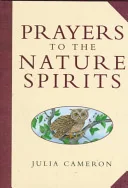
Prayers to the Nature Spirits
 79
79

Prayers to the Nature Spirits
Julia Cameron’s *Prayers to the Nature Spirits* offers a distinct approach to devotional literature, moving beyond anthropocentric deities to commune directly with the earth’s elements. The strength lies in its consistent focus and the sheer variety of natural phenomena addressed, from the subtle shift of seasons to the power of storms. Cameron’s verse is accessible, inviting readers into a direct relationship with the world around them. However, the collection occasionally borders on the simplistic, with some prayers feeling more like gentle affirmations than profound spiritual dialogues. A passage dedicated to the 'Prayer to the River' captures the book’s essence: its clear, flowing language mirrors the subject, urging a recognition of constant movement and change as inherent wisdom. The work is a valuable resource for those seeking to deepen their connection to the planet through poetic contemplation.
📝 Description
79
Julia Cameron published forty-eight poem-prayers in 1999, connecting readers to nature's spiritual lessons.
Published in 1999, Julia Cameron's Prayers to the Nature Spirits presents forty-eight poem-prayers. The book is built on the idea that the natural world offers significant instruction for humans. Cameron guides readers through verses designed to foster a greater appreciation and understanding of the environment. The work is intended for those who wish to build a spiritual bond with the earth, especially individuals drawn to nature spirituality, animism, or eco-mysticism. Poets, artists, and anyone finding peace in natural settings will connect with its message. It also offers value to those seeking devotional practices beyond conventional religious frameworks. The core belief is that nature functions as a divine instructor. Each poem-prayer acts as an invocation, engaging in a dialogue with a specific part of the natural world, such as a season, weather pattern, or geological formation. The book highlights the importance of reciprocity, suggesting that active appreciation and reverence open pathways to receiving nature's wisdom. It portrays the earth not as a mere resource, but as a living, conscious entity worthy of spiritual regard.
Prayers to the Nature Spirits appeared in 1999 amidst a resurgence of interest in Earth-based spiritualities and ecological awareness. This period followed the New Age movement's influence, which frequently integrated pagan and nature-centered practices. Cameron's book aligns with a trend in esoteric writing that aims to rediscover immanence within the natural world, often as a response to materialistic or human-centered perspectives.
💡 Why Read This Book?
• Gain a framework for nature-based devotion by exploring Cameron's forty-eight poem-prayers, each dedicated to a specific natural entity or phenomenon, offering a structured way to connect with the earth's inherent wisdom. • Cultivate a deeper sense of ecological reverence by understanding nature as a primary teacher, a concept central to the book's philosophy, encouraging a shift from viewing the earth as a resource to a sentient partner. • Enhance your personal spiritual practice with direct invocations, learning from the 1999 publication how to formulate your own prayers and meditations inspired by specific elements like rivers or seasons.
⭐ Reader Reviews
Honest opinions from readers who have explored this book.
❓ Frequently Asked Questions
What is the core philosophy behind Julia Cameron's *Prayers to the Nature Spirits*?
The book's core philosophy posits nature as humanity's greatest teacher. It presents forty-eight poem-prayers designed to foster a direct, devotional relationship with natural elements, encouraging readers to find spiritual guidance and wisdom within the earth itself.
Who is Julia Cameron, and what is her background relevant to this book?
Julia Cameron is a renowned author and artist, widely known for her work on creativity, particularly *The Artist's Way*. Her background in spiritual exploration and artistic practice informs the devotional and poetic nature of *Prayers to the Nature Spirits*.
When was *Prayers to the Nature Spirits* first published?
The book was first published in 1999, positioning it within a period of growing interest in ecological spirituality and personal growth movements.
What kind of spiritual practice does this book encourage?
It encourages a form of nature-based spirituality and animistic reverence. The practice involves reciting or meditating on the poem-prayers to connect with specific natural forces and elements, fostering a sense of interconnectedness.
Are these prayers intended for a specific religious tradition?
No, the prayers are not tied to a specific traditional religion. They are designed for a universal, nature-focused spirituality, accessible to individuals from various backgrounds or those seeking non-denominational spiritual paths.
What are some examples of nature spirits or elements addressed in the book?
The book addresses a wide array of natural elements, including seasons (spring, autumn), weather phenomena (wind, rain, sun), geological features (mountains, rivers), and more abstract concepts like cycles and growth.
🔮 Key Themes & Symbolism
Nature as Divine Teacher
The collection posits the natural world as the ultimate instructor, surpassing human dogma. Each poem-prayer acts as a lesson, inviting readers to observe and internalize the wisdom inherent in phenomena like the changing seasons or the flow of a river. This theme encourages a shift in perspective, viewing ecological processes not merely as scientific occurrences but as spiritual guidance, accessible through focused attention and reverence.
Reciprocity and Reverence
A central concept is the idea of a reciprocal relationship between humanity and nature. The act of offering prayers and expressing gratitude is presented as essential for receiving nature's teachings. This theme underscores the importance of active engagement and respect for the environment, suggesting that true understanding comes not from passive observation but from a heartfelt connection and acknowledgement of nature's sentience.
Elemental Invocation
The forty-eight poem-prayers are structured as direct invocations to specific elements, forces, and cycles within the natural world. This approach aligns with animistic traditions that recognize spirit in all things. By focusing on tangible aspects like wind, sun, or earth, the book provides concrete anchors for spiritual practice, making the divine immanent and accessible in everyday encounters with the environment.
Artistic and Spiritual Synthesis
Julia Cameron, known for her work on creativity, synthesizes artistic expression with spiritual seeking. The poem-prayers themselves are artistic creations, demonstrating how creative practice can serve as a vehicle for spiritual exploration. This theme suggests that engaging with art, particularly poetry inspired by nature, can unlock deeper spiritual insights and foster a more integrated sense of self and world.
💬 Memorable Quotes
Direct passages from the work, attributed to the author.
“The work explores the idea that nature is humankind's greatest teacher.”
— This expresses the book's foundational premise: that direct observation and communion with the natural world offer profound spiritual lessons often overlooked in human-centric systems of knowledge.
“Poem-prayers dedicated to appreciating the world.”
— This highlights the active, devotional aspect of the book. It suggests that appreciation is not passive but requires intentional practice, articulated through prayer and focused attention on natural beauty and processes.
“The collection addresses the inherent wisdom found in natural cycles.”
— This points to the book's focus on understanding life through the lens of natural rhythms—birth, growth, decay, and renewal—as depicted in phenomena like seasons or planetary movements.
“Cameron's verse invites a dialogue with elemental forces.”
— This emphasizes the interactive nature of the prayers, framing them not as one-way supplications but as conversations with the living spirit of nature, fostering a sense of partnership.
“The book guides readers toward seeing nature as a sentient entity.”
— This reflects an animistic perspective, encouraging a view of the earth and its components as having consciousness and deserving of spiritual recognition, rather than being mere inert matter.
🌙 Esoteric Significance
Tradition
This work draws implicitly from animistic and nature-based spiritual traditions, akin to aspects of shamanism and certain forms of paganism, rather than fitting neatly into established Western Esoteric lineages like Hermeticism or Kabbalah. It emphasizes immanence—the divine present within the material world—specifically within the natural environment. Its approach is devotional and poetic, seeking direct communion with elemental forces rather than through complex symbolic systems or arcane rituals.
Symbolism
Key symbols include the elements themselves: Earth, Air, Fire, and Water, representing fundamental forces of creation and existence. Cycles, such as the turning of seasons or the phases of the moon, symbolize transformation, renewal, and the inexorable flow of life. Natural landscapes like mountains and rivers function as symbols of endurance, guidance, and the constant journey of existence, inviting contemplation on stability and change.
Modern Relevance
In contemporary practice, Cameron's work informs eco-spirituality, ecofeminism, and nature-based mindfulness movements. It provides a foundational text for individuals seeking to articulate a personal spirituality centered on the earth, distinct from institutionalized religions. Modern practitioners utilize its poetic structure for meditation and ritual, aligning with contemporary therapeutic approaches that emphasize nature connection for mental and emotional well-being.
👥 Who Should Read This Book
• Individuals new to nature-based spirituality seeking an accessible entry point through poetry and gentle devotion. • Experienced practitioners of animism or paganism looking for contemporary poetic expressions to supplement their existing practices. • Artists, writers, and creatives interested in exploring the intersection of artistic creation and spiritual connection with the natural world.
📜 Historical Context
Published in 1999, *Prayers to the Nature Spirits* emerged at a time when the spiritual landscape was diversifying, with a noticeable increase in interest in Earth-based spiritualities and ecopsychology. This period saw a continued influence from the New Age movement, which often blended elements of paganism, shamanism, and Eastern philosophies. Cameron's work offered a more accessible, poetic entry point into these ideas, contrasting with more academic or ritualistic approaches. While not directly engaging with academic debates, it resonated with a broader cultural undercurrent that questioned anthropocentrism and sought deeper ecological connection. Its publication coincided with thinkers like Bill McKibben advocating for environmental awareness. Unlike more dogmatic spiritual paths, Cameron’s approach emphasized personal experience and artistic expression as pathways to understanding the sacred within the natural world, avoiding the rigid structures of established religions.
📔 Journal Prompts
Reflect on the 'Prayer to the River' and its depiction of constant change.
Consider the concept of nature as a teacher, as presented in the book.
What specific element or phenomenon from the book calls to you most strongly right now?
Explore the idea of reciprocity with the natural world in your own life.
Write your own short poem-prayer to a natural element you frequently encounter.
🗂️ Glossary
Poem-Prayer
A verse composition combining poetic expression with devotional intent, aimed at invoking or communing with a specific natural entity or force.
Nature Spirits
In this context, refers to the perceived consciousness or animating principle within natural elements, phenomena, and landscapes, addressed through prayer and reverence.
Immanence
The philosophical or theological concept that the divine or sacred is present within the material world, particularly within nature, rather than existing solely in an external, transcendent realm.
Animism
The belief that natural objects, phenomena, and the universe itself possess souls or consciousness; a worldview where spirits inhabit the natural world.
Elemental Forces
The fundamental components and energies of nature, often categorized as Earth, Air, Fire, and Water, seen as possessing distinct qualities and spiritual significance.
Reciprocity
The principle of mutual exchange and responsiveness between humans and the natural world, emphasizing that reverence and care are met with nature's wisdom and sustenance.
Devotional Practice
An intentional act or series of acts performed with the purpose of expressing reverence, love, or commitment towards a spiritual object or concept, in this case, nature.
This book appears in 1 collection
🔮 Readers Also Liked
Browse all →








From the “Nature Spirits” Collection
View all →








More Free Occult Philosophy Books
View all →