Divine Dirt
 74
74

Divine Dirt
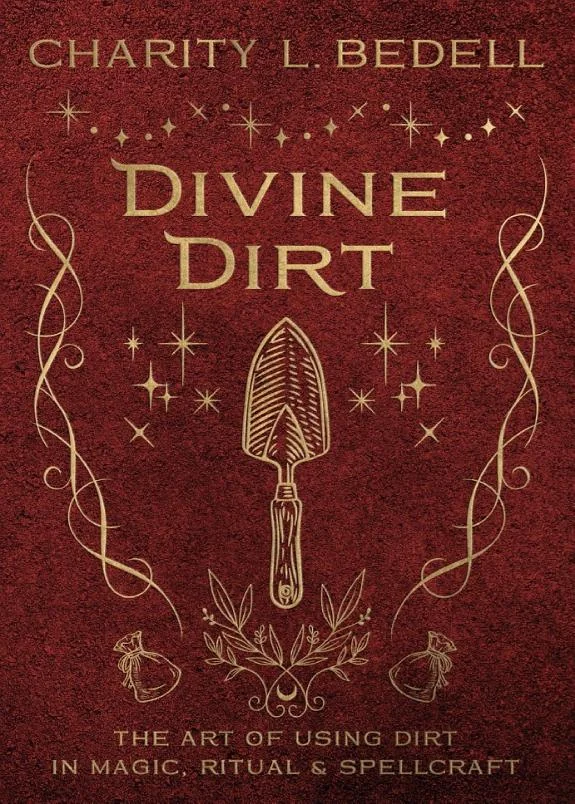
Charity L. Bedell's *Divine Dirt* offers a refreshingly grounded approach to folk magic, moving beyond abstract theory to engage directly with the earth. The strength of this work lies in its practical, accessible exercises, particularly those detailing how to imbue common soil with specific intentions for protection or manifestation. Bedell’s integration of diverse folk practices, from American conjure to broader European witchcraft, feels authentic and well-researched. A minor limitation might be the sheer breadth of traditions touched upon; while comprehensive, some readers might desire deeper dives into specific regional practices. The section on using dirt from animal tracks, for instance, provides a tangible, albeit ethically nuanced, method for sympathetic magic that exemplifies the book's direct engagement with its subject matter. *Divine Dirt* is a valuable manual for anyone seeking to revitalize their magical practice through elemental connection.
📝 Description
74
Charity L. Bedell's Divine Dirt presents over 120 spells and exercises using earth as a magical medium.
This book offers a practical approach to earth magic, demonstrating how ordinary soil can become a powerful tool for ritual and spellcraft. Bedell provides more than 120 spells and exercises designed to integrate elements of witchcraft, conjure, and various folk magic traditions. The central idea is that with focused intention and knowledge, practitioners can tap into the inherent magical energies of the ground beneath them.
Divine Dirt is suited for those already engaged in folk magic, witches aiming to strengthen their connection to the natural world, and anyone interested in earth based spirituality. It moves beyond theory, encouraging direct engagement with the physical environment for magical purposes, whether one lives in a city or the countryside. The work draws on historical earth magic practices and geomancy, acknowledging a wide range of earth focused spiritualities across different cultures and eras.
Drawing from historical practices of earth magic and geomancy, this work connects to a long lineage of traditions that recognize the inherent power in soil, stones, and natural landscapes. It acknowledges a broad spectrum of earth-based spiritualities that have existed across cultures and time periods, emphasizing the energetic imprint of place and presence. The book positions itself within a practical, hands-on approach to magic that prioritizes direct interaction with the physical world.
💡 Why Read This Book?
• Learn to work with specific environmental energies, such as those found at riverbanks or forests, moving beyond generalized spellcasting as detailed in the 'environmental magic' sections. • Discover how to build relationships with urban and nature spirits, offering a unique pathway to animistic practice that many texts overlook. • Master the creation of practical protective charms, including those for crossroads, by utilizing collected materials like dirt from footprints, as demonstrated in the spellwork chapters.
⭐ Reader Reviews
Honest opinions from readers who have explored this book.
❓ Frequently Asked Questions
What kind of soil is best for spells in Divine Dirt?
The book emphasizes that any soil can be imbued with magic, but specific types like graveyard dirt or soil from significant natural locations are highlighted for their unique energetic properties and historical associations.
Does Divine Dirt require prior witchcraft experience?
No, the book is designed for a range of practitioners. It offers foundational concepts and clear instructions, making it accessible for beginners while providing depth for more experienced witches.
Are the spells in Divine Dirt safe for urban environments?
Absolutely. Charity L. Bedell provides methods for working with urban spirits and utilizing readily available materials, demonstrating that potent magic is accessible even in city settings.
What does 'working with the energy of various environments' mean in practice?
It means consciously drawing upon the unique spiritual and energetic qualities of places like forests, rivers, or even city streets to enhance magical workings, rather than using generic ingredients.
When was Divine Dirt first published?
Divine Dirt was first published on August 5, 2025.
Can I use dirt from my own garden in these spells?
Yes, the book encourages using locally sourced materials, including your own garden soil, and teaches how to consecrate and energize it for specific magical purposes.
🔮 Key Themes & Symbolism
Environmental Magic
The core of Divine Dirt lies in the concept of environmental magic, positing that specific locations possess unique energetic signatures that can be harnessed. This moves beyond generalized spellcasting by encouraging practitioners to connect with the spirit and essence of places like riverbanks, forests, and even urban landscapes. Bedell guides readers to understand how the history and natural forces of an area imbue its soil with distinct magical properties, making the earth itself a dynamic partner in spellwork.
Spirit Work and Animism
This book emphasizes the importance of building relationships with both nature spirits and the elemental forces of the earth. It advocates for an animistic worldview, where all aspects of the environment—from soil and stones to animal tracks and geographical features—are seen as possessing consciousness and agency. By learning to communicate and collaborate with these entities, practitioners can enrich their magical practice and foster a deeper ecological reverence.
Folk Practices Integration
Divine Dirt synthesizes diverse folk magic traditions, including witchcraft and conjure, with a specific focus on earth-based practices. It details how to utilize materials gathered from specific environments, such as dirt from footprints or graveyard soil, for potent spellcraft. The book provides practical instructions for creating charms and performing rituals that honor the lineage of these ancient, earth-attuned magical systems.
The Magic of the Mundane
A central theme is the transformative power found in the seemingly ordinary. Charity L. Bedell demonstrates that mundane elements like dirt, water from a stream, or even the energy of a crossroads can become powerful magical tools when approached with intention and knowledge. This perspective democratizes magic, making it accessible and relevant to everyday life, regardless of one's surroundings.
💬 Memorable Quotes
Direct passages from the work, attributed to the author.
“Use dirt from footprints and animal tracks in your spells.”
— This practical instruction highlights the book's focus on sympathetic magic and the energetic imprint left on the environment. It suggests that even transient traces of life contain potent magical energy that can be channeled.
“Build relationships with urban and nature spirits.”
— This concept underscores the book's animistic approach, encouraging practitioners to see the environment not as inert matter but as alive with sentient forces, fostering respectful interaction and collaboration.
“Turn Ordinary Soil into Magic.”
— This expresses the book's core premise: that profound magical potential lies hidden within the most common elements of the natural world, accessible through focused intention and specific techniques.
“Work with the energy of various environments—from riverbanks to forests to graveyards.”
— This points to the book's emphasis on environmental magic, advocating for the use of place-specific energies and materials to enhance the effectiveness and authenticity of spellwork.
“Make protection charms to use at crossroads.”
— This exemplifies the book's focus on practical, protective magic rooted in folk traditions, utilizing potent liminal spaces like crossroads for ritualistic defense and warding.
🌙 Esoteric Significance
Tradition
This work aligns broadly with animistic and folk magic traditions, drawing from a wellspring of earth-centered spiritual practices found globally. While not strictly adhering to a single lineage like Hermeticism or Kabbalah, it taps into the universal reverence for the earth found in shamanistic practices and ancient fertility cults. It departs from more structured esoteric systems by prioritizing direct, experiential engagement with natural elements over complex symbolic frameworks or initiatory hierarchies.
Symbolism
The primary symbol is 'dirt' itself, representing the raw, potent, and often overlooked energy of the earth. Footprints and animal tracks symbolize the energetic residue of life and movement, offering a way to work with sympathetic magic. Crossroads are significant symbolic locations representing liminality, decision points, and places of power where spiritual energies converge, often used for protection or potent workings.
Modern Relevance
In contemporary practice, *Divine Dirt* speaks to eco-spiritualists, modern witches seeking to deepen their connection to the land, and practitioners of animism. It offers a tangible counterpoint to technologically saturated lives, providing methods for grounding and direct nature communion. Thinkers and groups focused on rewilding spirituality and decolonizing magical practices often find value in its emphasis on locally sourced materials and respect for the spirit of place.
👥 Who Should Read This Book
['• Folkloric magic enthusiasts seeking practical applications of earth-based spellcraft and wishing to understand the historical roots of soil magic.', '• Witches and spiritual practitioners aiming to deepen their connection with nature and develop a more animistic worldview, especially those interested in working with local spirits.', '• Individuals new to magic looking for accessible, grounded techniques that utilize readily available materials and emphasize direct interaction with the environment.']
📜 Historical Context
The early 21st century, particularly leading up to its 2025 publication, saw a resurgence of interest in folk magic and earth-based spiritualities, often diverging from the more structured ceremonial magic prevalent in earlier eras. *Divine Dirt* emerges within this context, offering a practical, hands-on approach that contrasts with the theoretical or dogmatic leanings of some esoteric schools. It implicitly engages with the broader Neo-Pagan and witchcraft revival movements that gained momentum through the late 20th century. While not directly referencing specific contemporaries, its focus on direct environmental engagement echoes sentiments found in eco-spiritualism and certain strands of modern witchcraft influenced by figures like Starhawk. The book’s emphasis on accessible, earth-derived magic aligns with a desire for more grounded, less mediated spiritual practices, moving away from the highly codified systems of Hermeticism or Golden Dawn traditions.
📔 Journal Prompts
The energetic signature of graveyard dirt and its application in protection spells.
Developing a working relationship with the spirits of a specific natural environment.
The symbolism of animal tracks and their use in sympathetic magic.
Creating a protection charm for a crossroads using collected earth materials.
How the energy of urban landscapes can be harnessed for magical purposes.
🗂️ Glossary
Environmental Magic
A practice focused on drawing magical power from the specific energies and spiritual qualities inherent in distinct geographical locations, such as forests, rivers, or deserts.
Conjure
A branch of folk magic, particularly prominent in African American traditions, often involving the use of spiritual intermediaries, prayers, and the manipulation of natural objects for magical ends.
Sympathetic Magic
A form of magic based on the principle that like produces like, or that a cause affects its effect through a single, continuous action; often involves using objects that resemble or have been in contact with the target.
Nature Spirits
Entities believed to inhabit and govern natural places and phenomena, such as trees, rivers, mountains, and the earth itself, often addressed and worked with in animistic traditions.
Crossroads
A physical location where two or more paths or roads intersect, often considered a place of spiritual significance, liminality, and potent magical activity in various folk traditions.
Animism
The belief that natural objects, phenomena, and the universe itself possess souls or consciousness, leading to a worldview where spirits inhabit all aspects of the environment.
Geomancy
A practice of divination and magic based on interpreting patterns derived from the earth, often involving the casting of soil, stones, or other natural materials.
This book appears in 1 collection
🔮 Readers Also Liked
Browse all →









From the “Spellcraft” Collection
View all →

More Free Occult Philosophy Books
View all →