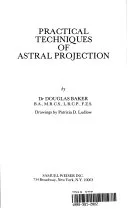
Practical Techniques of Astral Projection
 78
78

Practical Techniques of Astral Projection
Douglas Baker's *Practical Techniques of Astral Projection* is a refreshingly no-nonsense guide. Unlike many texts that get lost in abstract philosophy, Baker grounds the reader in actionable steps, a strength that immediately sets it apart. His explanation of "energetic tethering" – the concept of maintaining a connection to the physical body during projection – is particularly concrete and reassuring for beginners apprehensive about getting lost. However, the book's brevity, while commendable for its directness, sometimes leaves one wishing for more elaboration on the potential psychological implications of such experiences. The section on overcoming fear is concise but could benefit from deeper exploration of common anxieties beyond simple assertion. Despite this, Baker provides a solid framework for practice.
It offers a direct path for the dedicated student.
📝 Description
78
Douglas Baker published *Practical Techniques of Astral Projection* in 1977, detailing methods for out-of-body experiences.
Douglas Baker's 1977 book offers a direct approach to astral projection, moving past theory to present a series of exercises for achieving out-of-body experiences. The focus is on developing the mental discipline and awareness needed for safe and controlled astral travel. This work is for those seriously interested in the practice, preferring explicit instructions over lengthy philosophical discussions. It suits students of esoteric subjects familiar with meditation and visualization who are ready to apply these skills to separating consciousness from the physical body. It is not intended for casual inquirers.
The book centers on cultivating awareness of subtle energy bodies, such as the astral or etheric body. Baker stresses the importance of focused intention, visualization, and maintaining a relaxed yet alert state of consciousness. He outlines methods for developing psychic senses and addresses common obstacles like fear and doubt, which he describes as energetic barriers to leaving the physical form. The step-by-step format reflects a desire for tangible results in spiritual exploration.
Emerging in the late 1970s, a time of renewed interest in parapsychology and New Age spirituality, Baker's book contributed to the growing literature demystifying occult practices. This period saw wider public access to esoteric knowledge, influenced by movements like Theosophy and earlier works on psychic development. The book's practical, step-by-step method aligned with a desire for demonstrable results in spiritual exploration, making complex concepts accessible to a broader audience.
💡 Why Read This Book?
• Learn specific visualization exercises for initiating astral projection, such as the "Mind Awake, Body Asleep" technique, which guides you toward the necessary dissociative state. • Understand the concept of the "energetic tether" as explained by Baker, providing a practical method for ensuring a safe return to your physical body after exiting. • Develop techniques for consciously directing your astral form, moving beyond passive observation to active exploration as detailed in the chapter on "Navigating the Astral Plane."
⭐ Reader Reviews
Honest opinions from readers who have explored this book.
❓ Frequently Asked Questions
What is the core principle behind Douglas Baker's astral projection method?
The core principle involves cultivating a specific state of consciousness where the mind remains alert while the body enters a deep, trance-like relaxation, facilitating the separation of the astral body.
When was Practical Techniques of Astral Projection first published?
The book was first published in 1977, positioning it within a wave of esoteric literature exploring consciousness and parapsychology.
Does the book discuss safety precautions for astral projection?
Yes, Baker addresses safety by explaining the concept of an "energetic tether" and methods for overcoming fear, which are presented as crucial for a secure experience.
What is the "Mind Awake, Body Asleep" technique mentioned in the book?
This is a foundational technique where the practitioner focuses on maintaining mental awareness while intentionally allowing the physical body to become deeply relaxed, almost as if asleep.
Is this book suitable for absolute beginners with no prior meditation experience?
While it provides techniques, some familiarity with focused attention and relaxation practices would be beneficial. It is geared towards those ready for direct application rather than foundational spiritual training.
How does Baker's approach differ from other astral projection guides?
Baker's method is characterized by its directness and emphasis on concrete exercises, minimizing theoretical preamble and focusing on practical steps for achieving and controlling the out-of-body state.
🔮 Key Themes & Symbolism
Consciousness Separation
The book details methods for achieving a state where consciousness can effectively disengage from the physical body. Baker explains the subtle energetic mechanisms at play, focusing on the practitioner's ability to direct their intent and awareness. This theme explores the nature of the astral body as a vehicle for consciousness, distinct from the physical form, and the processes required to initiate its independent function.
Mind-Body Relaxation
A central tenet is the deliberate cultivation of a specific psychophysiological state: the mind remains sharp and aware while the body achieves profound stillness and relaxation. This duality is presented as the gateway to astral projection. The text outlines exercises designed to train the user in achieving this precise balance, essential for overcoming the natural inertia of the physical form.
Overcoming Fear and Doubt
Baker addresses the psychological barriers that commonly impede astral projection. Fear of the unknown, fear of not returning, and self-doubt are identified as energetic blockages. The book offers practical advice and mental techniques to confront and dissolve these fears, reframing them as surmountable obstacles through focused will and understanding.
Controlled Navigation
Beyond merely achieving separation, the work emphasizes the importance of control and direction during the astral experience. Readers are guided on how to read through the non-physical environment, maintain awareness of their connection to the physical body, and consciously direct their movement and perception while in the astral state.
💬 Memorable Quotes
Direct passages from the work, attributed to the author.
“The mind must be awake to observe, while the body must be asleep to allow departure.”
— This concisely captures the fundamental paradox Baker teaches: achieving a state of deep physical relaxation akin to sleep while maintaining full mental clarity and awareness for the purpose of astral travel.
“Fear creates resistance. Will dissolves it.”
— This aphorism points to the energetic nature of fear in blocking astral projection. Baker suggests that focused mental energy and intention, rather than passive resistance, are the keys to overcoming these psychological impediments.
“Practice the separation daily, even if only for moments.”
— This emphasizes the importance of consistent, incremental practice. Baker implies that regular attempts, even brief ones, build the necessary psychic muscle and familiarity for longer, more controlled astral journeys.
“Learn to perceive the subtle bodies before attempting full projection.”
— Baker advises developing sensitivity to the energetic layers of existence prior to full separation. This suggests a foundational stage of psychic development is beneficial for a smoother and more informed astral projection experience.
💡 Key Ideas
Editorial paraphrase of the work's core concepts — not direct quotes.
Visualize the silver cord; it is your anchor and your return path.
Baker refers to the energetic connection, often called the silver cord, as a vital safety mechanism. This quote highlights its dual function: maintaining the link to the physical body and ensuring a reliable way back.
🌙 Esoteric Significance
Tradition
Baker's work aligns with the practical, experiential branches of Western esotericism, particularly those influenced by late 19th and early 20th-century occult revival movements like Theosophy and later New Age thought. It emphasizes direct experience and the development of latent psychic faculties, moving beyond purely theoretical or ritualistic frameworks to focus on techniques for consciousness alteration.
Symbolism
The primary symbol is the "silver cord," representing the energetic link between the physical and astral bodies, essential for safety and return. Another implicit symbol is the "astral body" itself, depicted as a distinct vehicle of consciousness capable of independent locomotion and perception, a concept rooted in ancient Egyptian and later Hermetic thought regarding subtle anatomy.
Modern Relevance
Contemporary practitioners of lucid dreaming, remote viewing, and various forms of consciousness exploration often reference Baker's clear, step-by-step methodology. His focus on mental discipline and overcoming fear remains relevant for modern practitioners seeking to expand their awareness beyond the physical senses through disciplined practice.
👥 Who Should Read This Book
• Aspiring practitioners of astral projection seeking a direct, instructional manual rather than extensive theoretical discourse. • Students of consciousness studies interested in practical methods for exploring non-ordinary states of awareness. • Individuals familiar with basic meditation and visualization techniques looking to apply them specifically to achieving out-of-body experiences.
📜 Historical Context
Published in 1977, Douglas Baker's *Practical Techniques of Astral Projection* arrived during a fertile period for esoteric exploration in the West. The counterculture movements of the 1960s had paved the way for increased interest in Eastern philosophies, parapsychology, and alternative states of consciousness. Authors like Robert Monroe, whose own experiences with out-of-body travel were gaining traction, and the continued influence of Theosophy, provided a backdrop for Baker's direct, instructional approach. Unlike more academic or purely philosophical texts, Baker's work offered a pragmatic, almost mechanical, set of steps. This era saw a democratization of occult knowledge, moving it from specialized circles to a broader public seeking self-discovery and expanded awareness, with Baker’s book fitting neatly into this trend by providing actionable guidance.
📔 Journal Prompts
The "Mind Awake, Body Asleep" state: describe your initial attempts to achieve this balance.
Identify the primary fears you associate with astral projection and how Baker's "Will dissolves it" principle might apply.
Reflect on the concept of the "silver cord" and its potential role in your practice.
Detail a visualization exercise you developed after reading the chapter on reading through the astral plane.
Consider the distinction between the physical body and the astral body as presented by Baker.
🗂️ Glossary
Astral Body
A subtle or non-physical body believed to be the vehicle of consciousness during dreams and astral projection, capable of existing and moving independently of the physical body.
Silver Cord
An energetic, often described as luminous, connection linking the physical body to the astral body. It is believed to be essential for maintaining life and ensuring a safe return during astral projection.
Energetic Tether
Similar to the silver cord, this term refers to a vital energetic connection that keeps the astral body anchored to the physical form, preventing permanent separation.
Subtle Bodies
A concept referring to various layers or vehicles of consciousness beyond the physical body, including the etheric, astral, and mental bodies, each associated with different levels of awareness and experience.
Separation
The act or process of the astral body disengaging from the physical body, initiating an out-of-body experience or astral projection.
Psychic Resistance
Mental or energetic barriers, often stemming from fear or doubt, that prevent the practitioner from achieving or controlling astral projection.
Mind Awake, Body Asleep
A specific technique involving achieving deep physical relaxation while maintaining full mental awareness, considered a prerequisite for initiating astral projection.