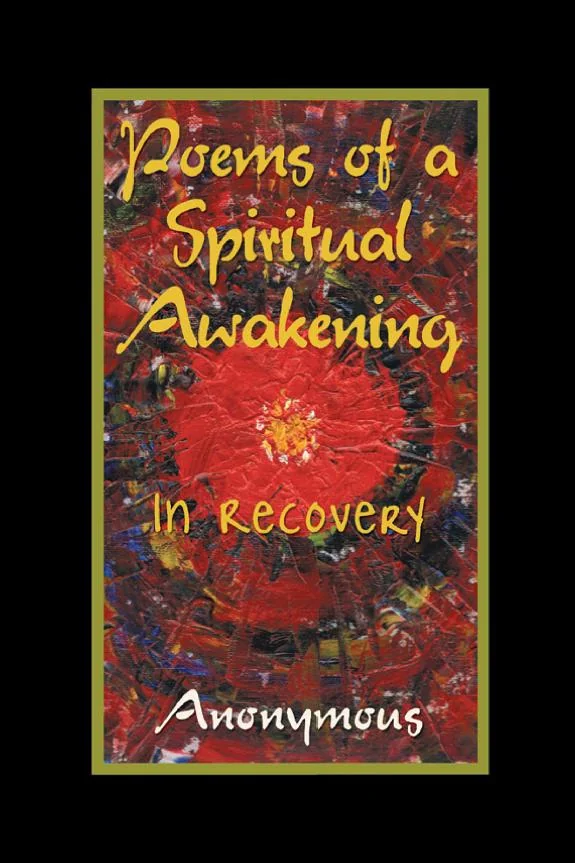
Poems of a Spiritual Awakening
 75
75

Poems of a Spiritual Awakening
The anonymous author of "Poems of a Spiritual Awakening" offers a raw, unflinching look at a spiritual journey that unfolded over twenty-seven years, interwoven with periods of recovery. The strength of this collection lies in its directness; the poems eschew ornate language for a more immediate, confessional tone that mirrors the often-turbulent path of spiritual and personal healing. The recurring motif of God's "all-inclusive universal power" acts as a consistent anchor, a light guiding the author through significant life challenges. However, the collection occasionally suffers from a lack of overt thematic development between poems, sometimes feeling like disparate entries rather than a cohesive narrative arc. A particularly striking passage describes the divine revealing itself not in grand pronouncements but in the "quiet ink" of the pen, a poignant illustration of the work's central thesis. Despite some unevenness, the book provides a sincere testament to the power of faith and art in overcoming adversity.
📝 Description
75
Poems of a Spiritual Awakening charts a personal spiritual evolution spanning nearly three decades, beginning in the late 1980s.
This anonymous collection of verse documents a spiritual awakening that unfolded over twenty-seven years. The author recounts a deep process of self-discovery and connection to a divine force, which they describe as "an all-inclusive universal power of a loving God." The poems arose from a time of significant personal hardship and subsequent recovery, granting readers an intimate look at how the act of creation can lead to spiritual understanding.
The book is for anyone interested in the connections between personal struggles, spiritual development, and creative work. It will appeal to those who seek honest stories of faith-based recovery, individuals curious about poetry's capacity for theological and psychological change, and anyone pursuing a divine connection. This work speaks to those who have faced the challenge of finding a way toward healing and spiritual insight.
Published in 2014, the book's narrative genesis lies in the late 1980s, a period influenced by the spiritual underpinnings of 12-step programs and a broader interest in personal spirituality outside established religious structures. It aligns with a late 20th and early 21st-century Western cultural trend toward expressive therapies and individual spiritual quests. The author's focus on a direct relationship with the divine, accessed through creative expression, places it within traditions that view art as a conduit for spiritual experience and personal transformation.
💡 Why Read This Book?
• Gain practical insight into poetry as a tool for spiritual exploration, as demonstrated by the author's twenty-seven-year creative process toward recovery. • Understand the concept of divine revelation occurring through personal creative acts, a core element of the author's awakening in the early 2000s. • Experience an authentic portrayal of faith in a loving, universal divine power, as revealed through the author's unique journey documented in the book.
⭐ Reader Reviews
Honest opinions from readers who have explored this book.
❓ Frequently Asked Questions
What is the central theme of Poems of a Spiritual Awakening?
The central theme is spiritual awakening as an ongoing, twenty-seven-year process of personal growth and recovery, facilitated by a direct connection with a loving, universal divine power revealed through poetry.
Who is the author of Poems of a Spiritual Awakening?
The author is anonymous, first publishing the work in 2014 after a lengthy period of personal spiritual development and recovery.
What is the significance of the 'loving God' mentioned in the book?
The 'loving God' represents an 'all-inclusive universal power' that the author experienced as directly revealing itself through the act of writing poetry, guiding their spiritual awakening and recovery.
How long did the author's spiritual awakening process take?
The author's spiritual awakening process, as detailed in the poems, spanned a period of twenty-seven years, encompassing significant personal challenges and recovery.
What role does poetry play in this spiritual journey?
Poetry serves as the primary medium through which the author experienced spiritual awakening, expressing inner turmoil, divine revelations, and the path toward healing and recovery.
When was Poems of a Spiritual Awakening first published?
Poems of a Spiritual Awakening was first published on April 11, 2014, though the experiences chronicled within it span nearly three decades prior.
🔮 Key Themes & Symbolism
Divine Revelation Through Art
The work posits that profound spiritual insights and divine communication are not confined to scripture or dogma but can manifest directly through creative acts. The author's twenty-seven-year journey emphasizes poetry as a sacred dialogue, a conduit through which an "all-inclusive universal power" reveals itself. This theme challenges conventional notions of religious experience by locating the divine within the intimate, personal act of artistic creation, particularly during periods of vulnerability and recovery.
Recovery as Spiritual Path
A significant aspect of the book is the intertwining of spiritual awakening with personal recovery. The author explicitly connects their profound spiritual evolution with the process of overcoming personal challenges, suggesting that healing from addiction or other life difficulties is integral to spiritual development. The "loving God" is presented as a source of strength and guidance specifically within this context, offering hope and a framework for sustained change.
The Universal Nature of God
The poems explore a concept of God as an "all-inclusive universal power," transcending specific religious affiliations. This understanding suggests a benevolent, omnipresent force accessible to all, particularly through individual consciousness and creative expression. The author's awakening involves recognizing this divine presence not as an external judge but as an immanent source of love and support, central to navigating life's complexities and achieving lasting recovery.
Poetry as Spiritual Practice
Beyond merely expressing spiritual experiences, poetry itself becomes a spiritual practice within this work. The act of writing is depicted as a form of prayer, meditation, and self-discovery. The author details how, after years of seeking change without success, turning to poetry unlocked a deeper connection to the divine and facilitated personal transformation. This elevates creative writing to a legitimate path within esoteric and spiritual disciplines.
💬 Memorable Quotes
Direct passages from the work, attributed to the author.
“The all-inclusive universal power of a loving God revealed Himself through this inspiring poetry.”
— This statement captures the book's core thesis: the author's spiritual awakening was not a passive reception of doctrine but an active discovery of divine presence directly mediated by the act of writing poetry.
“Going into and out of recovery over twenty-seven years.”
— This phrase highlights the dynamic and challenging nature of the author's spiritual journey, framing recovery not as a destination but an ongoing process intrinsically linked to their spiritual evolution.
“Change was needed but having no success finding what others had discovered.”
— This reflects the author's period of seeking external solutions for personal transformation before finding an internal, creative pathway through poetry, emphasizing the individual nature of spiritual discovery.
“Express those inne”
— This fragmented phrase suggests the raw, unmediated expression of inner states and feelings that poetry allowed the author to achieve, serving as a vital outlet and tool for spiritual insight.
“Inspiration through poetry.”
— This concise phrase points to the central role of poetic creation as the source and vehicle of spiritual inspiration and awakening for the author.
🌙 Esoteric Significance
Tradition
This work aligns with the Hermetic principle of 'As Above, So Below,' suggesting that the inner spiritual landscape (the 'Below') is mirrored and can be understood through external expression (the 'Above,' in this case, poetry). It appeals to certain Neoplatonic ideas of divine emanation and the soul's journey toward reunion with the One, particularly emphasizing the creative act as a bridge between the material and the divine realms.
Symbolism
The central symbol is the act of writing poetry itself, representing the alchemical transformation of raw experience (lead) into spiritual insight (gold). The 'loving God' functions as the ultimate animating principle or divine spark within the individual, revealed through this creative process. The concept of 'recovery' symbolizes the soul's return from a state of separation or illusion back to its true, divine nature.
Modern Relevance
Contemporary interest in mindfulness, therapeutic writing, and the integration of spirituality into daily life carries the themes in "Poems of a Spiritual Awakening." Thinkers and practitioners focusing on art as a spiritual discipline, or those exploring the intersection of psychology and spirituality (like proponents of Jungian active imagination), find validation in this work's portrayal of creative expression as a direct conduit to the sacred and a path to personal wholeness.
👥 Who Should Read This Book
• Individuals exploring the intersection of creative writing and spiritual development, seeking examples of poetry used for personal transformation and divine connection. • Those undergoing or having experienced recovery from addiction or significant life challenges, looking for narratives that integrate faith, healing, and artistic expression. • Seekers of esoteric knowledge interested in personal revelation and unconventional paths to spiritual awakening, particularly those who connect with the idea of God's presence in everyday creative acts.
📜 Historical Context
Published in 2014, "Poems of a Spiritual Awakening" emerged from a period where personal spirituality and self-help narratives continued to gain traction outside traditional religious frameworks. The author's twenty-seven-year journey, beginning in the late 1980s, coincides with the ongoing influence of the 12-step movement, pioneered by Alcoholics Anonymous (founded 1935), which explicitly incorporates a "higher power." This era also saw a rise in expressive arts therapies and a growing interest in alternative paths to healing and enlightenment. While the book doesn't engage directly with academic esoteric movements like Theosophy or Gnosticism, its emphasis on personal revelation aligns with broader trends in Western esotericism that prioritize individual experience over institutional authority. The anonymous nature of the author and the personal focus of the poetry might have found a receptive audience among those seeking relatable, unvarnished accounts of spiritual struggle and breakthrough, mirroring the accessibility of spiritual memoirs that gained popularity throughout the late 20th century.
📔 Journal Prompts
The author's twenty-seven-year spiritual awakening through poetry.
Experiences of divine revelation through creative expression.
The concept of an 'all-inclusive universal power' in recovery.
Poetry as a means of spiritual dialogue.
Connecting personal challenges with spiritual growth.
🗂️ Glossary
Spiritual Awakening
A profound and often transformative process of increased consciousness, self-awareness, and connection to a divine or universal presence, frequently involving a shift in perspective and values.
Recovery
In this context, refers to the process of overcoming personal challenges, often related to addiction or significant life difficulties, viewed as integral to spiritual growth and healing.
All-inclusive universal power
The author's term for the divine, emphasizing its boundless, omnipresent nature and its direct accessibility to all individuals, particularly through personal experience and creative acts.
Loving God
Represents the benevolent aspect of the divine experienced by the author, serving as a source of guidance, support, and unconditional acceptance throughout their spiritual journey.
Poetry as Revelation
The concept that the act of writing poetry can serve as a direct channel for divine communication and spiritual insight, revealing truths about oneself and the universe.
Esoteric
Pertaining to or accessible only by a select group of people with a specialized knowledge or interest, often concerning spiritual or mystical matters.
Hermeticism
A spiritual, philosophical, and esoteric tradition based on the purported teachings of Hermes Trismegistus, emphasizing divine knowledge, the interconnectedness of all things, and the pursuit of spiritual enlightenment.
This book appears in 1 collection
🔮 Readers Also Liked
Browse all →









From the “Spiritual Awakening” Collection
View all →







More Free Magic & Ritual Books
View all →