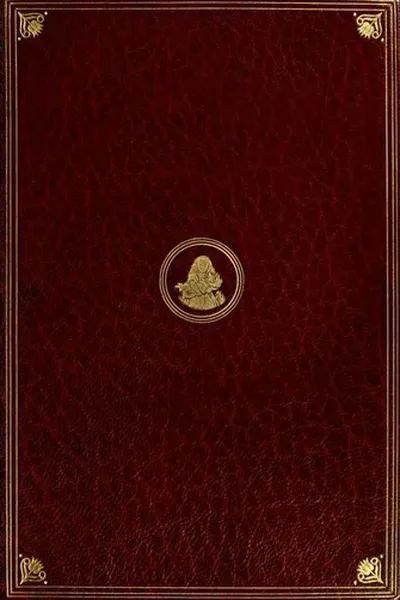
Enochian Evocation of Dr. John Dee

 72
72

Enochian Evocation of Dr. John Dee
Geoffrey James’s "Enochian Evocation of Dr. John Dee" offers a commendably clear exposition of a notoriously labyrinthine subject. James avoids the sensationalism that often clouds discussions of Dee's work, instead presenting a scholarly yet accessible breakdown of the Enochian system. His strength lies in organizing the vast amount of information into digestible sections, particularly detailing the structure of the Enochian language and the hierarchy of its associated intelligences. A notable limitation, however, is the book's somewhat dry presentation; while accurate, it occasionally lacks the spark needed to fully convey the transformative potential practitioners sought. A passage detailing the "48 Angelic Keys" exemplifies this clarity, meticulously listing each key and its purported function, yet one wishes for a touch more interpretive depth regarding their experiential application. Ultimately, this is an indispensable reference for those needing a solid, fact-based introduction to Dee's angelic system.
📝 Description
72
Geoffrey James's 1991 book details John Dee's 16th-century angelic system.
This volume examines the Enochian system of magic as developed by John Dee and Edward Kelley. Geoffrey James lays out the structure and operational methods of this practice, which stems from alleged angelic communications.
The book covers the unique Enochian language, its grammar, and its vocabulary, which Dee and Kelley claimed was revealed to them. It also addresses the hierarchy of angelic beings, the Aethyrs, and the tools like tables and sigils used for invocation.
This work is intended for serious students of Western esotericism, particularly those interested in ceremonial magic. It presupposes some familiarity with occult concepts and a readiness to engage with detailed theoretical material.
The Enochian system emerged in 16th-century England, a period of significant intellectual and spiritual ferment. John Dee, a prominent mathematician and astrologer, claimed to have received this complex angelic language and its associated rituals from angelic entities through scrying sessions with Edward Kelley, starting in 1582. This spiritual technology represented a unique attempt to create a universal angelic language and a practical system for interacting with spiritual hierarchies, distinct from earlier Kabbalistic or Hermetic traditions.
💡 Why Read This Book?
• Gain a structured understanding of the 48 Enochian Keys, moving beyond mere curiosity to grasp their specific functions within invocation, as detailed by James. • Learn about the historical context surrounding John Dee's work in 1582, understanding the intellectual milieu that birthed this unique angelic system. • Explore the mechanics of Enochian scrying and the operational framework devised by Dee and Kelley, providing practical insights into their methods.
⭐ Reader Reviews
Honest opinions from readers who have explored this book.
❓ Frequently Asked Questions
What was the origin of the Enochian language?
The Enochian language and its associated angelic system were purportedly received by Dr. John Dee and Edward Kelley through a series of angelic communications, beginning around 1582.
Who was Dr. John Dee?
Dr. John Dee was a prominent Elizabethan mathematician, astronomer, astrologer, and consultant to Queen Elizabeth I, who also engaged deeply in occult studies and angelic magic.
What are the '48 Angelic Keys'?
The 48 Angelic Keys are short, powerful invocations in the Enochian language, believed by Dee and Kelley to unlock different spiritual realms or powers.
Is Enochian magic still practiced today?
Yes, Enochian magic continues to be studied and practiced by various occult and ceremonial magic traditions, adapting Dee's foundational work.
What is the significance of the Enochian Aethyrs?
The Aethyrs represent the highest spiritual planes in the Enochian system, and ascending through them is a core element of advanced Enochian practice.
Does this book explain how to perform Enochian evocations?
Yes, the book details the structure and theory behind Enochian evocation, providing the foundational knowledge necessary for practitioners.
🔮 Key Themes & Symbolism
The Enochian Language
The book meticulously dissects the Enochian language, presenting it not merely as a curiosity but as a functional tool for spiritual communication. James outlines its unique phonetic structure and grammatical rules, emphasizing its claimed divine origin rather than human construction. The work explores how this language functions as a key, intended to unlock access to angelic intelligences and realms distinct from earthly experience. Understanding the vocabulary and syntax is presented as crucial for accurate invocation and comprehension of the angelic messages.
Angelic Hierarchy and Intelligences
Central to Enochian practice is the structured hierarchy of angelic beings described by Dee and Kelley. Geoffrey James maps out these intelligences, detailing their specific roles, associations, and the correspondences linked to the Enochian system. The book explains how these entities are approached through specific invocations and sigils, forming a complex celestial bureaucracy that practitioners aim to engage with. This detailed breakdown offers a framework for understanding the specific angelic forces believed to govern the cosmos within this tradition.
The Aethyrs and Celestial Ascent
The concept of the Aethyrs, the highest spiritual planes within the Enochian cosmology, is a significant theme. The work explains the journey through these thirty Aethyrs as a core practice for advanced practitioners, a process designed for spiritual purification and expanded consciousness. James details the unique characteristics and challenges associated with each Aethyr, presenting them as distinct stages of spiritual attainment. This aspect highlights the transformative, rather than purely informational, goal of Enochian work.
The Tables of Practice
Geoffrey James illuminates the significance of the various Enochian Tables, particularly the Table of Practice and the Great Table. These are presented as essential instruments for directing and focusing magical energy. The book explains their complex geometric layouts and their role in establishing sacred space and mediating contact with the angelic powers. Understanding the construction and application of these tables is vital for anyone seeking to replicate the operations described by Dee and Kelley.
💬 Memorable Quotes
Direct passages from the work, attributed to the author.
“The 48 Angelic Keys are short verses in Enochian.”
— This highlights the fundamental building blocks of Enochian invocation. These verses are not mere poetic expressions but are considered potent utterances designed to directly influence spiritual or energetic states.
“John Dee's scrying sessions commenced in 1582.”
— This date anchors the genesis of the Enochian system within a specific historical moment, emphasizing its connection to the Renaissance era and the intellectual climate of Elizabethan England.
“Edward Kelley acted as the seer in the communications.”
— This identifies Kelley's crucial role as the intermediary through which the angelic messages, including the Enochian language, were received and transcribed by Dee.
“Enochian magic utilizes unique sigils and talismans.”
— This interpretation points to the visual component of Enochian work, emphasizing that the system relies on specific symbolic representations for its operations.
💡 Key Ideas
Editorial paraphrase of the work's core concepts — not direct quotes.
The Aethyrs represent successive layers of spiritual reality.
This paraphrased concept explains the layered structure of the highest Enochian realms, suggesting a path of ascent and transformation for the practitioner.
🌙 Esoteric Significance
Tradition
Enochian magic is a unique branch within Western esotericism, drawing heavily from the Kabbalistic Tree of Life and Hermetic Qabalah, yet presenting a distinct angelic cosmology. It departs from earlier grimoiric traditions by claiming a direct, divinely revealed system rather than a compilation of ancient lore. Its structured language and angelic hierarchy offer a complex framework for ceremonial magic practitioners aiming for direct spiritual contact and expanded consciousness.
Symbolism
Key symbols include the 48 Angelic Keys, which function as potent linguistic talismans for specific spiritual operations. The Great Table, a complex grid of Enochian letters and numbers, serves as a map of the spiritual universe and a focal point for invocation. The Aethyrs represent the highest planes of existence, each associated with unique spiritual qualities and challenges for the ascending practitioner.
Modern Relevance
Contemporary occultists and ceremonial magicians, particularly within traditions like the Hermetic Order of the Golden Dawn and its offshoots, continue to study and practice Enochian magic. Thinkers like Aleister Crowley engaged with Dee's system, and modern practitioners often adapt the original framework for personal spiritual development and exploration of consciousness.
👥 Who Should Read This Book
• Students of Western Esotericism seeking to understand the historical development of ceremonial magic and the unique contributions of John Dee. • Practitioners of ceremonial magic interested in exploring advanced angelic invocation systems beyond traditional grimoires. • Researchers of Renaissance occultism and the intersection of science, religion, and magic in the 16th century.
📜 Historical Context
The Enochian system emerged in the fertile, yet often turbulent, intellectual soil of late 16th-century England. John Dee, a figure straddling the worlds of empirical science and occult philosophy, sought direct knowledge of the divine through angelic contact. This period saw a fascination with Hermeticism, Kabbalah, and Neoplatonism, currents that informed Dee's own pursuits. His work with Edward Kelley, beginning around 1582, produced the Enochian language and its associated magical framework. While Dee was a respected scholar, his occult practices, particularly those involving alleged angelic communication, placed him outside mainstream scientific discourse and invited skepticism, even from contemporaries like Thomas Digges, who admired Dee's mathematical prowess but remained circumspect about his spiritual endeavors.
📔 Journal Prompts
The structure of the Enochian language as a divine communication tool.
John Dee's motivations for engaging with angelic communications in 1582.
The practical application of the 48 Angelic Keys in modern practice.
Comparing the Enochian Aethyrs to other cosmological models.
The role of Edward Kelley as a seer in the reception of Enochian lore.
🗂️ Glossary
Enochian
Pertaining to the angelic language and magical system purportedly received by Dr. John Dee and Edward Kelley.
Aethyrs
The thirty highest spiritual planes in the Enochian cosmology, representing stages of divine consciousness.
Angelic Keys
Forty-eight invocations or short texts in the Enochian language, considered powerful tools for spiritual work.
Scrying
A form of divination involving gazing into a reflective surface, such as a crystal or dark mirror, to receive visions or messages.
Sigil
A magical symbol or emblem believed to hold occult significance and power, often used in invocation.
Ceremonial Magic
A ritualistic system of magic involving elaborate ceremonies, often employing symbolic tools, gestures, and spoken formulae.
Great Table
A large, complex grid of Enochian letters and numbers used as a map and instrument in Enochian magic.
🔮 Readers Also Liked
Browse all →







More by Geoffrey James
All books →
More Free Magic & Ritual Books
View all →