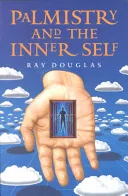
Palmistry and the Inner Self
 81
81

Palmistry and the Inner Self
Ray Douglas's "Palmistry and the Inner Self" offers a refreshingly grounded approach to a practice often relegated to carnival tents. Douglas avoids the more sensationalist claims of predictive palmistry, instead focusing on how the lines and mounts of the hand can illuminate personality structures and inherent potentials. The strength of this work lies in its systematic breakdown of complex palm features, particularly its exploration of how the various lines—Heart, Head, Life, and Fate—interact to paint a detailed psychological portrait. The original publication in 1995 marks it as a product of a specific wave of esoteric literature that sought to integrate ancient arts with modern psychology. A limitation, however, is that some of the interpretations, while detailed, can feel somewhat generalized; the book could benefit from more case studies illustrating these concepts in action. Douglas’s detailed explanation of the relationship between the Head Line and the Heart Line, for instance, provides a solid framework for understanding cognitive versus emotional processing, a valuable insight. The work ultimately serves as a solid, if occasionally dense, primer for those interested in somatic divination as a tool for self-understanding, rather than a crystal ball.
Verdict: A serious, psychologically-oriented introduction to palmistry's diagnostic potential.
📝 Description
81
Ray Douglas published "Palmistry and the Inner Self" in 1995, viewing the hand as a map of character.
This 1995 volume examines palmistry not just for fortune-telling, but as a system for understanding human psychology. Ray Douglas details how the hand's lines, contours, and mounts chart innate tendencies, emotional makeup, and life trajectories. The book breaks down the meaning of major and minor lines, their interplay, and their deeper symbolic language. Douglas suggests a skilled reading can reveal a person's resilience, empathy, romantic versus pragmatic leanings, and even their physical constitution.
"Palmistry and the Inner Self" targets individuals interested in self-discovery through somatic divination. It appeals to those seeking practical applications and psychological insight over simple prediction. Beginners will find its structured approach helpful for building a basic knowledge of hand analysis. Experienced practitioners may find new ways to interpret complex palm features and the connections between markings. The book also suits students of comparative spirituality, psychology buffs, and anyone intrigued by the human form's symbolism.
Published in 1995, "Palmistry and the Inner Self" appeared during a resurgence of interest in New Age philosophies and esoteric practices. It connects the tradition of chiromancy, with roots stretching back to ancient Greece and India, to contemporary psychological inquiry. The book positions palmistry within a broader spectrum of divinatory arts and self-understanding disciplines that gained traction in the late 20th century.
💡 Why Read This Book?
• Gain a structured methodology for interpreting palm lines, moving beyond superficial fortune-telling to understand the interplay between the Life Line, Head Line, and Heart Line as indicators of personal resilience and emotional expression. • Discover the symbolic language of the hand's mounts (e.g., Mount of Venus, Mount of Mercury) as detailed by Douglas, offering concrete insights into specific drives like passion, communication skills, and ambition. • Learn to analyze hand shapes and finger proportions, as presented in the book's framework, to identify fundamental temperaments and innate tendencies, providing a unique lens for self-awareness beyond common personality tests.
⭐ Reader Reviews
Honest opinions from readers who have explored this book.
❓ Frequently Asked Questions
When was "Palmistry and the Inner Self" first published?
Ray Douglas's "Palmistry and the Inner Self" was first published in 1995, positioning it within a contemporary wave of esoteric literature focused on psychological interpretation.
What is the primary focus of Ray Douglas's palmistry book?
The book's primary focus is on using palmistry as a tool for understanding personality, character, and innate potentials, rather than solely for fortune-telling. It explores how hand features map psychological traits.
Does the book discuss the meaning of the Fate Line?
Yes, "Palmistry and the Inner Self" extensively discusses the Fate Line, exploring its significance in relation to external influences, life direction, and an individual's sense of purpose or destiny.
What are the 'mounts' of the hand according to this book?
The mounts are the fleshy, raised areas on the palm (e.g., Mount of Venus, Mount of Jupiter). Douglas's work details how their prominence or lack thereof signifies specific human drives, energies, and capacities.
Is this book suitable for beginners in palmistry?
Absolutely. The book's systematic approach and clear explanations of major lines like the Heart, Head, and Life Lines make it an excellent resource for those new to palmistry seeking a comprehensive foundation.
How does Douglas's approach differ from traditional palmistry?
Douglas emphasizes psychological interpretation and character analysis over strict prediction. His work seeks to reveal inner workings and potentials, aligning with modern psychological frameworks rather than purely divinatory practices.
🔮 Key Themes & Symbolism
The Hand as a Psychological Map
Douglas presents the palm not as a static prediction tool, but as a dynamic map of the psyche. The book meticulously details how the various lines—Heart, Head, Life, and Fate—and the mounts on the palm correspond to distinct psychological functions, emotional patterns, and inherent potentials. This perspective reframes palmistry as a form of somatic divination, where the physical structure of the hand offers tangible insights into an individual's character, resilience, and core tendencies. The interaction between these features is key to unlocking a nuanced understanding of the self.
Interplay of Lines and Character
A central theme is the interconnectedness of the palm's markings. "Palmistry and the Inner Self" moves beyond analyzing individual lines in isolation. It emphasizes how the confluence and relationship between the Heart Line (emotions), Head Line (intellect), and Life Line (vitality) reveal complex personality dynamics. For instance, the length and clarity of the Head Line in relation to the Heart Line can suggest how an individual balances logic and emotion, offering a detailed analysis of their cognitive and affective styles.
Mounts and Innate Drives
The book dedicates significant attention to the mounts – the fleshy pads at the base of the fingers and palm. Ray Douglas explains that the development and prominence of mounts like Venus (love, passion), Jupiter (ambition, leadership), and Mercury (communication, intellect) are direct indicators of innate drives and areas of personal power. Understanding these mounts allows for a deeper exploration of an individual's core motivations, their capacity for specific types of success, and their natural inclinations in social and personal interactions.
Temperament Through Hand and Finger Morphology
Douglas extends the analysis to the overall shape of the hand and the proportions of the fingers. This section explores how different hand types (e.g., Earth, Air, Fire, Water hands) correlate with fundamental temperaments and personality archetypes. Analyzing finger length relative to the palm, and the shape of the fingertips, provides further layers of detail, enabling a more holistic assessment of an individual's inherent nature and how they tend to engage with the world around them.
💬 Memorable Quotes
Direct passages from the work, attributed to the author.
“The palm is a window to the soul.”
— This foundational statement expresses the book's premise: that the physical lines and features of the hand serve as a symbolic language revealing deeper aspects of an individual's inner life, character, and potential.
“Determine if people are level-headed or liable to panic in the face of an emergency.”
— This highlights the practical diagnostic potential of palmistry as presented by Douglas, suggesting that hand analysis can offer insights into how individuals might react under stress and pressure.
“Explore the meanings of the various lines—heart, marriage, head, life, fate, and others.”
— This points to the comprehensive scope of the book's instruction, covering the primary lines of the palm and their specific interpretations related to emotional, intellectual, vital, and circumstantial aspects of life.
“See how they interact with each other to produce a detailed analysis.”
— This emphasizes the sophisticated approach Douglas advocates, where a nuanced understanding arises not from single line interpretations, but from observing the complex relationships and combinations between different palm markings.
“The palm can reveal a great deal about a person.”
— A direct assertion of the book's core thesis, suggesting that careful observation and interpretation of the hand can unlock significant knowledge about an individual's inherent nature and life trajectory.
🌙 Esoteric Significance
Tradition
This work fits within the Western esoteric tradition, specifically drawing from the lineage of chiromancy (palmistry) that has existed for centuries. While older traditions often focused on fate and prognostication, Douglas's approach aligns with a modern esoteric impulse to integrate these ancient arts with psychological understanding, similar to how depth psychology began to explore symbolism and archetypes. It departs from rigid, predictive systems by framing palmistry as a diagnostic tool for character and potential, reflecting a broader trend in esoteric literature of the late 20th century.
Symbolism
The primary symbolism lies in the lines themselves: the Heart Line representing emotional capacity and relationships, the Head Line symbolizing intellect and communication, and the Life Line denoting vitality and physical well-being. The mounts, such as the Mount of Venus (love, sensuality) and the Mount of Jupiter (ambition, leadership), serve as symbols of specific human drives and energies. Hand shape itself functions as a symbol of fundamental temperament, categorizing individuals within archetypal frameworks (e.g., Earth, Air, Fire, Water).
Modern Relevance
Douglas's psychologically-oriented approach to palmistry remains relevant today, resonating with contemporary practices in self-help, personal development, and somatic therapies. Modern practitioners of Western esotericism, particularly those interested in integrating divination with psychology, often reference or build upon frameworks like Douglas's. His emphasis on reading the palm as a map of potentials and character traits aligns with current interests in mindfulness, self-awareness, and understanding one's unique strengths and challenges.
👥 Who Should Read This Book
• Aspiring palmists seeking a structured, psychologically-informed foundation for hand analysis, moving beyond fortune-telling to character assessment. • Individuals interested in self-discovery and personal growth who wish to explore alternative methods for understanding their innate traits, emotional patterns, and life potentials. • Students of esoteric studies and comparative religion looking to understand the historical development and modern interpretations of somatic divination practices within Western esotericism.
📜 Historical Context
Ray Douglas's "Palmistry and the Inner Self," first published in 1995, emerged during a significant resurgence of interest in esoteric and New Age studies. This era, following the counter-cultural shifts of the 1960s and 70s, saw a growing popular embrace of practices like astrology, Tarot, and palmistry, often reinterpreted through a psychological lens. Douglas's work aligns with this trend, moving away from the purely predictive, almost fatalistic, approach found in some earlier European palmistry traditions towards an emphasis on character analysis and self-understanding. It offered a contemporary alternative to older manuals and positioned palmistry as a tool for personal growth. This was a period where authors like Liz Greene were popularizing psychological astrology, demonstrating a public appetite for esoteric systems grounded in psychological theory. While not directly engaging with academic occult studies, Douglas's book contributed to the broader cultural discourse on divination as a means of exploring the human psyche, a discourse that continued to flourish throughout the late 20th century.
📔 Journal Prompts
The relationship between your Head Line and Heart Line: cognitive versus emotional processing.
Mount of Venus prominence: exploring your capacity for love and passion.
Life Line variations: identifying major shifts and vitality indicators.
Hand shape analysis: understanding your fundamental temperament (Earth, Air, Fire, Water).
Interactions between the Fate Line and other major lines: external influences on your path.
🗂️ Glossary
Chiromancy
The practice of divination by the examination of the palm of the hand. It involves interpreting lines, mounts, finger shapes, and overall hand structure to understand character and predict future events.
Life Line
A major line on the palm, typically curving around the base of the thumb. It is traditionally associated with vitality, physical health, major life events, and the length of one's life.
Head Line
A prominent line running horizontally across the palm, usually below the Heart Line. It is interpreted as representing intellectual capacity, communication style, learning ability, and thought processes.
Heart Line
The uppermost horizontal line on the palm, running beneath the fingers. It is primarily associated with emotional nature, romantic relationships, love life, and heart health.
Fate Line
A vertical line, often starting near the base of the palm and extending upwards towards the fingers. It is interpreted as indicating external influences, career path, sense of purpose, and major life changes.
Mounts
The fleshy, raised pads found at the base of the fingers and palm. Each mount (e.g., Venus, Jupiter, Saturn, Apollo, Mercury, Mars, Luna) is associated with specific planetary influences and human characteristics.
Temperament
In palmistry, temperament refers to an individual's basic disposition or character, often categorized by hand shape (e.g., Earth, Air, Fire, Water hands) and finger characteristics.
This book appears in 1 collection
🔮 Readers Also Liked
Browse all →









From the “Palmistry” Collection
View all →






More Free Occult Philosophy Books
View all →