Oxford Handbook of American and British Women Philosophers in the Nineteenth Century
 61
61

Oxford Handbook of American and British Women Philosophers in the Nineteenth Century

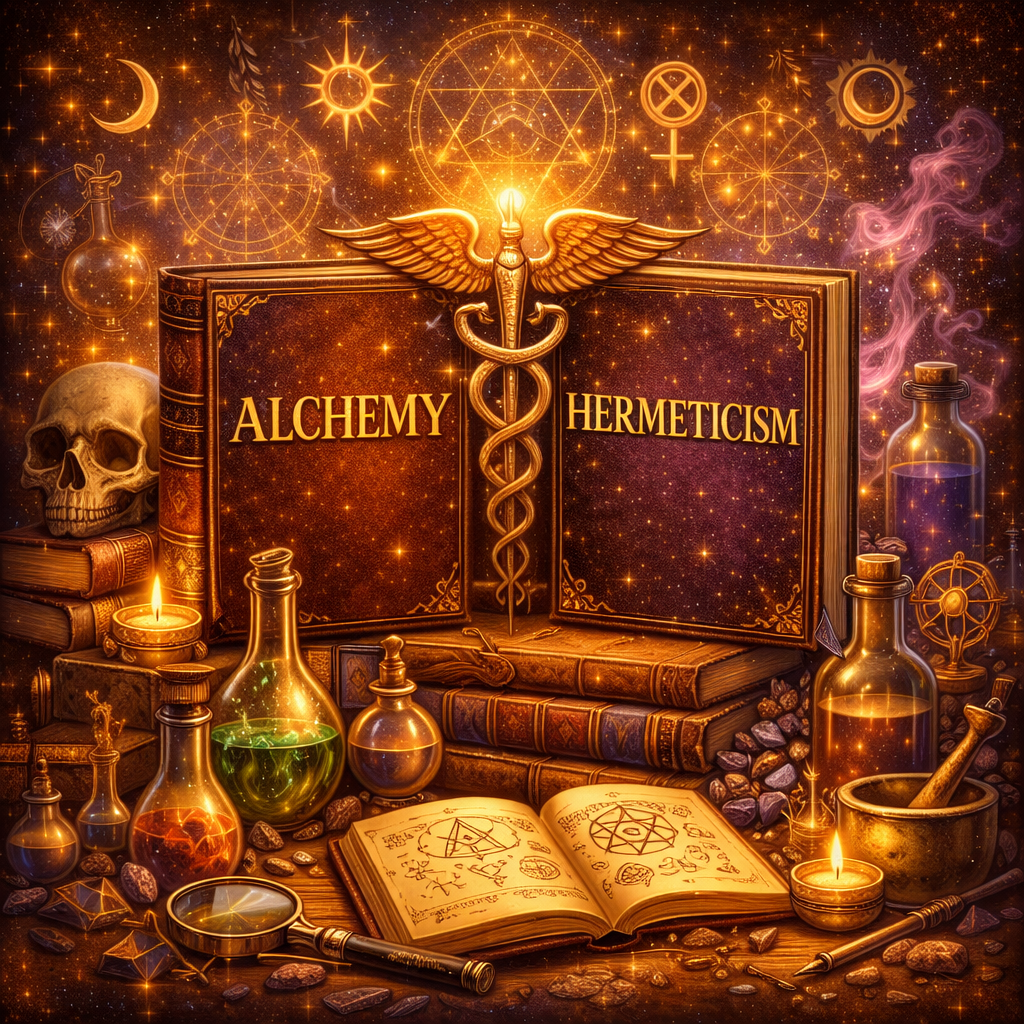

Review by Cassian Rothmann (Senior Critic, Ancient Wisdom) — The 'Oxford Handbook of American and British Women Philosophers in the Nineteenth Century' by Lydia Moland is a masterful exploration of the esoteric and mystical dimensions of philosophical thought. Moland's work is a treasure trove of hidden knowledge, meticulously researched and presented with a depth of insight that is both illuminating and inspiring. The book's strengths lie in its ability to uncover the symbolism and occult wisdom embedded within the works of these remarkable women philosophers. This handbook is an essential read for anyone seeking to understand the mystical undercurrents of American and British philosophy. Its esoteric insights and scholarly rigor make it a must-have for both scholars and practitioners of the occult arts.
📝 Description
61
Lydia Moland's 2023 handbook recovers American and British women philosophers of the 19th century.
This handbook examines the philosophical work of American and British women active in the 19th century. It focuses on thinkers whose ideas touched on esoteric, mystical, or occult subjects, often diverging from mainstream philosophical discourse of their time. The collection highlights how these women engaged with symbolism, universal mysteries, and hidden knowledge within their writings. It reveals their attempts to interpret the universe through their unique philosophical frameworks.
The work aims to bring attention to these often overlooked figures and their contributions. It presents their ideas as a distinct current within 19th-century thought, particularly concerning spiritual and hidden dimensions of reality. The handbook serves as a guide to understanding the philosophical underpinnings of their approaches, making their complex systems accessible to a wider audience interested in the intersection of philosophy and esoteric traditions.
This handbook situates 19th-century women's philosophical inquiries within broader esoteric traditions. It recognizes a lineage of thinkers who sought knowledge beyond empirical or rationalist confines, often drawing on Hermeticism, Neoplatonism, or spiritualism. The featured philosophers explored concepts of universal interconnectedness, hidden correspondences, and the spiritual nature of reality, aligning with currents of thought that valued intuition and direct experience alongside reason. Their work provides a bridge between academic philosophy and practices concerned with inner transformation and cosmic understanding, demonstrating that esoteric concerns were not marginal but integral to certain philosophical developments of the era.
💡 Why Read This Book?
Read this book to uncover the forgotten voices of women philosophers who dared to explore the mystical and esoteric dimensions of knowledge. Ideal for seekers of hidden wisdom, scholars of philosophy, and practitioners of the occult, this handbook offers a rich tapestry of symbolism and philosophical depth. Discover the profound influence these thinkers had on the development of esoteric thought and gain a new perspective on the mysteries of the universe.
⭐ Reader Reviews
Honest opinions from readers who have explored this book.
❓ Frequently Asked Questions
What is the main focus of this handbook?
The main focus is the esoteric and mystical contributions of American and British women philosophers in the nineteenth century.
Who is the intended audience for this book?
The intended audience includes seekers of esoteric knowledge, scholars of philosophy, and practitioners of the mystical arts.
How does this book contribute to the field of philosophy?
It uncovers forgotten voices and ideas, offering a new lens through which to view the mystical and hermetic dimensions of philosophical thought.
What kind of symbolism can be found in this handbook?
The book is rich in symbolism related to occult wisdom and esoteric knowledge, revealing the hidden truths embedded within philosophical discourse.
Why is this handbook important for modern practitioners?
It provides a deeper understanding of the mystical undercurrents of philosophical thought, which can be applied to modern esoteric practices.
🔮 Key Themes & Symbolism
Hidden Knowledge
The handbook explores the hidden knowledge and esoteric wisdom that women philosophers of the nineteenth century sought to uncover. Through their works, readers can gain insight into the mystical dimensions of philosophical thought and the symbols that represent these deeper truths.
Symbolism and Occult Wisdom
Symbolism plays a central role in this collection, as Moland explores the occult wisdom embedded within the philosophical discourse of these women thinkers. The book reveals the body of symbols that represent the hidden mysteries of the universe.
Esoteric Traditions
The handbook examines the esoteric traditions that influenced these women philosophers, providing a deeper understanding of the mystical undercurrents of their works. From Hermeticism to Gnosticism, readers will discover the various esoteric traditions that shaped their philosophical insights.
💡 Key Ideas
Editorial paraphrase of the work's core concepts — not direct quotes.
The mysteries of the universe are revealed to those who seek them with an open heart and mind.
This quote emphasizes the importance of an open and receptive mindset in uncovering hidden truths.
Symbolism is the language of the soul, speaking in whispers that only the attuned can hear.
This line highlights the significance of symbolism in communicating esoteric wisdom.
The philosopher's journey is one of self-discovery and enlightenment, guided by the light of hidden knowledge.
This passage underscores the transformative power of philosophical inquiry and the pursuit of esoteric truths.
The occult wisdom of the ages is not lost, but hidden, waiting to be rediscovered by those who dare to seek it.
This quote emphasizes the enduring nature of occult wisdom and the importance of seeking it out.
In the labyrinth of the mind, the seeker finds the path to enlightenment, illuminated by the symbols of the universe.
This line underscores the journey of self-discovery and the role of symbolism in guiding the seeker to enlightenment.
🌙 Esoteric Significance
Tradition
This book belongs to the Hermetic and Gnostic traditions, which emphasize the pursuit of hidden knowledge and the decoding of esoteric symbols. These traditions have long been associated with the exploration of the mystical and the occult, seeking to uncover the deeper truths that lie beneath the surface of reality.
Symbolism
Key symbols in this handbook include those representing the hidden mysteries of the universe, such as the labyrinth, the philosopher's stone, and the tree of life. These symbols are used to convey the esoteric wisdom and occult knowledge that these women philosophers sought to uncover.
Modern Relevance
Today, where the pursuit of knowledge and the exploration of the mystical are more relevant than ever, this handbook offers valuable insights for modern practitioners. Its esoteric insights and scholarly rigor make it an essential read for those seeking to understand the deeper dimensions of philosophical thought and the occult traditions that shape our understanding of the universe.
👥 Who Should Read This Book
Beginners in the esoteric arts will find this handbook to be an excellent introduction to the mystical dimensions of philosophical thought. Scholars of philosophy will appreciate the depth of research and insight into the works of these women philosophers. Spiritual seekers will be inspired by the pursuit of hidden knowledge and the symbols that represent these deeper truths. Practitioners of the occult will find valuable insights and esoteric wisdom that can be applied to their own practices.
📜 Historical Context
The nineteenth century was a time of great intellectual ferment, with philosophers and thinkers exploring the depths of human knowledge and the mysteries of the universe. Women philosophers, often overlooked in conventional histories, made significant contributions to this intellectual landscape. Their works, rich in symbolism and esoteric wisdom, sought to decode the hidden truths of existence. The 'Oxford Handbook of American and British Women Philosophers in the Nineteenth Century' by Lydia Moland shines a light on these forgotten voices, revealing their profound influence on the development of philosophical thought and the esoteric traditions that shaped their ideas.
📔 Journal Prompts
Reflect on the hidden knowledge that appeals to you the most from this handbook.
How does the symbolism in this book enhance your understanding of the mystical dimensions of philosophy?
Consider the esoteric traditions that have influenced your own spiritual journey.
What insights from this handbook can you apply to your own practices of the occult arts?
How does the pursuit of hidden knowledge enrich your understanding of the universe?
🗂️ Glossary
Hermeticism
An esoteric tradition that seeks to uncover hidden knowledge and the mysteries of the universe through symbolism and philosophical inquiry.
Gnosticism
A mystical tradition that emphasizes the pursuit of esoteric wisdom and the decoding of occult symbols to uncover the deeper truths of existence.
Occult Wisdom
Knowledge that is hidden or secret, often associated with the exploration of the mystical and the esoteric dimensions of reality.
Esoteric Symbols
Symbols that represent hidden truths and mystical insights, used to convey esoteric wisdom and occult knowledge.
Mystical Dimensions
The deeper, often hidden aspects of reality that are explored through mystical and esoteric practices and philosophies.
This book appears in 3 collections
🔮 Readers Also Liked
Browse all →








From the “Hermeticism” Collection
View all →








More Free Alchemy & Hermeticism Books
View all →