On Writing

 82
82

On Writing
Stephen King’s "On Writing" functions less as a mystical incantation for literary success and more as a pragmatic blueprint, albeit one stained with the author’s signature candor. King doesn't shy away from the grit, dedicating a significant portion to his early life, including his well-documented struggles with alcoholism, which he explicitly links to his creative output during the 1980s. This unflinching honesty is a strength, humanizing the often-mythologized author. However, the book’s autobiographical segments, while illuminating, occasionally overshadow the writing advice. The section detailing his recovery and return to disciplined writing post-1980s is particularly potent, demonstrating the direct connection between personal well-being and artistic integrity. The core advice, centered on a robust "toolbox" of vocabulary and grammar, feels almost old-fashioned in its directness, a welcome counterpoint to more theoretical approaches. Ultimately, "On Writing" offers a grounded, no-nonsense guide to the writer’s life, valuing sweat over serendipity.
📝 Description
82
Stephen King published "On Writing" in 2000, blending memoir with practical advice for writers.
Stephen King's "On Writing" is not a typical instruction manual. It combines personal autobiography with concrete advice on the craft of writing. King recounts his early life, his struggles with addiction, and the experiences that shaped him as a storyteller. He details his writing process, emphasizing the importance of consistent work and a dedicated approach.
The book is aimed at anyone serious about writing, from beginners to experienced authors. King's insights also appeal to his fans, offering a glimpse into the life of the author. The work discusses creative process and perseverance, ideas that can apply beyond the writing profession. It emphasizes that writing is a craft that requires practice and the development of a personal "toolbox."
While categorized as esoteric, "On Writing" grounds itself in the practical realities of the writing profession. It examines the writer's internal world and the discipline required to produce work, suggesting a personal, almost ritualistic, commitment to the craft. King's focus on developing a writer's 'toolbox' and the consistent, often solitary, practice of writing can be seen as a secular approach to mastery, akin to the dedication found in various esoteric traditions that emphasize focused practice and personal development to achieve a specific skill or understanding.
💡 Why Read This Book?
• Gain a concrete understanding of the writer's "toolbox," focusing on essential vocabulary and grammar as King outlines in his practical advice, which can be directly applied to sentence construction. • Grasp the profound connection between personal discipline and creative output, as illustrated by King’s own experiences with addiction and recovery, a vital lesson for sustained artistic effort. • Learn the importance of extensive reading as a foundational practice, a concept King emphasizes as crucial for absorbing narrative techniques and developing one's own voice, as discussed throughout the book.
⭐ Reader Reviews
Honest opinions from readers who have explored this book.
❓ Frequently Asked Questions
What is Stephen King's "On Writing" about?
It's a dual memoir and guide where Stephen King shares his life experiences and offers practical advice on the craft of writing, emphasizing discipline, reading, and a strong vocabulary.
When was Stephen King's "On Writing" first published?
Stephen King's "On Writing" was first published in 2017.
Is "On Writing" a novel by Stephen King?
No, "On Writing" is non-fiction. It is a memoir and a guide to the writing process, not a fictional story.
What are the main themes in "On Writing"?
Key themes include the importance of reading, building a writer's 'toolbox,' the necessity of discipline and hard work, and the connection between personal life and creative output.
Who is "On Writing" intended for?
The book is aimed at aspiring writers, established authors looking to refine their craft, and fans of Stephen King interested in his personal journey and creative process.
Does "On Writing" offer magical secrets to becoming a writer?
No, King presents writing as a craft requiring diligent practice, a strong vocabulary, and consistent effort, rather than relying on esoteric or magical shortcuts.
🔮 Key Themes & Symbolism
The Writer's Toolbox
King meticulously details the fundamental instruments every writer requires: vocabulary, grammar, and sentence structure. He likens these to a craftsman's tools, essential for building narratives. This isn't about abstract inspiration but the concrete mechanics of language. He argues for clarity and precision, advocating for the active voice and the judicious use of adverbs, presenting a pragmatic approach to sentence construction that writers can directly implement in their work.
Discipline and Resilience
A significant portion of the book addresses King's personal battles, particularly his struggles with addiction in the 1980s. He unflinchingly connects his substance abuse to periods of creative decline and subsequent recovery to a renewed commitment to his craft. This theme underscores the idea that writing is not merely a gift but a discipline demanding rigorous self-control and perseverance, especially when facing personal adversities.
The Essential Role of Reading
King posits that reading is as crucial as writing itself for developing as an author. He advocates for voracious and critical consumption of literature across genres, viewing it as a primary method for absorbing narrative techniques, understanding pacing, and expanding one's linguistic repertoire. This practice, he suggests, is the bedrock upon which a writer's own voice and skill are built, providing a constant source of learning and inspiration.
Honesty with the Reader
The book stresses the ethical dimension of writing, emphasizing the writer's responsibility to be truthful with their audience, even within fictional narratives. King argues for authenticity in storytelling, advising writers to avoid deception and to present their work with clarity and integrity. This principle extends to the personal narrative as well, where King's own candidness serves as an example of confronting difficult truths.
💬 Memorable Quotes
Direct passages from the work, attributed to the author.
“The scariest moments are the ones that help you realize how much you have to lose.”
— This sentiment highlights King's understanding of fear not as an abstract concept, but as a visceral response tied to the value we place on what we possess, a core element in his narrative construction.
“If you want to be a writer, you must do two things above all others: read a lot and write a lot.”
— This direct assertion underscores King's fundamental belief that the craft of writing is built upon consistent practice and immersion in the literary world through extensive reading.
“Description begins in the writer's imagination, but should finish in the reader's.”
— This concept speaks to the evocative power of language, suggesting that effective description in writing aims to create a vivid sensory experience for the reader, making the imagined world tangible.
💡 Key Ideas
Editorial paraphrase of the work's core concepts — not direct quotes.
Writing is not about making a good impression; it's about telling the truth.
This quote captures King's emphasis on authenticity and integrity in the writing process, prioritizing genuine expression over superficial stylistic flourishes or audience pleasing.
The path to success is paved with the stones of hard work and dedication.
This paraphrase captures King's pragmatic view of achievement in writing, framing it not as a matter of luck or innate talent alone, but as the direct result of sustained effort and commitment.
🌙 Esoteric Significance
Tradition
While not explicitly tied to a specific esoteric lineage like Hermeticism or Gnosticism, "On Writing" functions as a secularized grimoire for the craft of creation. Its "spells" are composed of diligent practice, linguistic precision, and unwavering self-discipline. It offers a modern, accessible path for those seeking mastery over narrative, akin to how ancient texts guided practitioners in their respective arts, focusing on the transformative power of disciplined application.
Symbolism
The "toolbox" serves as a central symbol, representing the writer's essential skills and knowledge, much like a sorcerer's collection of implements. The "dictionary" and "grammar book" are sacred texts within this context, containing the fundamental runes and incantations. The act of "writing" itself symbolizes the act of manifestation, bringing formless ideas into tangible existence through the structured application of language.
Modern Relevance
In an era saturated with ephemeral digital content, King's emphasis on durable craft and personal discipline resonates strongly. Contemporary writers and content creators, regardless of their chosen medium, can draw parallels to his advice on building a strong foundation in language and maintaining consistent output. Thinkers exploring the "creator economy" and the psychology of sustained effort often reference King’s work ethic as a case study in disciplined innovation.
👥 Who Should Read This Book
['• Aspiring novelists and short story writers seeking foundational advice on developing plot, character, and prose from a master of the craft.', "• Established authors looking for a pragmatic refresher on essential writing techniques and a candid perspective on the writer's life.", '• Fans of Stephen King curious about the personal journey and the disciplined habits that underpin his prolific career.']
📜 Historical Context
Published in 2017, Stephen King's "On Writing" arrived decades into a career that began with the 1974 publication of "Carrie." The contemporary literary scene in 2017 was marked by the pervasive influence of digital platforms and a burgeoning self-publishing industry, a stark contrast to the publishing environment of King's early career. While many authors adapted to these shifts with new forms of engagement, King's book grounds itself in the enduring, almost artisanal, principles of craft. His work gained significant traction against a backdrop of literary discourse often dominated by postmodern experimentation and theoretical critiques. Unlike contemporaries who might have focused on digital narrative strategies, King's approach harks back to a more traditional emphasis on prose, voice, and storytelling mechanics. The book’s reception was largely positive, celebrated for its candor and practical advice, reinforcing King's status as a dominant, if not universally critically lauded, voice in American letters since the late 20th century.
📔 Journal Prompts
The writer's toolbox: Identify three essential components King emphasizes.
Personal discipline and creative output: How does King connect the two?
The practice of reading: What specific role does King assign to it?
Narrative truth: Reflect on King's perspective on honesty with the reader.
The act of writing: Consider King's metaphor for bringing ideas into existence.
🗂️ Glossary
Writer's Toolbox
A concept central to King's advice, referring to the essential elements of writing craft, including vocabulary, grammar, sentence structure, and narrative techniques, which writers must master and utilize.
Adverbs
Words that modify verbs, adjectives, or other adverbs. King advises caution in their use, suggesting writers rely more on strong verbs and precise nouns to convey meaning effectively.
Passive Voice
A grammatical construction where the subject of a sentence receives the action, rather than performing it. King advocates for the active voice for its directness and energy.
Show, Don't Tell
A fundamental writing principle advising writers to illustrate a story's events, character emotions, and settings through actions, dialogue, and sensory details rather than explicit exposition.
Drafting
The initial stage of writing, where the focus is on getting ideas down without immediate concern for perfection. King emphasizes completing a first draft as a crucial step.
Revision
The process of reviewing and editing a manuscript to improve clarity, coherence, and style. King views revision as an integral and often lengthy part of writing.
Voice
The unique personality and style of a writer or character, conveyed through word choice, sentence structure, and tone. Developing a distinct voice is a key aspect of craft.
🔮 Readers Also Liked
Browse all →








More by Stephen King
All books →
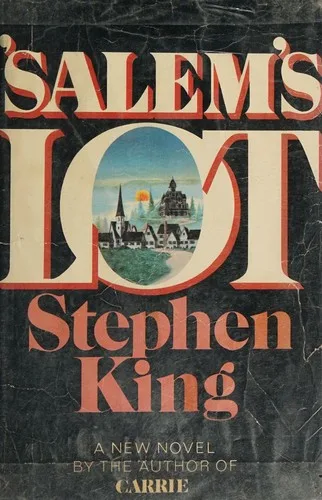
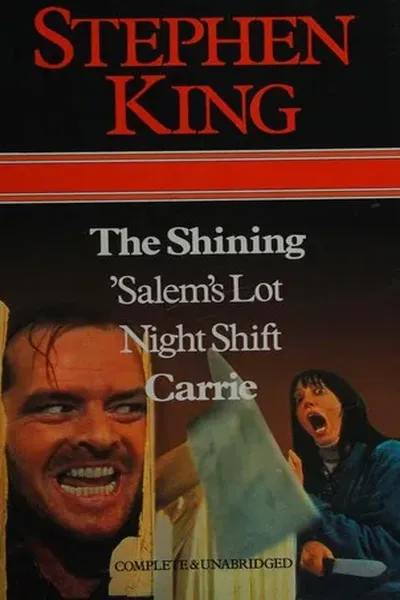

More Free Occult Philosophy Books
View all →