Nostradamus
 81
81

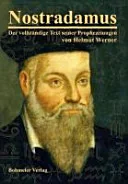
Nostradamus
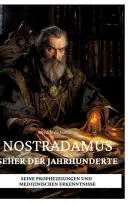
Helmut Werner's "Nostradamus" endeavors to demystify the famed seer, a task that is both ambitious and necessary given the centuries of mythologizing. The book's strength lies in its scholarly discipline, meticulously dissecting the quatrains and anchoring them to the 16th-century context of Michel de Nostredame. Werner is particularly adept at tracing the lineage of prophetic literature, showing how Nostradamus built upon, rather than conjured ex nihilo, the tradition of cryptic verse. A notable section examines the linguistic challenges of translation and interpretation, highlighting how wordplay and historical distance can obscure meaning. However, the work occasionally feels overly cautious, perhaps to a fault, when discussing events that appear uncannily prescient, sometimes resorting to explanations that feel less compelling than the phenomena themselves. Despite this measured approach, Werner provides a vital counterpoint to the more fanciful accounts, offering a grounded perspective for serious students of the subject. It serves as a solid, if reserved, corrective to popular myth.
📝 Description
81
Helmut Werner's 2007 "Nostradamus" examines the 16th-century astrologer's prophecies with scholarly rigor.
Helmut Werner's "Nostradamus" offers a scholarly examination of Michel de Nostredame, the 16th-century French astrologer and physician. The book moves past sensationalist readings to analyze the historical context of his "quatrains." Werner scrutinizes their intended meanings and how societal factors shaped their reception. The analysis covers the prophecies' structure and language, distinguishing between traceable facts and later additions.
Werner situates Nostradamus within the 16th century's intellectual climate, where astrology was linked to medicine and governance. The work discusses the 1555 publication of "Les Prophéties," which began shaping Nostradamus's enduring fame. It considers how these prophecies aligned with contemporary political events and anxieties, such as religious wars and dynastic disputes, to understand their initial impact and later reinterpretations. The book focuses on the interpretation of the quatrains, the historical evidence surrounding their composition, and the influence of Renaissance thought on their creation and understanding.
This book engages with the tradition of prophetic literature that flourished in Europe, particularly during the Renaissance. It examines Nostradamus not merely as a historical figure but as a practitioner within a milieu where astrology and divination were considered serious intellectual pursuits, often intertwined with statecraft and medicine. Werner situates "Les Prophéties" within this framework, analyzing how the astrological and occult beliefs of the 16th century informed Nostradamus's work and its subsequent interpretations by those interested in esoteric traditions.
💡 Why Read This Book?
• Understand the historical and linguistic framework behind Nostradamus's "Les Prophéties" (published 1555), moving beyond speculative interpretations to a grounded analysis of the quatrains' original context. • Explore the intellectual currents of 16th-century France, including the integration of astrology with medicine and statecraft, to grasp why such prophetic works gained traction then. • Learn to critically assess prophetic claims by examining the methods of textual interpretation and historical verification used by Helmut Werner, fostering a more discerning approach to esoteric literature.
⭐ Reader Reviews
Honest opinions from readers who have explored this book.
❓ Frequently Asked Questions
When was Nostradamus's "Les Prophéties" first published?
The foundational collection of Nostradamus's prophecies, "Les Prophéties," was first published in 1555. Helmut Werner's book analyzes this seminal work and its subsequent editions, contextualizing its impact within the 16th century.
What is the historical background of Nostradamus's writings?
Nostradamus was a physician and astrologer living in 16th-century France. His writings emerged during a period of significant religious and political upheaval, and his prophecies are seen by scholars like Werner as reflecting the anxieties and beliefs of that era.
How does Helmut Werner's "Nostradamus" differ from other books on the subject?
Werner's book distinguishes itself through a scholarly, critical approach. It focuses on textual analysis and historical context, aiming to demystify the prophecies rather than simply amplifying sensationalist claims often found in other popular works.
What specific concepts does the book explore regarding Nostradamus's prophecies?
The book delves into linguistic interpretation of the quatrains, the influence of earlier prophetic traditions, and the challenges of verifying predictions against historical events. It examines how the prophecies were understood in the 16th century.
Is Nostradamus's work considered part of any specific esoteric tradition?
While Nostradamus drew on astrological and Neoplatonic ideas prevalent in the Renaissance, his work is often considered unique. Werner's analysis situates him within the broader context of Western esoteric traditions without strictly adhering to a single lineage.
What was the reception of Nostradamus's prophecies in the 16th century?
Upon publication in 1555, Nostradamus's prophecies garnered significant attention, leading to both admiration and suspicion. He was consulted by nobility, including Catherine de' Medici, but also faced accusations of heresy and charlatanism.
🔮 Key Themes & Symbolism
The Quatrains as Historical Artifacts
Werner's work treats Nostradamus's quatrains not as infallible predictions, but as complex literary and historical documents. The book scrutinizes their composition around 1555, exploring the linguistic ambiguities and historical allusions that make direct interpretation challenging. It emphasizes understanding the verses within the sociopolitical and religious climate of 16th-century France, suggesting that many perceived prophecies are correlations identified through later historical events rather than explicit foreknowledge.
Astrology and Medicine in the Renaissance
The book situates Nostradamus within the Renaissance intellectual landscape where astrology was closely intertwined with medicine and natural philosophy. Werner examines the physician's background and how his astrological studies informed his worldview. This context is crucial for understanding the 'pagan astrology' mentioned, which likely blended classical traditions with contemporary medical theories and a belief in celestial influence on human affairs.
The Legacy of Prophetic Literature
Helmut Werner traces the lineage of prophetic writing that Nostradamus engaged with, referencing earlier traditions like Sibylline Books. This theme highlights how Nostradamus built upon existing literary forms of prophecy. The analysis explores how his work, published in successive editions, contributed to and transformed the genre, influencing subsequent generations of interpreters and mystics who sought to find meaning in his cryptic verses.
Interpretation vs. Prediction
A central theme is the distinction between the intended meaning of the quatrains and their later interpretations. Werner addresses how centuries of commentary have often retroactively applied Nostradamus's verses to specific events, a process he terms 'post-hoc interpretation.' The book encourages a critical approach, urging readers to consider the original intent and linguistic possibilities before accepting later, often sensational, applications of the prophecies.
💬 Memorable Quotes
Direct passages from the work, attributed to the author.
“The quatrains, composed in the mid-16th century, are rich with linguistic puzzles.”
— This highlights the core challenge Werner addresses: the inherent difficulty in translating and understanding Nostradamus's verses due to wordplay, archaic language, and cultural context.
“Nostradamus's practice as a physician informed his astrological outlook.”
— This points to the integration of medical knowledge and celestial observation in the Renaissance, suggesting that his prophecies were viewed through the lens of a learned healer grappling with fate and disease.
“Later centuries have often projected historical events onto the quatrains.”
— This interpretation emphasizes the tendency for readers to find specific correlations with past or future events, a process of retroactive interpretation that Werner seeks to critically examine.
“The influence of earlier Sibylline traditions is discernible.”
— This suggests that Nostradamus was not an isolated phenomenon but part of a long tradition of Western prophetic literature, drawing upon and adapting existing literary and spiritual frameworks.
“Contextualizing the prophecies within 16th-century France is paramount.”
— This underscores Werner's methodological approach: that the true meaning and impact of Nostradamus's work can only be understood by examining the specific historical, religious, and political circumstances of its creation.
🌙 Esoteric Significance
Tradition
Werner's analysis places Nostradamus within the broad currents of Western esoteric thought, particularly Renaissance Hermeticism and astrological traditions. While not strictly adhering to a singular lineage, the work reflects the era's Neoplatonic leanings and the belief in correspondences between the celestial and terrestrial realms. Nostradamus's method, blending medical observation with astrological interpretation, aligns with the integrated approach to knowledge characteristic of many Renaissance esoteric scholars, diverging from later, more specialized occult systems.
Symbolism
Key symbols in Nostradamus's quatrains often draw from astrological imagery (planets, constellations) and classical mythology, reflecting the era's intellectual environment. For instance, celestial bodies are frequently invoked to signify major events or rulers. The work also touches upon alchemical motifs, though less explicitly than in some other esoteric texts, suggesting a process of transformation or purification, both personal and societal, mirroring the 'Great Work' found in Hermetic traditions.
Modern Relevance
Contemporary interest in Nostradamus, as explored by Werner, continues to draw from his work. Thinkers and practitioners in fields ranging from speculative history to modern occultism still reference his quatrains. While academic analysis focuses on historical context, popular fascination persists, with groups today attempting to correlate his verses with global events, demonstrating an enduring human impulse to seek patterns and meaning in the face of uncertainty, often within a framework influenced by the original interpretations of his text.
👥 Who Should Read This Book
• Students of Renaissance history and culture seeking to understand the intellectual landscape that produced prophetic literature like "Les Prophéties." • Comparative religion and esoteric studies scholars interested in the evolution of Western prophecy and astrological practices from the 16th century onwards. • Critical readers of occult texts who wish to develop a more grounded, analytical approach to interpreting historical prophecies and discerning historical fact from later embellishment.
📜 Historical Context
Helmut Werner's "Nostradamus" is situated within the intellectual ferment of the 16th century, a period characterized by religious upheaval and a burgeoning interest in astrology as a legitimate field of inquiry. Published in 1555, "Les Prophéties" emerged during the height of the Renaissance, a time when figures like Paracelsus were revolutionizing medicine and natural philosophy. Werner places Nostradamus within this milieu, exploring how his work engaged with prevailing beliefs about celestial influence and fate. This era also saw the circulation of earlier prophetic texts, such as the Sibylline Books, which provided a literary precedent for such cryptic pronouncements. The reception of Nostradamus's prophecies was immediate, earning him both patronage and suspicion. Unlike the more overtly theological prophecies of figures like Joachim of Fiore, Nostradamus's work, with its blend of astrological lore and cryptic verse, offered a unique, albeit ambiguous, vision that resonated with anxieties about political instability and divine will, setting it apart from purely religious or political commentaries of the time.
📔 Journal Prompts
Michel de Nostredame's physician background and its influence on his prophetic visions.
The linguistic challenges in interpreting the quatrains published in 1555.
Comparing the Sibylline Books tradition with Nostradamus's method of prophecy.
The socio-political anxieties in 16th-century France reflected in the prophecies.
Evaluating the 'post-hoc interpretation' of Nostradamus's verses.
🗂️ Glossary
Quatrain
A verse form consisting of four lines, which is the primary structure used by Nostradamus in "Les Prophéties."
Les Prophéties
The collection of quatrains published by Nostradamus, first appearing in 1555, that forms the basis of his fame as a prophet.
Pagan Astrology
A term Werner uses to describe the blend of classical astrological traditions with contemporary beliefs, distinct from purely Christian astrological interpretations of the era.
Sibylline Books
Ancient collections of prophecies attributed to the Sibyls, which served as a literary precedent for later prophetic writings in the Western tradition.
Renaissance Hermeticism
A philosophical and religious tradition based on the writings attributed to Hermes Trismegistus, influential in the Renaissance with its focus on divine knowledge, astrology, and alchemy.
Post-hoc Interpretation
The practice of applying historical events to prophetic texts after the events have occurred, seeking to find correlations that may not have been intended by the original author.
Michel de Nostredame
The 16th-century French astrologer, physician, and reputed seer, author of "Les Prophéties."
This book appears in 1 collection
🔮 Readers Also Liked
Browse all →









From the “Nostradamus” Collection
View all →



More Free Occult Philosophy Books
View all →