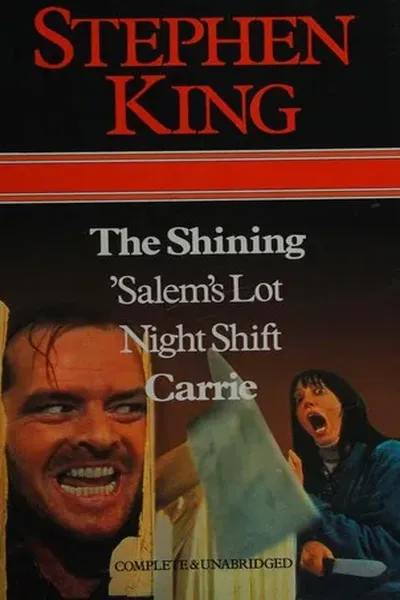
Night Shift
 76
76

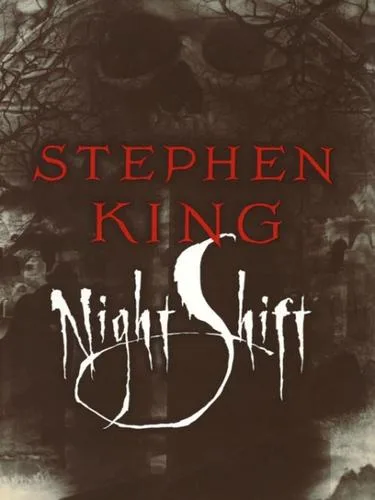
Night Shift
King’s early "Night Shift" collection offers a potent, if occasionally uneven, glimpse into the formative stages of a horror master. The strength lies in its raw, unvarnished terror, particularly in stories like "Graveyard Shift," which excels at building a palpable sense of claustrophobic dread. The creatures lurking in the mill's basement are rendered with a visceral, unsettling quality. However, some narratives feel less developed, relying more on shock value than sustained psychological unease. The pacing in a few pieces can be abrupt, leaving the reader wanting more exploration of the setup. Despite these minor drawbacks, the collection remains a valuable artifact, showcasing King's early talent for crafting memorable, unsettling scenarios. It’s a solid foundation for the horror icon he would become.
📝 Description
76
Stephen King's 1960 collection 'Night Shift' predates his novels, featuring sharp horror tales.
Published in 1960, 'Night Shift' collects Stephen King's early horror short stories. These narratives focus on how the everyday can quickly turn terrifying, employing a strong sense of atmosphere and psychological dread. Each story is crafted for lasting impact, leaving a mark on the reader long after finishing.
This collection is for those who enjoy concise, powerful horror. Readers interested in the development of King's writing from his formative years will find it particularly insightful. It suits individuals drawn to the uncanny, the supernatural appearing in ordinary life, and fundamental human fears. Those expecting lengthy, complex plots might appreciate the directness of these shorter works as a change of pace.
Emerging in 1960, a period rich with psychological horror, 'Night Shift' shares thematic ground with authors like Shirley Jackson and Richard Matheson. These writers often examined internal states and the fragility of normalcy. King's early stories, while distinctive, tapped into similar currents, exploring the breakdown of everyday reality and the anxieties beneath the surface of society. The collection's reception marked King as a notable new voice in the genre.
💡 Why Read This Book?
• Understand the genesis of Stephen King's narrative voice by examining the short, impactful tales like "Graveyard Shift," which predates his major novels and showcases early thematic concerns. • Experience the primal fear of the unknown through concise, unsettling scenarios that focus on the intrusion of the grotesque into everyday settings, a hallmark of his style. • Analyze the construction of atmosphere in horror through King's economical prose in "Night Shift," learning how he builds dread without relying on extensive world-building.
⭐ Reader Reviews
Honest opinions from readers who have explored this book.
❓ Frequently Asked Questions
Is "Night Shift" a collection of new Stephen King stories?
No, "Night Shift" is an early collection of short horror stories by Stephen King, first published in 1960. It contains many of his foundational works that established his reputation in the genre.
What are the main themes in "Night Shift"?
The collection frequently explores themes of the uncanny, the intrusion of the supernatural into ordinary life, psychological dread, and the subversion of innocence. Many stories focus on primal fears.
How does "Night Shift" compare to Stephen King's later novels?
While "Night Shift" showcases King's early talent for concise, impactful horror, his later novels tend to feature more complex character development and extended narratives. This collection is more focused on immediate terror and atmosphere.
Are there any specific famous stories included in "Night Shift"?
Yes, "Night Shift" includes many of King's early acclaimed short stories, such as "Graveyard Shift," "Jerusalem's Lot," and "Children of the Corn," which have become iconic in horror literature.
What is the overall tone of the stories in "Night Shift"?
The tone is predominantly dark, unsettling, and often claustrophobic. King excels at creating a sense of escalating dread and surprise, leaving readers with a lingering feeling of unease.
Is "Night Shift" suitable for new readers of Stephen King?
Absolutely. "Night Shift" serves as an excellent introduction to Stephen King's writing style and thematic preoccupations, offering a diverse range of his early horror work in a digestible format.
🔮 Key Themes & Symbolism
The Uncanny Intrusion
Many stories in "Night Shift" leverage the uncanny, transforming the familiar into the terrifying. A common trope is the sudden, inexplicable appearance of the monstrous or the bizarre within mundane settings, such as the industrial grime of a textile mill in "Graveyard Shift." This disruption of normalcy forces characters and readers alike to confront the unsettling idea that the world they know is not as stable or safe as it appears, hinting at hidden, darker realities just beneath the surface.
Psychological Decay and Guilt
Stephen King consistently probes the human psyche, and "Night Shift" is no exception. Several narratives explore the corrosive effects of guilt, paranoia, and mental deterioration. Characters often grapple with internal demons that manifest externally, sometimes through supernatural means, as if the external world is reflecting their inner torment. This theme highlights King's early interest in how psychological states can warp perception and lead to horrific outcomes, blurring the lines between internal struggle and external threat.
Subversion of Innocence
A particularly chilling aspect of "Night Shift" is its frequent subversion of childhood innocence and idyllic settings. Locations or characters typically associated with safety and purity—like small towns or children themselves—become the breeding ground for horror. This technique amplifies the terror by violating deeply ingrained notions of security, suggesting that no place is truly safe and that darkness can corrupt even the most seemingly pure elements of existence. Stories like "Children of the Corn" exemplify this disturbing motif.
Primal Fears and Survival
The collection taps into fundamental human fears: the dark, confinement, predatory creatures, and the unknown. Stories often place characters in extreme situations where their basic survival instincts are tested against overwhelming odds. The horror is visceral and immediate, focusing on the fight for life against forces that are often inexplicable or cruelly indifferent. This raw engagement with survival underscores the fragility of human existence and the terrifying potential that lies just beyond the reach of civilization.
💬 Memorable Quotes
Direct passages from the work, attributed to the author.
“The old house seemed to watch him, its windows like dead eyes.”
— This interpretation of atmospheric description in stories like "Jerusalem's Lot" illustrates the personification of inanimate objects, particularly dwellings, as imbued with a sinister consciousness. It creates a sense of pervasive dread and the feeling of being observed by something malevolent.
“He realized the real monster wasn’t in the basement; it was inside him.”
— This is a conceptual interpretation of the psychological horror present in several tales. It suggests that the most terrifying threats are often internal, stemming from guilt, madness, or a dark nature that the characters must confront.
💡 Key Ideas
Editorial paraphrase of the work's core concepts — not direct quotes.
The rats in the mill basement were bigger than dogs.
This line from "Graveyard Shift" immediately establishes the grotesque and oversized nature of the threat. It’s a stark visual that signals the story’s departure from typical pest encounters into something far more monstrous and dangerous, setting a tone of visceral horror.
He saw the faces in the corn, and they weren’t smiling.
This paraphrased concept from "Children of the Corn" captures the unsettling transformation of a seemingly benign rural setting into something sinister. The smiling corn stalks represent a corrupted innocence, now revealing a malevolent, watchful presence.
The silence was the worst part, a thick blanket that muffled all hope.
This paraphrased concept reflects the use of oppressive atmosphere and sensory deprivation to build tension. The silence becomes an active antagonist, amplifying the characters' isolation and the feeling that escape or rescue is impossible.
🌙 Esoteric Significance
Tradition
While not explicitly tied to a single esoteric lineage, "Night Shift" engages with themes common in occult and folk horror traditions. The collection's focus on malevolent entities, cursed locations (like the titular Jerusalem's Lot), and the breakdown of rational order echoes Gnostic concerns with a flawed, often hostile, material world. The pervasive sense of doom and inescapable fate in some stories aligns with fatalistic interpretations found in various esoteric systems. King's work, particularly in its early stages, often functions as a modern secularized mythology of the darker aspects of existence.
Symbolism
The recurring motif of corrupted innocence, particularly seen in "Children of the Corn," symbolizes the violation of purity and the perversion of natural cycles, a concept with parallels in certain animistic or nature-based occult beliefs where balance is crucial. Rats and other vermin in stories like "Graveyard Shift" often symbolize decay, hidden corruption, and the primal, untamed aspects of nature that threaten to overwhelm civilization. Old houses or abandoned locations frequently serve as symbols of trapped histories, lingering psychic residue, or gateways to other, more sinister realities.
Modern Relevance
Contemporary horror fiction and film continue to draw from King's "Night Shift" playbook. The emphasis on visceral scares, the uncanny valley effect, and the psychological underpinnings of fear are foundational elements in much modern genre work. Thinkers and practitioners exploring liminal spaces, folk horror revivals, and the psychological impact of trauma in narrative art often find resonance with King's early explorations. The collection's enduring appeal lies in its direct confrontation with primal fears, a timeless concern for those interested in the darker currents of human psychology and the supernatural.
👥 Who Should Read This Book
• Readers interested in the origins of Stephen King's iconic horror style, particularly those who appreciate concise, atmospheric tales that build dread effectively. • Students of American literature and popular culture who wish to analyze the evolution of the horror genre in the mid-20th century and King's impact. • Individuals seeking short, potent horror narratives that explore themes of the uncanny, psychological terror, and the subversion of the familiar.
📜 Historical Context
Published in 1960, "Night Shift" arrived during a vibrant period for American horror literature. This era saw a resurgence of interest in the genre, with authors like Shirley Jackson (whose "The Haunting of Hill House" was published in 1959) exploring psychological terror and Richard Matheson (whose "The Shrinking Man" appeared in 1956) blending science fiction with dread. Stephen King's collection, while distinct, tapped into a contemporary fascination with the uncanny and the subversion of everyday life. The collection’s success marked King as a significant new voice, distinguishing him from the more gothic traditions of earlier horror. Its reception solidified the short story format as a viable vehicle for potent scares, influencing subsequent generations of horror writers who would engage with similar themes of encroaching darkness and psychological fragility.
📔 Journal Prompts
The oppressive silence in "Night Shift" stories, consider its function.
Graveyard Shift's monstrous rats, explore their symbolic weight.
The corrupted innocence in "Children of the Corn," reflect on its impact.
The uncanny transformation of ordinary settings, analyze its effect.
The psychological decay as a source of horror, examine its portrayal.
🗂️ Glossary
The Uncanny
A psychological concept describing something that is simultaneously familiar and alien, evoking feelings of unease, dread, and strangeness. It often involves the blurring of lines between the animate and inanimate, or the rational and irrational.
Atmosphere (in Horror)
The overall mood or feeling of a piece of writing, particularly in horror, created through setting, description, tone, and pacing to evoke sensations such as fear, suspense, dread, or unease.
Grotesque
A literary or artistic style characterized by distortion, exaggeration, and the bizarre, often used in horror to create a sense of revulsion, uncanniness, or monstrousness.
Folk Horror
A subgenre of horror that often draws on rural settings, pagan rituals, isolation, and the clash between tradition and modernity, frequently featuring ancient evils or cults.
Psychological Horror
A subgenre focusing on the mental and emotional states of characters, using fear, paranoia, delusion, and internal conflict as primary sources of terror, often blurring the lines of reality.
Liminal Space
A transitional or in-between place or state, often associated with ritual or transition, which can evoke feelings of unease, anticipation, or fear due to its ambiguous nature.
Subversion of Innocence
A narrative technique where elements typically associated with purity, childhood, or safety are depicted as corrupt, dangerous, or malevolent, thereby increasing the horror.
🔮 Readers Also Liked
Browse all →









More by Stephen King
All books →

More Free Occult Philosophy Books
View all →