Mudras
 76
76

Mudras
Gertrud Hirschi’s *Mudras* offers a comprehensive, if somewhat encyclopedic, guide to these ancient hand gestures. The work’s strength lies in its sheer breadth, presenting over 100 mudras with clear diagrams and explanations of their intended effects. I found the section detailing the elemental associations of each finger particularly insightful, linking the practice to fundamental concepts of Ayurvedic and yogic philosophy. However, the book occasionally feels like a catalogue rather than a deeply interpretive text. While Hirschi explains *how* to perform mudras and *what* they are generally thought to do, the deeper 'why'—the specific energetic mechanisms or philosophical underpinnings beyond elemental theory—remains somewhat elusive. A more robust exploration of the neurological or psycho-spiritual impact, drawing on contemporary research or advanced yogic texts, would have elevated it further. Nevertheless, for its clarity and extensive collection, *Mudras* serves as a valuable, accessible reference for practitioners.
📝 Description
76
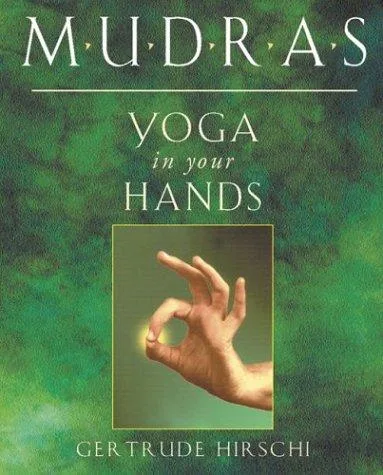
Gertrud Hirschi's 2016 book explains mudras, symbolic hand gestures used to direct energy.
Mudras are symbolic hand gestures from Eastern spiritual traditions that direct energy flow in the body and mind. Gertrud Hirschi's work, first published in 2016, meticulously catalogues and explains a vast array of these hand positions. The book details how each mudra can influence physiological states, emotional patterns, and mental clarity. Hirschi presents mudras as accessible practices for anyone seeking to enhance their well-being, regardless of prior experience in esoteric disciplines.
This book is a resource for individuals exploring self-healing, mindfulness, and energetic practices. It is suitable for yoga practitioners who want to deepen their practice with complementary hand positions, meditators seeking to stabilize their focus, and those interested in non-verbal communication of inner states. Hirschi’s approach makes complex concepts understandable, appealing to beginners and seasoned practitioners alike who wish to integrate subtle energetic work into daily life.
Mudras have a history stretching back millennia, deeply embedded in Hindu and Buddhist traditions. They appear in ancient Sanskrit texts and are integral to classical Indian dance forms, religious iconography, and yogic practices. The earliest known depictions of mudras can be traced to Gandhara art from the 1st to 2nd centuries CE. Hirschi’s book situates these gestures within this rich historical and cultural context, illustrating their evolution and enduring relevance across centuries and different spiritual lineages.
💡 Why Read This Book?
• You will learn to utilize over 100 specific hand gestures, like the *Jnana Mudra*, to influence your mental state and energy levels, drawing on techniques with roots in ancient Indian traditions. • You will gain practical methods for balancing the five elements (earth, water, fire, air, ether) within your body through precise finger placements, as detailed in Hirschi’s elemental association tables. • You will discover how to integrate these ancient energetic tools into daily life for self-regulation, finding specific mudras for common issues like stress or fatigue, as presented in the book's application sections.
⭐ Reader Reviews
Honest opinions from readers who have explored this book.
❓ Frequently Asked Questions
What is the first year Gertrud Hirschi's book 'Mudras' was published?
Gertrud Hirschi's comprehensive guide to hand gestures, 'Mudras', was first published in 2016. This edition aims to make ancient practices accessible to a modern audience.
Are mudras effective for beginners?
Yes, the book is designed to be accessible for beginners. Hirschi explains the basic principles and provides clear instructions for performing various mudras, making them easy to integrate into daily practice.
What is the 'Jnana Mudra' and what is its purpose?
The 'Jnana Mudra' (or 'Chin Mudra') is formed by touching the thumb and index finger together. It is often used in meditation to enhance wisdom, intuition, and concentration, promoting a sense of inner knowing.
How do mudras relate to the five elements?
The book explains that each finger is associated with one of the five elements: thumb (ether), index finger (air), middle finger (fire), ring finger (water), and little finger (earth). Mudras can be used to balance these elements.
Can mudras be used alongside other practices like yoga or meditation?
Absolutely. The book highlights how mudras can deepen meditation, enhance yoga postures (asanas), and complement breathing exercises (pranayama), serving as a powerful energetic support.
What kind of effects can one expect from practicing mudras?
Practitioners often report effects such as increased concentration, reduced stress, improved emotional balance, enhanced vitality, and a greater sense of inner peace. The book details specific benefits for each mudra.
🔮 Key Themes & Symbolism
Energetic Hand Gestures
The core of the book explores mudras as specific configurations of the hands and fingers that influence the flow of prana (life force energy) within the body. Hirschi details how these gestures act as energetic circuits, directing intention and vital force to specific areas or functions. The practice is presented not as mere symbolism but as a tangible method for affecting one's physical, mental, and emotional states, drawing from centuries of yogic and Buddhist tradition. The book provides practical instructions for over 100 distinct mudras, each with its own unique energetic signature and application.
Elemental Balance
A significant theme is the correlation of mudras with the five classical elements: ether, air, fire, water, and earth. Hirschi explains how each finger and the thumb represent one of these elements. By performing specific mudras, practitioners can consciously influence the balance of these elements within their constitution, known as doshas in Ayurvedic tradition. This elemental approach offers a framework for understanding how mudras can address imbalances, promoting physical health and emotional equilibrium by harmonizing the body's fundamental energetic components.
Mind-Body Connection
The work emphasizes the profound connection between physical gestures and mental states. Mudras are presented as tools to bridge the gap between the body and mind, allowing individuals to consciously cultivate desired psychological qualities such as calm, focus, courage, or joy. Hirschi illustrates how simple hand positions can trigger specific neurological and physiological responses, offering a non-pharmacological approach to managing stress, enhancing cognitive function, and fostering emotional resilience. This theme highlights the body's innate capacity for self-regulation through intentional physical expression.
Practical Application
Beyond theoretical explanation, 'Mudras' focuses heavily on the practical application of these techniques in everyday life. Hirschi provides clear, actionable guidance for using mudras during meditation, yoga, or even as standalone practices throughout the day. The book offers specific mudras for common concerns like fatigue, anxiety, or lack of confidence, making the esoteric accessible and immediately useful. This emphasis on practical integration empowers readers to actively participate in their own well-being, using simple yet potent gestures for tangible results.
💬 Memorable Quotes
Direct passages from the work, attributed to the author.
“Each mudra has a specific effect on the body and mind.”
— This emphasizes the efficacy and specificity of hand gestures, suggesting that different mudras can be employed to address particular physical, emotional, or mental states.
“Simple hand positions can lead to profound inner change.”
— This highlights the accessible yet powerful nature of mudras, suggesting that profound personal transformation is achievable through seemingly simple physical actions.
“The practice of mudras connects us to ancient wisdom.”
— This interpretation suggests that engaging with mudras offers a link to the spiritual and philosophical traditions of the past, tapping into a lineage of esoteric knowledge.
💡 Key Ideas
Editorial paraphrase of the work's core concepts — not direct quotes.
The fingers are like antennae that can receive and transmit energy.
This quote highlights the energetic potential of the hands, framing mudras not just as symbolic poses but as active conduits for influencing and directing vital life force (prana).
Mudras help to balance the five elements within us.
This paraphrase points to the core concept of elemental theory in mudra practice, explaining how these gestures are used to harmonize the fundamental constituents of the body and mind.
🌙 Esoteric Significance
Tradition
Mudras are a core part of esoteric practices within Indian religions, particularly Hinduism and Buddhism, and have been adopted into various yogic and tantric lineages. Their use is deeply embedded in rituals, meditation, classical dance, and iconography. Hirschi's work draws directly from this rich tradition, presenting mudras as vital energetic tools for spiritual development and well-being. While rooted in these ancient systems, the book adapts the practice for contemporary accessibility, emphasizing their application outside of strict religious or monastic contexts.
Symbolism
Central symbols in mudra practice include the fingers themselves, each representing one of the five elements (ether, air, fire, water, earth). The thumb often symbolizes consciousness or the divine spark. Specific gestures, like the *Jnana Mudra* (thumb and index finger touching), symbolize the union of the individual consciousness with the universal, or wisdom and knowledge. The *Anjali Mudra* (palms pressed together at the heart) symbolizes reverence, gratitude, and the balance of energies within.
Modern Relevance
In contemporary esoteric circles, mudras are increasingly integrated into somatic practices, energy healing modalities, and advanced yoga and meditation techniques. Thinkers and practitioners in fields like somatic psychology and embodied cognition sometimes reference the body-mind connection facilitated by such gestures. Modern yoga teachers and meditation instructors frequently incorporate mudras into their classes, drawing on resources like Hirschi's work to offer deeper layers of practice to students seeking energetic balance and enhanced mindfulness.
👥 Who Should Read This Book
• Yoga practitioners seeking to deepen their practice by integrating subtle energetic gestures with asanas and pranayama. • Meditation students looking for specific techniques to enhance focus, cultivate calm, and stabilize the mind. • Individuals interested in holistic wellness and self-healing who want practical, accessible tools for managing stress and improving emotional balance.
📜 Historical Context
The first publication of Gertrud Hirschi's *Mudras* in 2016 arrived in an era where interest in Eastern spirituality and holistic wellness practices was burgeoning globally. While mudras have been integral to Hindu and Buddhist traditions for millennia, appearing in texts and iconography dating back to the early centuries CE (e.g., Gandhara art), their popularization in the West gained momentum throughout the 20th century alongside yoga and meditation. Hirschi's work built upon this foundation, offering a more accessible and systematized guide than many earlier, more specialized texts. It emerged in a landscape populated by figures like Swami Satyananda Saraswati, whose *Mudra Vigyan* explored similar concepts, but Hirschi's approach often focused on practical, everyday application for a broader audience. The book’s reception was generally positive among wellness communities, though it entered a field already rich with diverse interpretations and practices, facing competition from both traditional yogic lineages and contemporary mindfulness movements.
📔 Journal Prompts
The elemental associations of each finger in the context of the *Vayu Mudra*.
How the *Surya Mudra* might influence your personal energy levels.
Reflecting on the symbolic meaning of the *Abhaya Mudra* in daily life.
The potential impact of practicing *Padma Mudra* before a challenging task.
Connecting the practice of *Dhyana Mudra* to your meditation experiences.
🗂️ Glossary
Mudra
A symbolic or ritual gesture, typically performed with the hands and fingers, used in Hinduism, Buddhism, and other spiritual traditions to direct energy flow and influence consciousness.
Prana
The vital life force or energy that is believed to permeate all living beings, often associated with breath and circulation, and influenced by yogic practices like mudras.
Jnana Mudra
A common mudra where the tips of the thumb and index finger touch, symbolizing wisdom, knowledge, and the union of the individual soul with the universal consciousness.
Anjali Mudra
Also known as the prayer or greeting gesture, performed by pressing the palms together in front of the chest, signifying reverence, balance, and unity.
Elemental Associations
The concept that each finger and the thumb correspond to one of the five classical elements (earth, water, fire, air, ether), allowing mudras to balance these energies within the body.
Asana
A physical posture or pose, particularly in yoga, practiced for health, flexibility, and spiritual awareness. Mudras are often integrated with asanas.
Vayu Mudra
A mudra involving bending the index finger towards the base of the thumb and pressing the thumb over it, often used to pacify excess air element and alleviate related discomforts.
🔮 Readers Also Liked
Browse all →









More by Gertrud Hirschi
All books →
More Free Occult Philosophy Books
View all →