Motivational Yoga
 83
83

Motivational Yoga
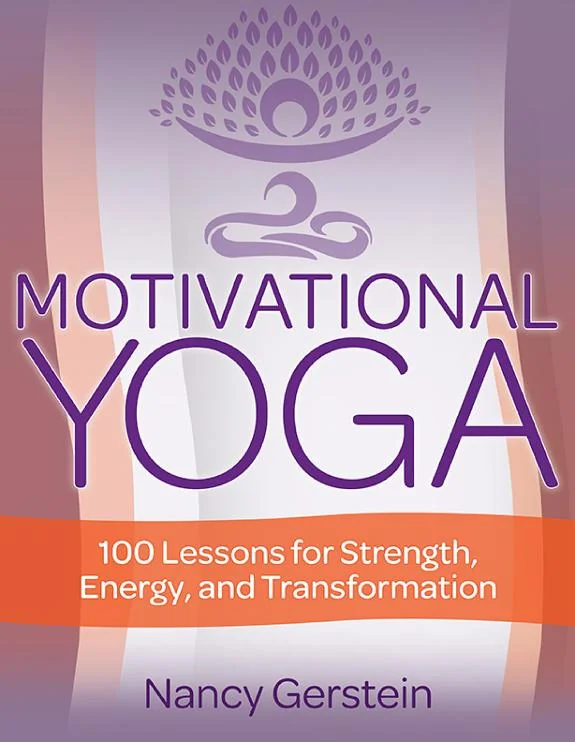
Nancy Gerstein's Motivational Yoga offers a practical, if somewhat conventional, approach to yoga instruction. The strength of this work lies in its sheer volume of ready-to-use lesson plans, a genuine time-saver for busy instructors. The 2020 publication date places it firmly within the contemporary landscape of yoga, where accessibility and practical application often take precedence over strict adherence to ancient traditions. One particularly useful section details pranayama techniques for "Energy and Clarity," linking breathwork directly to tangible states of being. However, the book occasionally leans towards platitudes rather than deep philosophical engagement, a common pitfall in the motivational genre. The constant drive for 'inspiration' sometimes overshadows the subtler, more introspective aspects of yoga. Ultimately, Motivational Yoga serves as a functional toolkit for teachers needing quick resources, though seasoned practitioners might find its depth limited.
📝 Description
83
Nancy Gerstein's 2020 book provides 100 yoga lesson plans for instructors.
Motivational Yoga, published in 2020, offers 100 distinct lesson plans for yoga instructors. Each plan provides a structured method for incorporating yoga principles and philosophies into both classroom practice and daily life. The collection features sequences of varying lengths, designed to streamline preparation for teachers. It includes asanas, meditation techniques, pranayama exercises, and motivational statements suitable for class delivery.
This resource is mainly for certified yoga teachers who want to enrich their classes with pre-made sequences and philosophical insights. Advanced practitioners seeking to understand the deeper connections between physical yoga postures and their mental and spiritual effects will also find it useful. Individuals looking for clear direction on applying yoga principles outside of a class setting will also gain value.
Published in 2020, Motivational Yoga enters a modern context where yoga has become a widespread global practice. Gerstein's work responds to the contemporary need for accessible, secularized applications of yoga, particularly for a Western audience interested in practical self-improvement. This approach contrasts with earlier eras that focused more on traditional, spiritually-oriented lineages or academic study of ancient yogic texts.
💡 Why Read This Book?
• Gain access to 100 unique lesson plans, saving hours of preparation time, as detailed in the book's structure for varied class lengths. • Learn to integrate asanas, pranayama, and meditation for specific outcomes like strength and energy, directly applicable to teaching or personal practice. • Discover motivational phrases and philosophical concepts from Gerstein's 2020 collection designed to foster transformation on and off the mat.
⭐ Reader Reviews
Honest opinions from readers who have explored this book.
❓ Frequently Asked Questions
What is the primary purpose of Nancy Gerstein's Motivational Yoga?
The primary purpose is to provide yoga instructors with 100 ready-to-use lesson plans. These plans aim to help teachers integrate yoga concepts and philosophies, including asanas, meditations, and pranayama, into their classes and students' lives.
How does Motivational Yoga help save time for instructors?
It saves time by offering pre-designed lesson plans of varying lengths. This eliminates the need for instructors to create sequences from scratch for each class, allowing them to focus on delivery and student engagement.
What types of yoga practices are included in the book?
The book includes asanas (physical postures), meditations, and pranayama (breathing exercises). It also incorporates motivational words intended for sharing during yoga sessions.
When was Motivational Yoga first published?
Motivational Yoga was first published in 2020, reflecting contemporary approaches to yoga instruction and application.
Is Motivational Yoga suitable for beginners?
While primarily aimed at instructors, the book's structured lessons and explanations of yoga concepts can benefit advanced practitioners and dedicated students seeking deeper understanding and practical application.
What is the intended outcome for students using lessons from this book?
The intended outcome is to foster strength, energy, and transformation. Students are meant to experience the integration of yoga philosophies into their physical and mental well-being, both on and off the mat.
🔮 Key Themes & Symbolism
Practical Application of Philosophy
Gerstein's work bridges the gap between abstract yoga philosophies and tangible daily practice. It moves beyond theoretical discussions to offer concrete methods for teachers to impart wisdom. The 100 lesson plans serve as vehicles for this, ensuring that concepts like the Yamas and Niyamas are not just studied but lived, through specific asana sequences, breathwork, and meditative focus points outlined in the book.
Holistic Well-being through Practice
The book presents yoga as a comprehensive system for enhancing overall well-being. It emphasizes how the physical discipline of asanas builds resilience, pranayama regulates emotional states, and meditation cultivates inner peace. This holistic approach is evident in lesson plans designed to address specific needs, such as boosting energy or fostering mental clarity, demonstrating the interconnectedness of mind, body, and spirit.
Empowering Yoga Instructors
Motivational Yoga is fundamentally a resource for educators. It aims to empower teachers by providing them with a structured curriculum that saves preparation time and enhances their ability to deliver impactful classes. The inclusion of motivational words and philosophical nuggets encourages teachers to become not just instructors, but guides who inspire personal growth and transformation in their students.
Personal Transformation
The core aim of the book is to facilitate personal transformation. Through the consistent application of yoga's tools—posture, breath, and mindfulness—as structured in Gerstein's lessons, individuals are encouraged to evolve. The book posits that this systematic practice can lead to increased strength, vitality, and a more positive outlook, ultimately enabling a profound shift in one's life experience.
💬 Memorable Quotes
Direct passages from the work, attributed to the author.
“100 ready-to-use lesson plans of varying lengths”
— This phrase highlights the book's core utility for yoga teachers. It signifies a practical, time-saving resource that provides structured content, allowing instructors to focus on teaching rather than lesson creation.
“bring yoga concepts and philosophies into practice both on and off the mat”
— This captures the book's aim to make yoga accessible and applicable beyond the physical practice space. It suggests that the lessons are designed to foster a deeper, integrated understanding and application of yogic principles in everyday life.
“asanas, meditations, pranayama practices, and words of motivation”
— This lists the key components Gerstein utilizes to achieve the book's goals. It shows a comprehensive approach, combining physical, mental, and verbal elements of yoga to inspire and guide practitioners.
“for Strength, Energy, and Transformation”
— This subtitle clearly states the intended benefits of engaging with the book's content. It promises tangible results: increased physical fortitude, enhanced vitality, and significant personal evolution.
“save prep time”
— This concise phrase speaks directly to a major pain point for yoga instructors. It emphasizes the practical, efficiency-driven nature of the resource provided by Gerstein's work.
🌙 Esoteric Significance
Tradition
While not explicitly rooted in a single esoteric lineage like Hermeticism or Theosophy, Motivational Yoga draws from the universal principles found within yogic traditions. It modernizes and secularizes these practices, making them accessible without requiring adherence to specific religious or philosophical doctrines. It functions as a bridge, taking elements often considered esoteric—like advanced pranayama or meditative states—and presenting them in a digestible format for a broad audience seeking self-improvement.
Symbolism
The book utilizes the inherent symbolism within yoga itself. Asanas, such as the Tree Pose (Vrksasana), symbolize balance and groundedness, while poses like Warrior II (Virabhadrasana II) represent strength and focus. Pranayama, particularly techniques like Nadi Shodhana (Alternate Nostril Breathing), symbolizes the harmonization of dualities within the self. Meditation's symbolism lies in its ability to quiet the 'monkey mind,' representing the path to inner stillness and clarity.
Modern Relevance
This work speaks to contemporary mindfulness movements and the burgeoning field of positive psychology. Thinkers and practitioners focused on accessible well-being strategies, stress reduction, and personal growth frameworks often utilize principles similar to those outlined by Gerstein. Its practical, lesson-plan-driven format is relevant to modern educators and therapists seeking structured methods to incorporate mind-body practices into their work.
👥 Who Should Read This Book
• Yoga instructors seeking a practical, time-saving resource for creating engaging and philosophically rich class content. • Dedicated yoga practitioners interested in deepening their understanding of how asanas, pranayama, and meditation can foster personal strength and energy. • Wellness coaches and therapists looking for structured exercises to help clients cultivate mindfulness, resilience, and a more positive mindset.
📜 Historical Context
Published in 2020, Nancy Gerstein's Motivational Yoga emerges within a global yoga landscape vastly transformed since its early 20th-century Western popularization. The early days saw figures like Indra Devi introducing classical Hatha Yoga to the West, often focusing on spiritual discipline. By the late 20th and early 21st centuries, yoga had fragmented into numerous styles, with many emphasizing fitness and stress reduction. Gerstein's work aligns with this modern, accessible trend, prioritizing practicality and readily applicable techniques over deep dives into Sanskrit texts or complex philosophical schools like Advaita Vedanta. The book's focus on 'motivation' reflects a broader cultural shift towards self-help and personal development, a stark contrast to the more ascetic or purely spiritual aims that characterized earlier waves of yoga's transmission. Its reception is likely within the vast community of contemporary yoga teachers seeking pedagogical tools, rather than academic circles studying historical yoga lineages.
📔 Journal Prompts
Reflect on the concept of 'Strength' as presented in the asana sections.
Analyze the role of 'Energy' cultivation through specific pranayama techniques.
Consider how 'Transformation' might manifest from consistent meditation practices.
Identify one motivational word from the book to carry through your day.
Explore the integration of yoga philosophy 'on and off the mat' in your personal life.
🗂️ Glossary
Asana
A physical posture or pose practiced in yoga. Gerstein uses asanas as a primary tool for building physical strength and mental focus.
Pranayama
The practice of breath control or regulation in yoga. It is presented as a method for managing energy levels and emotional states.
Meditation
A practice where an individual uses a technique – such as mindfulness or focusing the mind on a particular object, thought, or activity – to train attention and awareness, and achieve a mentally clear and emotionally calm and stable state.
Lesson Plan
A teacher's detailed description of the course of instruction or 'learning trajectory' for a lesson. Gerstein provides 100 such plans.
Yoga Concepts
The underlying principles and philosophical ideas associated with the practice of yoga, which Gerstein aims to integrate into practical application.
Yoga Philosophies
The deeper theoretical frameworks and ethical guidelines derived from yogic traditions, intended to inform practice and personal development.
Motivational Words
Inspirational statements or phrases intended to encourage and uplift practitioners during yoga sessions, as provided by Gerstein.
This book appears in 1 collection
🔮 Readers Also Liked
Browse all →








From the “Hatha Yoga” Collection
View all →








More Free Occult Philosophy Books
View all →