Mindfulness-Oriented Recovery Enhancement
 80
80

Mindfulness-Oriented Recovery Enhancement
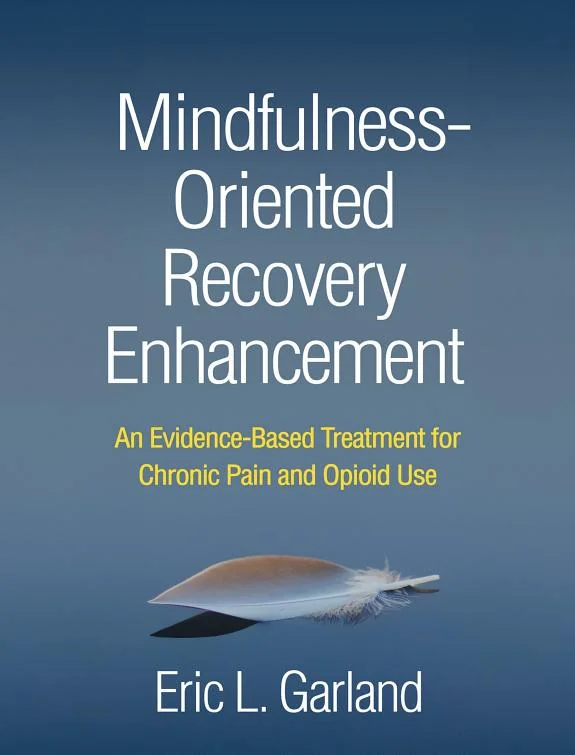
Eric L. Garland's Mindfulness-Oriented Recovery Enhancement (MORE) offers a rigorously structured and empirically grounded response to the intertwined crises of chronic pain and opioid use. The book's strength lies in its clear articulation of a multi-modal therapy that doesn't shy away from the complex interplay of physical discomfort, psychological distress, and addiction. Garland presents MORE not as a panacea, but as a practical, skill-building program. A particularly effective element is the detailed explication of how mindfulness techniques, when combined with CBT and positive psychology, can directly disrupt the negative feedback loops that perpetuate suffering. The primary limitation, however, is the dense academic tone which, while appropriate for specialists, may pose a barrier to entry for some general readers seeking immediate relief. The work's detailed presentation of the MORE protocol, including specific exercises and theoretical underpinnings, makes it a valuable clinical manual. Ultimately, Garland provides a compelling, evidence-based framework for recovery that honors the multifaceted nature of chronic pain and addiction.
📝 Description
80
Eric L. Garland published Mindfulness-Oriented Recovery Enhancement (MORE) in 2024.
Mindfulness-Oriented Recovery Enhancement (MORE) is a therapeutic approach designed for individuals managing chronic pain and opioid use disorder. Developed by Eric L. Garland, MORE integrates mindfulness training, cognitive-behavioral therapy (CBT), and positive psychology to address pain, addiction, and emotional distress simultaneously. This method aims to help individuals regain control by moving beyond symptom management toward deeper healing and resilience. The book is intended for those experiencing the combined challenges of chronic pain and opioid dependence. It also serves as a resource for clinicians and therapists looking to incorporate evidence-based mindfulness into their treatment plans. Researchers studying pain management, addiction recovery, and psychological well-being will find the detailed methodology and supporting research valuable.
The development of MORE arose from the urgent need for effective interventions during the opioid crisis, which was partly linked to the search for chronic pain relief. This approach synthesizes established psychological principles and acknowledges the psychological and emotional aspects of physical suffering and addiction, diverging from purely biomedical perspectives. It reflects a growing awareness of the interconnectedness of mind and body in recovery.
While not strictly an esoteric text in the traditional sense, MORE draws upon traditions that emphasize the mind's role in healing and well-being. Its foundation in mindfulness connects it to contemplative practices that cultivate present-moment awareness and acceptance, a practice found in various spiritual and philosophical lineages. The integration of positive psychology also aligns with approaches that focus on cultivating inner strengths and positive states, echoing themes found in wisdom traditions that highlight the power of intention and mental cultivation for transformation.
💡 Why Read This Book?
• You will learn a structured, evidence-based therapeutic approach, Mindfulness-Oriented Recovery Enhancement (MORE), that simultaneously targets opioid use, chronic pain, and emotional distress, as detailed in Garland's 2024 publication. • Gain practical skills integrating mindfulness, CBT, and positive psychology, enabling a deeper understanding of how to manage pain and addiction beyond symptom reduction. • Discover how MORE, as presented by Eric L. Garland, offers a unique pathway to resilience by addressing the psychological and emotional components of suffering, fostering sustained recovery.
⭐ Reader Reviews
Honest opinions from readers who have explored this book.
❓ Frequently Asked Questions
What is the core philosophy behind Mindfulness-Oriented Recovery Enhancement (MORE)?
MORE is built on the principle that mindfulness training, integrated with cognitive-behavioral therapy and positive psychology, can effectively reduce opioid use, chronic pain, and emotional distress simultaneously. It emphasizes developing awareness and adaptive coping skills.
Is MORE suitable for individuals with chronic pain who are not experiencing opioid addiction?
Yes, while developed partly in response to the opioid crisis, MORE's principles are designed to help anyone suffering from chronic pain and co-occurring emotional distress by teaching them to better manage their responses to pain.
What evidence supports the effectiveness of MORE?
The book presents MORE as an evidence-based treatment. Eric L. Garland's work draws on research demonstrating its capacity to reduce opioid use, pain intensity, and psychological distress, highlighting its multi-faceted efficacy.
How does MORE differ from standard mindfulness or CBT programs?
MORE distinctively synthesizes mindfulness with CBT and positive psychology, specifically tailoring these elements to address the complex triad of chronic pain, opioid use, and emotional distress. This integrated approach is its unique contribution.
Can MORE be used as a standalone treatment?
While MORE can be a powerful intervention, it is often most effective when implemented by trained professionals and may be used in conjunction with other medical or therapeutic treatments for chronic pain and addiction.
When was Mindfulness-Oriented Recovery Enhancement (MORE) first published?
The initial publication of Mindfulness-Oriented Recovery Enhancement (MORE) by Eric L. Garland was in 2024, marking it as a contemporary approach to long-standing health challenges.
🔮 Key Themes & Symbolism
Integrated Healing Modalities
MORE represents a significant advancement by synergistically combining three distinct yet complementary therapeutic frameworks: mindfulness, cognitive-behavioral therapy (CBT), and positive psychology. This integration is not superficial; the work details how each component specifically addresses the complex nature of chronic pain and opioid use disorder. Mindfulness cultivates present-moment awareness and acceptance, crucial for disengaging from cycles of craving and suffering. CBT provides tools to challenge and modify negative thought patterns and behaviors that exacerbate pain and addiction. Positive psychology shifts focus towards building resilience, hope, and well-being. This multi-pronged approach acknowledges that effective recovery requires addressing physical, mental, and emotional dimensions concurrently.
Pain, Opioids, and Distress Nexus
The central thesis of MORE is its direct confrontation with the often-entwined issues of chronic pain, opioid use, and co-occurring emotional distress. The book posits that these conditions frequently reinforce each other, creating a challenging cycle for individuals. Chronic pain can lead to emotional distress, which in turn may increase reliance on opioids for relief, potentially leading to addiction. Conversely, opioid withdrawal and the psychological toll of addiction can amplify pain perception and emotional suffering. MORE's design specifically targets this interconnectedness, offering a unified strategy to break the cycle rather than treating each symptom in isolation, a crucial distinction in its therapeutic efficacy.
Evidence-Based Intervention
A core part of Mindfulness-Oriented Recovery Enhancement (MORE) is its foundation in empirical research and its designation as an evidence-based treatment. Eric L. Garland's work meticulously outlines the therapeutic protocols and provides a rationale grounded in scientific findings. This commitment to evidence is vital for establishing credibility and demonstrating efficacy, particularly in fields where numerous unproven therapies exist. The book details the specific mechanisms through which MORE achieves its outcomes—reducing opioid use, alleviating pain, and mitigating emotional distress. This rigorous, data-driven approach positions MORE as a reliable and effective option for both practitioners and individuals seeking scientifically validated recovery strategies.
Cultivating Resilience and Well-being
Beyond merely managing symptoms of pain and addiction, MORE fundamentally aims to foster lasting resilience and enhance overall well-being. By integrating principles of positive psychology, the approach encourages individuals to identify and leverage their inherent strengths, cultivate gratitude, and build a more hopeful outlook on life. This focus on positive aspects is critical for long-term recovery, as it shifts the individual's focus from deficits and suffering towards growth and flourishing. The development of mindfulness skills also contributes to resilience by enabling individuals to navigate life's challenges with greater equanimity and self-compassion, promoting a more robust and fulfilling existence.
💬 Memorable Quotes
Direct passages from the work, attributed to the author.
“MORE is one of the few evidence-based treatments shown to simultaneously reduce opioid use and/or addiction, pain, and co-occurring emotional distress.”
— This statement expresses the unique value proposition of MORE. It highlights the therapy's ability to address three critical, interconnected issues concurrently, setting it apart from treatments that may focus on only one aspect of a person's suffering.
“The opioid crisis arose in part due to the attempt to relieve chronic pain.”
— This highlights the historical and etiological context for MORE's development. It points to the often-overlooked connection between pain management and the subsequent opioid epidemic, underscoring the need for integrated solutions.
“Meeting a huge need, this is the authoritative presentation of Mindfulness-Oriented Recovery Enhancement (MORE) for chronic pain and opioid use.”
— This positions the book as a definitive guide to the MORE approach. It emphasizes the significant public health relevance of the topic and the book's role in providing a comprehensive overview of the treatment.
“This is an authoritative presentation of Mindfulness-Oriented Recovery Enhancement (MORE) for chronic pain and opioid use.”
— This directly states the book's purpose: to serve as the primary, comprehensive resource for understanding and applying the MORE protocol, particularly for those struggling with chronic pain and opioid dependence.
💡 Key Ideas
Editorial paraphrase of the work's core concepts — not direct quotes.
MORE integrates mindfulness training with principles of cognitive-behavioral therapy and positive psychology.
This quote defines the core methodology of MORE. It explains that the therapy is not monolithic but a deliberate synthesis of established psychological approaches, each contributing to a comprehensive recovery framework.
🌙 Esoteric Significance
Tradition
While MORE is presented as an evidence-based psychological treatment, its emphasis on mindfulness training taps into ancient contemplative traditions that have long explored the nature of consciousness, suffering, and liberation. These practices, found in Buddhist, yogic, and other contemplative lineages, share a common goal of cultivating inner awareness and equanimity. MORE secularizes and adapts these techniques for a clinical context, focusing on psychological outcomes rather than spiritual attainment, yet it inherits the esoteric lineage of mind-training for transforming the human condition.
Symbolism
The core 'symbolism' within MORE lies in its therapeutic principles rather than overt mystical imagery. The integration of mindfulness, CBT, and positive psychology can be seen as symbolizing a holistic approach to healing—mindfulness representing awareness and presence, CBT symbolizing the disciplined restructuring of thought, and positive psychology embodying hope and growth. The very act of confronting chronic pain and addiction, often perceived as overwhelming forces, symbolizes the individual's journey towards reclaiming agency and inner freedom.
Modern Relevance
Contemporary thinkers and practitioners in areas like behavioral health, pain management, and even positive psychology are increasingly recognizing the value of integrated, mind-body approaches. MORE's methodology speaks to modern trends emphasizing self-efficacy, resilience, and holistic well-being. Therapists and researchers are drawing on its principles to develop new interventions or enhance existing ones, seeking scientifically validated methods to address complex conditions like chronic pain and addiction in a post-opioid crisis era.
👥 Who Should Read This Book
• Individuals struggling with chronic pain and seeking to reduce their reliance on opioids or other pain medications, looking for a structured, evidence-based approach. • Mental health professionals and clinicians aiming to expand their therapeutic toolkit with an integrated method for treating addiction and pain management. • Researchers in psychology, neuroscience, and public health interested in the empirical validation of mindfulness-based interventions for complex biopsychosocial challenges.
📜 Historical Context
The emergence of Mindfulness-Oriented Recovery Enhancement (MORE) in 2024 is situated against the backdrop of a severe, ongoing opioid crisis in the United States, a public health emergency that escalated significantly in the late 2010s. This crisis was partly exacerbated by the overprescription of opioid painkillers for chronic pain conditions, a practice that became widespread in the preceding decades. MORE represents a contemporary response, integrating established psychological interventions like mindfulness and CBT, which themselves have historical roots in fields like existentialism and behaviorism. It seeks to offer an alternative or adjunct to purely pharmacological approaches that had proven insufficient and often harmful. While not a direct competitor to established twelve-step programs like Narcotics Anonymous, MORE offers a distinct, empirically validated therapeutic modality. Its development can be seen as part of a broader intellectual current in psychology that increasingly emphasizes the mind-body connection and the psychological underpinnings of physical ailments.
📔 Journal Prompts
Reflect on the integration of mindfulness, CBT, and positive psychology within MORE.
Consider how the concept of the 'pain, opioid, and distress nexus' applies to your own experiences or observations.
Explore the potential of evidence-based treatments like MORE in fostering resilience.
How can cultivating present-moment awareness, as taught in MORE, alter your relationship with chronic pain?
Identify one strength from positive psychology that you can actively cultivate to support your recovery journey.
🗂️ Glossary
Mindfulness-Oriented Recovery Enhancement (MORE)
An evidence-based therapeutic approach developed by Eric L. Garland that integrates mindfulness training with cognitive-behavioral therapy and positive psychology to address chronic pain, opioid use disorder, and co-occurring emotional distress.
Chronic Pain
Pain that persists for an extended period, typically defined as lasting longer than three to six months, often impacting daily functioning and emotional well-being.
Opioid Use Disorder (OUD)
A substance use disorder characterized by a problematic pattern of opioid use leading to clinically significant impairment or distress, including addiction and dependence.
Cognitive-Behavioral Therapy (CBT)
A type of psychotherapy that focuses on identifying and changing negative or unhelpful thinking patterns and behaviors to improve emotional regulation and coping skills.
Positive Psychology
A branch of psychology focused on the study and application of strengths and positive qualities that enable individuals and communities to thrive.
Mindfulness Training
Practices designed to cultivate non-judgmental awareness of the present moment, including thoughts, feelings, bodily sensations, and the surrounding environment.
Emotional Distress
A state of psychological suffering or unease, often associated with negative emotions like anxiety, depression, anger, or hopelessness, which can co-occur with physical conditions.
This book appears in 1 collection
🔮 Readers Also Liked
Browse all →








From the “Mindfulness” Collection
View all →









More Free Occult Philosophy Books
View all →