Mindfulness for Mums and Dads
 75
75

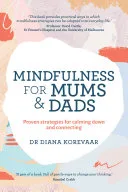
Mindfulness for Mums and Dads
Diana Korevaar’s Mindfulness for Mums and Dads offers a pragmatic approach to a subject often shrouded in esoteric jargon. Its strength lies in its directness; it’s less about achieving satori and more about surviving toddler tantrums with your equilibrium intact. The early sections, detailing the "automatic pilot" mode many parents inhabit, are particularly astute, mirroring the experience of countless individuals. However, the book occasionally leans into the clinical, which might alienate readers seeking a more spiritual or philosophical engagement. The section on "reframing challenges," while useful, could benefit from more explicit exploration of the psychological underpinnings beyond simple cognitive shifts. Ultimately, it serves as a functional toolkit for parental sanity, grounded in accessible psychological principles.
📝 Description
75
Published in 2017, Mindfulness for Mums and Dads offers parents practical mindfulness techniques.
Diana Korevaar's 2017 book, Mindfulness for Mums and Dads, aims to give parents actionable methods for managing the inherent stresses of raising children. It sets up a way for parents to move from automatic reactions to more aware participation in their everyday lives. The book treats mindfulness as a practical skill, not just an abstract idea. It is written for mothers and fathers facing the challenges of parenthood, especially those feeling overwhelmed and disconnected from their children's upbringing. The goal is to help them find calm and presence amidst the busy demands.
The core idea is applying mindfulness—paying attention to the present moment without judgment—to the act of parenting. This means noticing automatic, often unhelpful, responses and developing more deliberate ones. The techniques focus on managing emotions, building stronger connections with children, and changing how difficult situations are viewed. The book makes the point that while parents cannot control everything about their children's lives, they can influence their own internal responses through consistent practice.
Mindfulness for Mums and Dads emerged in 2017, a time when secular mindfulness, influenced by figures like Jon Kabat-Zinn and research from institutions such as the University of Massachusetts Medical School's Center for Mindfulness, was gaining wider acceptance. While the market was familiar with these practices, Korevaar's work specifically adapted them for the unique pressures faced during the perinatal period and early parenthood. It situates itself within a broader contemporary spiritual development trend that seeks practical, accessible applications of meditative awareness for everyday life challenges, moving beyond purely monastic or philosophical traditions.
💡 Why Read This Book?
• Gain practical techniques for emotional regulation during stressful parenting moments, directly applicable from the chapter on "changing how you react." • Learn to foster deeper connections with your children by practicing present-moment awareness, as detailed in the sections on mindful engagement. • Discover methods to reframe challenging parenting situations, moving beyond reactive stress to a more considered response, drawing on the book's core mindfulness exercises.
⭐ Reader Reviews
Honest opinions from readers who have explored this book.
❓ Frequently Asked Questions
What is the primary goal of Mindfulness for Mums and Dads?
The primary goal is to help parents manage the stress of raising children by applying mindfulness techniques to reduce autopilot reactions and increase present-moment connection.
Who is the author, Diana Korevaar?
Dr. Diana Korevaar is a practicing perinatal psychiatrist, bringing a clinical and professional background to the book's approach to mindfulness for parents.
When was Mindfulness for Mums and Dads first published?
The book was first published on March 29, 2017.
Does the book require prior meditation experience?
No, the book is designed for parents, many of whom may be new to mindfulness, offering accessible practices to integrate into daily life.
What kind of challenges does the book address?
It addresses the common challenges of parenting, such as feeling overwhelmed, losing patience, and the feeling of missing out on the parenting journey due to constant demands.
Is the book theoretical or practical?
The book is highly practical, offering an illustrated handbook with actionable techniques and exercises for parents to implement immediately.
🔮 Key Themes & Symbolism
Present Moment Awareness
The book champions the core tenet of mindfulness: anchoring oneself in the present moment. For parents, this means consciously observing the unfolding experiences with children—the laughter, the tears, the mundane tasks—without immediate judgment or distraction. This practice is presented as an antidote to the pervasive "automatic pilot" mode that can lead to a sense of detachment from the parenting journey itself. By cultivating awareness, parents can more fully engage with their children and the richness of daily life, transforming routine moments into opportunities for connection.
Emotional Regulation
Parenting is an emotional rollercoaster, and this work provides tools to navigate those ups and downs. It focuses on recognizing one's own emotional responses to challenging situations—tantrums, sleepless nights, sibling squabbles—as they arise. Instead of reacting impulsively out of frustration or exhaustion, parents are encouraged to pause and observe their feelings. This mindful pause creates space for a more considered, less reactive response, fostering a calmer environment for both parent and child and preventing the escalation of conflict.
Reframing Parental Challenges
A significant aspect of the book involves shifting perspective on the difficulties inherent in parenting. It suggests that while external stressors are often unavoidable, one's internal reaction can be influenced. By applying mindfulness, parents can learn to see challenging situations not as personal failures or insurmountable obstacles, but as opportunities for growth and connection. This reframing process helps to reduce the burden of stress and fosters a more resilient and adaptable approach to the unpredictable nature of raising a family.
Mindful Connection
Beyond managing stress, the book emphasizes how mindfulness can deepen the bond between parents and children. It encourages parents to be fully present during interactions, whether during playtime, meals, or conversations. This focused attention allows parents to truly see and hear their children, fostering a sense of being understood and valued. Such mindful connection builds a foundation of trust and security, enriching the relationship and creating more meaningful shared experiences.
💬 Memorable Quotes
Direct passages from the work, attributed to the author.
“It can be all too easy to live life on automatic pilot - fulfilling one demand after another while missing out on much of the journey.”
— This highlights the common parental trap of simply going through the motions, driven by external demands, which leads to a diminished experience of life and parenthood.
“You can influence the outcome by learning to change how you react.”
— This points to the empowering core message: while external circumstances are often beyond control, internal responses are malleable through conscious practice.
“Though you can't control every situation...”
— This acknowledges the inherent unpredictability and lack of complete control in parenting, setting a realistic stage for the book's strategies.
“...you can influence the outcome by learning to change how you react.”
— This offers a powerful counterpoint to the previous statement, emphasizing agency and the potential for positive change through internal shifts in response.
💡 Key Ideas
Editorial paraphrase of the work's core concepts — not direct quotes.
Mindfulness practice as a powerful tool to help parents calm down, connect and reframe the challenges they face.
This succinctly summarizes the book's tripartite approach to using mindfulness for parental well-being: achieving inner calm, strengthening family bonds, and adjusting one's perspective on difficulties.
🌙 Esoteric Significance
Tradition
While not explicitly rooted in a single esoteric lineage like Hermeticism or Gnosticism, the book draws heavily from the secularized practice of Vipassanā meditation, a central to Theravada Buddhism. Its application to mundane life, particularly parenting, aligns with broader trends in Western esotericism to integrate ancient contemplative wisdom into contemporary psychological frameworks. It represents a modern adaptation of Buddhist principles, stripped of overt religious dogma, for practical psychological benefit.
Symbolism
The book doesn't rely on overt esoteric symbolism. Instead, the 'illustrations' themselves function as visual anchors, often depicting relatable scenes of parental stress and calm. The 'automatic pilot' is a metaphorical symbol for unconscious, reactive living, while the act of 'connecting' symbolizes a return to conscious presence and genuine relationship, a recurring motif in many contemplative traditions aiming for spiritual awakening.
Modern Relevance
The work remains highly relevant today, resonating with contemporary mindfulness and self-care movements. It informs modern therapeutic approaches within perinatal psychology and parenting support groups. Its emphasis on accessible, non-dogmatic practice makes it a precursor to many current apps and online programs offering mindfulness for stress reduction and emotional well-being, particularly for busy parents seeking practical guidance.
👥 Who Should Read This Book
• New parents struggling with the overwhelming demands of infant care and sleep deprivation, seeking immediate stress-reduction techniques. • Experienced parents feeling disconnected from their children or their own sense of self amidst the daily grind, looking for ways to re-engage mindfully. • Mental health professionals working with families who require accessible, evidence-informed resources to recommend for improving parental well-being and family dynamics.
📜 Historical Context
Published in 2017, Mindfulness for Mums and Dads arrived as mindfulness-based interventions had moved beyond niche therapeutic circles into broader public consciousness. The work of Jon Kabat-Zinn and the development of programs like Mindfulness-Based Stress Reduction (MBSR) since the late 1970s had paved the way. Korevaar’s book specifically targeted the unique pressures of modern parenting, a demographic increasingly seeking practical, secular tools for stress management. It entered a landscape populated by general mindfulness guides, offering a specialized application. While not facing significant censorship, its reception was within the context of a growing secularization of contemplative practices, sometimes drawing comparison or contrast with more traditional spiritual approaches to inner peace.
📔 Journal Prompts
The "automatic pilot" of parenting: identify one daily routine where you feel most disconnected.
Reframing a recent challenge: how could a mindful pause have altered your reaction?
Moments of mindful connection: recall one instance where you felt truly present with your child.
Parental reactions: observe a common trigger for your stress and consider alternative responses.
The journey of parenting: what does "missing out" mean in your current experience?
🗂️ Glossary
Automatic Pilot
A state of functioning without conscious awareness or intentional thought, often driven by habit and routine, leading to a feeling of disconnection from the present experience.
Mindfulness Practice
The act of intentionally paying attention to the present moment, including thoughts, feelings, bodily sensations, and the surrounding environment, without judgment.
Perinatal Psychiatry
A specialized field of psychiatry focused on the mental health of individuals during pregnancy, childbirth, and the postpartum period.
Reframing
A cognitive technique involving changing the way a situation or problem is viewed or interpreted, often to reduce its negative impact and foster a more constructive perspective.
Connection
In this context, refers to the quality of attunement and engaged presence between a parent and child, fostered through mindful interaction.
Non-judgmental Observation
The practice of noticing thoughts, feelings, and experiences as they arise without labeling them as 'good' or 'bad,' 'right' or 'wrong.'
Reactive Mode
Responding to situations impulsively based on ingrained habits or immediate emotional urges, rather than with conscious intention or thoughtful consideration.