Mesopotamian Witchcraft
 82
82

Mesopotamian Witchcraft
Tzvi Abusch's "Mesopotamian Witchcraft" offers a formidable deep dive into a subject often obscured by myth and sensationalism. The author's meticulous analysis of the Maqlû text, particularly its ritualistic function and ideological underpinnings, is exceptional. Abusch expertly traces the evolution of witchcraft beliefs from earlier periods through to the final versions of these potent anti-sorcery incantations. A notable strength is the detailed breakdown of the Maqlû ceremony itself, illuminating the symbolic actions and conceptual frameworks employed. However, for readers entirely new to Mesopotamian studies, the dense academic prose and reliance on specialized terminology might present a steep initial learning curve. The book excels at reconstructing the 'how' and 'why' of Mesopotamian magical countermeasures, providing a vital scholarly resource. It is a significant contribution to understanding ancient religious and magical thought.
📝 Description
82
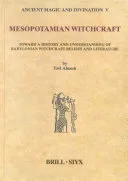
Tzvi Abusch's 2001 book examines ancient Near Eastern sorcery through Babylonian and Assyrian texts.
This study details witchcraft beliefs and practices in ancient Mesopotamia, focusing on Babylonian and Assyrian cultures. It analyzes the history, literature, and rituals associated with sorcery, tracing its evolution within the socio-religious fabric of these societies.
The core of the examination is the Maqlû text, a collection of incantations and rituals designed to combat malevolent magic. Abusch scrutinizes its development, function, and the ideas that shaped it. The book situates these beliefs within the broader intellectual context of the ancient Near East, spanning from the 3rd millennium BCE to the 1st millennium BCE. It shows how sorcery concepts developed alongside cuneiform literature and the growth of urban centers.
The analysis highlights the Maqlû ritual, a ceremony using effigies and spells to identify and neutralize witches. The work discusses the ideology behind these actions, including notions of divine justice, purity, and fear of harmful supernatural powers. It differentiates between perceived curses and organized sorcery, and the societal responses to them.
This work engages with the historical study of magic, specifically within the ancient Near East. It approaches witchcraft not as a modern occult practice, but as a system of beliefs and actions documented in cuneiform texts. The book focuses on how ancient Mesopotamians perceived, described, and countered perceived malevolent magical acts, revealing their anxieties and understanding of the supernatural world. It provides a scholarly lens on historical magical traditions.
💡 Why Read This Book?
• Gain a precise understanding of the Maqlû text, a cornerstone of Mesopotamian anti-witchcraft literature, and its ritualistic purpose. • Explore the historical evolution of sorcery beliefs in Mesopotamia from the 3rd millennium BCE onwards, contextualizing ancient anxieties. • Analyze the ideological frameworks, including divine justice and purity concepts, that underpinned Mesopotamian counter-sorcery practices.
⭐ Reader Reviews
Honest opinions from readers who have explored this book.
❓ Frequently Asked Questions
What is the Maqlû text and why is it important for understanding Mesopotamian witchcraft?
The Maqlû text is a collection of Akkadian incantations and rituals from ancient Mesopotamia, primarily dating to the 1st millennium BCE. It is crucial for understanding witchcraft as it details specific anti-sorcery ceremonies designed to identify and neutralize malevolent magic and its practitioners.
When was Tzvi Abusch's "Mesopotamian Witchcraft" first published?
Tzvi Abusch's "Mesopotamian Witchcraft" was first published on July 26, 2021, making it a relatively recent scholarly work on the subject.
What historical periods does the book cover regarding Mesopotamian witchcraft?
The book covers a vast historical span, examining witchcraft beliefs and practices in Mesopotamia from the 3rd millennium BCE through to the 1st millennium BCE, detailing changes and continuities over time.
What kind of rituals are described in relation to Mesopotamian witchcraft?
The book focuses heavily on the Maqlû ritual, which involved symbolic actions like the creation and burning of effigies representing witches, accompanied by incantations to invoke divine aid against sorcery.
Is this book suitable for beginners in occult studies?
While offering valuable insights, the book is written from a scholarly perspective and may be challenging for absolute beginners due to its academic rigor and focus on textual analysis of ancient Mesopotamian sources.
What does 'Maqlû' mean in the context of Mesopotamian witchcraft?
'Maqlû' is an Akkadian word meaning 'burning.' In the context of Mesopotamian witchcraft, it refers to the central ritual of the anti-sorcery ceremonies, which involved the symbolic burning of effigies.
🔮 Key Themes & Symbolism
The Maqlû Text
The Maqlû text, a corpus of Akkadian incantations and rituals, forms the central pillar of this study. Abusch meticulously dissects its structure, evolution, and function as a primary tool for combating sorcery in ancient Mesopotamia. The work explores how this text served not only as a practical guide for anti-witchcraft ceremonies but also as a window into the anxieties and belief systems of the era. Its analysis reveals the sophisticated understanding of magical causality and divine intervention prevalent in Babylonian and Assyrian societies during the 1st millennium BCE.
Ritualistic Counter-Sorcery
This volume extensively details the ritualistic practices employed by Mesopotamians to defend against perceived witchcraft. Central to this is the Maqlû ceremony, which involved the creation and symbolic destruction (burning) of effigies representing suspected sorcerers. Abusch examines the efficacy attributed to these symbolic acts, the role of incantations invoking deities, and the broader socio-religious context that necessitated such elaborate protective measures against malevolent magic.
Evolution of Witchcraft Beliefs
Abusch traces the dynamic nature of witchcraft beliefs across Mesopotamian history, from earlier conceptions to the more formalized practices documented in the Maqlû text. The work illustrates how the understanding and societal response to sorcery shifted over millennia, influenced by changing political, social, and religious landscapes. It highlights the consistent presence of fear surrounding malevolent magic and the adaptive strategies developed to address it.
Ideology of Anti-Witchcraft
Beyond the practical aspects of ritual, the book studies the underlying ideology that fueled Mesopotamian anti-witchcraft practices. Concepts of divine justice, purity laws, and the perceived cosmic order are examined as foundational elements. The ideology surrounding the Maqlû text reveals a deep-seated belief in the power of ritual to restore balance, punish the wicked, and protect the community from supernatural harm.
💬 Memorable Quotes
Direct passages from the work, attributed to the author.
“The Maqlû text is the most important ancient work on the subject.”
— This statement emphasizes the singular significance of the Maqlû corpus for scholars and practitioners seeking to understand ancient Mesopotamian witchcraft and its countermeasures. It positions the text as the primary source for this area of study.
“The ritual function, form, and development of the Maqlû text.”
— This phrase highlights the analytical approach taken in the book, focusing on how the Maqlû rituals operated, their structural components, and how they evolved over the historical periods covered.
“The meaning of the Maqlû ceremony.”
— This points to a deeper exploration within the volume, going beyond the mechanics of the ritual to uncover its symbolic significance and the underlying worldview it represented to ancient Mesopotamians.
“The ideology of the final version of the text.”
— This indicates a focus on the culminating theological and philosophical underpinnings of the Maqlû traditions, examining the beliefs and justifications that supported these practices in their most developed forms.
“Reconstruction of the d[...]”
— This fragment suggests the book aims to piece together lost or fragmented knowledge, potentially reconstructing aspects of Mesopotamian magical practices or beliefs that are not fully preserved in the surviving textual record.
🌙 Esoteric Significance
Tradition
While not strictly belonging to a single esoteric lineage like Hermeticism or Kabbalah, "Mesopotamian Witchcraft" provides foundational historical context for many Western esoteric traditions. It illuminates ancient roots of sympathetic magic, ritualistic purification, and the conceptualization of adversarial forces that echo in later magical systems. The work offers a scholarly lens on practices that influenced the development of magical thought across cultures.
Symbolism
The Maqlû ritual, central to this study, is rich with symbolism. The effigies, often made of clay or other malleable materials, represent the targeted witch, and their symbolic destruction through burning signifies the neutralization of their malevolent power. The act of burning itself carries potent connotations of purification and annihilation. Other symbols likely include specific divine figures invoked for protection and the symbolic representation of evil.
Modern Relevance
Contemporary practitioners of ritual magic and scholars of comparative religion find value in Abusch's work. It offers a rigorous, evidence-based understanding of historical magical systems, informing modern interpretations of ancient practices and the enduring human engagement with supernatural threats and protective rituals. Thinkers exploring the psychology of belief and the evolution of religious anxieties can also draw from its detailed analysis.
👥 Who Should Read This Book
• Scholars of Ancient Near Eastern Studies: Those researching Mesopotamian history, religion, and literature will find this an indispensable resource for understanding magical practices and beliefs. • Students of Comparative Religion: Individuals studying the historical development of religious and magical systems across cultures will benefit from the detailed examination of Mesopotamian anti-witchcraft rituals. • Esoteric Practitioners Seeking Historical Depth: Practitioners interested in the historical roots of magic and ritual, particularly those focused on ancient traditions, will gain a scholarly perspective on Mesopotamian sorcery.
📜 Historical Context
Tzvi Abusch's "Mesopotamian Witchcraft" emerges from the rich field of Assyriology and the study of ancient Near Eastern religions. Published in 2021, it builds upon decades of scholarship concerning Mesopotamian magic and divination. The book situates its analysis within the broader intellectual currents of the 1st and 2nd millennia BCE, a period marked by the flourishing of cuneiform literature in Akkadian and Sumerian. The work's deep engagement with the Maqlû text, a key source for understanding anti-witchcraft practices, places it in dialogue with scholars like Morris Jastrow Jr., who explored Mesopotamian religion extensively in the early 20th century. While not facing direct censorship, the academic reception of such specialized works is often measured by their contribution to ongoing scholarly debates and their utility for comparative religious studies, particularly in understanding pre-Abrahamic magical traditions and their societal functions.
📔 Journal Prompts
The Maqlû ceremony's symbolic burning of effigies.
The historical evolution of witchcraft beliefs in Mesopotamia.
The ideological underpinnings of Mesopotamian counter-sorcery.
The ritual function and development of the Maqlû text.
Fear of malevolent magic in ancient Babylonian and Assyrian societies.
🗂️ Glossary
Maqlû
An Akkadian term meaning 'burning.' It refers to the primary ritual text and ceremony used in ancient Mesopotamia to combat witchcraft through symbolic burning of effigies.
Akkadian
The language spoken and written in ancient Mesopotamia from the 3rd millennium BCE onwards, used for much of its literature, including the Maqlû text.
Cuneiform
The wedge-shaped writing system used in ancient Mesopotamia on clay tablets. The Maqlû text is preserved in cuneiform script.
Sorcery
The practice of magic, especially black magic; a supernatural means of causing harm or influencing events, perceived as a significant threat in ancient Mesopotamian society.
Incantation
A series of words said in a magical spell or charm. The Maqlû text is composed largely of incantations designed to counter witchcraft.
Effigy
A roughly made model or crude изображение of a person. In the Maqlû ritual, effigies of witches were created and symbolically destroyed.
Assyriology
The academic study of the history, culture, and language of ancient Assyria and Babylonia (Mesopotamia).