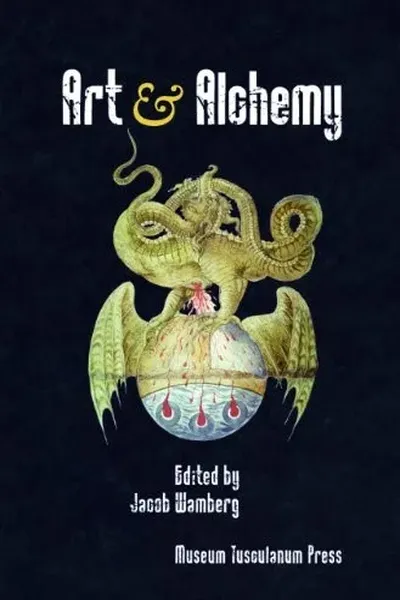
Magickal Arts

 74
74

Magickal Arts
Sally Morningstar’s Magickal Arts presents a commendably organized framework for understanding the broader spectrum of Western esoteric practices. Unlike many texts that focus on a single tradition, Morningstar attempts a comprehensive overview, which is both a strength and, at times, a limitation. The section detailing the "Lesser Banishing Ritual of the Pentagram" is particularly lucid, offering a practical breakdown of its energetic purpose and execution, a concept often presented without sufficient context in other manuals. However, the sheer breadth attempted means that some deeper traditions are treated with a brevity that might frustrate specialists. The 2004 publication date means it doesn't engage with more recent theoretical shifts in occult studies. Despite this, the book serves as an invaluable primer for those navigating the often-intimidating world of magickal systems.
📝 Description
74
Sally Morningstar's Magickal Arts, published in 2004, explains complex magical systems.
First published in 2004, Magickal Arts by Sally Morningstar addresses both the theory and practice of various esoteric disciplines. Morningstar aims to clarify intricate magical frameworks, detailing their historical roots and operational methods. The book covers a range of practices, including ceremonial magic and elemental correspondences, presenting them as practical tools for personal and spiritual growth rather than mere abstract ideas.
This text is intended for dedicated students of occult and esoteric studies who seek a structured approach to magical theory and practice. It is useful for those with some familiarity with mystical concepts but who want a more systematic understanding. Readers interested in how historical occultism connects with modern magical practices will find its thorough examinations especially beneficial. The book is not designed for those seeking sensationalist material.
Emerging in 2004, a time of renewed interest in occult studies partly fueled by digital access, Magickal Arts appeared as the occult landscape was filled with varied interpretations of esoteric knowledge. While figures like Lon Milo DuQuette popularized ceremonial magic and Aleister Crowley's writings remained influential, Morningstar offered a more structured, pedagogical framework. The book engages with discussions on the origins and categorization of Western esotericism, providing a practitioner's view on systems sometimes found only in academic texts or scattered grimoires.
💡 Why Read This Book?
• Gain a structured understanding of foundational magical principles, including the mechanics of will and astral projection, as detailed in Morningstar's methodical approach to these concepts. • Learn practical techniques for energy manipulation and ritual construction, moving beyond theory to actionable steps presented in chapters like "Tools of the Craft". • Explore the ethical dimensions of magickal practice and the importance of intent, a crucial aspect emphasized throughout the text, particularly in discussions of responsibility.
⭐ Reader Reviews
Honest opinions from readers who have explored this book.
❓ Frequently Asked Questions
What specific magical traditions are covered in Sally Morningstar's Magickal Arts?
The book explores a range of Western esoteric traditions, including ceremonial magic, elemental magic, and aspects of astral projection. It aims to provide a cohesive overview rather than an exhaustive study of any single lineage.
Is Magickal Arts suitable for complete beginners in esotericism?
While it offers clear explanations, Magickal Arts is best suited for those with some foundational knowledge or a serious intent to study. Beginners might benefit from reading introductory texts on general spirituality before tackling its more specific magical systems.
When was Magickal Arts first published and what was the context?
First published in 2004, the book emerged during a period of renewed interest in occultism, facilitated by the growing accessibility of information online, offering a structured approach to complex magical theories.
Does the book discuss the history of magickal practices?
Yes, Magickal Arts situates its discussions within a historical framework, tracing the development of certain practices and concepts within Western esoteric traditions, providing context for their application.
What is the author Sally Morningstar's approach to magick?
Morningstar emphasizes a practical, theoretical, and ethical approach to magick, focusing on the disciplined application of will, understanding of energetic principles, and the importance of responsible practice.
🔮 Key Themes & Symbolism
The Nature of Will
Morningstar posits that the operative will is the central engine of all magickal work. The book elaborates on how to cultivate, focus, and direct this will through various techniques. This includes understanding its connection to consciousness, desire, and the energetic field. The text distinguishes between passive wishing and active, focused intent, crucial for manifesting desired outcomes in both mundane and mystical endeavors. This concept is explored through exercises designed to strengthen mental discipline and the ability to hold a singular purpose.
Astral Plane Dynamics
The book provides a detailed examination of the astral plane, describing it as a non-physical dimension accessible through altered states of consciousness. Morningstar explains its structure, inhabitants, and the energetic laws that govern it. Practical methods for astral projection and navigation are discussed, emphasizing safety protocols and the importance of maintaining psychic integrity. Understanding the astral is presented as key to comprehending the source of magical energies and the symbolic language of dreams and visions.
Symbolic Language and Ritual
Magickal Arts underscores the power of symbols and ritual as fundamental tools for interacting with the subconscious mind and universal energies. It analyzes the archetypal significance of common magical symbols, geometric forms, and planetary correspondences. The construction and execution of rituals are presented as a means to focus intent, invoke energies, and create sacred space. The book guides readers on how to effectively employ symbolic language in their own practice to achieve specific magical objectives.
Ethical Practice and Responsibility
A significant theme is the ethical framework surrounding magical operations. Morningstar stresses that power without responsibility can lead to detrimental consequences. The text explores the concept of karma within a magical context and the importance of purity of intent. Readers are encouraged to consider the impact of their actions on themselves and others, advocating for a path of self-mastery and benevolent application of magical arts. This ethical consideration is woven throughout discussions of advanced techniques.
💬 Memorable Quotes
Direct passages from the work, attributed to the author.
“Will is not a wish; it is a directed force.”
— This statement captures Morningstar's emphasis on active, focused intent over passive desire. It suggests that true magical efficacy stems from disciplined application of mental energy, not mere hoping for an outcome.
“The astral plane mirrors the subtle energies of the material.”
— This interpretation highlights the interconnectedness of different planes of existence. It implies that understanding the energetic dynamics of the astral realm can provide insights into the underlying causes of phenomena in the physical world.
“Ritual is the language of the soul speaking to the universe.”
— This poetic phrasing expresses the idea that ritualistic acts are a profound form of communication, bridging the gap between individual consciousness and broader cosmic forces through structured symbolic expression.
“Every action in magick carries a consequence; know your path.”
— This serves as a stark reminder of the ethical considerations inherent in magical practice. It stresses the need for foresight and accountability, urging practitioners to be aware of the repercussions of their workings.
“Symbols are keys that unlock hidden potentials within the psyche.”
— This concept emphasizes the psychological power of symbols. It suggests that by engaging with specific archetypal imagery, individuals can access and activate dormant abilities and deeper levels of their own consciousness.
🌙 Esoteric Significance
Tradition
Magickal Arts is rooted in the Western Esoteric Tradition, drawing heavily from Hermeticism, ceremonial magic, and Neoplatonic philosophy. It aligns with the Hermetic principle of "As Above, So Below," emphasizing the correspondence between the macrocosm and the microcosm. The work positions itself within the lineage of practical occultism, seeking to provide a systematic guide for practitioners aiming to achieve spiritual development and manifest change through disciplined application of magical principles.
Symbolism
Key symbols explored include the Pentagram, representing the four elements and the spirit, used in rituals for invocation and banishing. The Caduceus, symbolizing balance, healing, and the union of opposites (often associated with Mercury and the Kundalini), is also a significant motif. Morningstar interprets these symbols not merely as decorative elements but as potent energetic keys that, when understood and applied correctly in ritual or meditation, can unlock specific states of consciousness and facilitate magical work.
Modern Relevance
In contemporary occult circles, *Magickal Arts* continues to be referenced by practitioners seeking a foundational understanding of magical theory and practice. Its systematic approach is valued by those engaging with modern magical orders or developing personal practice. Thinkers and practitioners in fields such as chaos magick and psychological occultism often draw upon its clear articulation of fundamental concepts like will and energy manipulation, even if they adapt or challenge its more traditional frameworks.
👥 Who Should Read This Book
• Aspiring practitioners of Western ceremonial magic seeking a structured introduction to core concepts and techniques. • Students of comparative religion and esoteric studies interested in understanding the practical application of magical theories beyond academic discourse. • Experienced occultists looking for a clear, well-organized reference text that synthesizes diverse magical principles into a coherent system.
📜 Historical Context
Published in 2004, Sally Morningstar’s *Magickal Arts* entered a literary landscape that had seen a significant revival of interest in esoteric subjects, partly fueled by the internet. This era saw a proliferation of occult literature, with many authors exploring the legacy of figures like Aleister Crowley and Dion Fortune. Morningstar’s work distinguished itself by offering a structured, almost pedagogical approach, aiming to synthesize various practices rather than focusing on a single lineage. It implicitly engaged with the ongoing academic discourse surrounding Western esotericism, providing a practitioner's perspective on systems often confined to historical analysis. Unlike the more specialized works of contemporaries like Lon Milo DuQuette, who focused heavily on ceremonial magic, Morningstar's book attempted a broader survey, seeking to connect disparate threads of magical theory and practice into a more cohesive whole for the aspiring occultist.
📔 Journal Prompts
The concept of operative will: how does its directed force manifest in your daily actions?
Reflection on the astral plane: what subtle energies do you perceive around you?
Analyzing ritual structure: design a simple ritual using symbolic language.
Ethical considerations: how can your magical practice serve a greater good?
The power of symbols: which archetypal images resonate most strongly with your inner world?
🗂️ Glossary
Astral Plane
A non-physical dimension of existence, often described as a field of thought, emotion, and subtle energies, accessible through altered states of consciousness or specialized techniques.
Ceremonial Magic
A formal system of magical practice involving elaborate rituals, symbolic tools, invocations, and often drawing upon Qabalistic, Hermetic, and Rosicrucian traditions.
Esotericism
Belief systems and practices concerned with hidden knowledge or inner illumination, often involving mystical, spiritual, or occult traditions distinct from mainstream religious or scientific doctrines.
Operative Will
The focused, disciplined intention and directed energy used by a practitioner to effect change in accordance with magical principles.
Pentagram
A five-pointed star, a potent symbol in many magical systems representing the four elements (Earth, Air, Fire, Water) and Spirit, used for invocation and banishing.
Ritual
A prescribed series of actions, often symbolic, performed in a specific order to achieve a desired magical, spiritual, or religious effect.
Symbolism
The use of objects, images, or concepts to represent abstract ideas or deeper meanings, fundamental to magical languages and practices.
🔮 Readers Also Liked
Browse all →








More by Sally Morningstar
All books →





More Free Alchemy & Hermeticism Books
View all →