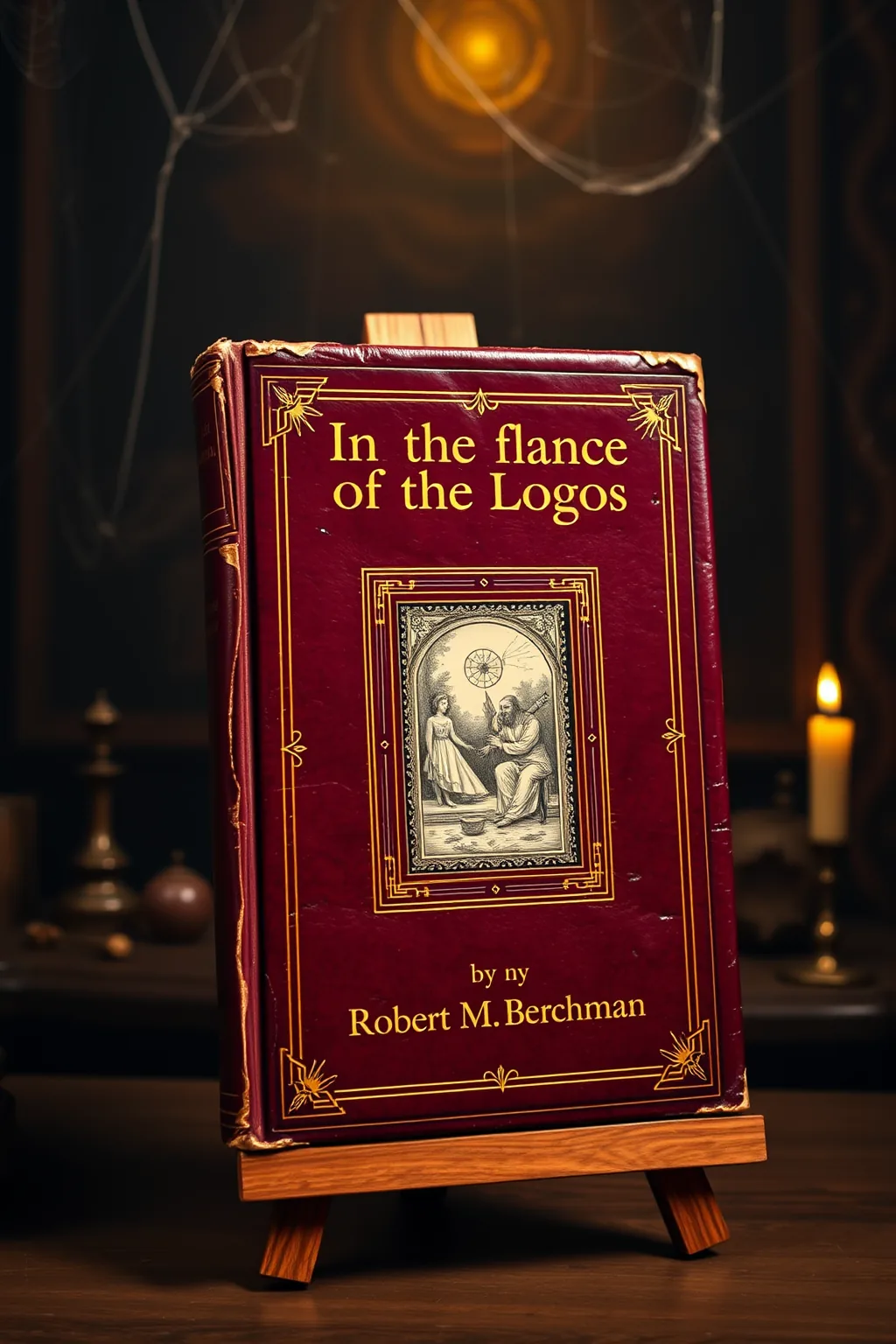
In the glance of the Logos
 61
61

In the glance of the Logos


Review by Isolde Whitaker (Sacred Texts Editor) — Robert M. Berchman's 'In the Glance of the Logos' is a masterful exploration of Platonism and Neoplatonism, offering esoteric insights that are both profound and accessible. Berchman's strengths lie in his ability to weave together complex philosophical concepts with mystical symbolism, making this book an invaluable resource for those seeking to understand the hidden dimensions of ancient philosophy. The intended audience includes scholars, spiritual seekers, and practitioners of the mystical arts, who will find this work both enlightening and inspiring.
📝 Description
61
Robert M. Berchman's 2007 book examines the mystical thought of Plato and Plotinus.
In 'In the Glance of the Logos,' Robert M. Berchman examines the mystical traditions of Platonism and Neoplatonism. The book traces the symbolism and philosophical depth within the teachings of Plato and his intellectual successors. It is designed for those interested in hidden truths, ancient philosophy, and mystical practices.
Berchman's study highlights the esoteric meaning in ancient texts, showing how they can lead to spiritual insight and a better grasp of the cosmos. The writing creates an atmosphere of reverence and mystery. It encourages readers to look inward through the perspective of ancient philosophy.
This work situates itself within the Neoplatonic tradition, a philosophical and mystical school that flourished from the 3rd to the 6th century CE. Neoplatonism, stemming from Plato's dialogues, sought to understand the ultimate reality, often termed 'The One,' and its emanations into the material world. Berchman's focus on the 'Logos' connects to this tradition's concept of divine intellect and intermediary principles that bridge the divine and the human.
💡 Why Read This Book?
Read 'In the Glance of the Logos' to uncover the hidden knowledge of ancient Platonists and Neoplatonists. This book is ideal for seekers of spiritual enlightenment, scholars of ancient philosophy, and practitioners of the mystical arts. Berchman's work provides a unique perspective on the esoteric significance of ancient texts, offering readers a pathway to deeper understanding and spiritual growth.
⭐ Reader Reviews
Honest opinions from readers who have explored this book.
❓ Frequently Asked Questions
What is the primary focus of 'In the Glance of the Logos'?
The book focuses on the mystical traditions of Platonism and Neoplatonism, exploring their esoteric wisdom and philosophical depth.
Who is the intended audience for this book?
The intended audience includes scholars of ancient philosophy, spiritual seekers, and practitioners of the mystical arts.
How does this book contribute to the understanding of ancient philosophy?
It illuminates the esoteric significance of ancient texts, revealing how they can guide readers toward spiritual enlightenment.
What makes 'In the Glance of the Logos' unique?
Berchman's ability to weave together complex philosophical concepts with mystical symbolism sets this book apart, making it both enlightening and inspiring.
Can beginners in ancient philosophy benefit from this book?
While the book is rich in esoteric insights, beginners may find it challenging but rewarding, as it offers a deep dive into mystical traditions.
🔮 Key Themes & Symbolism
The Mystical Logos
Berchman explores the concept of the Logos as the divine principle that underlies the cosmos. This theme looks at the mystical significance of the Logos, revealing how it connects the spiritual and material worlds. The Logos is seen as a guiding force that can lead seekers toward enlightenment and a deeper understanding of the universe.
Symbolism in Ancient Philosophy
The book looks at the strong symbolism found in Platonism and Neoplatonism, offering readers a glimpse into the hidden meanings behind ancient texts. Symbols such as the cave allegory and the divided line are explored in depth, revealing their esoteric significance and how they can guide spiritual seekers on their journey.
The Path to Spiritual Enlightenment
Berchman's work illuminates the path to spiritual enlightenment through the lens of ancient philosophy. This theme focuses on the practices and teachings that can help readers achieve a deeper connection with the divine, offering practical advice and insights into the mystical arts.
💡 Key Ideas
Editorial paraphrase of the work's core concepts — not direct quotes.
The Logos is the divine principle that connects all things.
This quote underscores the mystical significance of the Logos, revealing its role as a guiding force in the cosmos.
Symbolism is the language of the soul.
This passage highlights the importance of symbolism in ancient philosophy, showing how it can reveal hidden truths and guide seekers on their spiritual journey.
The path to enlightenment is a journey of self-discovery.
This quote emphasizes the personal nature of spiritual enlightenment, encouraging readers to explore their inner dimensions.
Ancient wisdom holds the keys to modern enlightenment.
This passage underscores the relevance of ancient philosophy today, showing how its teachings can guide us toward spiritual growth.
The mysteries of the Logos are revealed to those who seek.
This quote encourages readers to explore the esoteric significance of the Logos, offering a pathway to deeper understanding and spiritual enlightenment.
🌙 Esoteric Significance
Tradition
This book belongs to the Hermetic tradition, which seeks to uncover the hidden knowledge and mystical wisdom of ancient philosophers. Hermeticism is characterized by its emphasis on the divine principle of the Logos and the use of symbolism to reveal hidden truths.
Symbolism
Key symbols in this book include the cave allegory and the divided line, which represent the journey from ignorance to enlightenment. These symbols are explored in depth, revealing their esoteric significance and how they can guide spiritual seekers on their path.
Modern Relevance
The teachings of 'In the Glance of the Logos' are relevant today, as modern practitioners of the mystical arts continue to draw inspiration from its esoteric insights. The book's exploration of the Logos and its symbolism offers a pathway to spiritual growth and enlightenment in the contemporary world.
👥 Who Should Read This Book
Beginners in ancient philosophy may find this book challenging but rewarding, as it offers a deep dive into mystical traditions. Scholars of ancient philosophy will appreciate the esoteric insights and philosophical depth. Spiritual seekers and practitioners of the mystical arts will find this work enlightening and inspiring, as it reveals the hidden knowledge and symbolism of ancient texts.
📜 Historical Context
Written during a time of renewed interest in ancient philosophy, 'In the Glance of the Logos' reflects the resurgence of Platonism and Neoplatonism in the modern era. The book's importance lies in its ability to bridge the gap between ancient wisdom and contemporary thought, offering readers a unique perspective on the mystical traditions of the past. Its influence can be seen in the works of modern scholars and practitioners of the mystical arts, who continue to draw inspiration from its esoteric insights.
📔 Journal Prompts
How does the concept of the Logos resonate with your understanding of the divine?
What symbols from ancient philosophy have you encountered in your spiritual journey?
How can the teachings of Platonism and Neoplatonism guide you toward spiritual enlightenment?
What practices can you incorporate into your daily life to deepen your connection with the divine?
How does the exploration of esoteric symbolism enhance your understanding of ancient philosophy?
🗂️ Glossary
Logos
The divine principle that underlies the cosmos, connecting the spiritual and material worlds.
Cave Allegory
A symbolic representation of the journey from ignorance to enlightenment, as described in Plato's Republic.
Divided Line
A philosophical concept that represents the different levels of reality and knowledge, as explored in Plato's Republic.
Neoplatonism
A philosophical tradition that builds upon the teachings of Plato, emphasizing the mystical and esoteric dimensions of his thought.
Symbolism
The use of symbols to convey hidden meanings and guide spiritual seekers on their journey toward enlightenment.
This book appears in 2 collections
🔮 Readers Also Liked
Browse all →








More by Robert M. Berchman
All books →

From the “Neoplatonism” Collection
View all →






More Free Alchemy & Hermeticism Books
View all →