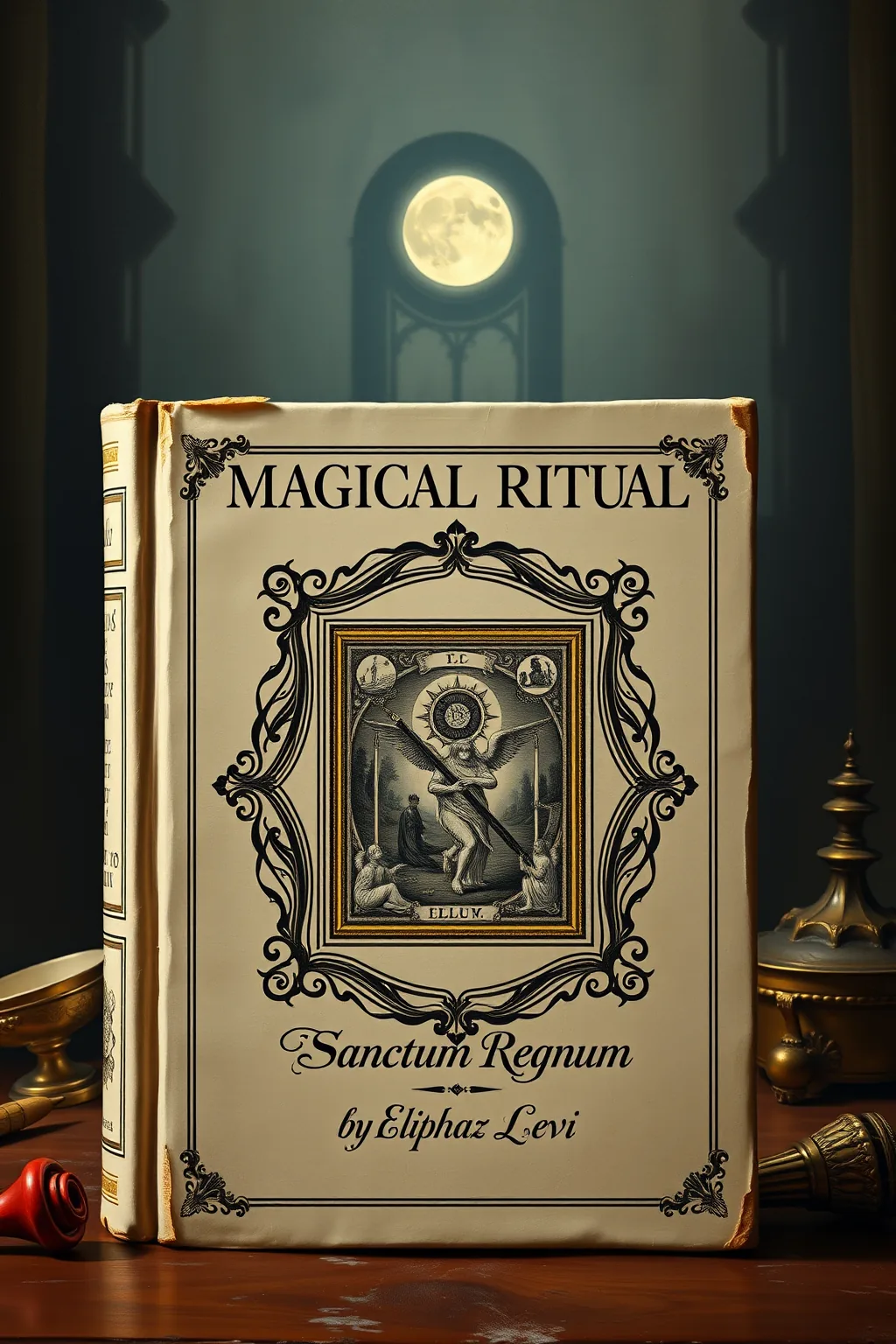
Magical Ritual of the Sanctum Regnum
 62
62

Magical Ritual of the Sanctum Regnum


Alaric Kestrel (Metaphysical Studies Reviewer) — Eliphas Lévi's 'Magical Ritual of the Sanctum Regnum' stands as an indispensable cornerstone for any serious practitioner of Western esotericism. Lévi masterfully demystifies complex magical theory, presenting a coherent and actionable framework for ceremonial practice. His erudition shines through as he weaves together threads of Kabbalah, Hermetic philosophy, and Pythagorean numerology into a potent synthesis. The text's strength lies in its systematic approach to ritual, emphasizing the psychological and spiritual preparation necessary for effective operation. This is not a book for the casual dabbler, but for the dedicated student seeking to understand the deeper currents of magical science and their application in the creation of a sacred space for transformation.
📝 Description
62
Eliphas Lévi published 'Magical Ritual of the Sanctum Regnum' in 1863, detailing the construction and use of a magical temple.
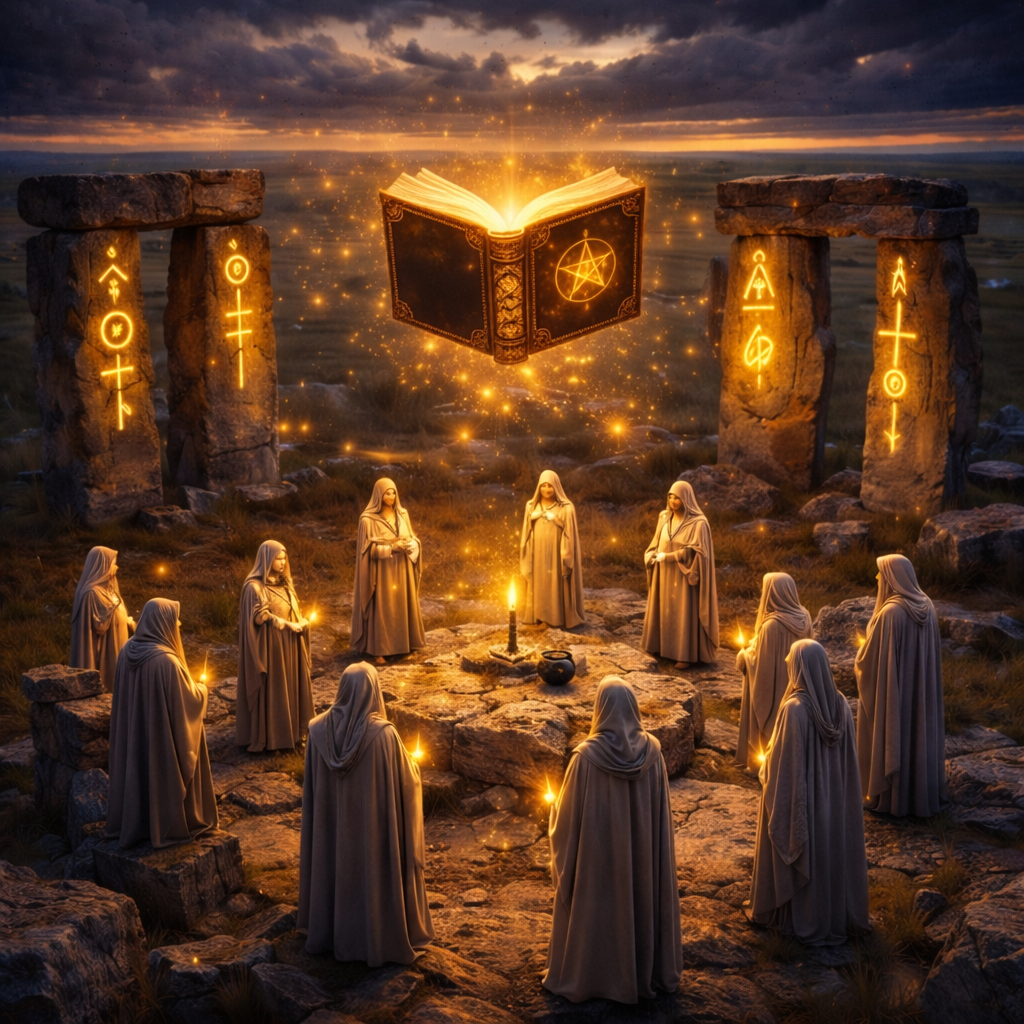
This book functions as a guide to constructing and performing ritual magic within a consecrated space. Lévi, a prominent figure in 19th-century occultism, lays out the necessary components of the ritual chamber, the preparations required for the magician, and the symbolic meaning behind each action. It covers the invocation of elemental powers and the concept of aligning the individual self with the greater cosmos.
The text aims to instruct the serious student in the practical application of ceremonial magic. It describes methods for astral projection and achieving spiritual development through disciplined practice. The book presents magic as a system for self-improvement and the realization of higher purposes, rooted in philosophical principles.
Published in 1863, 'Magical Ritual of the Sanctum Regnum' is a product of the mid-19th century revival of Western esotericism. Eliphas Lévi synthesized elements from various traditions, including Kabbalah, Hermeticism, and ceremonial magic, to form his system. This work is a key text in understanding the development of modern ceremonial magic, which sought to codify and rationalize occult practices for practitioners.
💡 Why Read This Book?
This book offers an unparalleled, systematic introduction to the foundations of Western ceremonial magic. It provides the essential theoretical and practical knowledge for aspiring occultists, scholars of esotericism, and practitioners seeking to deepen their understanding of ritual efficacy. Dive into a rich world of symbolism and spiritual discipline that can elevate your practice and perception.
⭐ Reader Reviews
Honest opinions from readers who have explored this book.
❓ Frequently Asked Questions
What is the 'Sanctum Regnum'?
The 'Sanctum Regnum' refers to the sacred space created during a magical ritual, representing the inner sanctuary of the practitioner and the divine realm.
Is this book suitable for beginners?
While dense with esoteric knowledge, Lévi’s work provides a foundational understanding. Beginners should approach it with patience and a willingness to study diligently, perhaps in conjunction with introductory texts on Hermeticism or Kabbalah.
What are the key elements of Lévi’s magical ritual?
Lévi emphasizes the importance of symbolic gestures, precise incantations, consecrated tools, and the creation of a sacred, energetically charged space for the ritual to unfold.
What is the philosophical basis of this ritual?
The ritual is rooted in Hermetic principles, the Kabbalistic Tree of Life, and the belief that the universe is governed by divine laws and correspondences that can be understood and manipulated through magical practice.
Can this ritual be performed without elaborate equipment?
While Lévi details traditional tools, the core of the ritual lies in the practitioner's focused will, intention, and understanding of symbolism. Adaptations are possible for dedicated practitioners.
🔮 Key Themes & Symbolism
The Sacred Architecture of Ritual
Lévi meticulously outlines the creation and consecration of the magical circle, the altar, and the significance of cardinal directions and celestial alignments. This section explores how the physical environment becomes a symbolic conduit for divine energies, transforming ordinary space into a potent nexus for magical operation. It emphasizes that the ritual space is not merely a backdrop but an active participant in the magical process, reflecting the inner cosmos of the practitioner and the macrocosmic order.
The Power of Symbolism and Correspondence
This theme explores Lévi's profound understanding of the universe as a vast network of interconnected symbols and correspondences. From the Hebrew alphabet to planetary influences and elemental forces, each element within the ritual is imbued with specific meaning and energetic potential. The book teaches how to decipher these hidden languages, enabling the practitioner to invoke specific powers and achieve desired outcomes by aligning with the universal harmony.
The Adept's Inner Transformation
Beyond external operations, 'Magical Ritual of the Sanctum Regnum' is a guide to the internal alchemy of the magician. Lévi stresses the importance of moral fortitude, intellectual clarity, and unwavering will. The ritual becomes a crucible for self-purification and spiritual development, leading the practitioner towards gnosis and the realization of their divine potential. The ultimate goal is not just external manipulation but the elevation of consciousness and the attainment of true magical wisdom.
💬 Memorable Quotes
Direct passages from the work, attributed to the author.
“The Key of Mysteries is within thee.”
— This highlights the internal nature of true magical knowledge and power, suggesting that the seeker's own consciousness holds the answers and the capacity for transformation.
“Magic is the science of the sacred.”
— This defines magic not as mere trickery, but as a profound and sacred art rooted in understanding and interacting with divine principles and universal laws.
“The universe is a divine thought.”
— This expresses a pantheistic or panentheistic worldview, positing that all existence is an emanation or manifestation of a supreme, conscious intelligence.
“To know, to dare, to will, and to be silent.”
— These four principles, often attributed to the Fourlnfernal Powers, represent the essential virtues of a magician: knowledge, courage, determination, and discretion.
“The great work is the perfection of the soul.”
— This points to the ultimate aim of magical practice as spiritual evolution and the attainment of a perfected, divine state of being.
🌙 Esoteric Significance
Tradition
This work is fundamentally rooted in the Western Esoteric Tradition, drawing heavily from Hermeticism, Kabbalah, and ceremonial magic. Lévi sought to systematize and rationalize these ancient streams of knowledge, presenting them as a unified science of the occult. He aimed to elevate magic from perceived superstition to a legitimate spiritual and philosophical discipline, accessible through rigorous study and practice.
Symbolism
The 'Sanctum Regnum' is replete with detailed symbolism, from the geometric purity of the ritual circle and the symbolic significance of the Hebrew alphabet to the correspondences between planets, elements, and divine names. Lévi employs these symbols as keys to unlock higher states of consciousness and to establish a rapport with unseen forces, viewing them not as arbitrary signs but as direct manifestations of universal principles.
Modern Relevance
Despite its historical origins, Lévi's 'Magical Ritual' remains profoundly relevant for contemporary seekers. Its emphasis on psychological preparation, the power of intention, and the systematic application of symbolism offers a robust framework for personal growth and spiritual exploration. The principles of creating sacred space and aligning with universal energies are timeless, providing practitioners today with tools for empowerment, self-discovery, and the manifestation of their highest potential.
👥 Who Should Read This Book
This book is essential for dedicated students of Western Esotericism, aspiring ceremonial magicians, and scholars of occult history. Beginners seeking a foundational understanding of magical principles and symbolism will find it challenging but rewarding. Experienced practitioners will appreciate Lévi's systematic approach and useful insights into ritual efficacy. Anyone interested in the intersection of philosophy, religion, and the practice of magic will discover a wealth of knowledge and a unique perspective on the nature of reality.
📜 Historical Context
Eliphas Lévi (Alphonse Louis Constant) was a towering figure in 19th-century occultism, a period of intense spiritual searching and revival of esoteric traditions in Europe. The 'Magical Ritual of the Sanctum Regnum,' published in 1862, emerged during the height of the Second French Empire, a time when spiritualism, mesmerism, and various occult societies were gaining traction. Lévi synthesized a vast array of mystical and philosophical traditions, including Kabbalah, Hermeticism, Gnosticism, and Freemasonry, into a coherent system of ceremonial magic. His work provided a vital bridge between medieval grimoires and modern occult practice, influencing generations of magicians, occultists, and scholars who sought to understand the hidden forces of the universe and their application in ritual and personal transformation.
📔 Journal Prompts
Reflect on the concept of the 'Sanctum Regnum' and how you might create your own sacred space for contemplation.
Analyze one symbol from the book that speaks to you and explore its potential meanings in your life.
Consider the balance between 'knowing, daring, willing, and being silent' in your personal pursuits.
How does Lévi's view of the universe as a 'divine thought' challenge or affirm your own beliefs?
What aspects of the 'great work' of perfecting the soul are most relevant to your current life journey?
🗂️ Glossary
Adeptus
A practitioner of magic who has attained a certain level of skill and knowledge in occult arts, signifying progress on the path of spiritual development.
Kabbalah
A mystical tradition within Judaism that explores the esoteric meaning of the Torah and the divine nature of the universe, often represented by the Tree of Life.
Hermeticism
A philosophical and religious tradition based on the teachings attributed to Hermes Trismegistus, emphasizing the principle of 'As Above, So Below' and the interconnectedness of all things.
Invocation
The act of calling upon a divine being, spirit, or force to manifest or assist in a magical working, often through prayer, incantation, or visualization.
Microcosm
The concept of the individual human being as a miniature representation or reflection of the larger universe (the Macrocosm).
This book appears in 2 collections
🔮 Readers Also Liked
Browse all →









More by Eliphaz Levi
All books →
From the “Ritual Magic” Collection
View all →







More Free Magic & Ritual Books
View all →