Lucid Dreaming
 73
73

Lucid Dreaming
Robert Waggoner's account of his lucid dreaming exploits, particularly his interactions with the "Inner Self," offers a compelling narrative of self-exploration beyond typical dream analysis. The strength of the book lies in Waggoner's earnest and detailed reporting of his subjective experiences, presenting lucid dreaming as a potent tool for introspection. He moves beyond mere wish fulfillment in dreams, suggesting a profound dialogue with a core aspect of consciousness. A limitation, however, is the often-unsubstantiated leap from personal experience to universal claims about the nature of reality and the "Inner Self." For instance, his description of the "dream observer" as a distinct, interactive entity, while fascinating, relies heavily on his interpretation rather than empirical evidence. The work shines when detailing the practical techniques for achieving and maintaining lucidity, but falters when presenting its more metaphysical conclusions as definitive truths. It's a valuable personal testimony, but readers should approach its grander philosophical assertions with critical discernment.
📝 Description
73
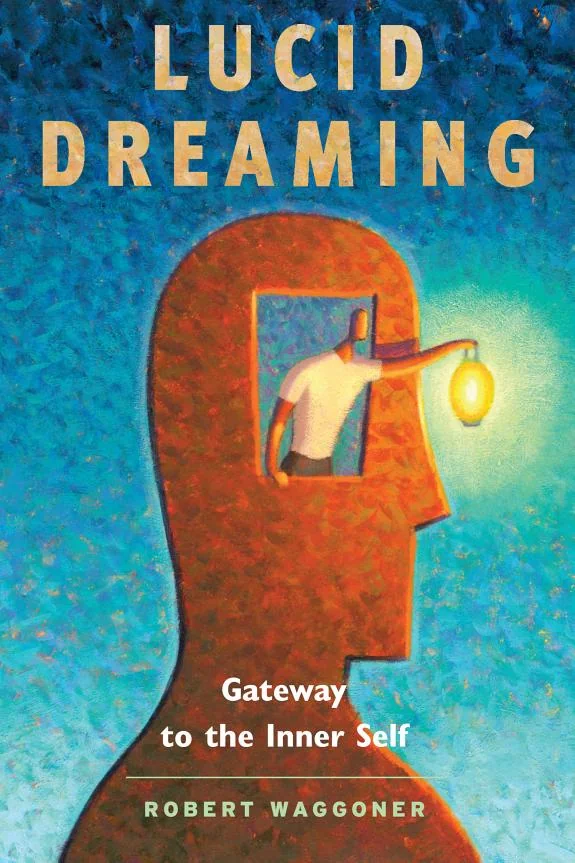
Robert Waggoner published 'Lucid Dreaming: Gateway to the Inner Self' in 2008, detailing his experiences with conscious awareness in dreams.
Robert Waggoner's 2008 book, 'Lucid Dreaming: Gateway to the Inner Self,' chronicles his personal exploration of conscious awareness during the dream state. He recounts interactions with what he identifies as the 'Inner Self' or the 'dream observer,' moving beyond typical psychological and religious perspectives. Waggoner details his discoveries made while actively aware within his dreams, suggesting these experiences offer a path to self-understanding.
The work is aimed at individuals interested in the practical and esoteric dimensions of lucid dreaming. It appeals to those who want to investigate consciousness, the subconscious, and the possibilities for self discovery in altered states of awareness. Readers familiar with dream interpretation, Jungian psychology, or mystical traditions will find this book relevant to their interests.
Emerging in the early 2000s, a period of renewed interest in consciousness studies, Waggoner's work built on earlier explorations of lucid dreaming, such as Stephen LaBerge's scientific approaches. It connected with New Age and esoteric philosophies that sought to integrate inner experiences with external reality. The book engages with ideas about the psyche and consciousness that resonate with traditions valuing inner exploration and altered states for personal growth.
💡 Why Read This Book?
• Gain practical techniques for achieving and maintaining conscious awareness within your dreams, directly from Waggoner's extensive experience since the 1970s. • Explore the concept of the "Inner Self" as presented in the book, understanding how conscious interaction with dream figures can unlock personal insights. • Understand the historical context of lucid dreaming research and personal accounts that informed Waggoner's work, placing it alongside developments in consciousness studies.
⭐ Reader Reviews
Honest opinions from readers who have explored this book.
❓ Frequently Asked Questions
What is the primary focus of Robert Waggoner's 'Lucid Dreaming: Gateway to the Inner Self'?
The book focuses on Robert Waggoner's personal journey and experiences with lucid dreaming, emphasizing conscious interaction with the dream state and the discovery of an "Inner Self" or "dream observer."
When was 'Lucid Dreaming: Gateway to the Inner Self' first published?
The book was first published on October 1, 2008.
Does the book offer practical advice for lucid dreaming?
Yes, Waggoner shares his techniques and insights gained from decades of lucid dreaming practice, aiming to guide readers toward achieving and enhancing their own conscious dream experiences.
What is the 'Inner Self' according to Waggoner?
According to Waggoner, the "Inner Self" is the conscious observer encountered within lucid dreams, with whom one can interact to gain deeper self-understanding and explore the nature of consciousness.
Is this book suitable for beginners in dream study?
The book is suitable for those interested in the esoteric and psychological aspects of lucid dreaming, particularly those willing to engage with personal narrative and subjective experience.
How does Waggoner's work differ from standard dream interpretation?
Waggoner's approach moves beyond symbolic interpretation to direct interaction and conscious engagement with the dream environment and its inhabitants, focusing on the lucid dreamer's active role.
🔮 Key Themes & Symbolism
Conscious Dream Interaction
Waggoner details how to achieve and maintain lucidity within dreams, enabling conscious interaction with the dream environment. This isn't passive observation but active engagement with dream figures and scenarios, allowing the dreamer to influence outcomes and explore the range of their subconscious with intent. The work posits that this conscious presence reveals deeper layers of the psyche, moving beyond simple symbolic interpretation.
The Inner Self
A central concept is the discovery and interaction with the "Inner Self," or the "dream observer." Waggoner describes this as a distinct, conscious presence within the dream state with whom direct communication is possible. This entity serves as a guide or interlocutor, offering insights and facilitating self-discovery by revealing aspects of the dreamer's own consciousness that are typically hidden.
Beyond Psychology and Religion
The book positions lucid dreaming as a path to understanding that transcends traditional psychological theories and religious dogma. Waggoner suggests that the experiences within lucid dreams offer direct access to a form of knowing or consciousness that is not fully explained by either field, proposing a unique framework for exploring subjective reality and personal spirituality.
Dream State as Reality
Waggoner challenges the conventional view of dreams as mere illusions, presenting the lucid dream state as a valid and potent reality for exploration and learning. By interacting consciously with dream elements, he argues, one can gain genuine knowledge and undergo significant personal transformation, treating the dream world with the same seriousness as waking life.
💬 Memorable Quotes
Direct passages from the work, attributed to the author.
“The dream observer is not a character in the dream, but the conscious witness to the dream.”
— This statement highlights Waggoner's conceptualization of the "Inner Self" as a fundamental aspect of awareness rather than a mere dream figure. It suggests a meta-consciousness that perceives the dream state itself.
“Interacting with the Inner Self offers direct access to the deepest truths of our being.”
— This interpretation points to Waggoner's belief in the therapeutic and revelatory power of lucid dreaming. The "Inner Self" is presented as a source of profound personal wisdom and self-understanding.
“The dream world is as real as the waking world, and can be explored with conscious intent.”
— This core idea suggests that the dream state is not an ephemeral illusion but a tangible realm accessible to conscious exploration. It validates the experiences within dreams as significant and real.
“Lucidity allows us to question the nature of our experiences and the reality we perceive.”
— This interpretation underscores the philosophical implications of lucid dreaming. It highlights how conscious awareness in dreams empowers the dreamer to critically examine their perceptions and the fundamental nature of reality.
💡 Key Ideas
Editorial paraphrase of the work's core concepts — not direct quotes.
When you become lucid, you are not just observing the dream, you are participating in the creation of reality.
This paraphrased concept emphasizes the active role of the lucid dreamer. It suggests that consciousness in the dream state has a direct influence on the unfolding experience, blurring the lines between observer and creator.
🌙 Esoteric Significance
Tradition
Waggoner's work aligns with esoteric traditions that emphasize direct experiential knowledge of the self and the cosmos. While not strictly Hermetic or Kabbalistic, it shares a lineage with mystical practices that utilize altered states of consciousness for spiritual insight, akin to Gnostic traditions seeking inner gnosis. The concept of the "Inner Self" as an accessible, conscious entity within the dream reflects the Hermetic principle of "As Above, So Below," applying it to the microcosm of the individual psyche.
Symbolism
The "dream observer" or "Inner Self" acts as a potent symbol of the Higher Self or divine spark within, a concept found across many esoteric paths. Dream figures and environments themselves become symbolic landscapes, representing archetypal forces or aspects of the dreamer's psyche that can be consciously engaged with. The act of achieving lucidity itself symbolizes the awakening of consciousness from the slumber of ordinary perception.
Modern Relevance
Contemporary practices in mindfulness, consciousness exploration, and transpersonal psychology often draw upon the kind of experiential insights Waggoner details. His work influences modern lucid dreaming communities and practitioners who seek not just skill development but profound psychological and spiritual growth through dream work. Thinkers exploring the nature of consciousness and reality, particularly those interested in subjective experience as a valid source of knowledge, find resonance in his approach.
👥 Who Should Read This Book
• Aspiring lucid dreamers seeking practical guidance and philosophical depth beyond basic technique tutorials. • Individuals interested in comparative mysticism and esoteric psychology who wish to explore alternative paths to self-knowledge. • Researchers and practitioners in consciousness studies looking for detailed personal accounts of subjective experiences within altered states.
📜 Historical Context
Robert Waggoner's "Lucid Dreaming: Gateway to the Inner Self," published in 2008, emerged during a period of renewed popular and academic interest in consciousness studies. While scientific exploration of lucid dreaming had been advanced by figures like Stephen LaBerge in the 1980s, Waggoner's work tapped into a broader cultural fascination with altered states and personal transformation, often associated with the New Age movement. This era saw a proliferation of self-help and esoteric literature exploring consciousness, meditation, and spiritual growth. Waggoner's personal narrative approach distinguished it from more clinical or purely scientific accounts, positioning it within a tradition of mystical and subjective exploration. His emphasis on direct interaction with a distinct "Inner Self" resonated with Gnostic ideas of inner knowledge and the exploration of non-ordinary reality, offering an alternative to purely materialistic or traditional religious explanations for inner experience.
📔 Journal Prompts
The nature of the "dream observer" as described by Waggoner: its characteristics and your interactions.
Reflect on a dream figure that seemed particularly significant; how might you approach it with lucidity?
Consider the boundary between the "Inner Self" and the "dream observer" in Waggoner's work.
Analyze the concept of "conscious creation of reality" within the dream state.
How does the idea of the dream world being a tangible reality align with your personal beliefs?
🗂️ Glossary
Lucid Dreaming
The state of being consciously aware that one is dreaming while the dream is in progress, allowing for potential control over the dream narrative and environment.
Inner Self
As defined by Waggoner, this refers to a conscious, interactive aspect of the dreamer encountered within the lucid dream state, distinct from ordinary dream characters.
Dream Observer
A term used interchangeably with "Inner Self" by Waggoner, denoting the conscious witness or entity perceived within a lucid dream.
Dream Figures
Characters, entities, or beings encountered within a dream, which Waggoner suggests can be interacted with consciously in lucid dreaming.
Conscious Awareness
The state of being awake and aware of one's surroundings and internal states, applied in this context to the dream state.
Dream State
The subjective reality experienced during sleep, characterized by sensory, cognitive, and emotional occurrences, which Waggoner argues can be consciously navigated.
Psychology
The scientific study of the mind and behavior. Waggoner posits that lucid dreaming offers insights that extend beyond conventional psychological frameworks.
This book appears in 1 collection
🔮 Readers Also Liked
Browse all →








From the “Lucid Dreaming” Collection
View all →








More Free Occult Philosophy Books
View all →