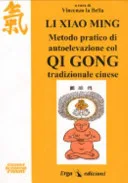
Li Xiao Ming. Metodo pratico di autoelevazione col qi gong tradizionale cinese
 77
77

Li Xiao Ming. Metodo pratico di autoelevazione col qi gong tradizionale cinese
V. La Bella's "Li Xiao Ming" offers a refreshingly direct approach to traditional Chinese Qi Gong. Rather than getting lost in esoteric lore, the book focuses on practical self-cultivation techniques. The clarity of instruction, particularly concerning breath synchronization with movement, is a significant strength. However, the text could benefit from more detailed explanations of the physiological and energetic effects of the exercises for those less familiar with Chinese medical concepts. The section on "The Eight Brocades" provides a solid foundation, but a deeper exploration of their historical origins or specific applications would have enhanced its scholarly value. Ultimately, "Li Xiao Ming" serves as a functional primer for those ready to engage actively with Qi Gong's physical and energetic dimensions.
📝 Description
77
Li Xiao Ming, published in 2009, offers a practical guide to self-improvement through traditional Chinese Qi Gong.
This book presents a structured method for cultivating internal energy, or Qi, for personal development. It moves past theory to offer actionable techniques, making ancient Qi Gong practices accessible for modern life. The aim is to demystify the process for those interested in mind-body disciplines. The text is suited for followers of traditional Chinese practices, martial artists, meditation students, and anyone interested in holistic health. It appeals to individuals seeking a direct, non-dogmatic path to personal growth and energy cultivation. Those who prefer systematic instruction and practical application over purely philosophical discussion will find it valuable. It is especially helpful for those who have an idea of Qi Gong but need a clear, step-by-step manual.
Published in 2009, its appearance coincided with a rise in global interest in Eastern philosophies and wellness. As Western cultures explored alternative health, Qi Gong, like Tai Chi and Yoga, grew in popularity. This work contributed to making complex traditional systems understandable to a broad, international audience. It arrived at a time when digital resources were growing but demand for solid texts remained.
Li Xiao Ming is situated within the broader tradition of Chinese internal alchemy and cultivation practices. It addresses the concept of Qi, the vital life force central to Taoism and traditional Chinese medicine, as a means for spiritual and physical betterment. The book focuses on practical methods for sensing, gathering, and directing this energy, aligning with the goals of many esoteric systems that seek to transform the individual through internal work. It connects these ancient practices to contemporary aspirations for well-being and personal growth.
💡 Why Read This Book?
• Learn specific postures and breathwork techniques for cultivating Qi, directly applicable from the "Eight Brocades" section, offering a tangible method for energy development. • Understand the foundational concept of the "Dantian" as a central energy reservoir, providing a focal point for personal energetic practice not commonly detailed in Western wellness literature. • Acquire a structured, practical methodology for self-elevation through traditional Chinese practices, moving beyond theory to actionable steps introduced in the book's early chapters.
⭐ Reader Reviews
Honest opinions from readers who have explored this book.
❓ Frequently Asked Questions
When was Li Xiao Ming. Metodo pratico di autoelevazione col qi gong tradizionale cinese first published?
The book "Li Xiao Ming. Metodo pratico di autoelevazione col qi gong tradizionale cinese" by V. La Bella was first published in 2009, making it a relatively modern guide to traditional Qi Gong practices.
What is the primary focus of V. La Bella's book on Qi Gong?
The primary focus is on providing a practical, step-by-step method for self-elevation through traditional Chinese Qi Gong, emphasizing actionable techniques for energy cultivation.
Who is the author of this practical guide to Qi Gong?
The author of "Li Xiao Ming. Metodo pratico di autoelevazione col qi gong tradizionale cinese" is V. La Bella.
Does the book explain complex Qi Gong theory or focus on application?
The book prioritizes practical application and actionable techniques for self-elevation, aiming to make Qi Gong accessible rather than solely focusing on intricate theoretical discussions.
What is Qi Gong?
Qi Gong is a traditional Chinese practice involving coordinated body posture, movement, breathing, and meditation for health, spirituality, and martial arts training, focusing on the cultivation and circulation of vital energy (Qi).
What does 'autoelevazione' mean in the context of this book?
'Autoelevazione' translates to 'self-elevation' or 'self-improvement,' indicating the book's aim to guide readers in enhancing their personal development and vitality through Qi Gong practice.
🔮 Key Themes & Symbolism
Qi Cultivation Techniques
The book meticulously details methods for cultivating and circulating Qi, the vital life force central to traditional Chinese philosophy. It moves beyond mere theory to offer concrete exercises, focusing on breath control, posture, and mindful movement. Readers are guided through practices designed to enhance their internal energy, fostering a deeper connection with their physical and energetic selves. This emphasis on practical application makes Qi Gong accessible for consistent personal practice, aiming for balanced vitality and well-being.
The Dantian as Energy Center
A core concept explored is the Dantian, typically located in the lower abdomen, which is presented as a primary locus for Qi storage and transformation. The text elaborates on techniques for focusing energy within this center, facilitating its accumulation and distribution throughout the body. This focus on the Dantian provides practitioners with a tangible point of reference for their energetic work, integral to the process of self-elevation and the harmonization of mind and body.
Mind-Body Harmonization
Li Xiao Ming frames Qi Gong not just as a physical discipline but as a holistic system for integrating the mind, body, and spirit. Through consistent practice, the book suggests that individuals can achieve a state of internal balance, reducing stress and enhancing overall well-being. The interplay between conscious intention, physical movement, and regulated breath is explored as a pathway to achieving this profound state of harmony and personal elevation.
Practical Self-Improvement
The overarching theme is practical self-improvement through ancient Chinese methods. The book is structured to empower individuals to take an active role in their personal development by providing accessible tools. It clarifies Qi Gong, presenting it as a viable path for anyone seeking to enhance their vitality, mental clarity, and overall quality of life through disciplined, mindful practice originating from traditional Chinese culture.
💬 Memorable Quotes
Direct passages from the work, attributed to the author.
“The Dantian is the root of Qi.”
— This concise statement highlights the Dantian's fundamental role as the origin point and reservoir for the body's vital energy (Qi) in traditional Chinese energetic theory.
“Synchronize breath with movement.”
— This directive underscores a core principle of Qi Gong practice, emphasizing the integral connection between respiratory control and physical motion for effective energy cultivation.
“Cultivate energy for self-elevation.”
— This phrase expresses the book's central aim: to guide readers in developing their internal Qi as a means to achieve personal growth and higher states of being.
“The Eight Brocades offer a foundation.”
— This points to a specific set of Qi Gong exercises within the book, identifying them as foundational practices for beginners seeking to establish a solid basis in energy work.
“Practice brings harmony.”
— This suggests that the consistent application of Qi Gong techniques leads to a state of balance and integration between the mind, body, and spirit.
🌙 Esoteric Significance
Tradition
This work draws directly from the Taoist tradition within Chinese esoteric practices. It aligns with the Taoist emphasis on cultivating vital energy (Qi) and harmonizing with the natural flow of the universe (the Tao). While not looking at the more complex alchemical or philosophical aspects found in advanced Taoist texts, it grounds itself in the fundamental principles of internal cultivation widely practiced within Taoist lineages for health and longevity.
Symbolism
The primary symbol is 'Qi' itself, representing the invisible life force that animates all things. The 'Dantian', particularly the lower Dantian, serves as a symbolic locus of power and potential, a sacred space within the body where energy is gathered and refined. Movements like those in the 'Eight Brocades' are themselves symbolic, representing natural forces or states of being, intended to bring the practitioner into resonance with these archetypal energies.
Modern Relevance
Contemporary practitioners of mindfulness, somatic experiencing, and various forms of embodied movement often find resonance with the principles outlined in "Li Xiao Ming." Schools focusing on Qigong, Tai Chi, and traditional Chinese medicine continue to draw from these foundational texts. Thinkers and practitioners exploring the intersection of ancient wisdom traditions and modern psychology and wellness also utilize such works to bridge the gap between historical practices and contemporary self-care methodologies.
👥 Who Should Read This Book
• Aspiring Qi Gong practitioners seeking a practical, step-by-step guide to foundational exercises like the "Eight Brocades." • Individuals interested in traditional Chinese health practices looking for actionable techniques to cultivate internal energy (Qi). • Students of comparative esoteric traditions wanting to understand the practical application of concepts like the "Dantian" within a Chinese context.
📜 Historical Context
Published in 2009, V. La Bella's "Li Xiao Ming" entered a global landscape increasingly receptive to Eastern wellness practices. The early 21st century saw a surge in interest in Qi Gong and similar disciplines, often viewed as complements to Western medicine. This period was marked by a proliferation of translated texts and instructional guides aiming to make these complex systems accessible. While contemporaries like Mantak Chia were already established figures in popularizing Taoist internal arts, La Bella's work focused on a more direct, practical methodology. The book emerged at a time when online resources were growing, yet the demand for comprehensive, printed guides remained strong, positioning it as a structured resource for self-learners amidst a broader cultural embrace of holistic health.
📔 Journal Prompts
The Dantian's energetic function in self-cultivation.
How synchronized breath and movement influence Qi flow.
Personal experience with the Eight Brocades' energetic sensations.
The role of intention in directing Qi.
Methods for achieving mind-body harmony through practice.
🗂️ Glossary
Qi
The fundamental vital life force or energy believed in traditional Chinese philosophy and medicine to animate all living things and be present in the universe.
Dantian
A term in traditional Chinese medicine and martial arts referring to specific energy centers in the body, most commonly the lower abdomen, considered a reservoir for Qi.
Autoelevazione
Italian for 'self-elevation' or 'self-improvement,' indicating the process of personal growth and development through dedicated practice.
Eight Brocades (Ba Duan Jin)
A set of eight fundamental Qi Gong exercises, known for their effectiveness in improving health and cultivating Qi, often taught as introductory movements.
Metodo pratico
Italian for 'practical method,' emphasizing the book's focus on actionable techniques and direct application rather than abstract theory.
Self-elevation
The process of improving one's own condition, character, or status, often through disciplined practice and personal development.
Traditional Chinese Medicine (TCM)
A broad range of traditional medical practices originating in China, including herbal medicine, acupuncture, massage, and Qi Gong, focused on maintaining health through energetic balance.