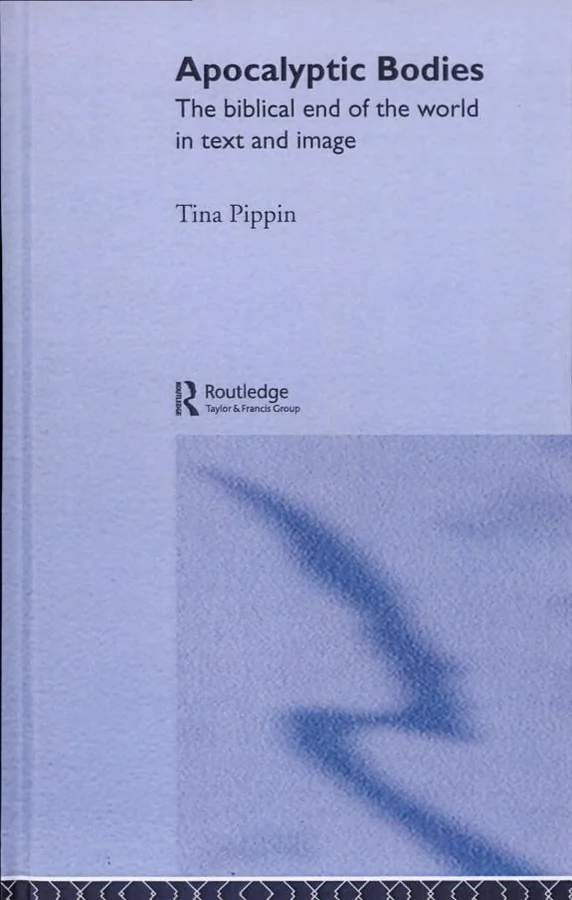
Apocalyptic Bodies
 84
84

Apocalyptic Bodies
Tina Pippin's Apocalyptic Bodies is a demanding but rewarding engagement with how the end of the world is embodied. Rather than rehashing familiar eschatological tropes, Pippin uses the lens of "body criticism" to dissect the cultural work performed by apocalyptic narratives. Her analysis of how bodies are fragmented, mutated, or erased in these texts is particularly sharp, offering a fresh perspective on familiar anxieties. The book's strength lies in its sustained theoretical rigor, consistently returning to its core concepts of embodiment and ideology. However, the density of the theoretical apparatus can occasionally obscure the very cultural material it seeks to illuminate, making it a challenging read for those not deeply versed in post-structuralist thought. A particularly striking section examines the grotesque body as a site where societal fears are made manifest. Ultimately, Apocalyptic Bodies provides a critical framework for understanding the symbolic weight of the body in cultural visions of the end.
📝 Description
84
Tina Pippin's 1999 book analyzes how end-of-world narratives shape our understanding of the human body.
Apocalyptic Bodies offers a cultural analysis of end-of-world narratives and imagery. The book examines how these stories construct and deconstruct the human form, identity, and societal structures when faced with extreme duress. Pippin interrogates the definition of the body under annihilation and its representation across various media and theoretical frameworks.
The work dissects the 'apocalyptic body' not as a singular entity but as a site of contestation. It explores how images of the body—whether monstrous, transformed, or annihilated—serve ideological functions. Pippin considers the role of horror and fantasy as lenses through which these apocalyptic visions are processed, revealing underlying cultural assumptions about embodiment, gender, and power.
Published in 1999, Apocalpytic Bodies emerged as late 20th-century theory engaged with burgeoning fields like body criticism and queer theory. Pippin applies these frameworks to the cultural fascination with apocalypse. The work situates itself within academic conversations about societal anxieties manifesting in symbolic narratives, drawing on thinkers like Julia Kristeva and Judith Butler. Pippin uses their concepts to analyze the unique material of apocalyptic visions.
💡 Why Read This Book?
• Gain a critical understanding of how apocalyptic narratives construct and deconstruct the human body, as exemplified in Pippin's analysis of fragmented bodies in 1999 cultural texts. • Learn to apply body criticism and ideological criticism to esoteric and religious themes, moving beyond surface-level interpretations of eschatology. • Explore the symbolic function of horror and fantasy theories in processing societal anxieties about embodiment and societal collapse, as detailed in the book's examination of these genres.
⭐ Reader Reviews
Honest opinions from readers who have explored this book.
❓ Frequently Asked Questions
When was Apocalyptic Bodies first published?
Apocalyptic Bodies by Tina Pippin was first published in 1999, placing it within the late 20th-century academic discourse on cultural studies and apocalypticism.
What critical perspectives does Tina Pippin use in Apocalyptic Bodies?
Pippin employs a variety of critical perspectives, notably body criticism, ideological criticism, and theories from horror and fantasy studies, to analyze apocalyptic texts and images.
What is the central focus of Apocalyptic Bodies?
The book's central focus is a cultural and critical reading of apocalyptic narratives, examining how they represent and conceptualize the body under conditions of societal or cosmic destruction.
Who is the author of Apocalyptic Bodies?
The author is Tina Pippin, whose work in Apocalyptic Bodies offers a scholarly analysis of cultural representations of the end times.
What kind of academic field does Apocalyptic Bodies belong to?
Apocalyptic Bodies is situated within cultural studies, literary criticism, and religious studies, with a strong interdisciplinary approach.
Does Apocalyptic Bodies discuss specific apocalyptic events or religions?
While it draws on broad cultural trends and specific texts/images, the book primarily focuses on the theoretical frameworks for understanding the *representation* of apocalyptic events and their impact on the body, rather than a survey of specific religious doctrines.
🔮 Key Themes & Symbolism
The Fragmented Body
Pippin examines how apocalyptic narratives often depict the body as broken, dismembered, or dissolving. This fragmentation is not merely literal but symbolic, reflecting societal anxieties about the integrity of self and social order. The work scrutinizes images of bodies that are literally torn apart, mutated beyond recognition, or reduced to mere biological material, showing how these representations function ideologically to process fear and loss.
Ideology and Embodiment
A core theme is the ideological work performed by apocalyptic visions of the body. Pippin argues that how bodies are portrayed in these narratives—whether as monstrous, pure, or subject to extreme suffering—serves to reinforce or challenge dominant cultural assumptions about gender, race, power, and normalcy. The book scrutinizes how these depictions shape our understanding of what it means to be human when facing ultimate destruction.
Horror and Fantasy as Lenses
The book leverages theories of horror and fantasy to understand the appeal and function of apocalyptic imagery. Pippin explores how these genres provide frameworks for confronting, processing, and even desiring cataclysmic scenarios. By analyzing the symbolic language of horror and the imaginative possibilities of fantasy, the work reveals how cultural anxieties about the body and its limits are articulated and explored.
The Body as Site of Annihilation
Apocalyptic Bodies positions the body as the primary site where the end of the world is experienced and represented. Whether through plague, war, or supernatural events, the body becomes the locus of ultimate trauma and transformation. Pippin investigates how narratives of annihilation focus on the physical vulnerability and ultimate demise of the body, offering a critical perspective on human finitude.
💬 Memorable Quotes
Direct passages from the work, attributed to the author.
“The body is the staging ground for the apocalypse.”
— This interpretation suggests that the most profound and visceral experiences of societal or cosmic collapse are registered and understood through physical sensations and the state of human bodies, making embodiment central to apocalyptic discourse.
“Apocalyptic imagery often reflects anxieties about social and biological boundaries.”
— This highlights how depictions of the end times frequently feature the breakdown of distinctions—between human and non-human, life and death, individual and collective—serving as a cultural screen for fears about control and chaos.
“We see the body deconstructed in apocalyptic visions.”
— This points to the tendency in end-of-world narratives to present bodies not as whole entities, but as collections of parts, or as subject to extreme alteration and dissolution, mirroring a breakdown in social and personal coherence.
“Horror and fantasy offer modes for engaging with catastrophic futures.”
— This suggests that these genres are not mere entertainment but serve a crucial cultural function by providing symbolic languages and narrative structures through which audiences can explore, process, and even anticipate scenarios of widespread destruction.
“The representation of the body in apocalyptic texts is rarely neutral; it carries ideological weight.”
— This emphasizes that descriptions of bodies in apocalyptic scenarios are deeply tied to cultural values and power structures, serving to reinforce or critique societal norms regarding identity, gender, and humanity.
🌙 Esoteric Significance
Tradition
While not explicitly tied to a single esoteric lineage, Apocalyptic Bodies engages with the cultural underpinnings of eschatological beliefs that permeate many esoteric traditions, from Gnosticism to certain interpretations of Hermeticism and apocalyptic Christian sects. It analyzes the *cultural imaginaries* surrounding the end times, which often draw upon archetypal patterns found in these traditions, framing them through contemporary critical theory rather than as direct doctrinal interpretation.
Symbolism
The book explores the symbolism of the disintegrating or transforming body as a motif representing the dissolution of the old order and the potential for radical, albeit often terrifying, rebirth. It examines how monstrous or hybridized bodies in apocalyptic fiction symbolize the breakdown of established categories and the emergence of the unknown, a common theme in esoteric cosmologies where creation and destruction are intertwined.
Modern Relevance
Contemporary scholars of religion, media studies, and critical theory continue to draw on Pippin's work when analyzing contemporary apocalypticism, from climate change narratives to zombie fiction and digital doomsday scenarios. Her framework for understanding the body as a site of ideological struggle in the face of cataclysm remains pertinent for thinkers examining societal anxieties and their manifestation in popular culture and speculative fiction.
👥 Who Should Read This Book
• Scholars and students of cultural studies, literary theory, and religious studies seeking to understand the intersection of embodiment and apocalyptic discourse. • Researchers interested in how societal anxieties are expressed through end-of-world narratives and imagery, particularly in late 20th-century cultural products. • Readers familiar with critical theory who wish to explore the application of body criticism and horror/fantasy theories to esoteric and apocalyptic themes.
📜 Historical Context
Published in 1999, Tina Pippin's Apocalyptic Bodies emerged during a period of intense theoretical engagement with embodiment and cultural anxieties surrounding the millennium. The work engaged with the late 20th-century academic discourse, particularly the rise of "body criticism" influenced by thinkers like Judith Butler and its application to previously unexamined cultural phenomena. While cultural studies scholars like Fredric Jameson were analyzing postmodernism and its discontents, Pippin focused specifically on the body's role in end-of-world scenarios. The book’s approach, applying critical theory to popular and esoteric apocalyptic imagery, placed it within broader conversations about media studies and religious studies. Its reception was primarily within academic circles, noted for its rigorous application of theory to often sensationalized material, contributing to a growing body of work that viewed apocalyptic narratives not just as religious prophecy but as significant cultural artifacts.
📔 Journal Prompts
The apocalyptic body as a site of ideological contestation.
Representations of bodily fragmentation in end-times narratives.
The function of horror and fantasy in processing societal fears.
How do apocalyptic visions deconstruct normative understandings of the body?
The relationship between cultural anxieties and the depiction of physical boundaries in apocalyptic scenarios.
🗂️ Glossary
Body Criticism
A critical approach that focuses on the body as a site of social, cultural, and political meaning, examining how bodies are represented, disciplined, and experienced.
Ideological Criticism
A method of analysis that examines how cultural products (texts, images, media) convey and reinforce dominant social, political, and economic ideologies, often in ways that appear natural or neutral.
Apocalyptic Narratives
Stories, myths, or texts that describe the end of the world or a final, cataclysmic event, often involving divine intervention or widespread destruction and transformation.
Embodiment
The process or state of being embodied; the experience of having a physical body and how that physicality shapes one's perception, identity, and interaction with the world.
Horror Theory
Academic study of the genre of horror, analyzing its conventions, psychological effects, cultural significance, and thematic concerns, particularly its engagement with fear and the uncanny.
Fantasy Theory
Academic study of the genre of fantasy, examining its narrative structures, world-building techniques, archetypes, and its role in exploring themes of magic, the marvelous, and alternate realities.
Cataclysm
A violent natural event or disaster, or a sudden, violent, and widespread social or political upheaval; often used in the context of apocalyptic scenarios.
This book appears in 1 collection
🔮 Readers Also Liked
Browse all →









From the “Apocalyptic Literature” Collection
View all →






More Free Occult Philosophy Books
View all →